Sungil Tex pushes biodegradable linings to help garments fully decompose
Sungil Tex is betting on biodegradable linings to stop hidden trims from wrecking garment decomposition. Its 100% ECOVERO lining launched with no minimum order quantity.
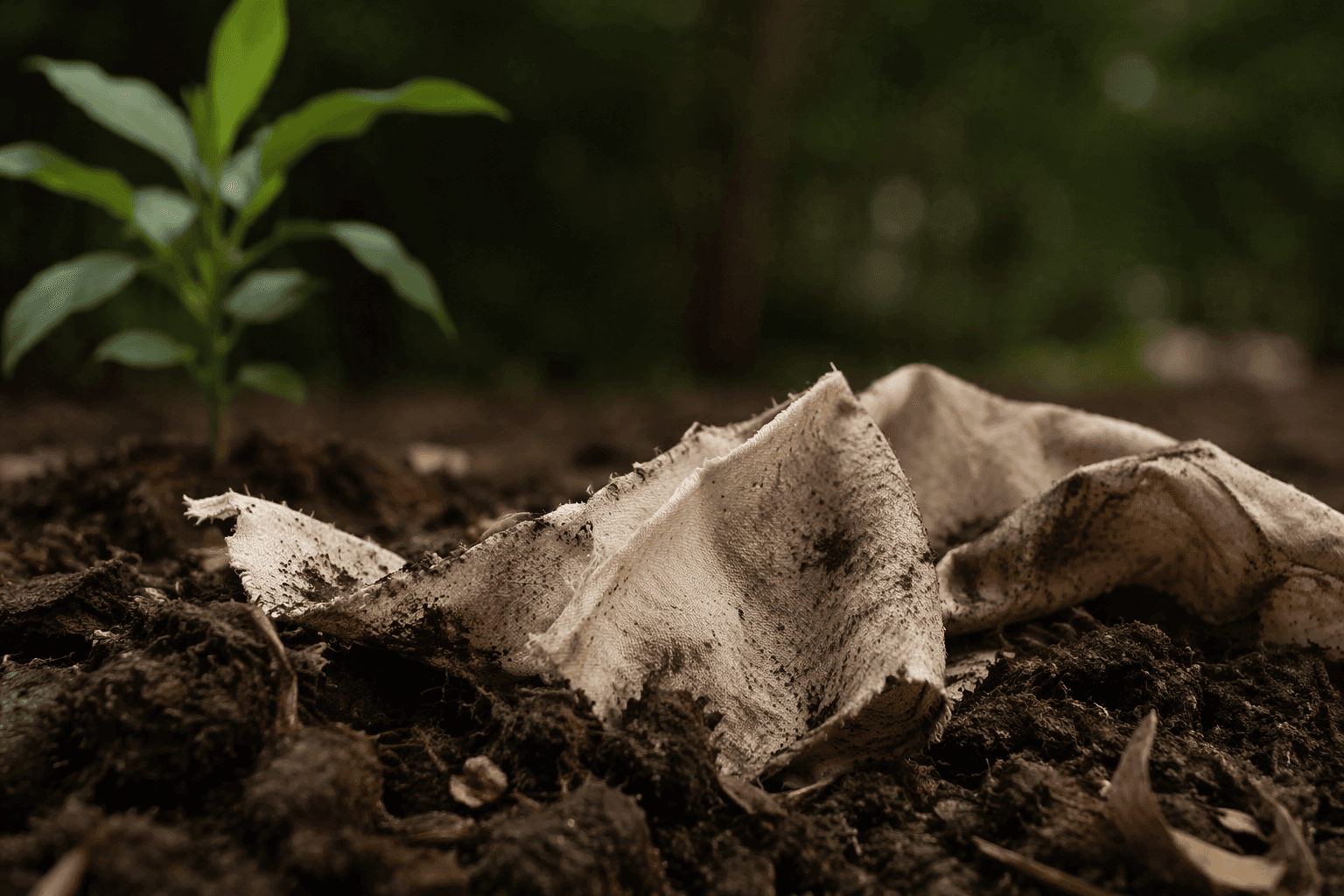
Sungil Tex is pushing biodegradable linings because the stuff hidden inside a jacket can be the reason the whole thing never fully breaks down. The Hong Kong-based pocketing and lining manufacturer laid out that argument in a July 1 interview, framing trims as an end-of-life problem, not an afterthought. Danny Lee is treating biodegradability as the answer to growing brand demand for more sustainable interiors, and Sungil Tex says that push sits inside a wider menu of more than 50 sustainable textile solutions.
That menu includes recycled polyester, recycled nylon, BCI cotton and biodegradable linings. Sungil Tex says its sustainable linings use Lenzing ECOVERO rayon, and Lenzing says those LENZING™ ECOVERO™ fibers are certified for biodegradability and compostability in various environments. Lenzing also says the fibers carry the EU Ecolabel, a useful marker now that brands are under pressure to prove the materials inside a garment can stand up to end-of-life scrutiny, not just look good on a line sheet.
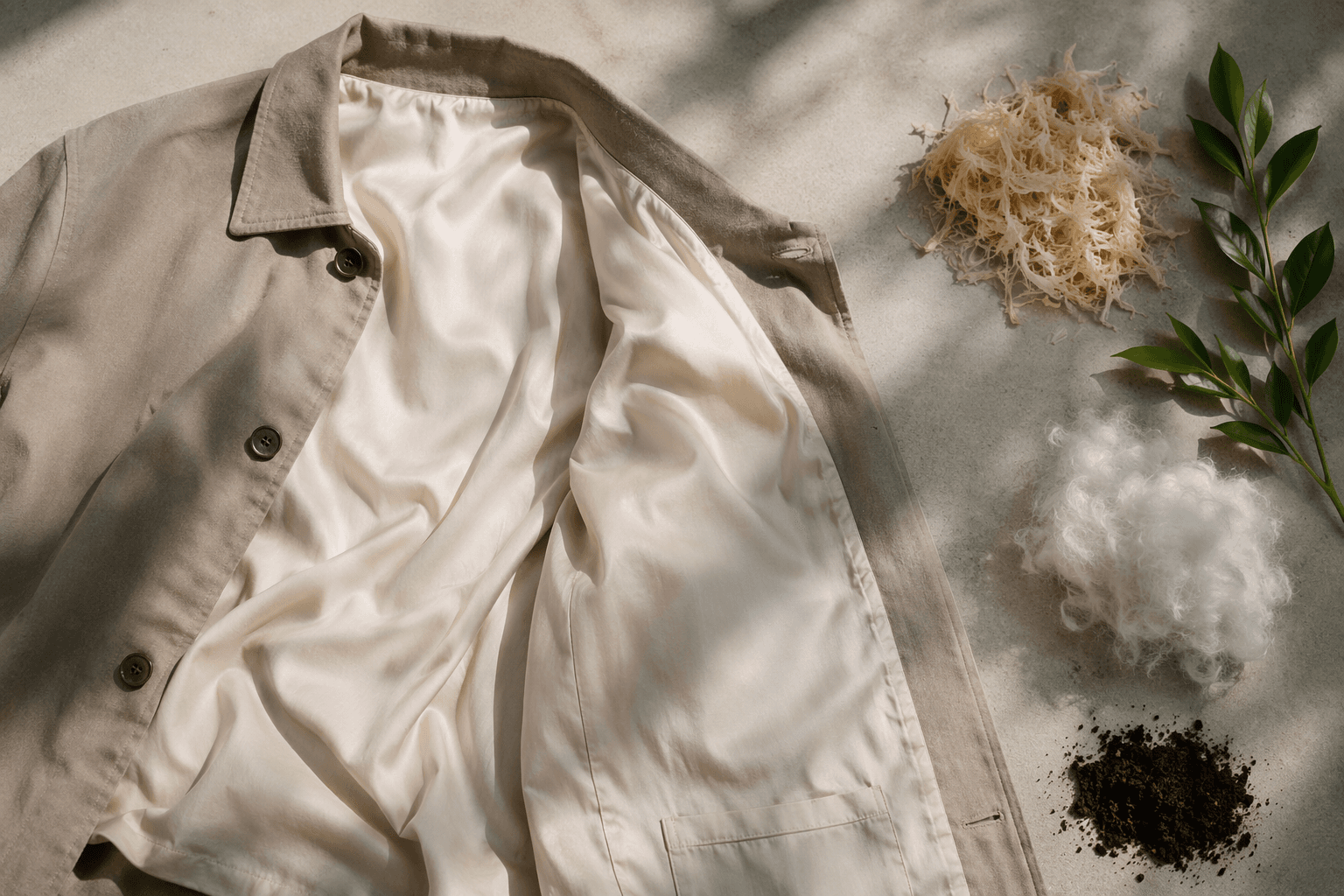
The sharpest move came on January 28, 2026, when Sungil Tex announced what it called the world’s first fully biodegradable lining, developed with Lenzing. The company says the product uses 100% biodegradable ECOVERO™ fiber and was launched with no minimum order quantity, a smart nudge for brands that want to test sustainable trims without committing to a massive run. That matters in premium fashion, where linings and pocketing are often specified late and squeezed for cost, even though they sit closest to the skin and can make or break recyclability.
The pressure around that hidden layer is only getting louder. The UN Environment Programme says textiles account for 2% to 8% of global greenhouse-gas emissions, use the equivalent of 86 million Olympic-sized swimming pools of water a year, and carry a heavy chemical footprint. It also says people are buying 60% more clothes and wearing them for half as long. The Ellen MacArthur Foundation’s circular fashion framework puts the fix in plain terms: eliminate waste and pollution, keep materials circulating at their highest value and regenerate nature.
That has started to show up in policy, too. The European Commission presented its strategy for sustainable and circular textiles in March 2022, and the European Parliament says the package includes ecodesign requirements and consumer-information measures. Canopy says its CanopyStyle initiative is now 500 brands strong, which tells you how far the scrutiny has spread. The new standard is no longer just visible fabric. It is the lining spec, the pocketing spec and every component a brand used to leave off the mood board.
This article was produced by Prism’s automated news system from verified source data, official records, and press releases, then run through automated quality and moderation checks before publishing. The system is built and supervised by the people who set the standards it runs under. Read our full AI policy.
Did this article answer your question?