Supima says sustainable cotton needs fair pricing, traceability and transparency
Supima says cotton can’t be sustainable if growers and mills are squeezed on price. Its answer is traceability, transparency and enough money to keep farms profitable.
Supima is heading into a bigger harvest, but the real story is not volume. Marc Lewkowitz said the 2024 crop could reach about 500,000 bales, up from 305,000 in 2023, even as rising planting and harvesting costs threatened to leave many growers losing money. That is the fault line in sustainable cotton: a fiber can look premium on the rack and still fail in the field if the people growing it cannot stay solvent.
Lewkowitz has made the case that sustainable cotton depends on responsible pricing, radical transparency and fair returns for growers and mills. In other words, water stewardship and regenerative farming are not free add-ons that brands can demand at wholesale pressure. They are part of the bill. Without pricing that leaves room for reinvestment, the language of sustainability becomes a glossy label with no infrastructure behind it.
Supima’s response has been to build more proof into the system. The company launched its AQRe Project, short for Authenticity, Quality, Responsibility, in July 2023 and turned its licensing program into an end-to-end traceability and validation platform. In August 2023, Supima eliminated grower bale dues, saying the organization would be self-sustaining. By November, it had added a partnership with the U.S. Cotton Trust Protocol so American Pima Protocol Verified bales could move through AQRe using USDA bale identification and TextileGenesis. Supima had already been working with Oritain on point-of-origin verification, and the message was clear: a sustainability claim is only as strong as the chain of custody behind it.
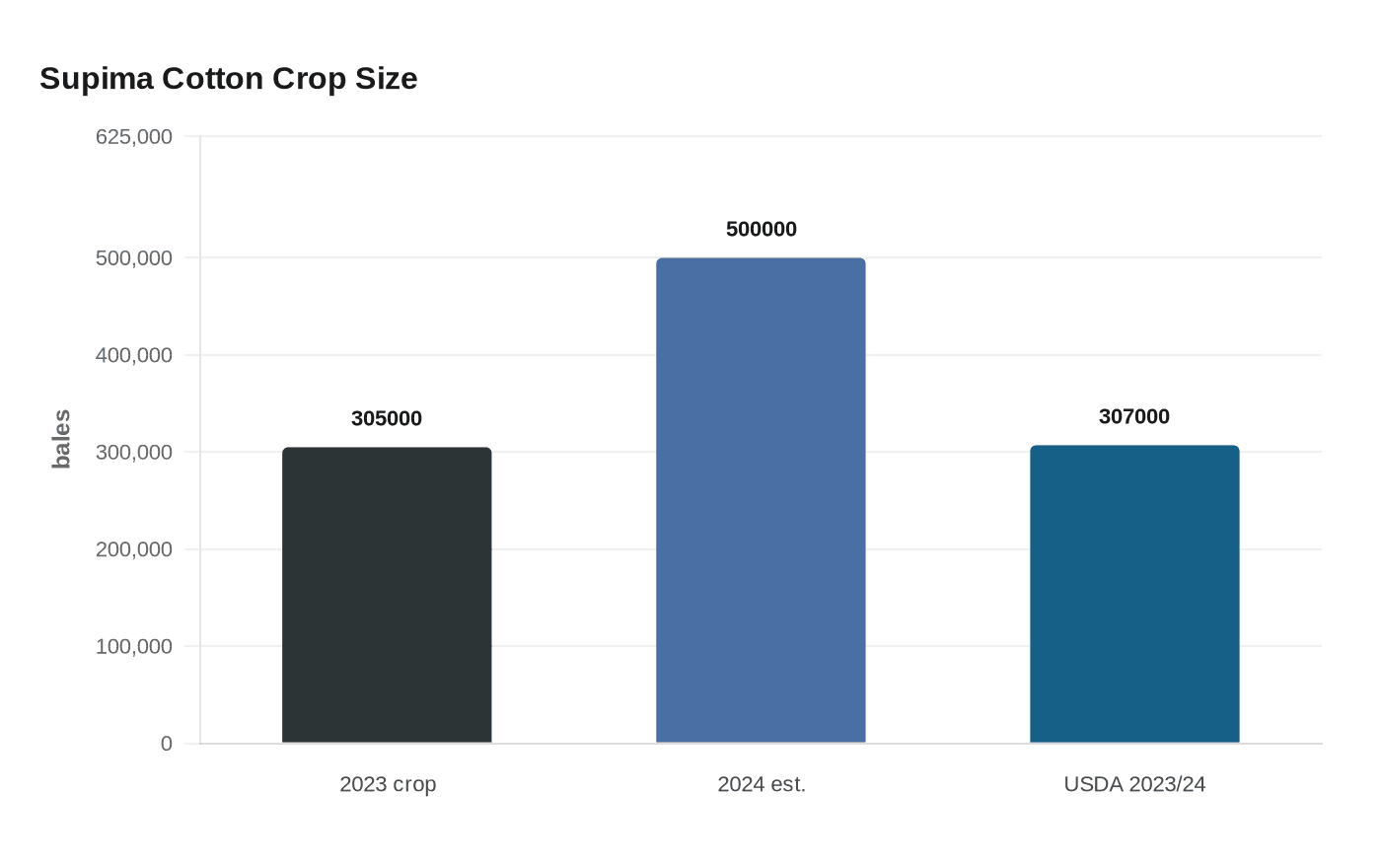
The market has been rewarding that kind of clarity. Supima’s January and February 2024 update said American Pima sales commitments were 55 percent higher than the year before, while exports were approximately double the prior year. The USDA forecast the 2023/24 crop at 307,000 bales, a tight supply picture that only sharpened the case for traceability, authenticity and pricing discipline. Supima has also said brands and retailers were starting to integrate the platform, because consumers increasingly expect to know where a fabric came from and what it cost to produce honestly.
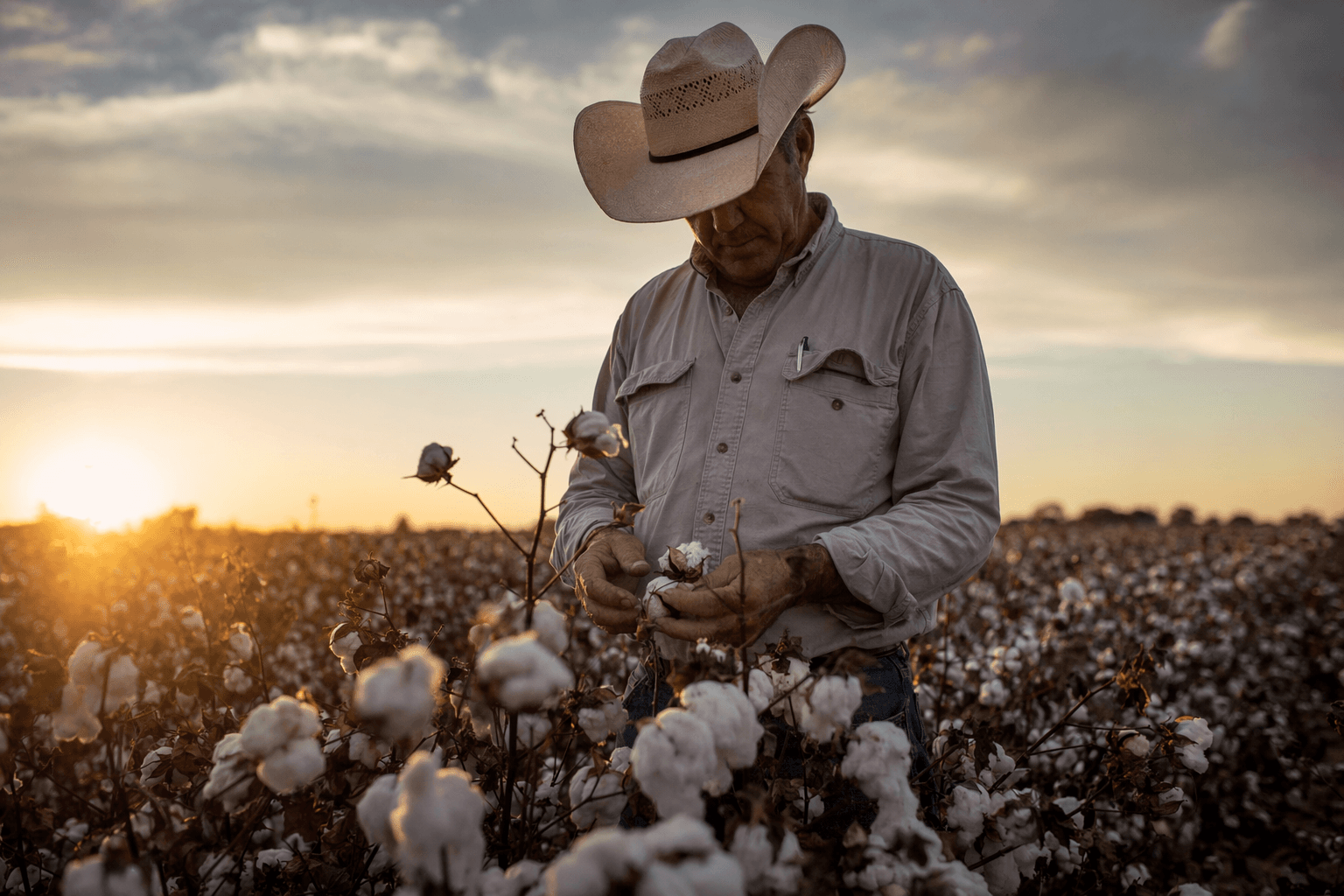
The farming itself tells the same story. Supima cotton comes from family farms in the American Southwest, especially California’s San Joaquin Valley, along with Arizona, New Mexico and Texas, where climate and water access shape every decision. Earlier sustainability discussions showed growers shifting from flood irrigation to drip systems that reduce evaporation, while crop rotation and cover crops help with soil health, weeds and pests. Ted Sheely put the economics in plain English: “if the farmer does not make a profit, it is not sustainable.” For cotton, that is not a slogan. It is the business model.
This article was produced by Prism’s automated news system from verified source data, official records, and press releases, then run through automated quality and moderation checks before publishing. The system is built and supervised by the people who set the standards it runs under. Read our full AI policy.
Did this article answer your question?


