Tariff shocks and unpaid wages deepen garment worker crisis in Bangladesh
Protests over unpaid wages in Dhaka exposed how tariff shocks and oil costs are landing on Bangladesh’s 4 million garment workers, not just brand margins.

Outside the Department of Labor building in Dhaka, B.l. Apparels Ltd workers turned a wage dispute into a warning shot. On April 19, they protested unpaid wages, and the scene landed just as tariff pressure and oil-price shocks were tightening the screws on Bangladesh’s apparel chain. What starts in a brand’s margin spreadsheet ends at the factory gate, where a missed payroll is the first thing workers feel.
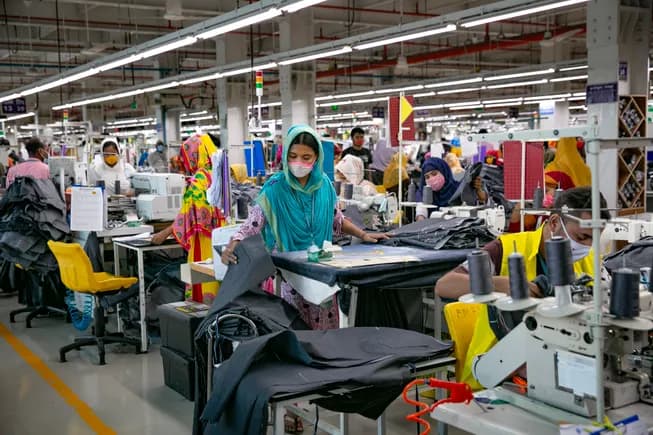
Bangladesh’s garment machine is too big to treat this as a side story. The ready-made garments sector brings in more than 80 percent of the country’s export earnings, employs about 4 million people and generates roughly 10 percent of GDP. When brands slow new orders or take a wait-and-see approach because tariffs are in flux, the squeeze moves fast from sourcing teams to sewing lines in Dhaka, Savar and Ashulia. The result is not abstract volatility. It is overdue pay, shuttered floors and workers showing up to protests instead of shifts.
The cost pressure is coming from multiple directions at once. Red Sea shipping disruption and the Iran conflict have pushed freight costs higher and made polyester dearer, adding another layer of pain to a sector already exposed to tariff uncertainty. That is why the polished language brands use around sustainability and worker protection rings so thin right now. A factory pledge means very little if the same company goes quiet when orders stall and the bills still have to be paid.
Bangladesh has been here before. In November 2023, the government announced a new garment-sector minimum wage after six months of negotiation and months of unrest. Labor advocates said the wage still sat below a living wage, and the crackdown that followed the protests left arrests and criminal charges hanging over tens of thousands of workers. The current wave of unrest suggests the system never really reset. On May 2, garment workers in Chittagong blocked a road over overdue wages, and on May 3, NASSA Group workers protested in Dhaka over due wages and factory reopenings.
This is the hidden cost of supply-chain volatility. Tariffs and oil shocks are discussed in boardrooms as pressure on margins, but in Bangladesh they show up as unpaid wages, job losses and workers taking to the street in front of labor offices. The industry can keep talking about resilience, but until brands stop hiding behind silence when the shocks hit, sustainability will remain a promise made upstream and broken at the factory floor.
This article was produced by Prism’s automated news system from verified source data, official records, and press releases, then run through automated quality and moderation checks before publishing. The system is built and supervised by the people who set the standards it runs under. Read our full AI policy.
Did this article answer your question?