Textile EPR gains ground as California and Europe move ahead
California has turned textile waste into compliance, and Europe is tightening the screws with fees, repair funding and tougher rules on ultra-fast fashion.
.png&w=1920&q=75)
Textile EPR has stopped being a nice theory for circular-fashion panels and become a line item. California already has the first statewide textile EPR program in the United States on the board, while France is using collection targets, repair money and proposed ultra-fast-fashion penalties to turn waste into a cost of doing business. WRAP’s June 23 report, funded by Nike, says textile EPR is “moving rapidly from policy ambition to implementation.”
California is the first real stress test
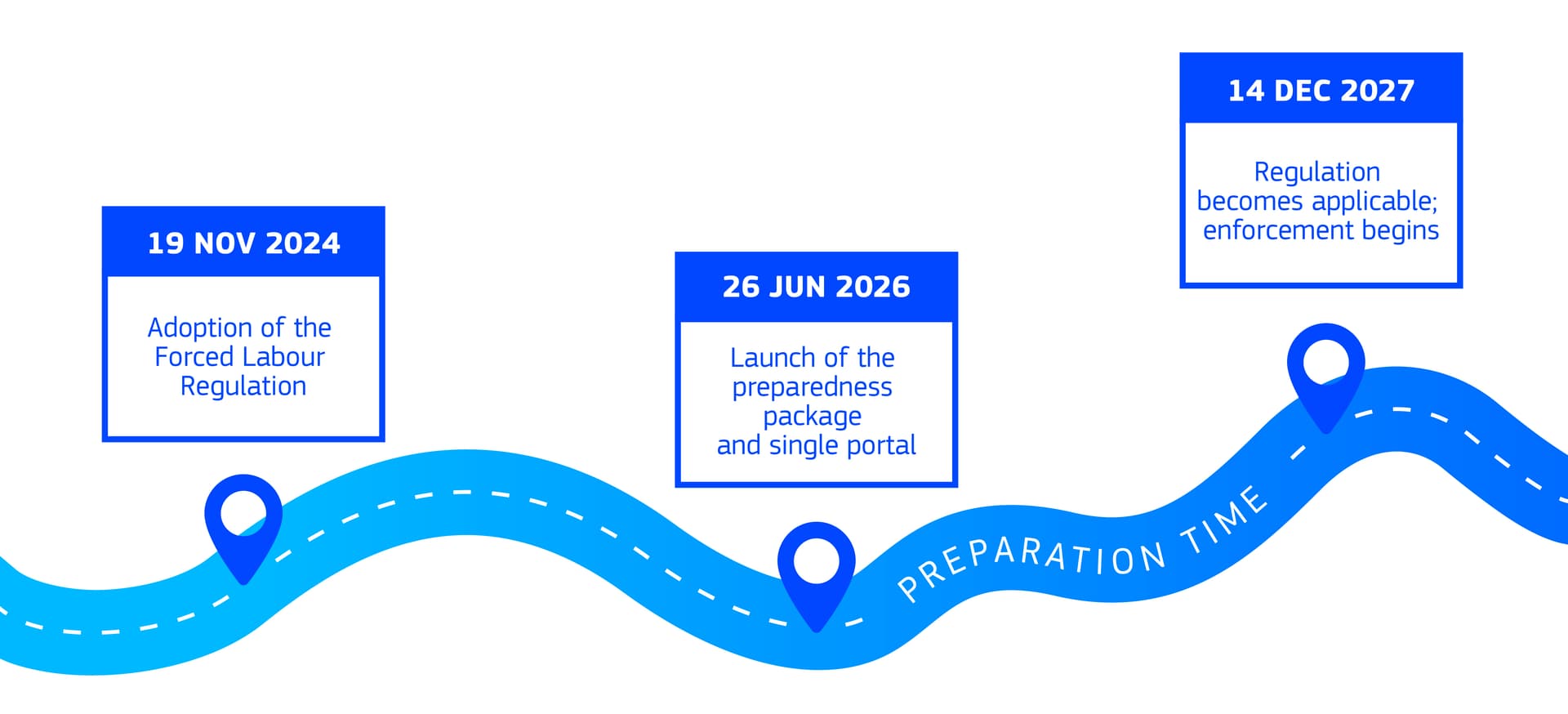
California’s Responsible Textile Recovery Act, SB 707, makes the apparel and textile industry responsible for what happens after sale, and CalRecycle has already moved from statute to structure. Landbell USA was approved as the producer responsibility organization on February 27, 2026, producers of covered textile products must join that approved PRO by July 1, 2026, and CalRecycle has set an informal Textile Stewardship Regulatory Concepts Workshop for August 13, 2026.
The state’s scale is exactly why brands are sweating the paperwork. CalRecycle says Californians throw away 1.2 million tons of textiles a year, and it ties fashion to 8% of global climate pollution from sourcing to disposal. That is not a side issue, that is a balance-sheet problem dressed up as waste policy.
The fight is already getting ugly. On March 27, 2026, the American Apparel & Footwear Association filed a petition in Sacramento County Superior Court challenging CalRecycle’s selection of Landbell USA. AAFA says it represents more than 1,100 apparel and footwear brands, retailers and manufacturers, which tells you how quickly textile EPR has moved from environmental principle to industry dispute.
California is also the cleanest example of how slow the real rollout still is. The state’s implementation timeline stretches to 2030 and 2031, when the PRO must have an approved plan and the system is expected to be fully in place. In other words, the legal trigger is already here, but the machinery behind it is still being assembled.
France is the model brands keep circling back to
France has had a textile EPR scheme since 2007, and Refashion sits at the center of it. The system covers clothing, footwear and household linens, which matters because it treats the whole soft-goods rack as one regulatory universe instead of cherry-picking categories that are easy to police.
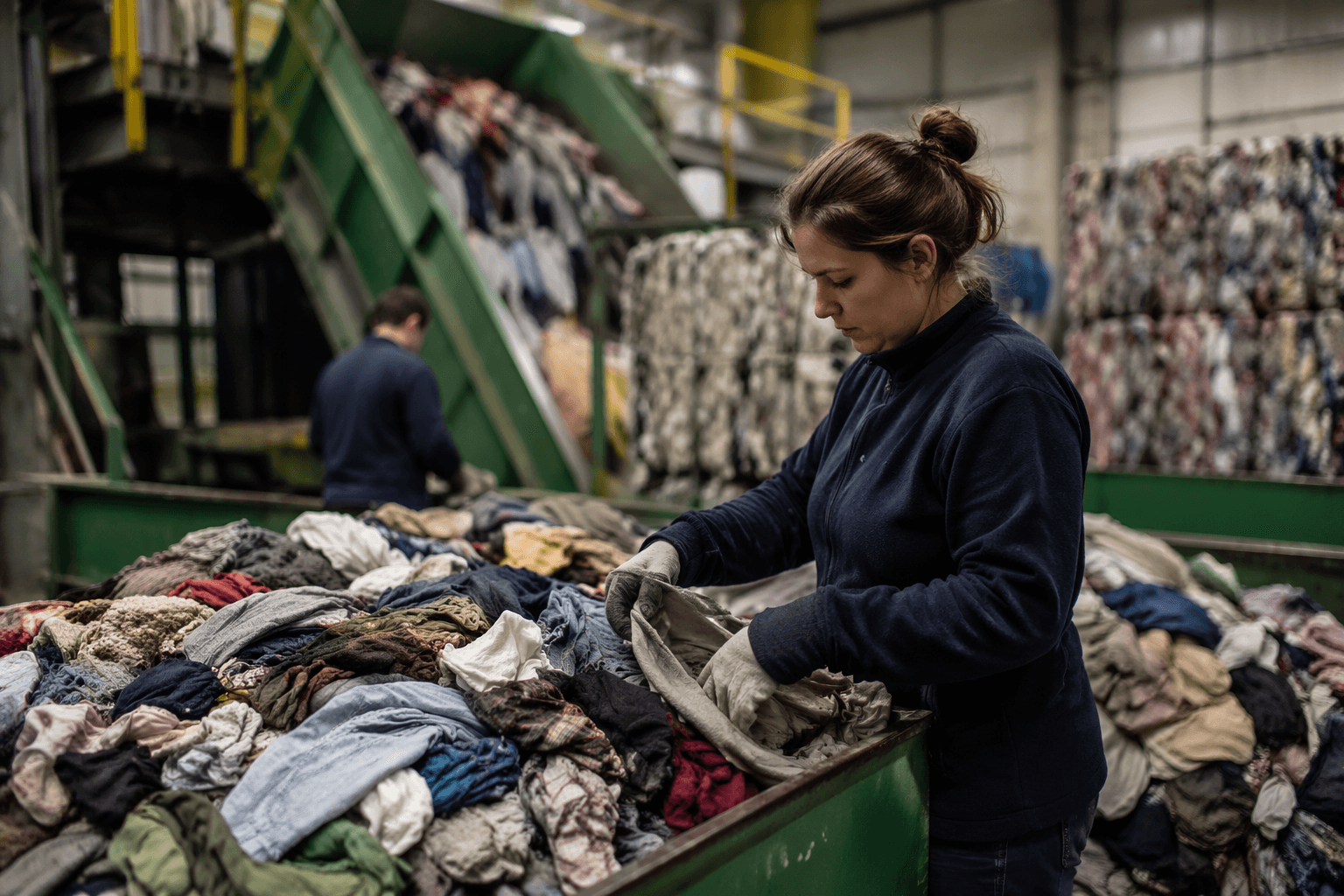
The numbers show both progress and friction. The Ellen MacArthur Foundation says France reached a 31% separate collection rate for textiles in 2022. Of the textiles collected, 72% were sorted after collection, 60% of the sorted material was reusable, and 95% of that reusable share was exported internationally. That is the glamorous fantasy of circularity stripped bare: a lot gets collected, some gets sorted, and the best stuff often leaves the country anyway.
France is also pushing EPR beyond collection bins and into repair. The country has allocated EUR 150 million to finance repair of shoes, garments and other textiles, which is a bigger deal than it sounds. Repair funding changes the economics of a sweater or sneaker by treating longer life as infrastructure, not charity.
Then there is the ultra-fast-fashion question. In February, Global Fashion Agenda said France’s Ministry of Ecological Transition asked Refashion to develop an action plan targeting ultra-fast fashion items. The proposed eco-modulation penalties would start at €5 per product and rise to €10 by 2030, although the proposal was still under European Commission review. That is the sharpest signal yet that EPR can punish throwaway volume and reward better-conceived garments.
The UK, Germany, Italy and Spain are still shaping the rules of the game
WRAP’s January 2026 blueprint for a possible UK textiles EPR scheme does not sugarcoat the state of play. It says the sector is on the brink of “imminent collapse,” and it lays out the hardest design questions: product scope, obligated producers, eco-modulation, governance, the waste hierarchy, awareness campaigns, export markets and enforcement.
That list is the real story. Scope decides what counts as a textile. Obligated-producer rules decide who pays. Eco-modulation decides whether a flimsy pile of fast-fashion stock gets the same treatment as a coat built to last a decade. Governance and enforcement decide whether the scheme is serious or just another well-meaning fee with no teeth.
The UK is not moving alone. A 2025 cross-industry position statement supporting UK textiles EPR was backed by WRAP, the British Retail Consortium, the British Fashion Council, the UK Fashion and Textiles Association and WEFT. Germany, Italy and Spain are still in flux, and EU discussions continue, which keeps the competitive map unstable for brands selling across multiple markets. When the rules diverge, the company with the cleanest data, the tightest material specs and the best recovery contracts wins first.
The wider map is bigger than Europe
WRAP’s comparison is useful because it stretches beyond the usual Brussels-to-Paris loop. The scheme review covers France, the Netherlands, Hungary, Kenya, Latvia and California, which gives the industry a look at mature systems, fresh launches and everything in between. That matters because textile EPR is not one neat model, it is a set of design choices that can either reinforce each other or pull the market in opposite directions.
Kenya is a good reminder that this is not just a rich-world compliance story. The country’s Sustainable Waste Management, Extended Producer Responsibility Regulations commenced on November 4, 2024, and the National Environment Management Authority has already published EPR guidance and enforcement documents. Once guidance and enforcement exist, the conversation changes from whether EPR will happen to how hard it will bite.
That is the part brands need to watch. The WRAP report frames textile EPR as a long-term system design problem, arguing that decisions made now will shape how textiles are designed, collected, reused and recycled for decades. It also warns that badly aligned schemes can create unintended consequences across the wider system, which is bureaucrat-speak for a simple truth: if you only fund collection and ignore repair, sorting, recycling capacity and export markets, you just move the mess around.
What changes first for brands
The operational shift is already easy to spot:
- Pricing changes first. Producer fees and eco-modulation turn waste into a cost that sits inside the unit economics of every T-shirt, dress and sneaker.
- Product data gets more important. Once a scheme depends on scope, reporting and obligated-producer definitions, brands need cleaner item-level information on what they are putting into the market.
- Recovery stops being optional. Take-back, sorting, reuse, repair and export pathways all become part of the business model, not an afterthought for the sustainability team.
- Design starts to matter in the ledger. Better durability, simpler material mixes and fewer ultra-fast-fashion throwaways are not just good taste, they are cheaper to defend when penalties and fee modulation arrive.
This is why textile EPR feels different from the usual sustainability spin. It is not about a nicer hangtag or a softer campaign image; it is about who pays when a garment dies, who tracks it, and who gets blamed when the system cannot hold its shape.
This article was produced by Prism’s automated news system from verified source data, official records, and press releases, then run through automated quality and moderation checks before publishing. The system is built and supervised by the people who set the standards it runs under. Read our full AI policy.
Did this article answer your question?