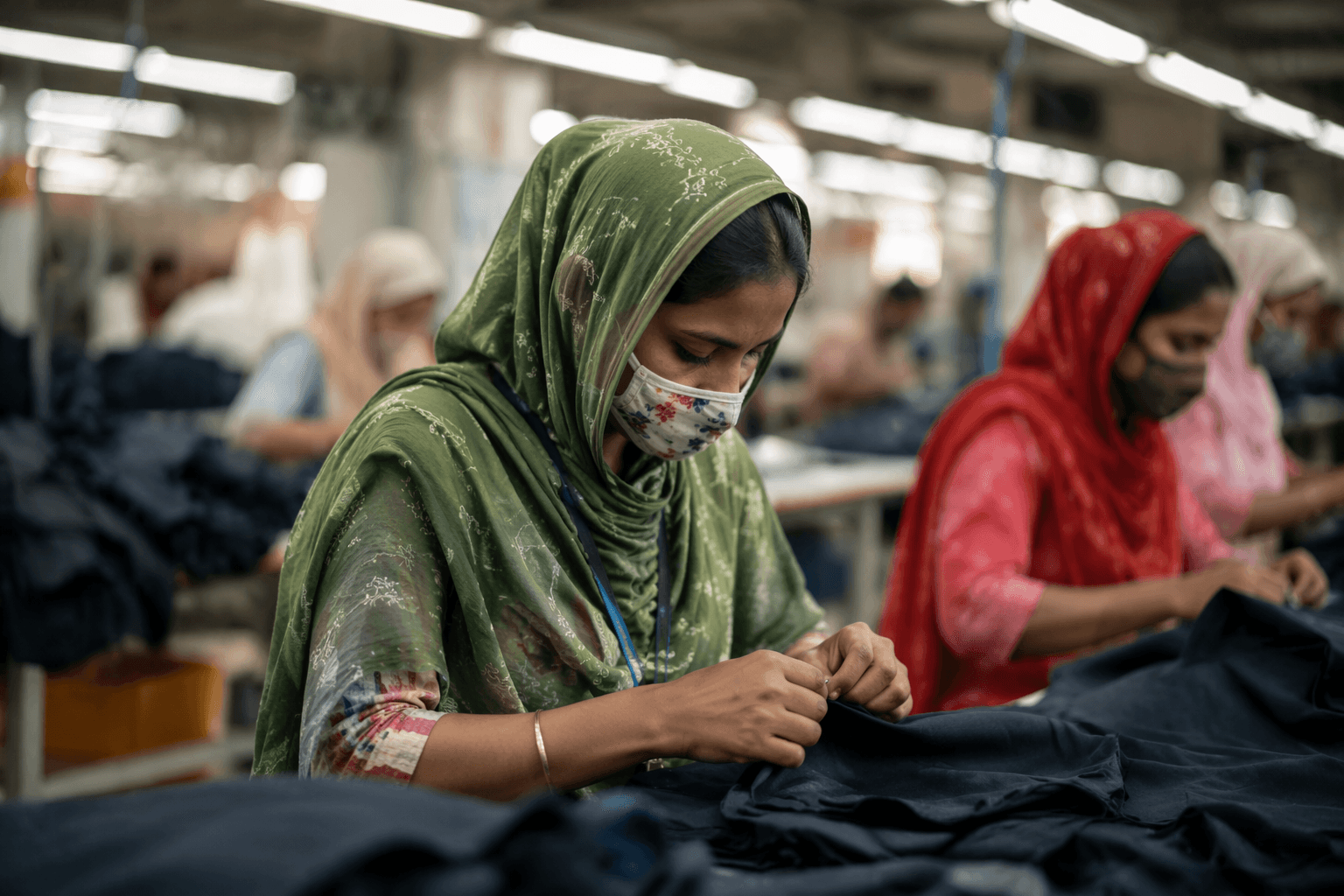
Textile EPR schemes outpace recycling capacity, raising stockpiles and exports
Textile EPR is pulling in fees faster than recycling capacity can catch up, turning collection into stockpiles, exports, and enforcement risk.
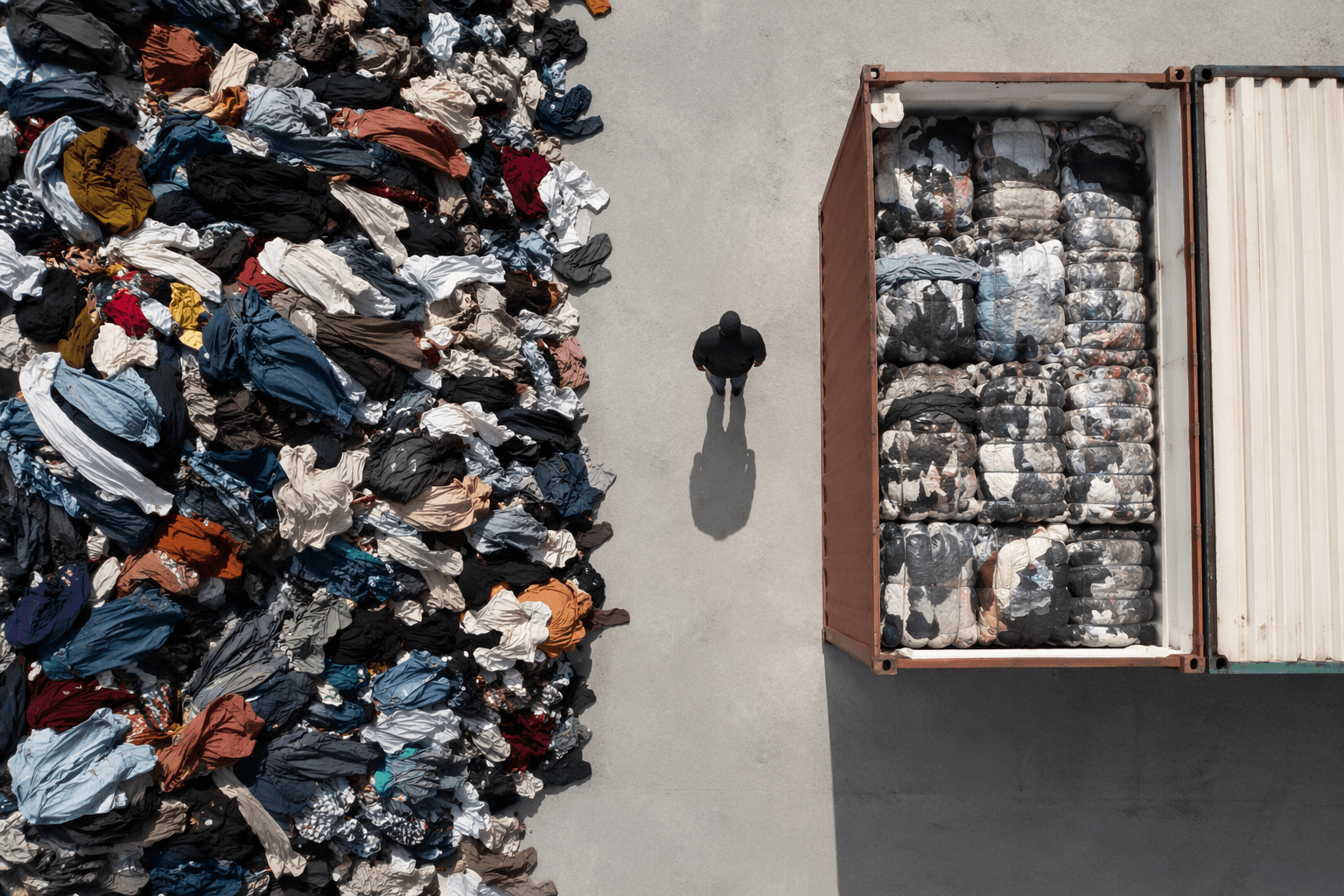
Producer fees are flowing into textile EPR systems at exactly the moment the industry still lacks the sorting lines, reuse channels and fibre-to-fibre plants needed to absorb the volumes. That mismatch is no longer theoretical: France has had a textile EPR scheme since 2007, and in 2026 authorities fined Refashion €170,000 after collection failures, a sharp reminder that paperwork can move faster than infrastructure.
The policy is expanding faster than the system behind it
The European Commission’s revised Waste Framework Directive entered into force on 16 October 2025, and it sets the clock ticking for textile and footwear EPR across all EU member states. National schemes must be in place by 17 April 2028, which means the bloc is asking for a continent-wide collection architecture to be built in little more than two years.
The scale of the sector makes the gap harder to ignore. The European Commission says the EU textile and clothing industry generated €170 billion in turnover in 2023 and employed 1.3 million people across 197,000 companies. That is a large, commercially important market, but it is also a highly fragmented one, which is exactly why EPR can become either a funding engine or a compliance theatre depending on what the fees actually build.
France is the test case, and it shows both reach and strain
France is the first country to run a textile EPR scheme, and Refashion has managed it since 2007. The scheme covers clothing, footwear and household linens, giving it the broadest real-world precedent in Europe for what mandatory textile responsibility can look like once it leaves theory and enters wardrobes, sorting centres and export channels.
Refashion’s own targets show how ambitious the system is supposed to be: a 60% collection rate by 2028, 15% reuse within 1,500km by 2027, and 80% recycling of non-reusable textiles by 2027. Those are the right ambitions on paper, but they only matter if the downstream machinery exists to keep textiles moving after they are dropped off. A collection point without a viable reuse outlet or fibre-to-fibre processor is just a staging area for delay.
The European transition materials on Refashion describe a sizeable network, with over 14,000 members, 610 partnerships with local authorities and about one textile drop-off point per 1,400 inhabitants on average. That reach matters, because it shows the system can collect. The harder question is what happens after the bin.
The French numbers reveal the bottleneck
The Ellen MacArthur Foundation’s fact sheet on France makes the bottleneck plain. In 2022, 31% of textiles placed on the French market were collected separately. Of what was collected, 72% was sorted, and 60% of the sorted textiles were considered reusable. Yet 95% of reusable textiles were exported internationally rather than sold domestically.
Those figures tell a blunt story about where the value is leaking out of the system. France is not merely gathering more clothes; it is exporting much of the reusable portion because local resale, repair and remanufacturing channels are not large enough to hold it all. That may keep material moving, but it does not build a domestic circular economy with the depth needed for textile-to-textile recycling at scale.
The European Environment Agency has warned that separate collection has to be designed carefully, or it can unintentionally increase exports, incineration or landfilling. That warning lands directly here: collection targets look clean on a dashboard, but if sorting and processing capacity lag behind, the result can be a longer supply chain, not a more circular one.
The fine matters because enforcement is becoming part of the story
France’s €170,000 penalty against Refashion in 2026 for failing to collect textile waste free of charge from collection operators is more than a bureaucratic slap on the wrist. It shows that EPR is no longer just about announcing targets and collecting fees; it is also about whether the scheme can operate fairly for the municipalities, charities and social-enterprise collectors doing the physical work.
That enforcement action matters because it exposes a basic tension in the model. Producer responsibility schemes are meant to shift cost and accountability back to the brands and importers that place textiles on the market. But if collection operators are still left carrying friction, the system risks recreating the same imbalance it was designed to fix, only now with a greener name.
The recycling gap is still brutally wide
Recent industry analyses cited across the sector say less than 1% of textile fibres are recycled fibre-to-fibre today. That is the number that keeps the whole debate honest. It means the industry is still mostly collecting, sorting, exporting and downcycling, while true closed-loop recycling remains a sliver of the market.
The scale problem is visible in Europe’s waste totals. A 2026 industry analysis estimated the continent generated 13.3 million tonnes of post-consumer textile waste in 2025, but collected and sorted only 1.5 million tonnes. That gap is the real accountability test for EPR: if the policy is bringing in money faster than new plants, new sorting systems and new market outlets can be built, then the funding is creating the appearance of progress rather than the infrastructure of change.
What real EPR would need to pay for next
If textile EPR is going to do more than fund bins and transfers, the money has to move into the unglamorous middle of the chain. That means industrial sorting, decontamination, repair logistics, local resale platforms, and the fibre-to-fibre capacity that can turn old garments back into feedstock instead of exports.
- It should support domestic sorting and pre-processing, not just collection contracts.
- It should back reuse markets close to where textiles are collected, so value is not immediately shipped out.
- It should fund the technical infrastructure needed for non-reusable textiles, because stockpiles are simply deferred waste.
- It should be tied to enforcement, so collection obligations are not optional in practice.
The new EU rules have given the sector a deadline. France has already shown what happens when the system can collect but not fully absorb. The next phase of EPR will be judged less by the number of schemes on the books than by whether producer fees are building real textile-to-textile infrastructure, or just financing a more orderly version of the same old waste trail.
This article was produced by Prism’s automated news system from verified source data, official records, and press releases, then run through automated quality and moderation checks before publishing. The system is built and supervised by the people who set the standards it runs under. Read our full AI policy.
Did this article answer your question?