Textile Exchange Sets 2027 Deadline for New Materials Matter Standard Compliance
Textile Exchange's Materials Matter Standard goes mandatory in December 2027, consolidating GRS, RCS, and Responsible Animal Fibers into one unified certification framework.
Textile Exchange dropped a comprehensive policy package that puts the industry on notice: brands and suppliers have until December 31, 2027, to achieve mandatory certification under the new Materials Matter Standard, and the clock is already running.
The package, published at the start of April, spans four documents: a Transition Policy, a Scope and Eligibility Policy, updated transaction-certificate rules, and a Claims and Labeling Policy governing how brands can communicate their certification status to consumers. Together, they give procurement teams and auditors the operational blueprint they have been waiting on since the MMS criteria were finalized.
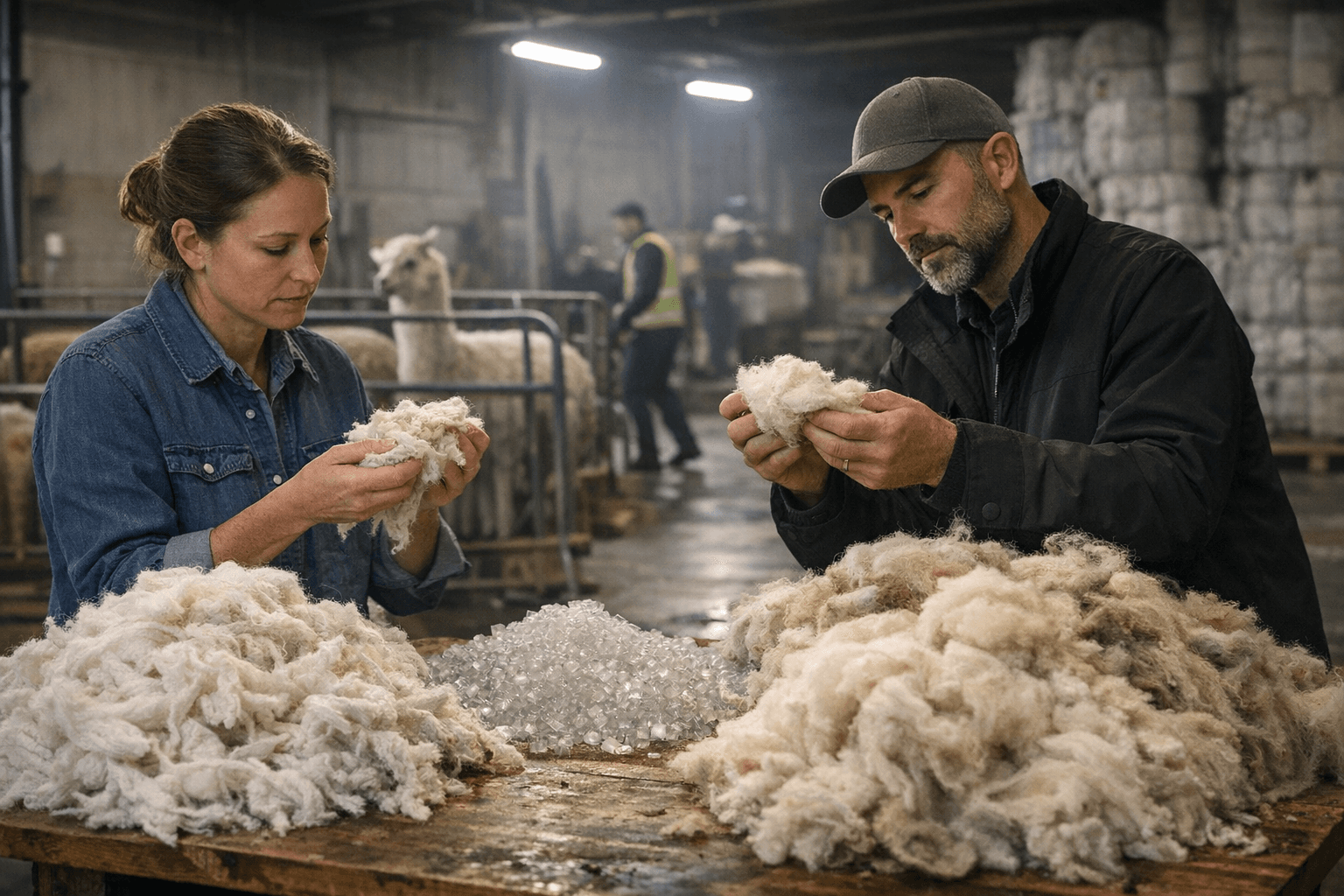
The standard is a significant structural overhaul. It consolidates three of Textile Exchange's most widely used certifications — the Global Recycled Standard, the Recycled Claims Standard, and the Responsible Animal Fibers framework covering wool, alpaca, and mohair — into a single, unified system. That consolidation matters because brands sourcing across multiple material categories previously had to navigate separate auditing protocols and certification bodies. MMS collapses that complexity into one coherent framework.
Ashley Gill, Chief Standards and Strategy Officer at Textile Exchange, framed the policy release as a clarifying moment rather than a technical exercise: "This is a key moment in the transition to the Materials Matter Standard. Publishing these policies provides organisations with the clarity they need to prepare for the shift toward a more unified, impact-driven standards system."
The rollout follows a staged timeline. The MMS becomes effective on December 31, 2026, meaning certification bodies can begin auditing eligible organizations from that date. Mandatory compliance kicks in exactly one year later, on December 31, 2027, when certification becomes a hard requirement for all entities previously covered under the superseded standards. Organizations can continue operating under GRS, RCS, and Responsible Animal Fibers in the interim, but the phase-out is scheduled and firm.
The standard's scope is deliberately upstream: it applies to raw material production and primary processing — farms, recyclers, and first-stage processors — rather than finished garments. That is Tier 4 of the supply chain, the level where material integrity is established before it travels downstream to mills, cut-and-sew factories, and the brands whose labels consumers actually see. The Claims and Labeling Policy then governs how that upstream certification translates into credible consumer-facing communication.
Textile Exchange began developing the MMS framework in 2021, running pilot testing across production regions from Peru to Italy before the final criteria were locked. Organic cotton, currently covered by the Organic Content Standard, will eventually join the MMS system through a gradual transition pathway designed to preserve traceability functions while the integration is built out.
The timing of this policy release is not incidental. European regulatory requirements around supply chain transparency and recycled content claims are tightening, and a consolidated, science-aligned standard gives brands a credible compliance pathway as those rules land. For sourcing teams already mapping their materials against incoming EU legislation, MMS certification is fast becoming less of a differentiator and more of a baseline expectation. With over two decades of standards infrastructure behind it, Textile Exchange has the institutional weight to hold the 2027 line.
This article was produced by Prism’s automated news system from verified source data, official records, and press releases, then run through automated quality and moderation checks before publishing. The system is built and supervised by the people who set the standards it runs under. Read our full AI policy.
Did this article answer your question?


