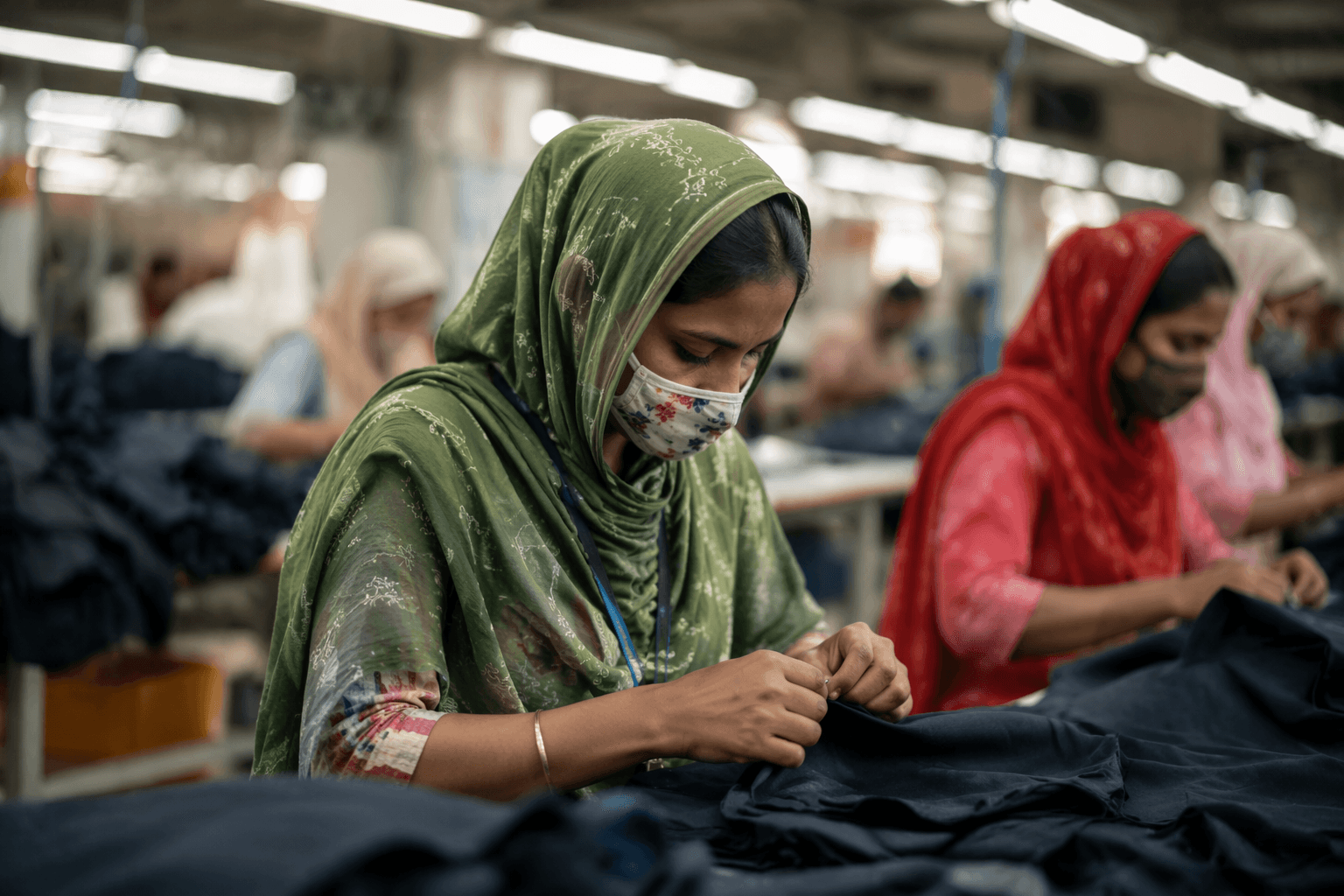
Theory turns seaweed-fed sheep into traceable low-carbon wool line
Theory turned a 2,000-sheep seaweed-feed pilot into a fully traceable RWS wool line, and Sea Forest says the trial cut methane about 43%.

Theory turned a seaweed-feed pilot across 2,000 Merino sheep into a fully traceable, RWS-certified low-carbon wool collection, with Sea Forest saying the trial cut methane by about 43%. The point is not just softer knitwear in a cleaner color story; it is whether a methane-cutting farm intervention can survive the trip from paddock to hanger with its paperwork intact.
Theory had already laid the groundwork with Good Wool, its fully traceable Australian Merino program sourced from an environmentally and socially responsible farm in Tasmania and woven at an eco-conscious mill in Biella, Italy. This new line layers Sea Forest’s SeaFeed supplement, made from red seaweed Asparagopsis, onto that existing chain, so the low-carbon claim is tied to a named feed input, a named flock, and a standard that follows the fiber all the way to the final B2B seller.
Textile Exchange defines the Responsible Wool Standard as a voluntary system that requires certification from wool farms through the final B2B seller and checks animal welfare, land management and social requirements. That matters because the industry is moving toward stricter documentation, not looser language: Textile Exchange released Materials Matter Standard criteria on Dec. 12, 2025, the framework becomes effective Dec. 31, 2026, and compliance turns mandatory on Dec. 31, 2027.
The science behind the seaweed pitch is older than this capsule. CSIRO says FutureFeed was established in August 2020 with Meat & Livestock Australia and James Cook University to commercialize seaweed-based livestock feed, and it puts enteric fermentation at around 5 percent of global greenhouse gas emissions and 11 percent of Australia’s total emissions from ruminant livestock. A 2024 University of New England paper on Merino sheep reported an 80 percent methane reduction under a controlled diet when Asparagopsis taxiformis made up 3 percent of organic matter, while noting grazing systems are a tougher practical problem.
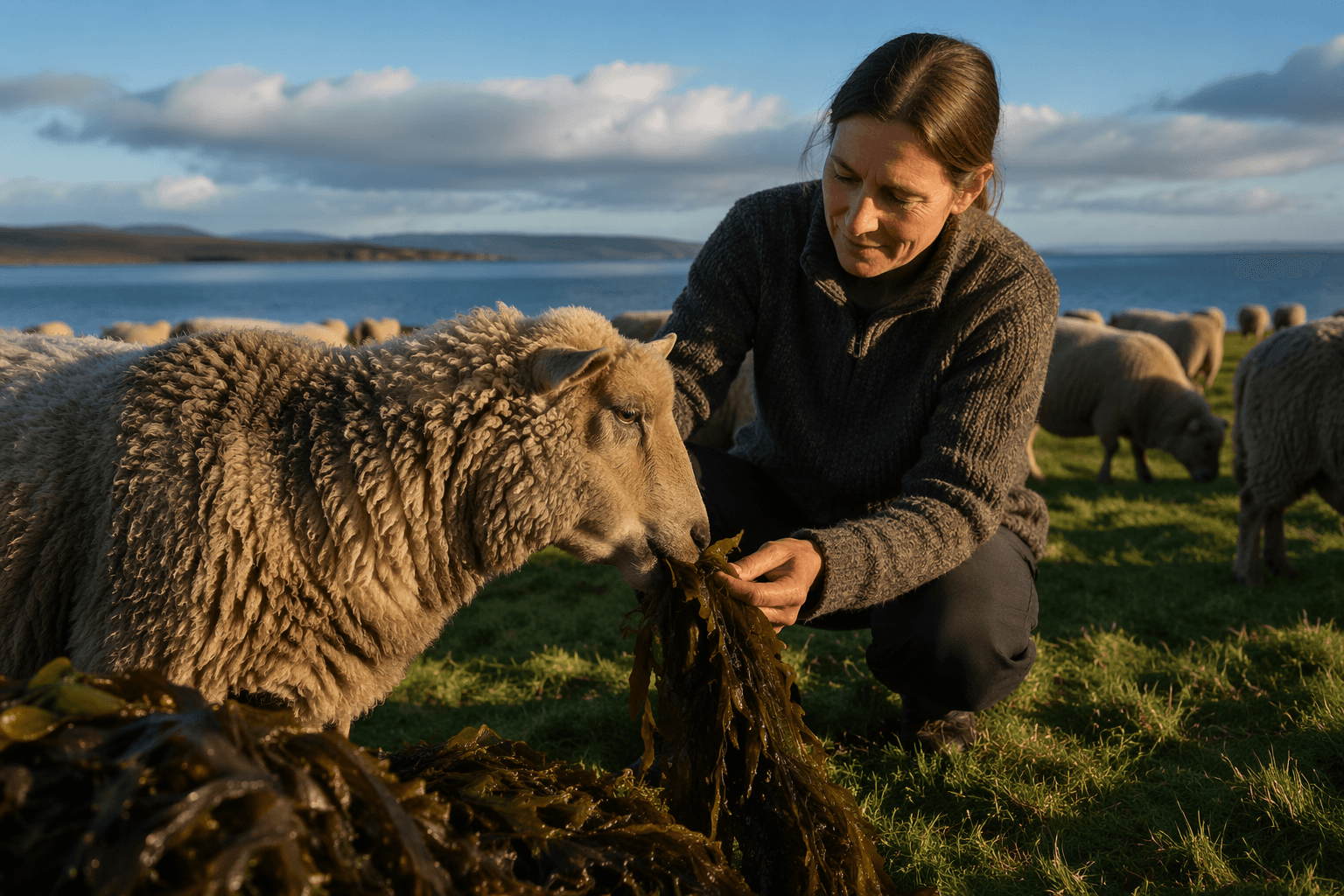
Sea Forest, which describes itself as a science-based environmental technology company, adds a credibility layer of its own. The company says it was a 2023 Earthshot Prize finalist and that its Triabunna, Tasmania facility holds FAMI-QS certification, the kind of operational detail that keeps this from reading like a moonshot and more like a supply-chain test. Woolmark’s AUD 34 million, two-year nature-positive roadmap, which spans biodiversity, sheep health, climate action and supply-chain work, shows the category is already spending real money to make wool less of an emissions liability.
If Theory can keep the fiber traceable, the feed documented and the methane cut repeatable, this stops being a one-off sustainability capsule and starts looking like a template for wool brands that still want luxury hand-feel without the carbon shrug.
This article was produced by Prism’s automated news system from verified source data, official records, and press releases, then run through automated quality and moderation checks before publishing. The system is built and supervised by the people who set the standards it runs under. Read our full AI policy.
Did this article answer your question?