UFLPA scrutiny deepens as enforcement gaps stall fashion sourcing reforms
UFLPA is no longer a headline rule, it is a sourcing filter. Blocked shipments, a slow-moving entity list, and new customs guidance are turning traceability into table stakes.
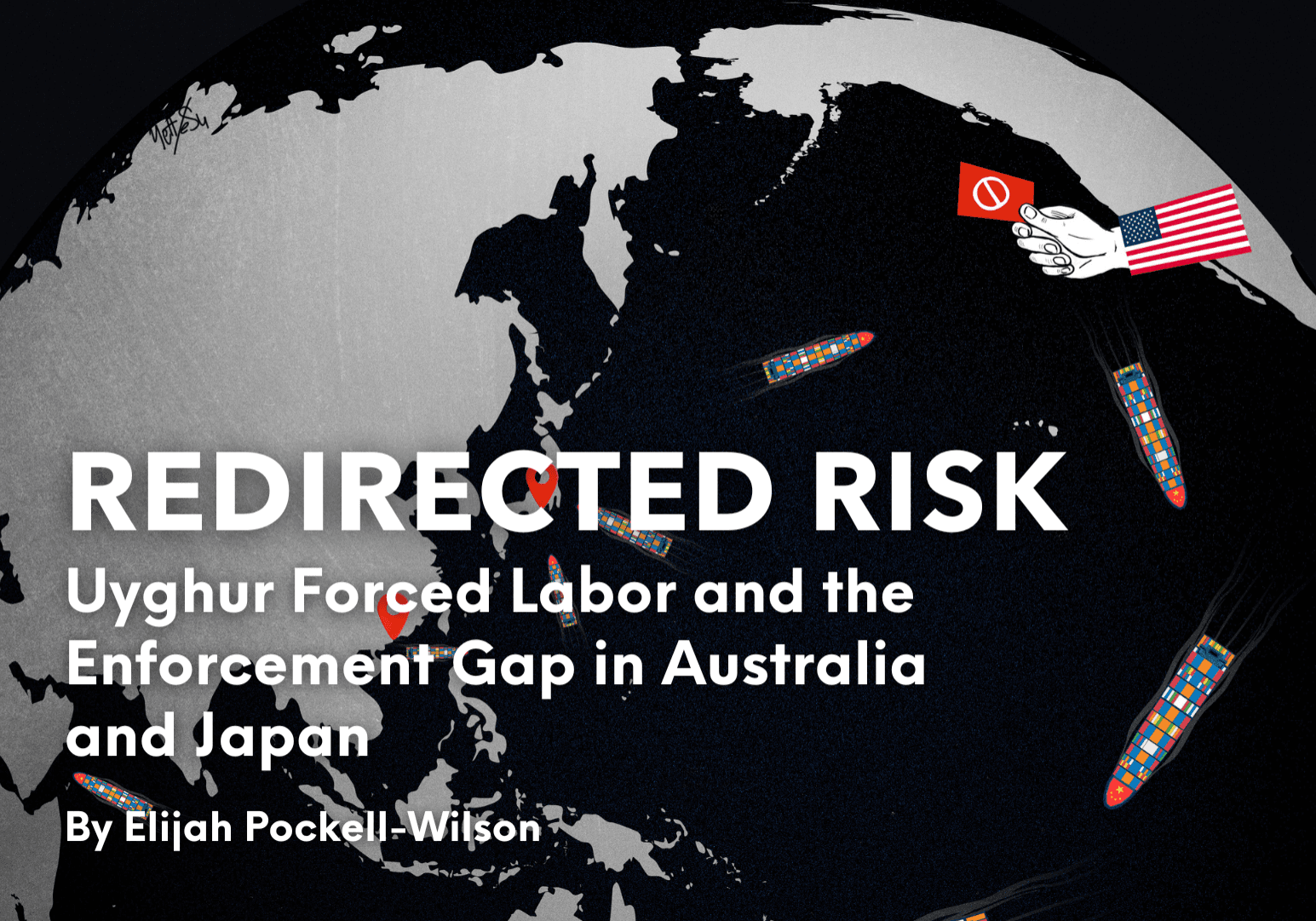
The UFLPA has stopped being a theory and started acting like a gate at the dock. Fashion brands now have to prove their goods were not made wholly or in part in Xinjiang or by a company on the UFLPA Entity List, and the scale of blocked and released shipments shows how quickly compliance can turn into a supply-chain choke point.
What the law really changed
Signed on December 23, 2021 and implemented on June 21, 2022, the Uyghur Forced Labor Prevention Act created a rebuttable presumption that goods mined, produced, or manufactured wholly or in part in Xinjiang, or by an entity on the UFLPA Entity List, are prohibited from U.S. importation. In plain fashion terms, that means the burden sits with importers, not customs officers, to document the story behind every bolt of fabric, every cut-and-sewn shirt, and every pair of shoes that passes through the supply chain.
U.S. Customs and Border Protection has also tried to make the rule easier to navigate, at least on paper. In 2026, it updated the UFLPA Enforcement Statistics Dashboard based on stakeholder feedback, adding the option to view shipment count or value, review commodities at the HTS-4 level, and see all countries of origin instead of only the top five. That sounds technical, but for brands tracking where a viscose dress, a cotton tee, or a leather accessory gets stuck, those changes matter.
Why the border is still the hardest fitting room
The enforcement numbers explain why the debate around the law is so tense. In October 2025, Women’s Wear Daily reported that CBP had prevented nearly 10,500 shipments valued at nearly $1 billion from entering the United States under the UFLPA. The same reporting said about 6,000 shipments worth almost $3 billion were released after review, which is exactly the kind of split that keeps sourcing teams awake at night: a shipment can be cleared, but only after delay, scrutiny, and working-capital pain.
That is the business consequence fashion feels first. A shipment held at the border can stall a seasonal delivery, blow up a launch calendar, or force a buyer to scramble for a backup mill. It also pushes brands to diversify suppliers faster, build cleaner documentation trails, and question how much of their “ethical sourcing” strategy is actually ready for customs review rather than just a sustainability report.
Some American trade groups argue the regime catches too many questionable shipments and creates business disruption. Other experts, in the same October 2025 WWD reporting, questioned whether the law has changed Beijing’s behavior at all. For fashion, the more immediate question is narrower: is this becoming a durable sourcing regime, or just a customs bottleneck that punishes anyone with a complicated supply chain?
The blacklist keeps moving
The UFLPA Entity List remains the most potent pressure point. The Department of Homeland Security published an updated list on January 15, 2025, adding three entities to one list, 35 to another, and one entity to both. WWD said the update added 37 companies total and brought the list to nearly 150 names, including Huafu Fashion Co. and 24 subsidiaries.
That matters because the list is not some abstract policy annex. It is the part of the system that can catch a supplier by name and ripple through everything downstream, from fabric sourcing to private-label production. WWD also noted that Huafu Textiles had already been cited in Australia Strategic Policy Institute’s 2020 report “Uyghurs for Sale” and a 2021 follow-up from Sheffield Hallam University, and that customers including Adidas, Abercrombie & Fitch, Lacoste, H&M and Zara dropped the supplier after earlier allegations. Once a supplier becomes entangled in that kind of scrutiny, even a diversified sourcing map can look fragile.
For brands trying to de-risk, that is the trap: diversifying away from one country or one mill is not enough if the upstream chain still ties back to a flagged entity. The polished language of resilience only holds if the paperwork can show where the fiber came from, who processed it, and how the goods moved before they reached a U.S. port.
This is no longer just a U.S.-China story
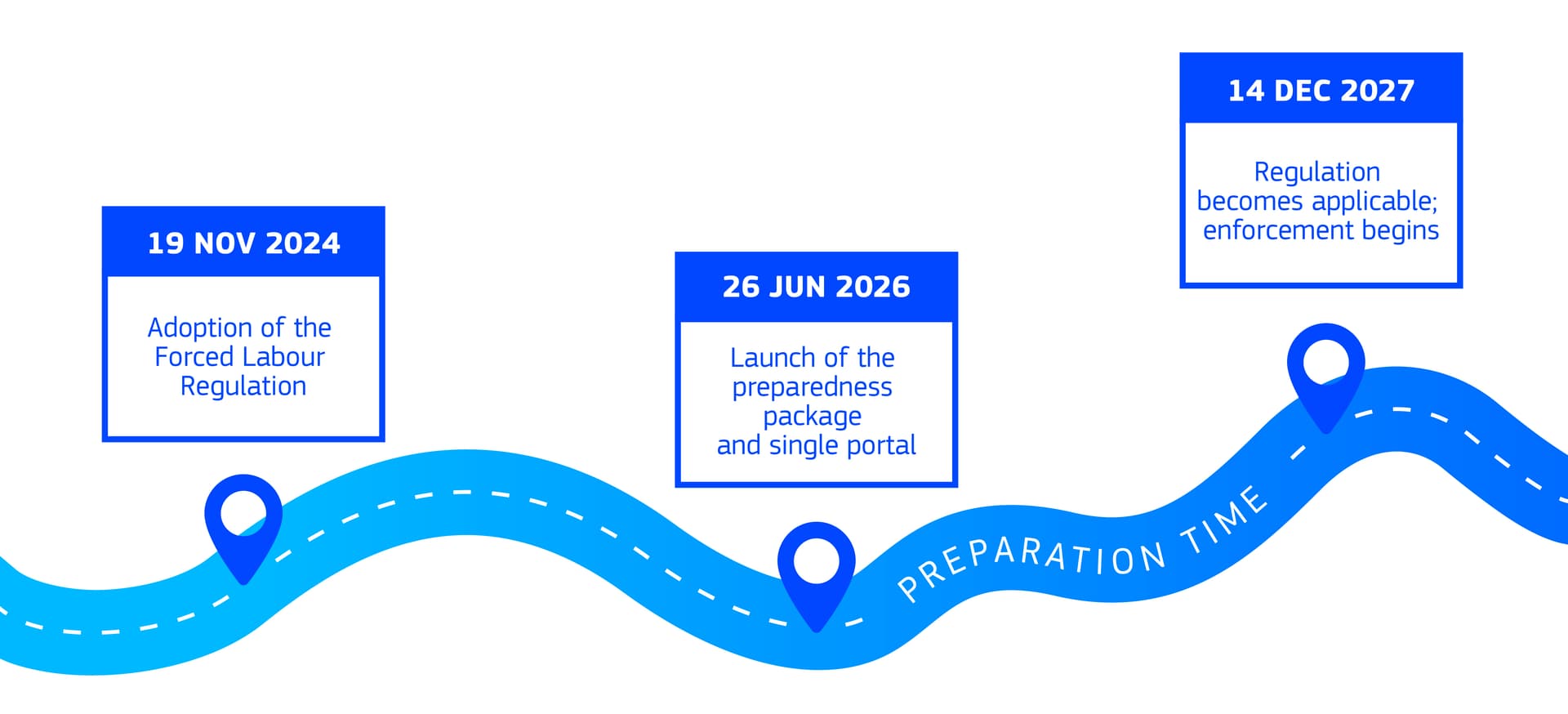
The broader rulebook is hardening elsewhere too. The European Union adopted its Forced Labour Regulation in November 2024, and the EU says it bans products made with forced labour from the market. Secondary reporting says the ban is expected to apply from December 14, 2027. That gives brands a runway, but not much of one, especially for supply chains that already depend on the same documentation discipline the UFLPA demands.
Canada also moved again on June 12, 2026, when it introduced legislation to strengthen its forced-labor import ban. That ban dates to July 2020 and was created to meet CUSMA obligations, which makes it part of a wider trade architecture rather than a standalone moral statement. Mexico’s forced-labor import ban has been in effect since May 18, 2023. Taken together, those rules point in the same direction: forced-labor screening is becoming a normal part of how goods move, not an exceptional headache confined to one border.
The most useful reading of that shift comes from the Center for Strategic and International Studies, which said the UFLPA sits within a broader evolution in forced-labor policymaking. CSIS argued that Xinjiang’s pervasive forced labor, paired with weak environmental enforcement and subsidies, creates artificially deflated prices and an unfair playing field for U.S. and international companies. It also warned against a narrow test of success, saying it is a misconception to judge import bans only by whether they end forced labor immediately.
What brands need now
CBP’s newest importer guidance, released on June 12, 2026, shows the government is trying to make compliance more usable. The consolidated Forced Labor Enforcement Operational Guidance for Importers covers UFLPA, CAATSA, and WRO/Finding actions, and it includes process maps, documentation guidance, and sample notices. That is a practical signal: the government is not just blocking goods, it is standardizing the paperwork brands need if they want those goods to move.
For fashion, the response has to be operational, not rhetorical. The winning playbook now looks like this:
- map suppliers beyond the tier-one factory and into yarn, fiber, and finishing
- keep origin documents ready before goods leave port, not after they are detained
- stress-test backups for any supplier or region that could trigger a UFLPA review
- treat traceability as part of product development, alongside fabric hand and margin
The aesthetic of this moment is less runway fantasy than logistics discipline. Brands that want to keep shipping into the United States, Europe, Canada, and Mexico will need cleaner records, tighter sourcing maps, and faster proof. In luxury and mass market alike, the future of responsible fashion is being written at customs.
This article was produced by Prism’s automated news system from verified source data, official records, and press releases, then run through automated quality and moderation checks before publishing. The system is built and supervised by the people who set the standards it runs under. Read our full AI policy.
Did this article answer your question?