UK Retailers Demand Faster End to Shein's De Minimis Parcel Tax Loophole
Currys and Primark owner ABF join the British Retail Consortium in demanding the UK scrap its £135 duty-free parcel loophole before 2029, as Shein ships 1.6 million parcels a day duty-free.
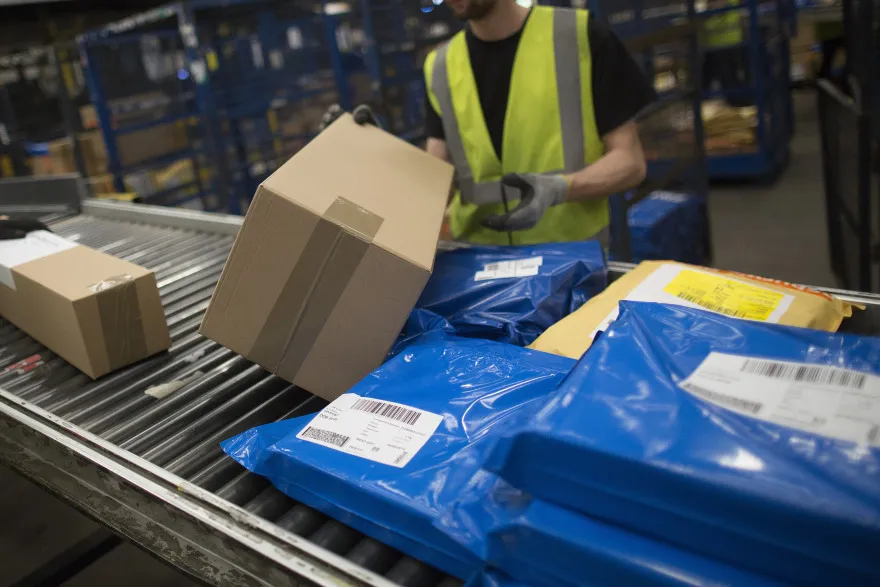
Currys Plc and Associated British Foods, Primark's parent company, together with the British Retail Consortium, are pressing Prime Minister Keir Starmer's government to remove the de minimis duty exemption that allows goods valued at £135 or less to be imported into the UK without customs duty before its current March 2029 deadline. The coalition argues that ultra-low-cost platforms like Shein and Temu have built their UK market dominance on the back of a loophole that British retailers simply cannot access.
UK retailers have been squeezed by rapidly growing ultra-low-cost platforms like AliExpress, Shein, Temu, and Amazon Haul, which ship packages directly from factories in China to shoppers' doorsteps, benefiting from the customs waiver on parcels worth less than £135. The scale is staggering: British Retail Consortium chief executive Helen Dickinson has cited government figures showing that 1.6 million parcels are taking advantage of the exemption every day, twice as many as last year, and major British retailers including Next, Sainsbury's, Currys, JD Sports, and Superdry have lobbied the government to close the loophole, arguing it distorts competition and costs the UK industry up to £600 million annually.
The UK is already committed to change, but not fast enough for the retail sector. Following a review, HM Treasury confirmed it will eliminate the de minimis benefit, but not until at least March 2029. That timeline puts Britain conspicuously behind its trading partners. The United States, the biggest market for Shein and Temu, already ended its customs waiver on parcels worth less than $800, scrapping it for imports from China and Hong Kong in May before removing it across the board in August. The early results are hard to ignore: since the de minimis exemption was abolished in the US, the number of parcels worth less than $800 coming in has fallen by 54%.
The EU moved with similar urgency. On 11 February 2026, the Council of the European Union gave final legislative approval to new small-parcel customs duty rules, confirming that from 1 July 2026, a flat-rate customs duty of €3 per parcel will apply to low-value consignments entering the EU. The rule change was originally expected in 2028 but was accelerated, with EU Trade Commissioner Maroš Šefčovič stressing that the original 2028 timetable was "incompatible with the urgency of the situation."
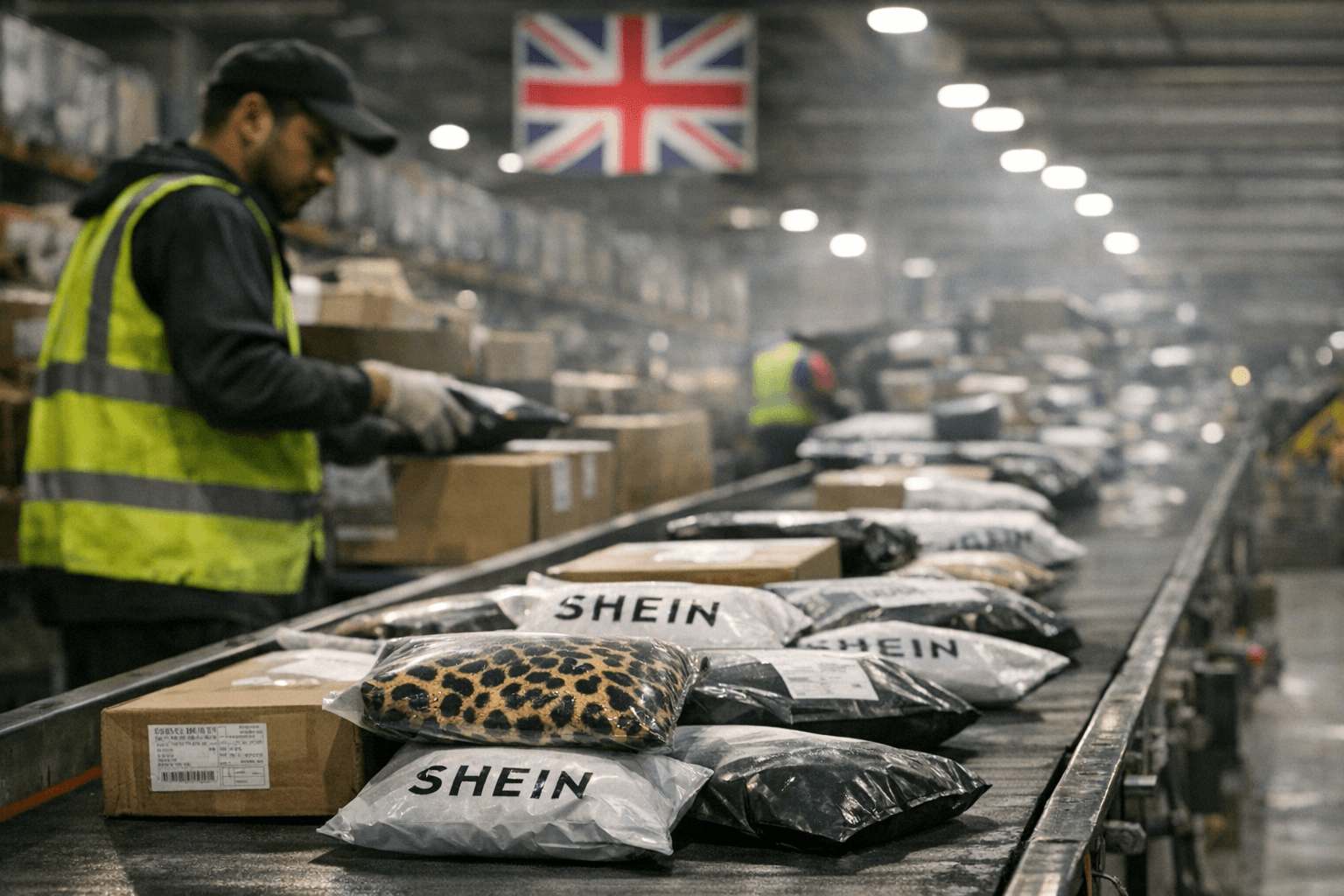
That contrast in political will is precisely what British retailers are holding up as evidence. Under current UK rules, parcels worth £135 or less avoid customs duty through a simplified import process, though VAT is usually collected by the overseas retailer at the point of sale; critics argue the exemption has given overseas retailers a pricing advantage and allowed potentially non-compliant products to enter the market. Retailers argue that platforms like Temu and Shein leverage the exemption to ship millions of low-value parcels into the UK each day, often without meeting British environmental, ethical, or consumer safety standards, while UK retailers pay full VAT and import taxes.
Helen Dickinson called the government's review of the loophole "most welcome," emphasising that it could prevent the UK from becoming a dumping ground for substandard goods in the wake of global trade turmoil. Business and Trade Secretary Jonathan Reynolds echoed this position, promising "urgent steps to deliver quicker protections" for domestic firms. Whether those words translate into an accelerated legislative timetable is the question retailers are now forcing into the open. A 2029 end date, in a market where 1.6 million duty-free parcels land every single day, is not a policy position built for the pace of fast fashion.
Know something we missed? Have a correction or additional information?
Submit a Tip