Shein Opens Its Supply Chain to Brands, but Sustainability Questions Linger
Shein's Xcelerator program gives brands 5-7 day production and global logistics access — but the sustainability and labor questions that haunt its own supply chain don't disappear just because another label's name is on the tag.
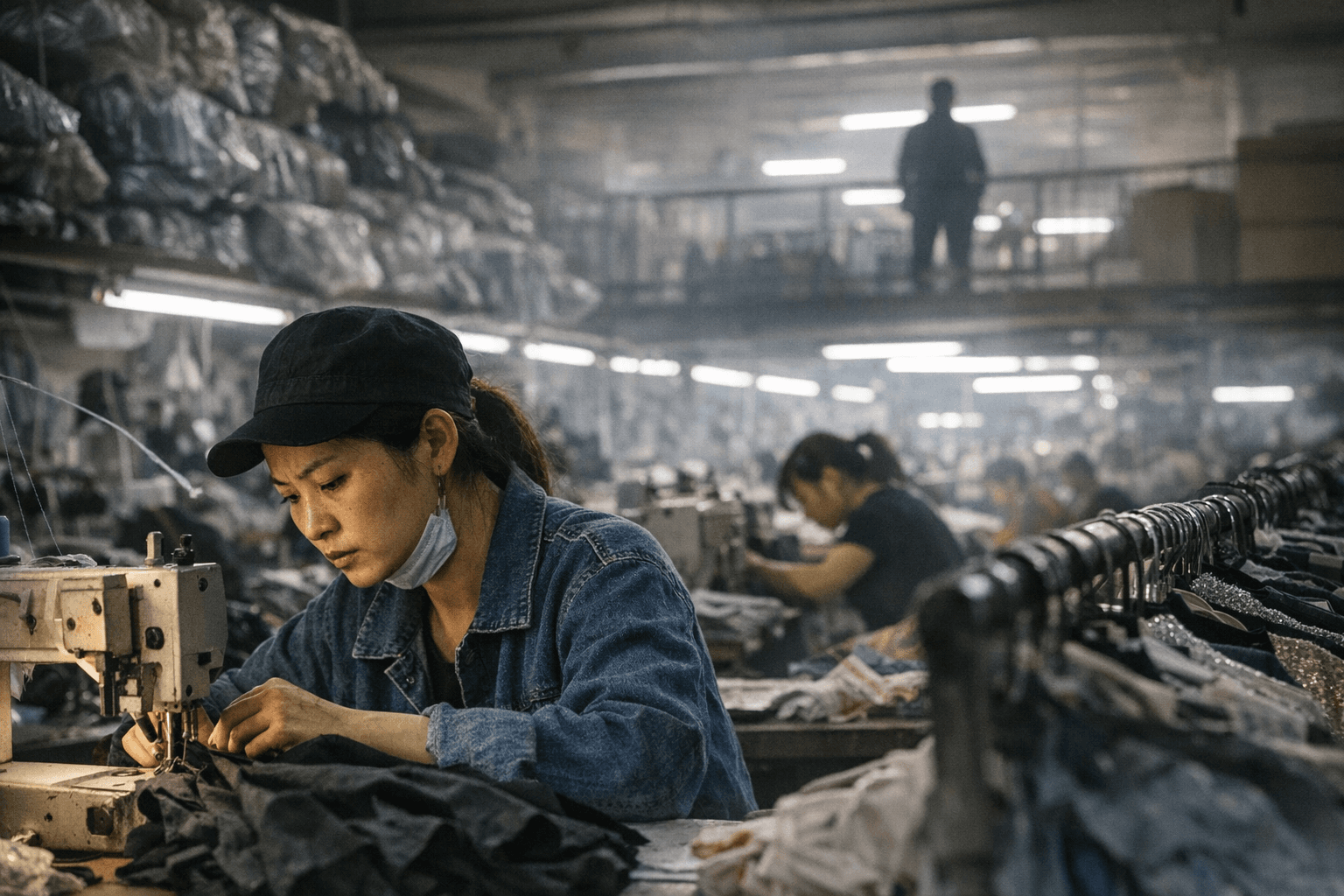
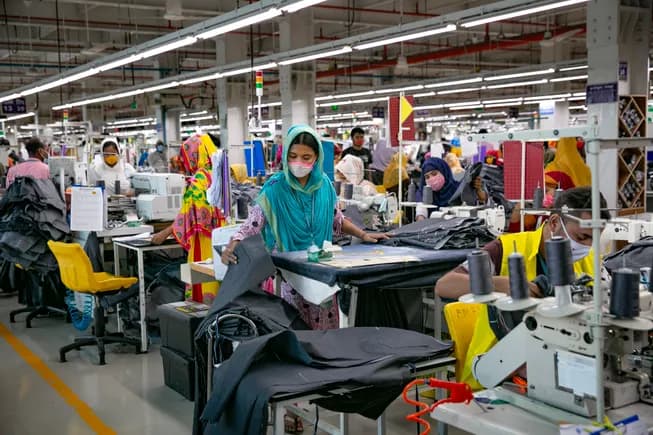
Shein's supply chain is arguably the most envied operational weapon in fashion. It can move from design to prototype to retail in under a week, making it one of the fastest systems in the global fashion industry. Now Shein wants to rent it out. The company has opened that infrastructure to outside brands through a program called Xcelerator, positioning one of fast fashion's most controversial supply chains as a commercial service. The pitch is operationally compelling. The sustainability questions it raises are considerably harder to answer.
What Xcelerator Actually Offers
Through its Xcelerator programme, the Chinese e-retail giant has opened its on-demand production, logistics and e-commerce platform to outside labels. The programme allows brands to use Shein's network of factories, which can produce designs in five to seven days, and participating brands can access development, warehousing, sales, and order fulfillment at a low, scalable cost.
The mechanics are designed to strip out inventory risk, which is the number that keeps small-brand founders awake at night. The program offers access to a world-class, on-demand supply chain that minimizes production waste and excess inventory. Brands retain creative control over their collections while using Shein's backend to produce in smaller batches, test demand in real time, and quickly reorder winning styles. Through Shein's global logistics and fulfillment network, participating brands can reach customers in 160+ countries.
There is one firm condition attached. Other fashion brands can tap on the fast-fashion retailer's supply chain, which includes factories that can turn around new designs in 5-7 days, as long as they open a store on its online marketplace. The main condition is that every participating brand must open a store on Shein's marketplace, which ensures that Shein controls the retail interface while also increasing product variety, traffic, and potential commission revenues within its platform.
The Business Case: Why Shein Built This
Shein Group Ltd. has begun offering other fashion brands access to its apparel manufacturing network in China as a service, as it seeks new revenue streams amid pressure on its retail business from US tariffs. US tariffs and the removal of the de minimis exemption have impacted Shein's ability to ship low-cost products, prompting the company to explore new business models.
In response to queries from Bloomberg News, a Shein spokesperson said that its new program is called Xcelerator, and is aimed at helping brands "overcome value-chain challenges by offering direct-to-consumer services, on-demand production, and global sales access to scale their creativity worldwide." By monetizing its industrial and logistical capabilities beyond its own catalog, the company aims to diversify its revenue streams, strengthen its resilience, and reduce its dependency on a volatile global trade environment.
In addition to mounting external operational challenges, Shein has faced significant hurdles in its push for an initial public offering. Its original plan to list in the US was shelved amid scrutiny over supply chain and labor practices. The company later explored a UK listing before settling on Hong Kong, where it has confidentially submitted a draft prospectus. Xcelerator, in that context, isn't just a revenue play. It's a proof-of-concept that Shein's supply chain has value beyond its own label.
Who's In — and What It's Worth
The programme currently features around 20 brands, including French fashion label Pimkie. Missguided is also among the participants. The founder of Missguided relaunched it under SUMWON in 2023. By leveraging Shein's supply chain service, the brand now launches more SKUs with less inventory, reacts in real time, and operates far more efficiently. As a result, Missguided is on track to hit $250M in online revenue within 24 months, matching its original peak with a leaner model.
The program is structured as a joint venture, and aims to help both legacy fashion brands and emerging designers scale digitally and expand internationally while maintaining control over their IP. For Pimkie, the rationale was explicit: the brand cited the U.S., Canada and Brazil as target markets, and noted it was not scaling back its physical retail network, having opened 20 new stores in one year with more planned in 2026. Xcelerator is the digital growth layer added on top.
Shein reports roughly $400 million in combined revenue from participants so far — a figure that signals real traction, though the accounting definition of that number (whether gross transaction volume, net revenue, or combined participant sales) has not been independently clarified.
The Sustainability Problem No One Has Answered
Here is where the story gets complicated, and where any brand considering Xcelerator needs to think clearly. The infrastructure on offer is Shein's own, and that infrastructure carries a documented sustainability and labor record that is difficult to separate from the product being sold.
Shein's 2023 Sustainability Report shows that total greenhouse gas emissions rose from 9.17 million metric tons of CO₂e in 2022 to 16.68 Mt CO₂e in 2023, an 81% increase in just one year. According to Shein's own sustainability report, transportation accounts for 38 percent of its climate footprint, while the remaining 61 percent stems from its supply chain. Xcelerator brands would be producing within that same system.
Shein has faced criticism over labor and sustainability practices, and extending its network to external brands increases pressure to maintain quality control and ethical standards across shared facilities. In third-party audits conducted on over 3,000 suppliers, 71 percent received a grade of "C" or lower on Shein's internal scale, indicating significant room for improvement despite the company's claims of conducting thousands of supplier checks annually.
The labor questions are equally unresolved at the regulatory level. In a January 2025 parliamentary session, Shein's General Counsel for Europe, the Middle East, and Africa faced tough questions from UK lawmakers about whether Shein uses cotton sourced from Xinjiang, a region linked to forced labor practices involving the Uyghur population. Instead of offering transparent answers, the representative repeatedly avoided confirming or denying the company's use of Xinjiang cotton. This drew sharp criticism from committee Chair Liam Byrne, who stated, "You've given us almost zero confidence in the integrity of your supply chains."
That earned the consternation of local industry groups, who fear that fashion brands struggling due to Shein's rapid expansion will have no choice but to turn to the Xcelerator program to stay competitive, and consequently move more production out of Europe.
The Competitive Logic vs. the Reputational Risk
Xcelerator is likely to be popular with brands, particularly those competing directly with Shein, since the retailer's on-demand manufacturing model has been central to its success. Short turnaround times of as little as 5 to 7 days will allow brands to get new styles to shoppers faster, while the ability to test products in smaller runs could reduce waste and give companies more room to experiment.
Sharing the same production infrastructure may blur product uniqueness, raising concerns about commoditization and reduced brand identity. And then there is the reputational proximity problem: a brand that builds its identity on ethical sourcing or premium positioning takes on genuine risk by associating its production with a supply chain that has faced this level of scrutiny.
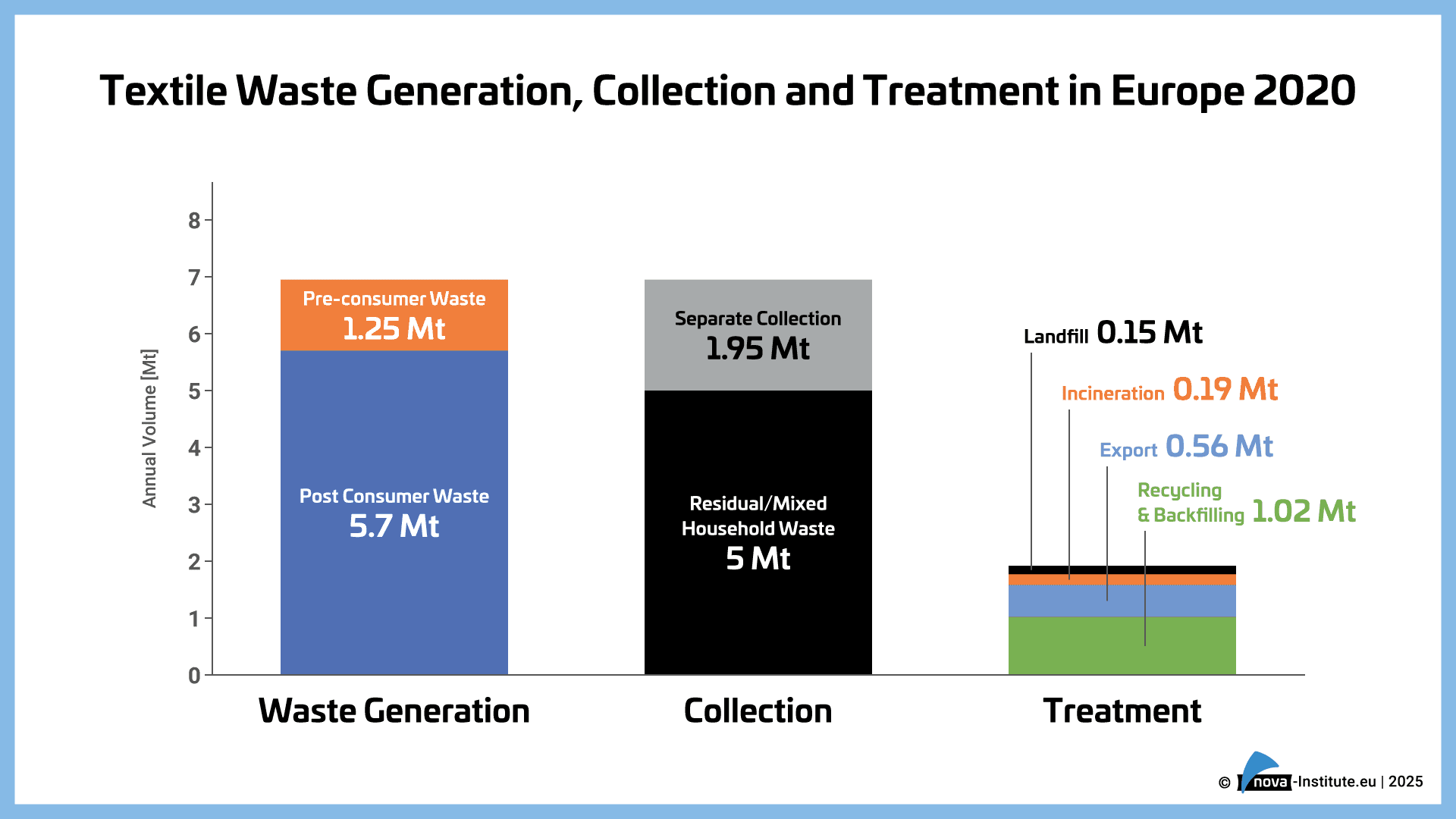
While Shein touts its AI-driven "on-demand" model as a waste-reduction strategy, critics argue it merely fuels overproduction and overconsumption. Sheng Lu, a professor of fashion and apparel studies at the University of Delaware, explained that the company's approach ensures more market-popular items are made but simultaneously encourages consumers to purchase more than ever before. "Of course, the overall carbon impact will be higher," Lu noted.
What Brands Should Ask Before Signing
The operational case for Xcelerator is real. Five-to-seven-day production, global fulfillment across 160+ countries, and dramatically reduced inventory risk are genuine advantages that most brands cannot replicate independently. For a struggling label or an emerging designer, the value proposition is hard to dismiss.
But the contract terms, fee structure, and sustainability requirements attached to Xcelerator participation have not been publicly disclosed. Key questions remain open: whether participant brands are subject to any independent labor audits of the factories they use, whether there is a revenue-sharing mechanism on that $400 million figure, and whether Shein's marketplace obligation creates data-sharing obligations that could compromise brand positioning long-term.
Brands joining Xcelerator must operate within Shein's marketplace, potentially giving Shein access to sensitive brand and customer data as part of the arrangement. That is a consideration well beyond sustainability.
Experts argue that true impact requires slowing down production and rethinking the fast fashion model altogether — which is precisely the opposite of what Xcelerator is designed to do. For brands that have spent years building a sustainability story, plugging into a system with Shein's environmental record is not a neutral operational decision. The tag on the garment may say your name. The factory that made it still belongs to Shein.
This article was produced by Prism’s automated news system from verified source data, official records, and press releases, then run through automated quality and moderation checks before publishing. The system is built and supervised by the people who set the standards it runs under. Read our full AI policy.
Did this article answer your question?