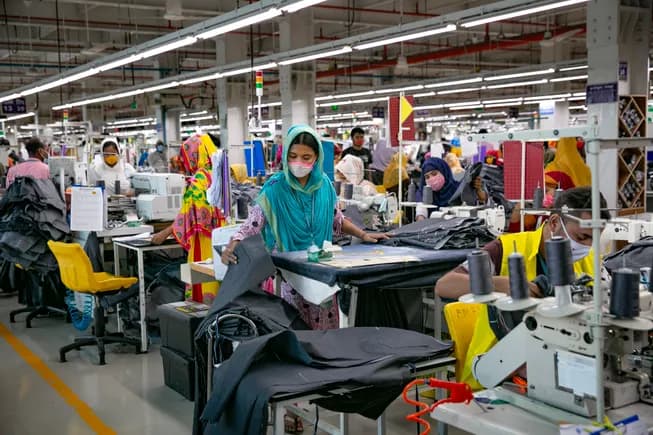
U.S. SBA Announces 'Made in America' Loan Guarantee To Boost Manufacturing (90% Guarantee)
The SBA's new 90% loan guarantee, available May 1, could finally unlock capital for domestic textile recycling and water-saving dye technology — but fashion's reshoring story is more complicated.
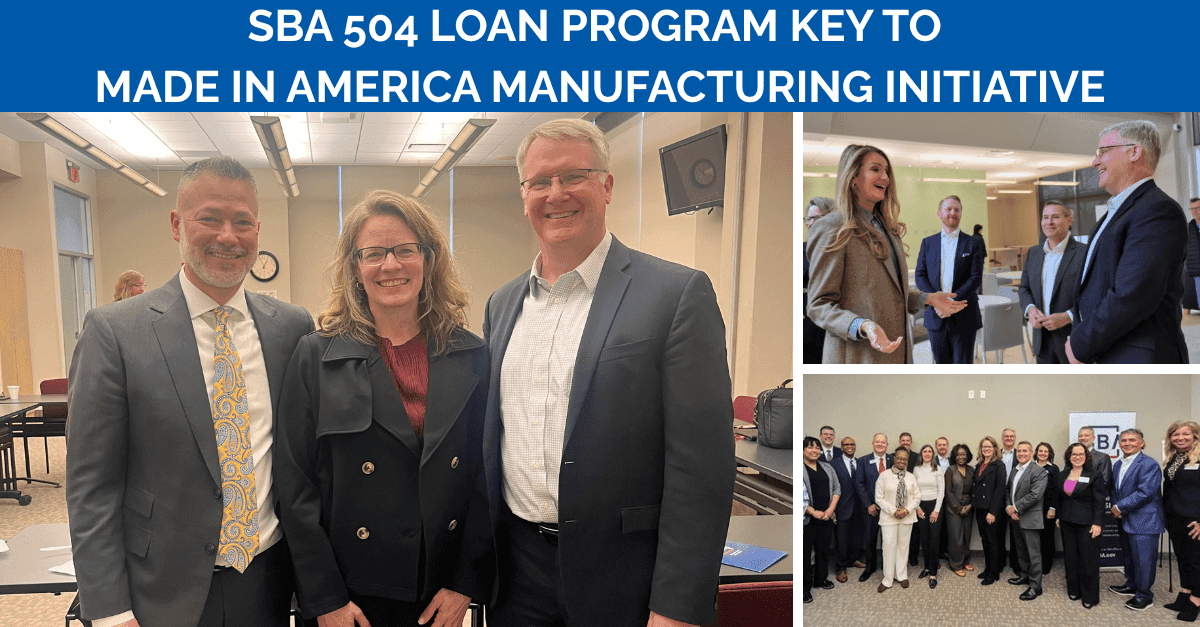
A 15-percentage-point swing in a federal loan guarantee might not sound like a runway moment, but for small American textile and apparel manufacturers, the math could matter. The U.S. Small Business Administration announced on March 31 that it was raising the federal guarantee on loans issued through its International Trade Loan program from the standard 75% to 90%, under a new initiative it is calling the "Made in America Loan Guarantee." Eligible borrowers can begin accessing the enhanced terms starting May 1.
The loans are designed to help manufacturers expand facilities, hire workers, and increase production, as part of the Trump Administration's broader effort to rebuild domestic industrial capacity. In practical terms, the higher guarantee reduces lender risk, which is the persistent friction point that keeps capital out of small-batch domestic production: a bank that absorbs only 10 cents on the dollar of default risk is considerably more willing to finance a new automated cutting line or a water-saving dye system than one carrying 25 cents of exposure.
The SBA also recently broadened ITL eligibility beyond its previous scope, extending the program to small businesses across additional sectors. The agency has been layering incentives throughout the fiscal year: it waived most upfront fees for small manufacturers in fiscal year 2026 and established the first loan program dedicated exclusively to American manufacturers, alongside the launch of its Make Onshoring Great Again Portal, a free tool designed to connect businesses seeking domestic supply chain partners.
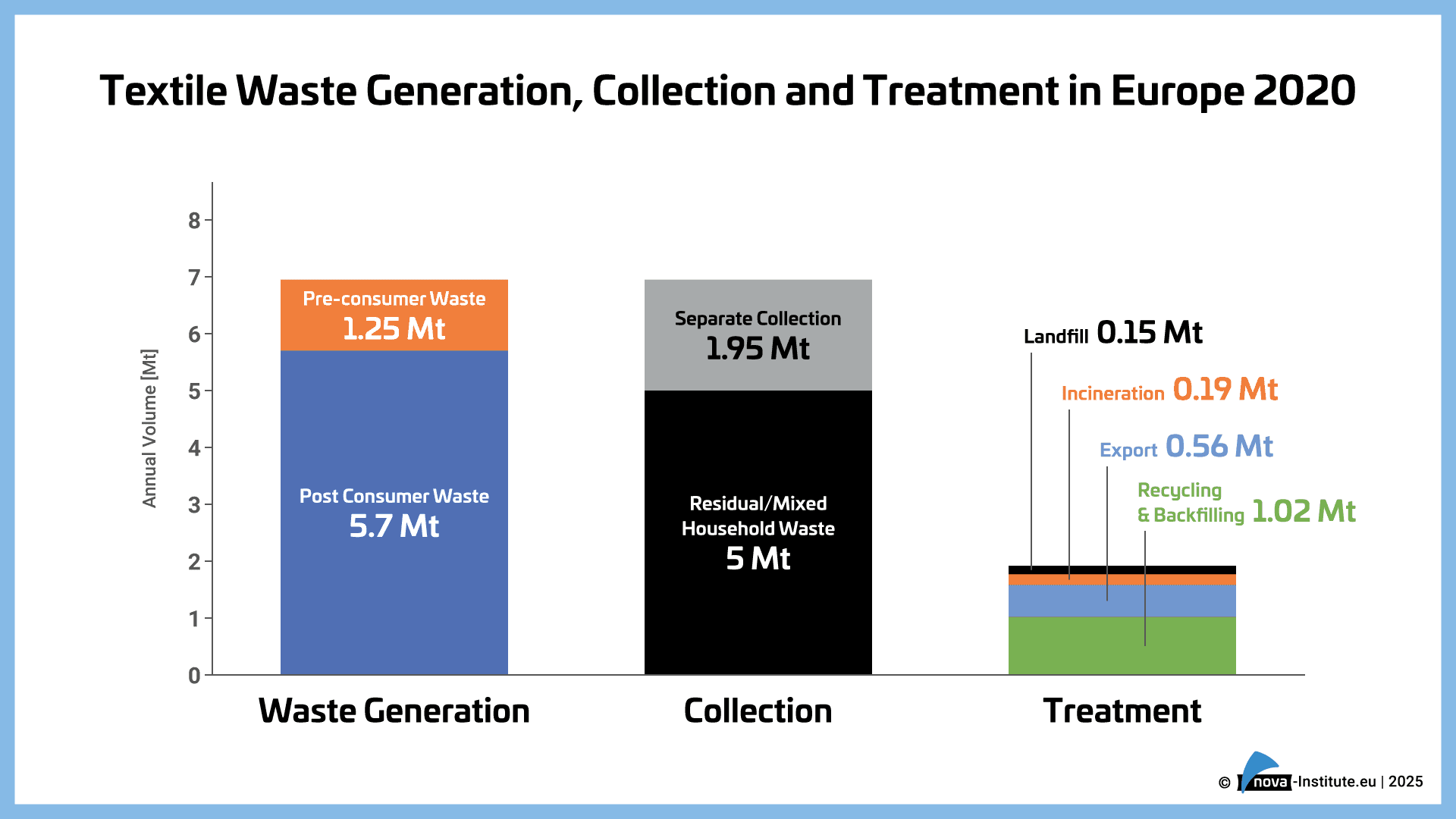
For the sustainable fashion industry specifically, the financing window is worth watching. The capital barriers that have historically blocked investment in textile recycling infrastructure, closed-loop dyeing systems, and domestically grown natural fiber processing are exactly the kind of high-upfront-cost, long-payback projects that commercial lenders have been reluctant to finance without federal backing. A 90% guarantee changes that calculus.
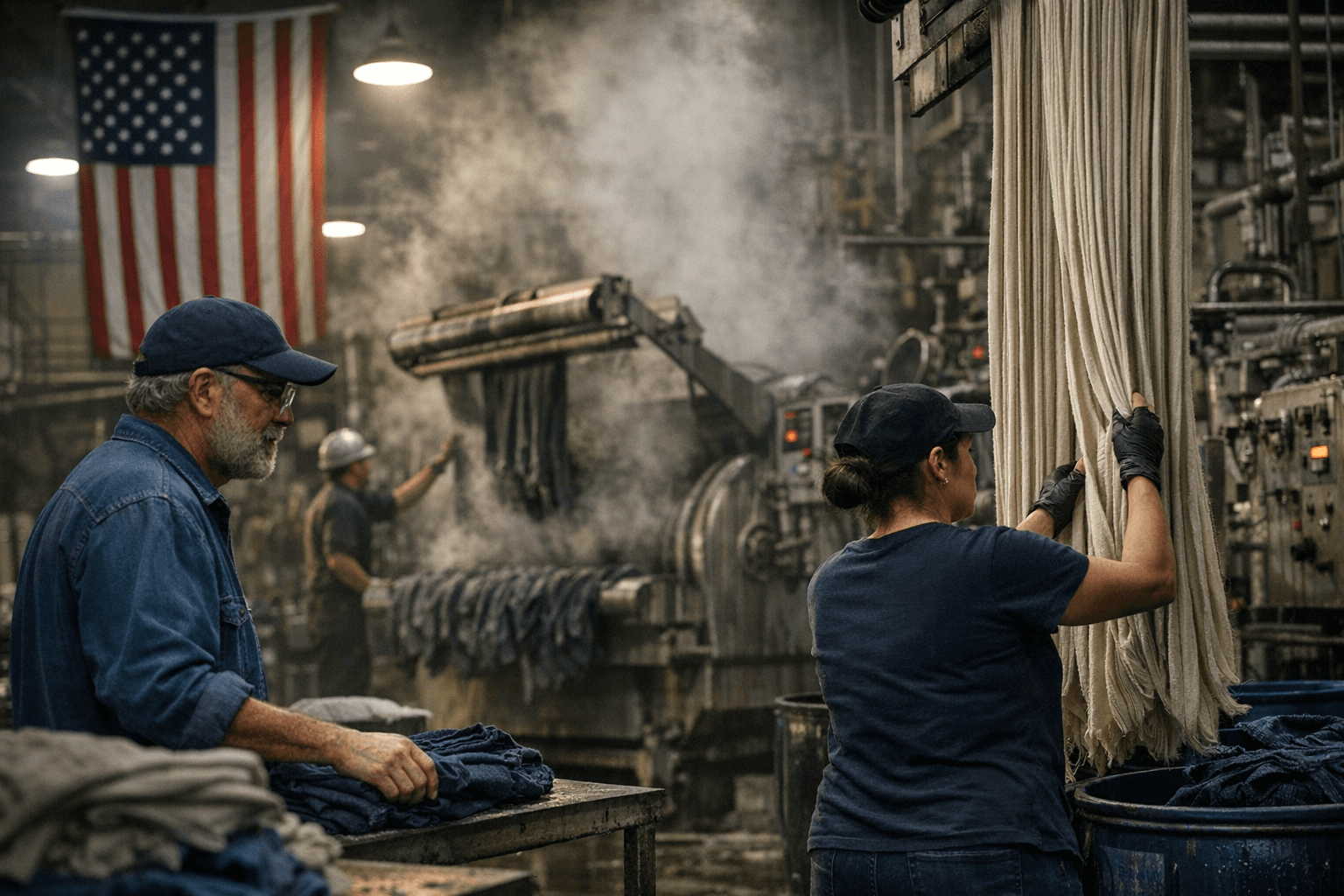
The harder question is whether manufacturers will move at all. The U.S. Fashion Industry Association's 2025 benchmarking study found "no clear evidence" that the Trump Administration's tariff policy had successfully encouraged fashion companies to increase domestic sourcing of made-in-USA textile and apparel products or to expand sourcing from the Western Hemisphere. At the time of the study, just 44% of the 25 leading brands and retailers surveyed said they planned to expand sourcing from the Western Hemisphere, and only 17% said they planned to source more goods from the U.S. itself.
Those numbers reflect structural realities that a loan guarantee alone cannot fix. Skilled sewers and pattern-makers remain scarce in most American markets. Energy costs for domestic dyehouses run significantly higher than those in major producing countries. And lead times from a reshored supply chain, even a well-capitalized one, don't yet compete with the speed of established Asian networks.
What the SBA program does do is remove one genuine obstacle: access to affordable capital. For the small sustainable brands and fabric mills that have been manufacturing domestically all along, and have the infrastructure to scale, May 1 represents a meaningful new tool. The question of whether the broader industry follows is one the loan guarantee cannot answer on its own.
This article was produced by Prism’s automated news system from verified source data, official records, and press releases, then run through automated quality and moderation checks before publishing. The system is built and supervised by the people who set the standards it runs under. Read our full AI policy.
Did this article answer your question?