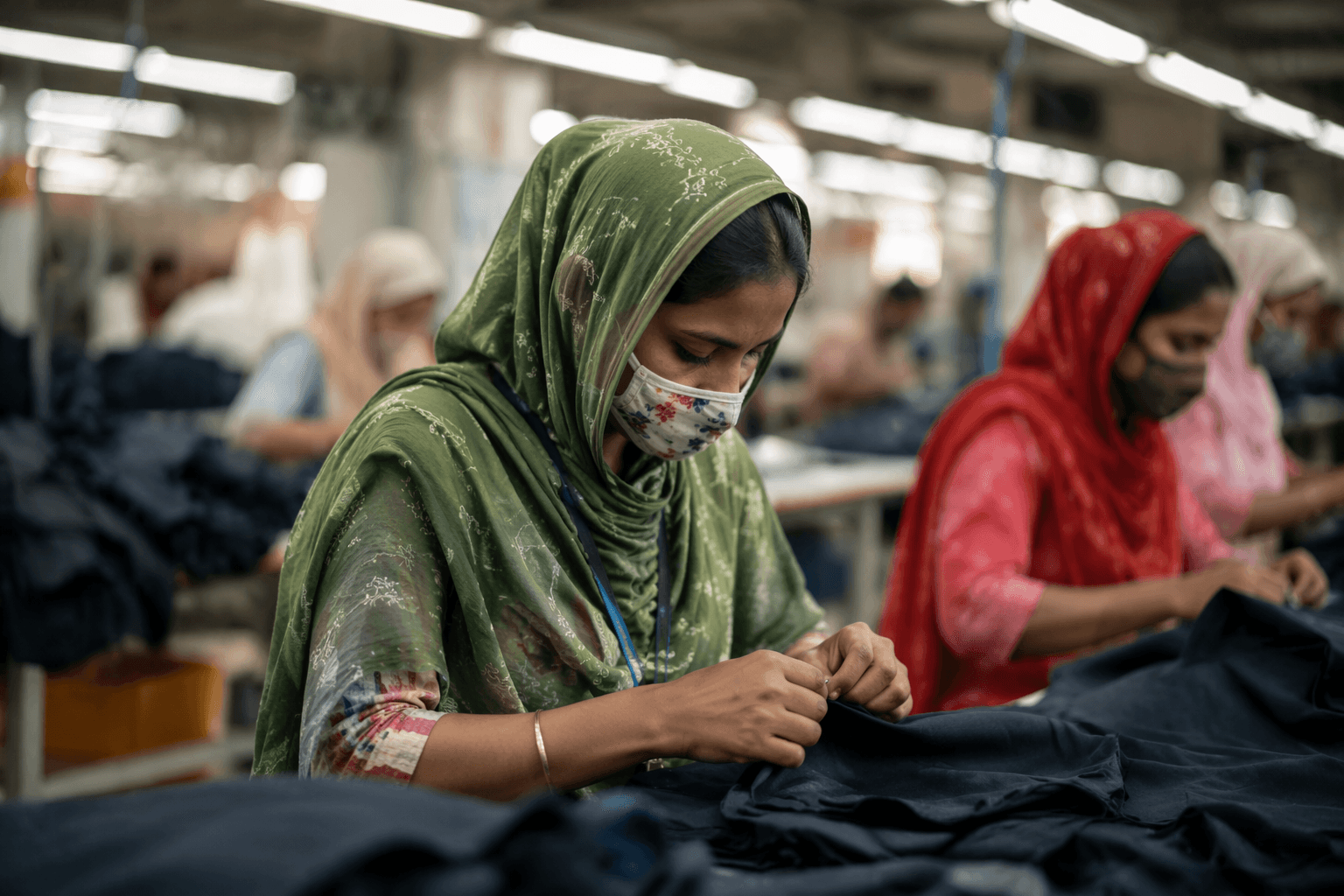
World Cup merchandise faces EU ban on destroying unsold clothes
World Cup merch is hitting the EU’s new no-destruction rule just as FIFA’s store fills with 2026 gear. Unsold stock now needs resale, donation or take-back.
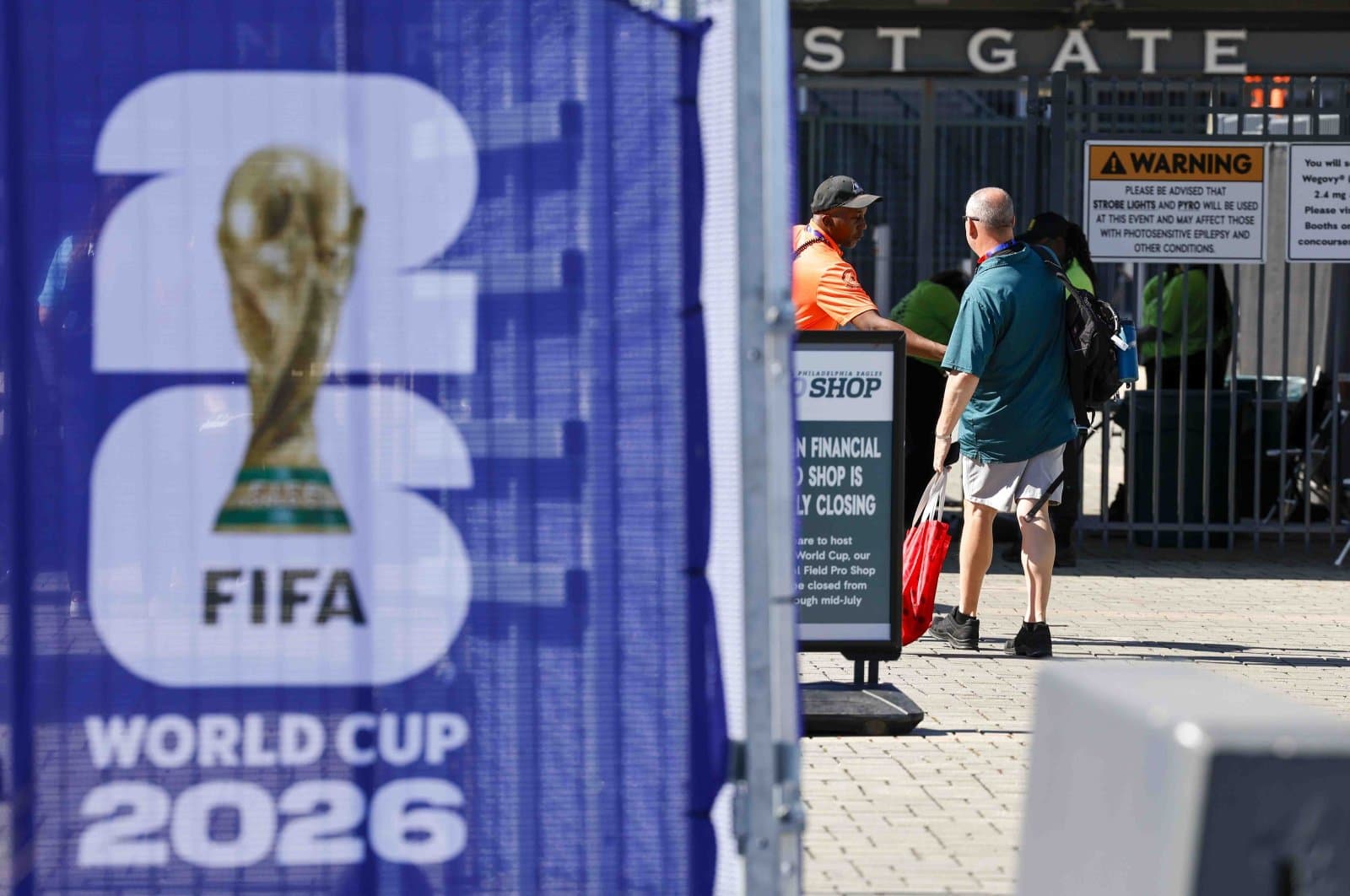
The European Commission’s ban on destroying unsold clothes, shoes and accessories starts on 19 July 2026 for large companies, and World Cup merchandise is arriving just in time to test it. FIFA’s official store is already selling World Cup 2026 products, including host-city items, accessories and mascot merchandise, with hundreds of pieces live ahead of the tournament. Once the buzz cools, the old answer to leftover stock, destruction, is no longer the easy way out.
The rule sits inside the Ecodesign for Sustainable Products Regulation, adopted as Regulation (EU) 2024/1781 on 13 June 2024, with the Commission’s measures adopted on 9 February 2026. Large companies face the destruction ban first, medium-sized companies follow in 2030, and disclosure rules on unsold consumer products begin in February 2027. That timeline matters because event merch is built on a narrow window: hit the moment, or sit on the pile.
The Commission says the stakes are already ugly. In Europe, an estimated 4% to 9% of unsold textiles are destroyed before ever being worn, and that waste generates around 5.6 million tonnes of CO2 emissions a year. For a category built on logos, dates and tournament heat, that is exactly the wrong business model. If a shirt is only hot while the match is on, then forecasting has to get sharper, not lazier.
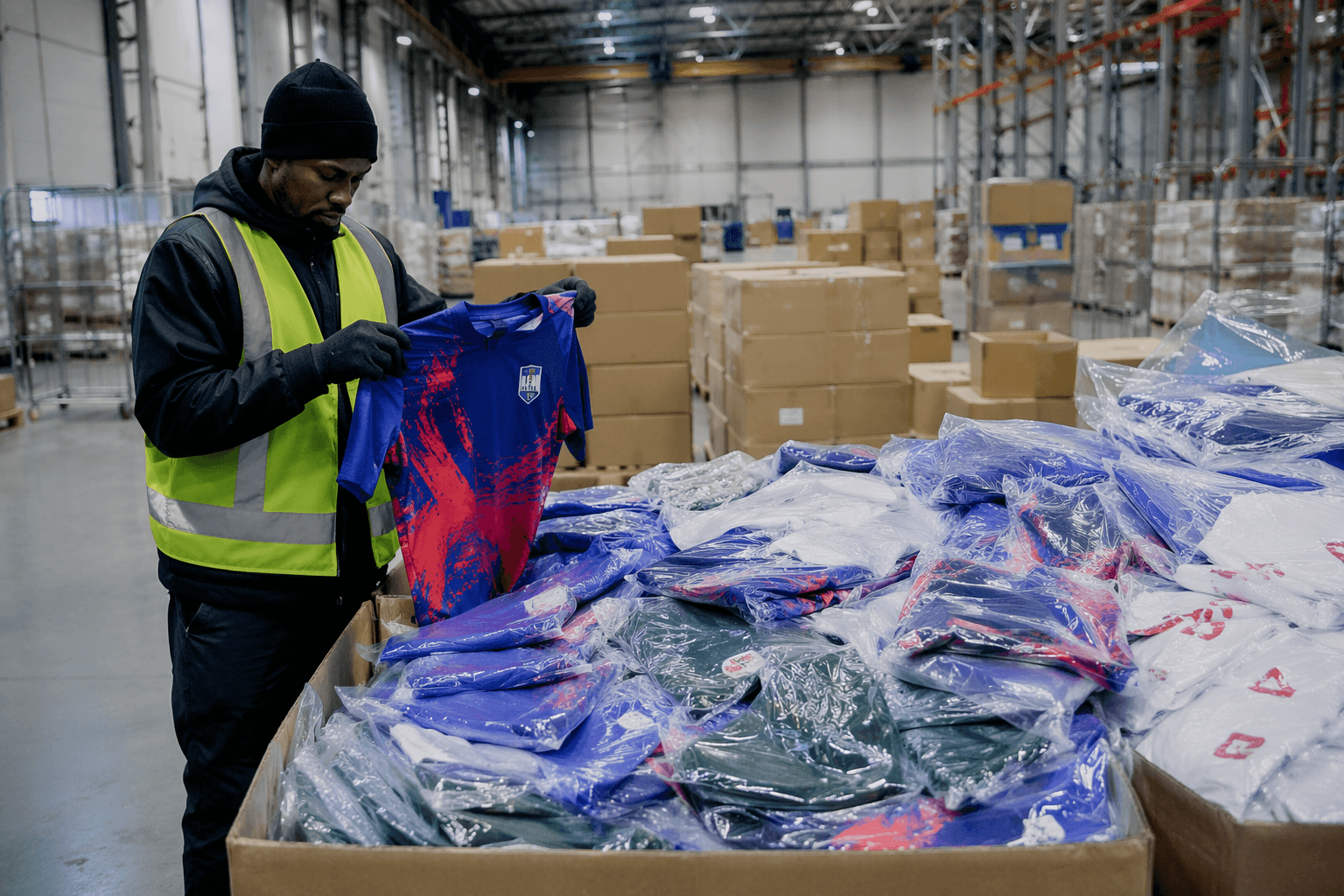
FIFA’s own sustainability guidance makes the same point from another angle. Football operations and large events like the World Cup create significant amounts of waste, and FIFA says it aims to reduce upstream waste, reuse items where possible, and buy products made from recycled materials that can be recycled or repurposed afterwards. That sounds neat on paper. In practice, it means brands have to line up take-back schemes, resale partners, donation routes and reverse logistics before the merchandise lands in store.
The 2026 World Cup is the largest ever, with 48 countries and 104 matches, which only raises the volume problem. More countries mean more host-city drops, more limited editions, more inventory bets and more leftover inventory if demand softens after the final whistle. The financial risk now sits with the companies that produced too much, because unsold stock can no longer be treated as disposable by default. In the new no-destruction era, World Cup merchandise has to have a second life before it has a first sell-through.
This article was produced by Prism’s automated news system from verified source data, official records, and press releases, then run through automated quality and moderation checks before publishing. The system is built and supervised by the people who set the standards it runs under. Read our full AI policy.
Did this article answer your question?