Yoshita 1967 wins European R|Elan circular design challenge final
Yoshita 1967 took the European R|Elan circular design final in Paris, sending Anil Padia’s handmade Nairobi-Paris-Delhi label to Delhi this October.
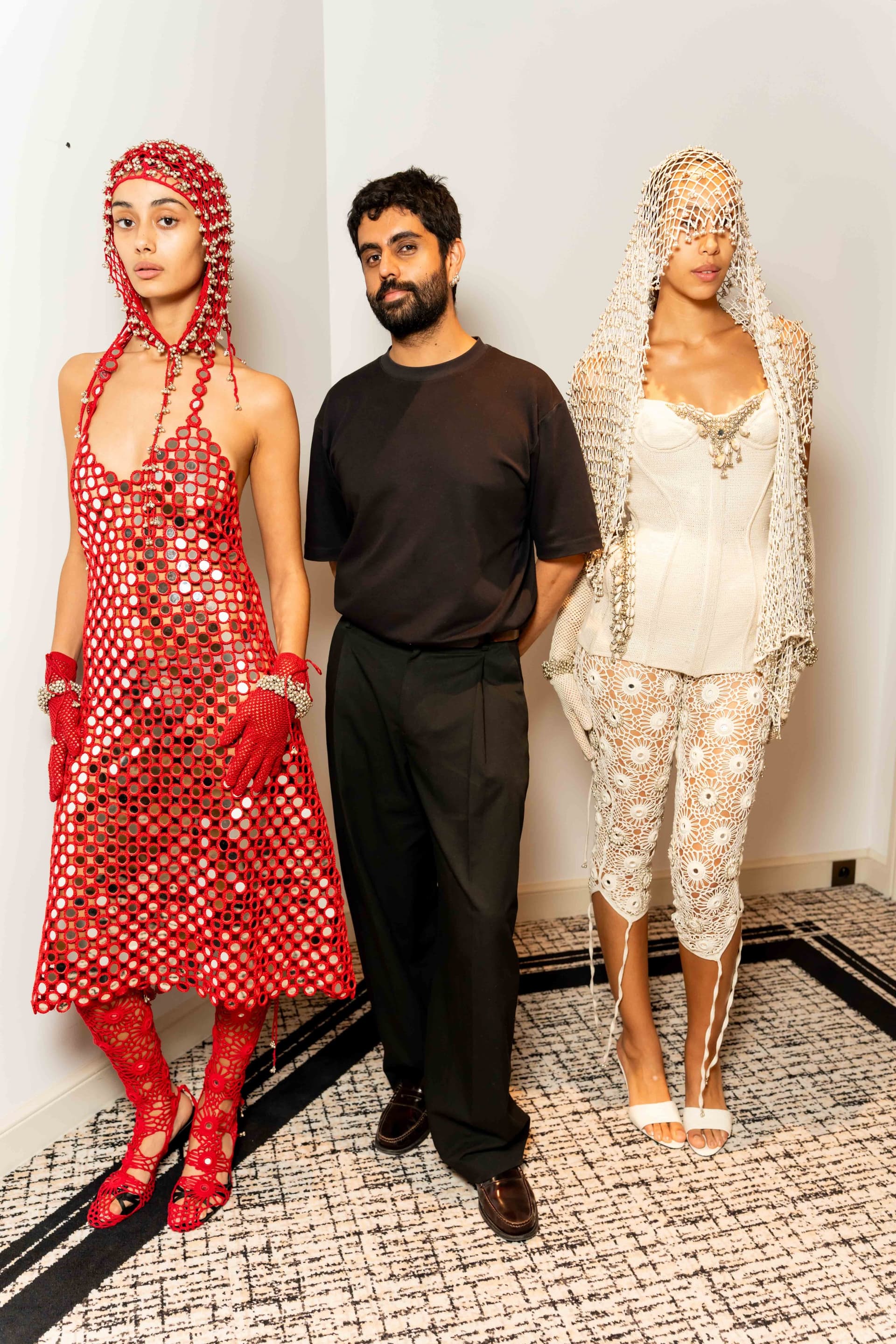
Yoshita 1967 took the European final of the R|Elan Circular Design Challenge in Paris, pushing Anil Padia’s label into the global final in Delhi this October. The jury evening was staged at Le Meurice on the eve of Paris Haute Couture Week, the kind of setting that makes a sustainability competition feel less like a side event and more like a serious market test.
What set the brand apart was not a single recycled fabric or a gimmicky finish, but a production model. Yoshita 1967 relies on artisan-led, handmade manufacturing spread across Nairobi, Paris and Delhi, a geography that gives the label a distinctly transnational craft identity. Padia moved to Paris in 2013 to study at the École de la Chambre Syndicale de la Haute Couture Parisienne, now the Institut Français de la Mode, and over the past five years has built the practice between France and Nairobi. That mix of couture training, handmade process and cross-city production is exactly where circular design starts to look commercially interesting rather than merely virtuous.
The European jury reviewed six semi-finalists drawn from the continent’s fashion and sustainability circles before selecting Yoshita 1967. The field included Coccellato, PLNGNS, Matthieu Ruiz, BEHEN and FLORANIA, names that point to how broad the challenge has become, from concept labels to more established sustainability voices. The judges were Pascale Mussard, Sara Sozzani Maino, Serge Carreira, Diane Pernet, Anne-Gaelle Lamort and Katell Pouliquen, a line-up that put heritage, fashion-system credibility and editorial judgment in the same room.
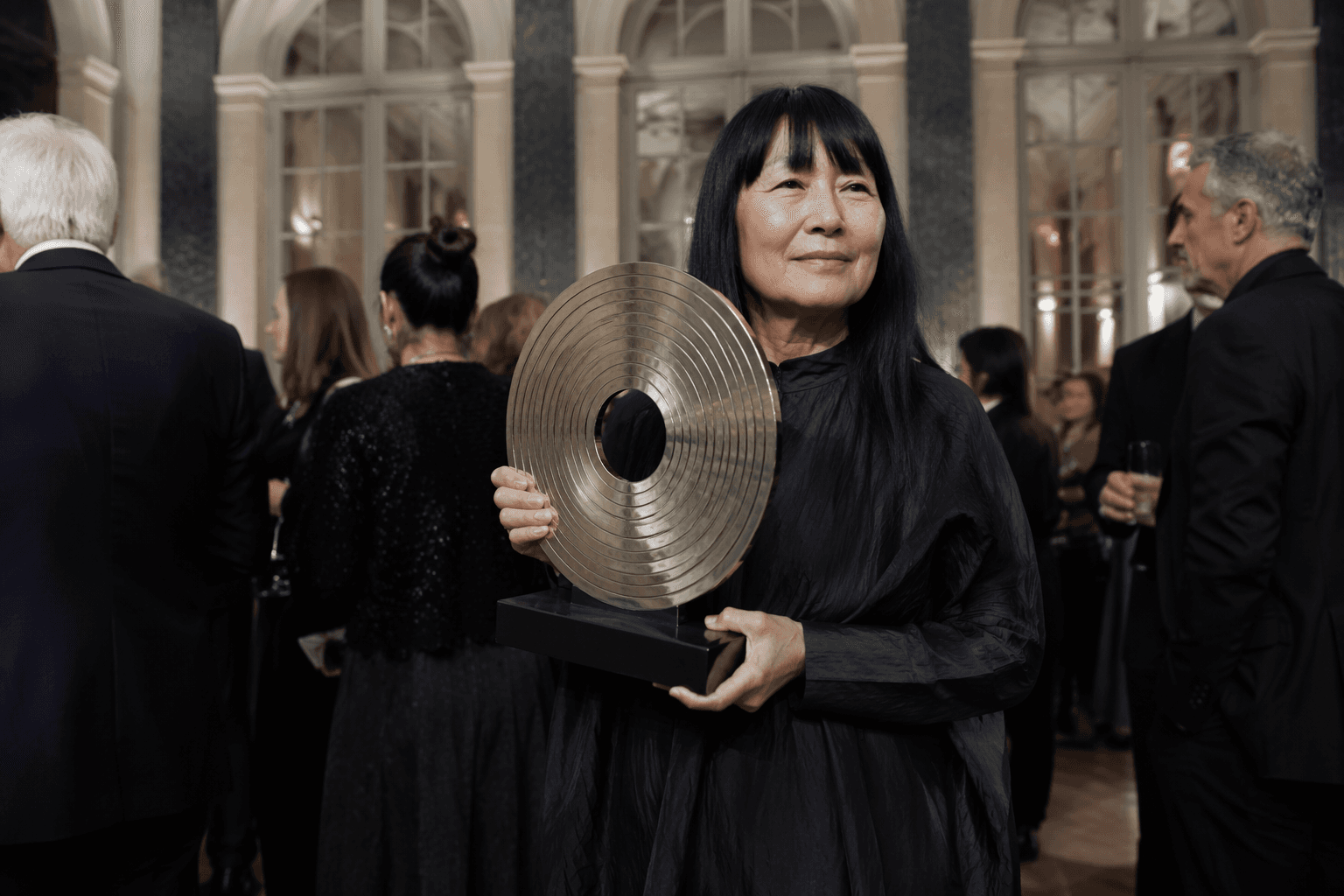
The challenge is part of the India-France Year of Innovation 2026 and is co-organized by R|Elan, the United Nations in India and Lakmé Fashion Week, with the Federation de la Haute Couture et de la Mode and the Embassy of France in India among the additional partners. R|Elan describes the competition as India’s largest award for circular fashion, and the numbers back up its pull: the 2025 edition drew more than 190 applications from more than 10 countries. The winner of the global final will receive INR 15 lakh, a CDC Trophy, mentorship through Estethica with Orsola de Castro, showroom space at Lakmé Fashion Week x FDCI and a solo showcase, while the runner-up will receive INR 5 lakh.
For Europe, the real test is whether a label built on handmade production across Nairobi, Paris and Delhi can meet the pressures now shaping fashion buying: durability, traceability and a credible route to circularity that survives beyond the pitch deck. Yoshita 1967 has at least shown that circular design can still look like fashion, not policy in disguise.
This article was produced by Prism’s automated news system from verified source data, official records, and press releases, then run through automated quality and moderation checks before publishing. The system is built and supervised by the people who set the standards it runs under. Read our full AI policy.
Did this article answer your question?