ZDHC launches wastewater study to measure textile microfibre pollution
ZDHC’s phase 2 study bets that wastewater TSS could stand in for microfiber pollution, a move that could let factories be benchmarked at scale.
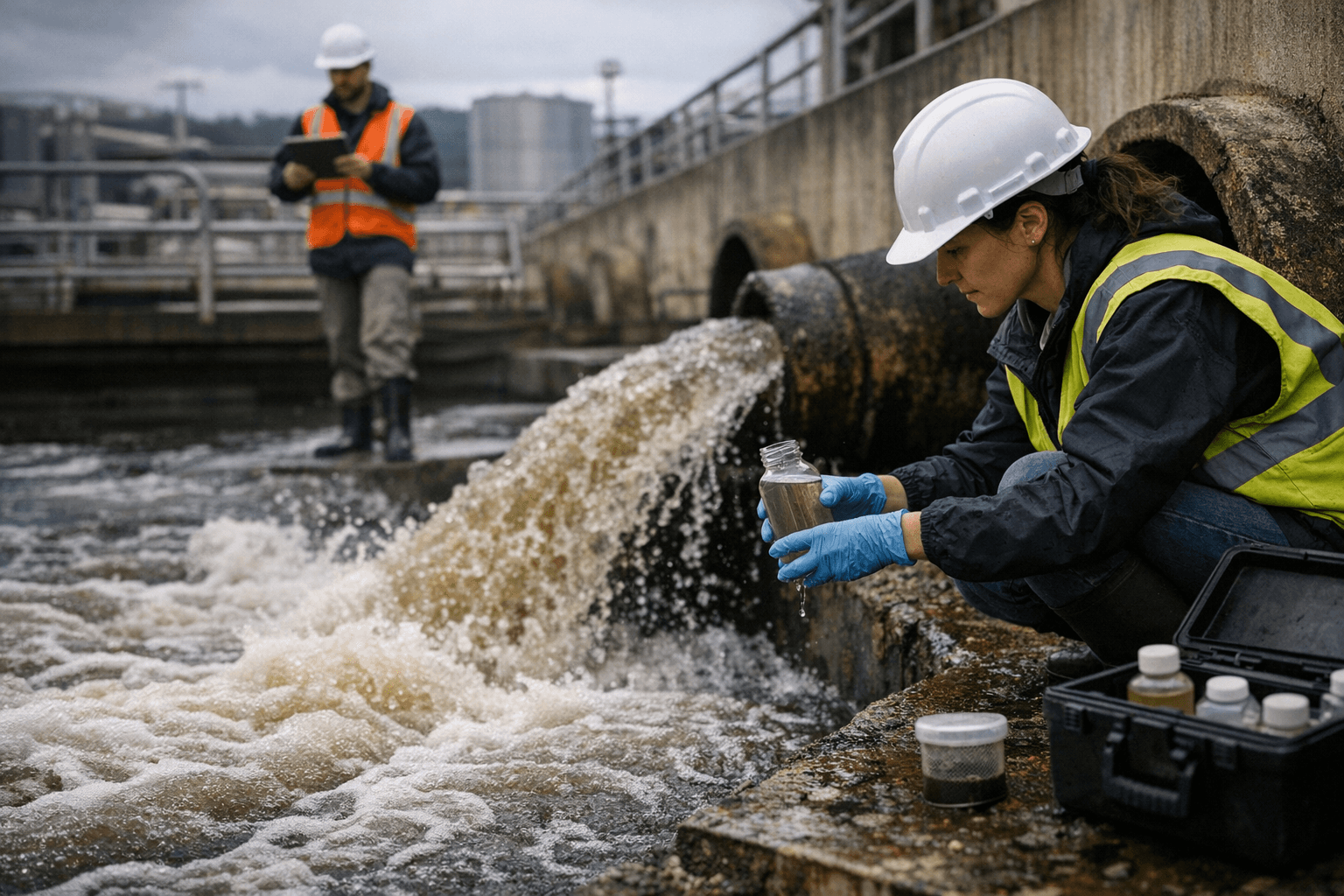
If total suspended solids can reliably stand in for textile microfibre pollution, the industry may finally have a practical way to measure what has long been too expensive to count directly. ZDHC and The Microfibre Consortium have launched phase 2 of a wastewater research programme to validate that proxy, with the stakes stretching far beyond one test method: a credible metric could allow mills, brands and regulators to compare factories at scale instead of chasing one-off lab counts.
The work is being co-funded by Tesco, Primark, Adidas and lululemon, a roster that signals how far microfibre pressure has moved from sustainability rhetoric into infrastructure. ZDHC said the collaboration with The Microfibre Consortium was formalised in 2021, and the new phase builds on a September 2024 feasibility study that found a correlation between TSS measurements and microfibre concentration in wastewater. The broader testing also draws on earlier work with Hohenstein, which ZDHC says established a direct correlation between discharged effluent TSS and microfibres released, measured by Dynamic Image Analysis.
The logic is simple, even if the chemistry is not. ZDHC’s current guidance already treats TSS as an indicator of fibre fragmentation, and says better wastewater performance can reduce microfibre releases by about 70 percent at Progressive level and about 94 percent at Aspirational level, compared with Foundational conformance. That matters most in tier 2 facilities, where fibre release into wastewater is considered most acute and where a workable proxy could turn an invisible discharge into a manageable line item.
The timing is also significant. ZDHC’s updated Wastewater & Sludge Guidelines V2 are published for preparation and are due to take effect on 1 November 2026, giving suppliers a runway before the new version becomes active. In a March 2026 post, ZDHC sector partnership lead Maria Arroyo framed microfibre release as a systemic challenge that no single actor can solve, and said the point of phase 2 is to give facilities an accessible, cost-effective way to monitor and reduce fibre discharge.
That ambition runs parallel to The Microfibre Consortium’s Microfibre 2030 Commitment, which aims for zero impact from fibre fragmentation from textiles to the natural environment by 2030. The unanswered question is whether TSS, once fully validated, becomes more than a helpful proxy inside brand programmes. If it does, the industry could move from measuring microfibre pollution as a specialist exercise to regulating it as standard factory performance, which is exactly the kind of shift a supply chain this large has been waiting for.
This article was produced by Prism’s automated news system from verified source data, official records, and press releases, then run through automated quality and moderation checks before publishing. The system is built and supervised by the people who set the standards it runs under. Read our full AI policy.
Did this article answer your question?


