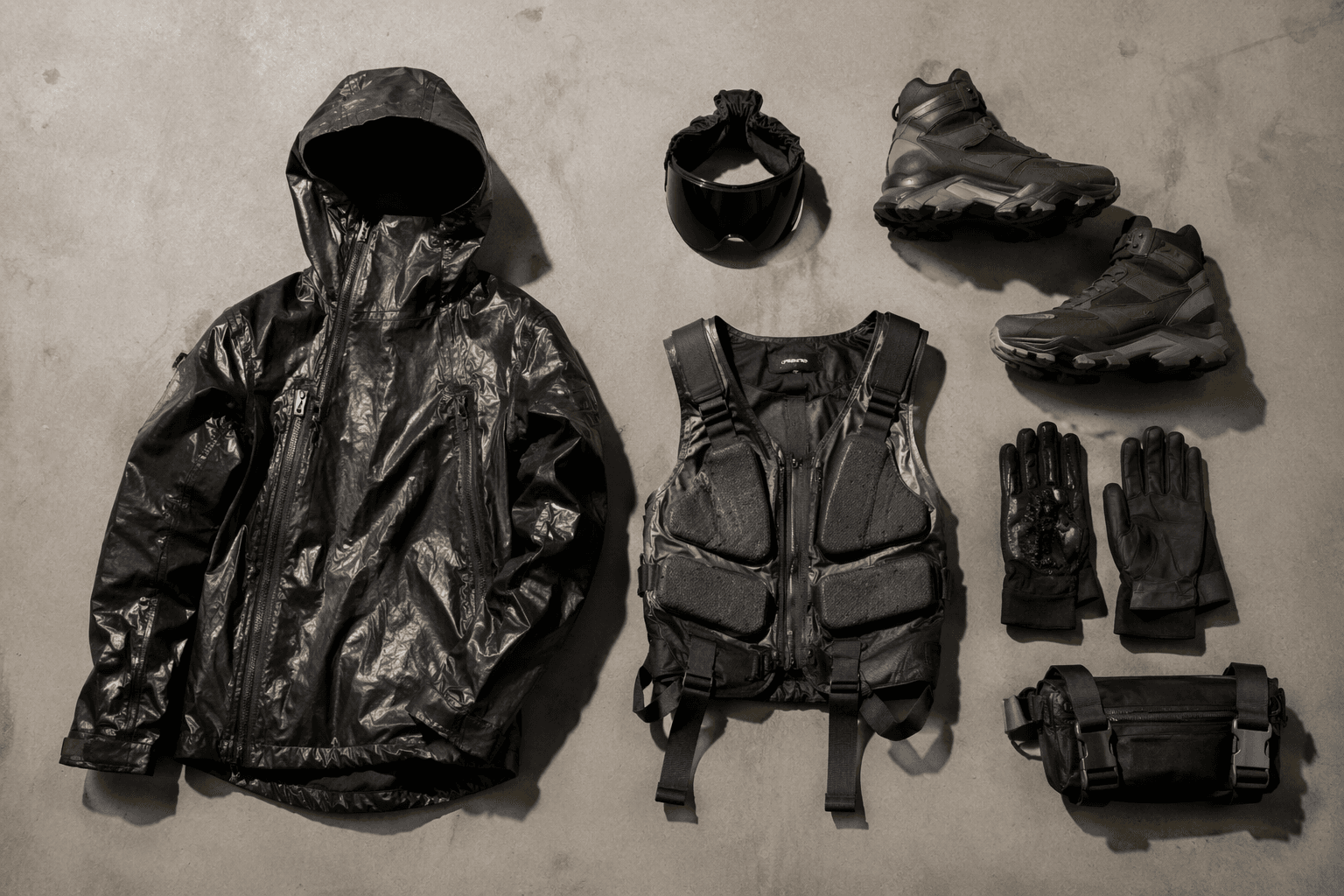
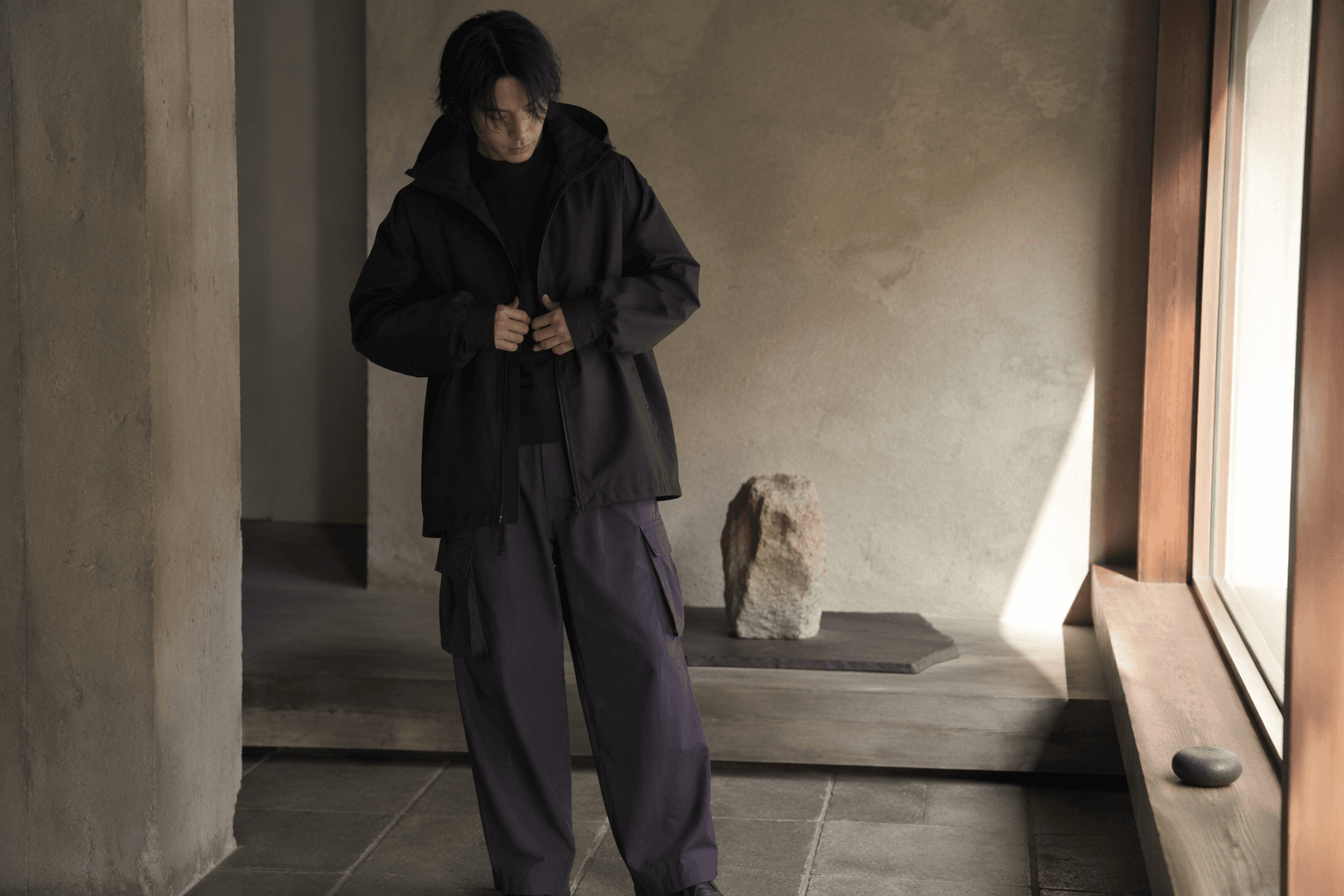
State PFAS bans drive major cuts in techwear textiles
State PFAS bans pushed 79% of 115 textiles below California’s limit, with raincoats down 97% to 99.99% and the sharpest cuts in techwear staples.
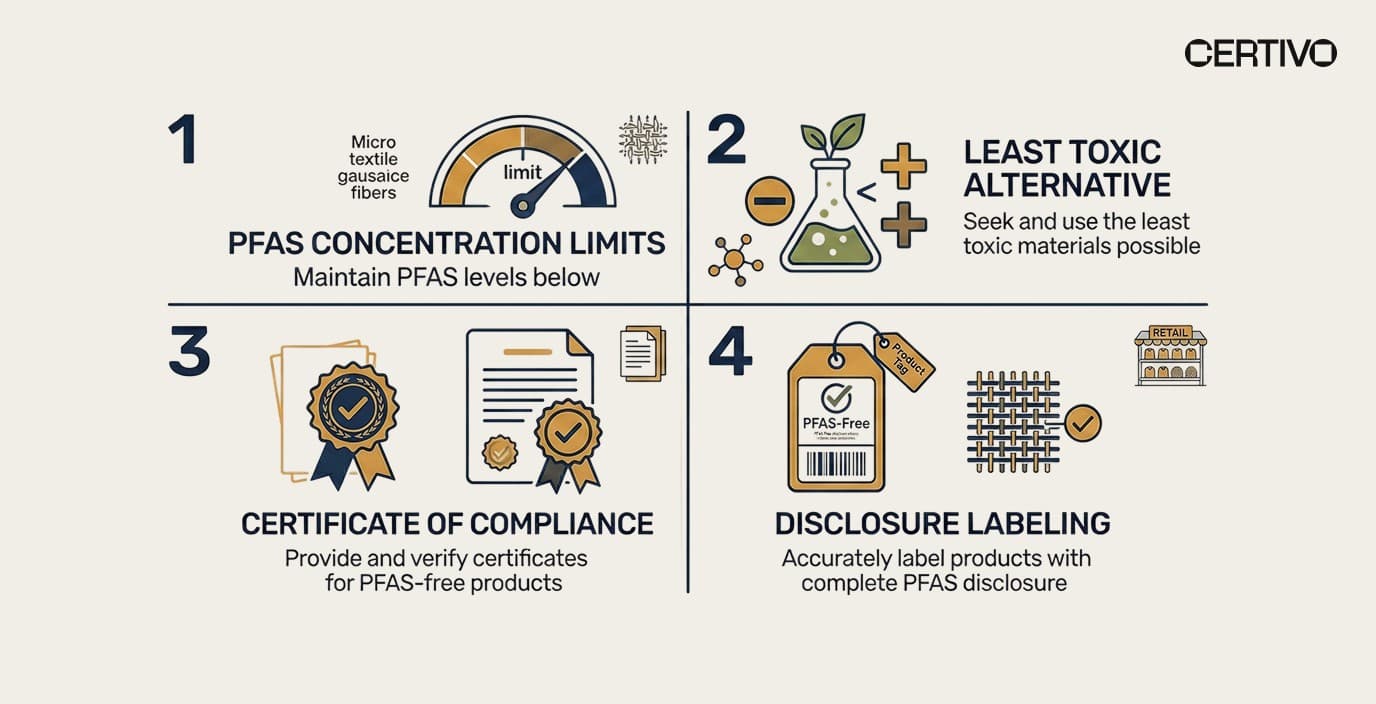
State PFAS bans are already changing the chemistry of performance clothing. In a June 2026 report, the Natural Resources Defense Council said testing of 115 textile products bought in California and New York in 2025 found the biggest drops in athletic pants, swimwear, shoes, rainwear and outdoor gear, the categories that have long sold water resistance as part of the fantasy.
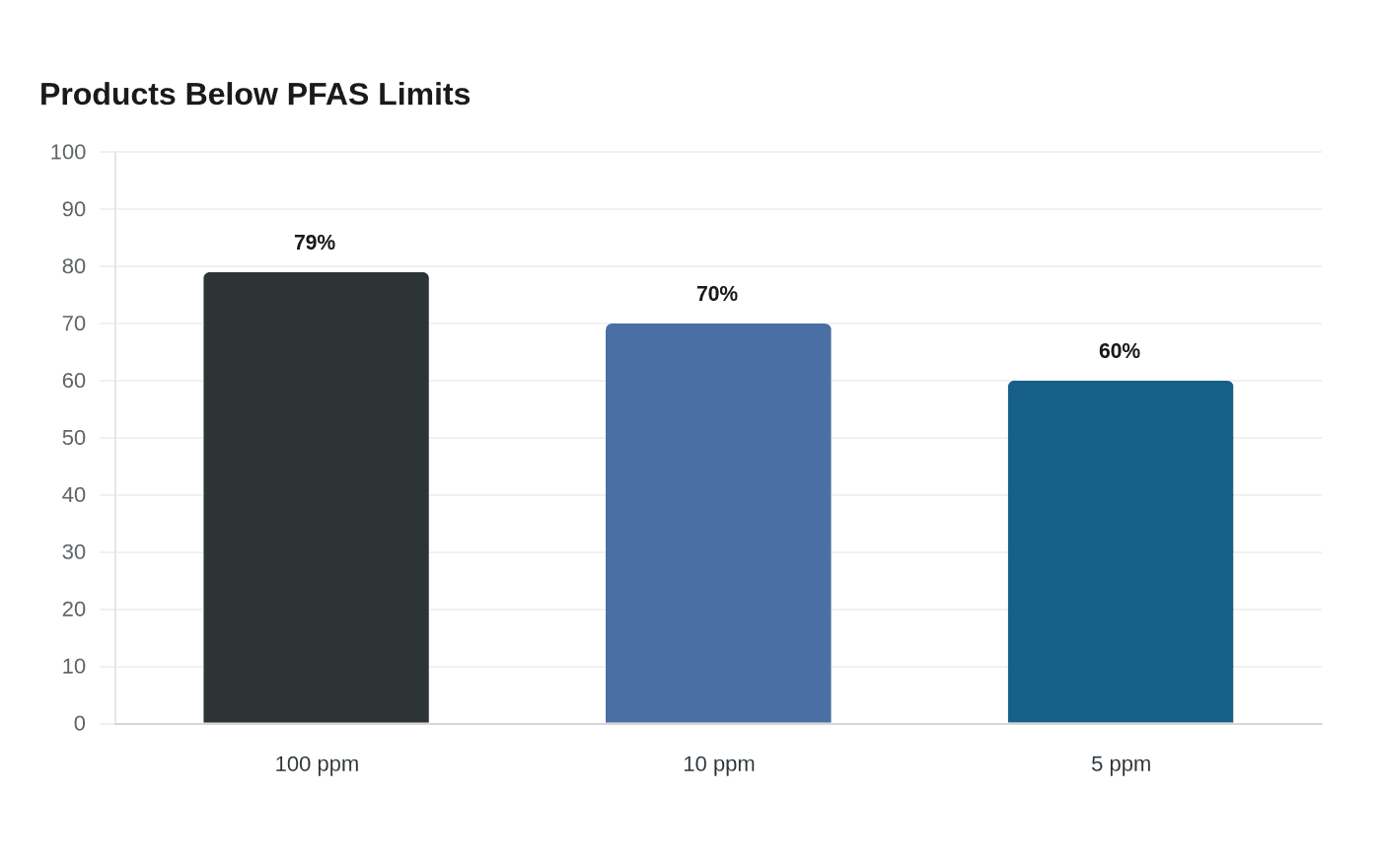
The numbers were strikingly concrete. NRDC said 79% of the products tested were below California’s 100 ppm threshold, 70% were below 10 ppm and 60% were below 5 ppm. California’s AB 1817 bars the manufacture, distribution, sale or offer for sale of new textile articles containing regulated PFAS beginning January 1, 2025, and New York’s apparel law bars the sale or offer for sale of new apparel containing intentionally added PFAS after that same date.
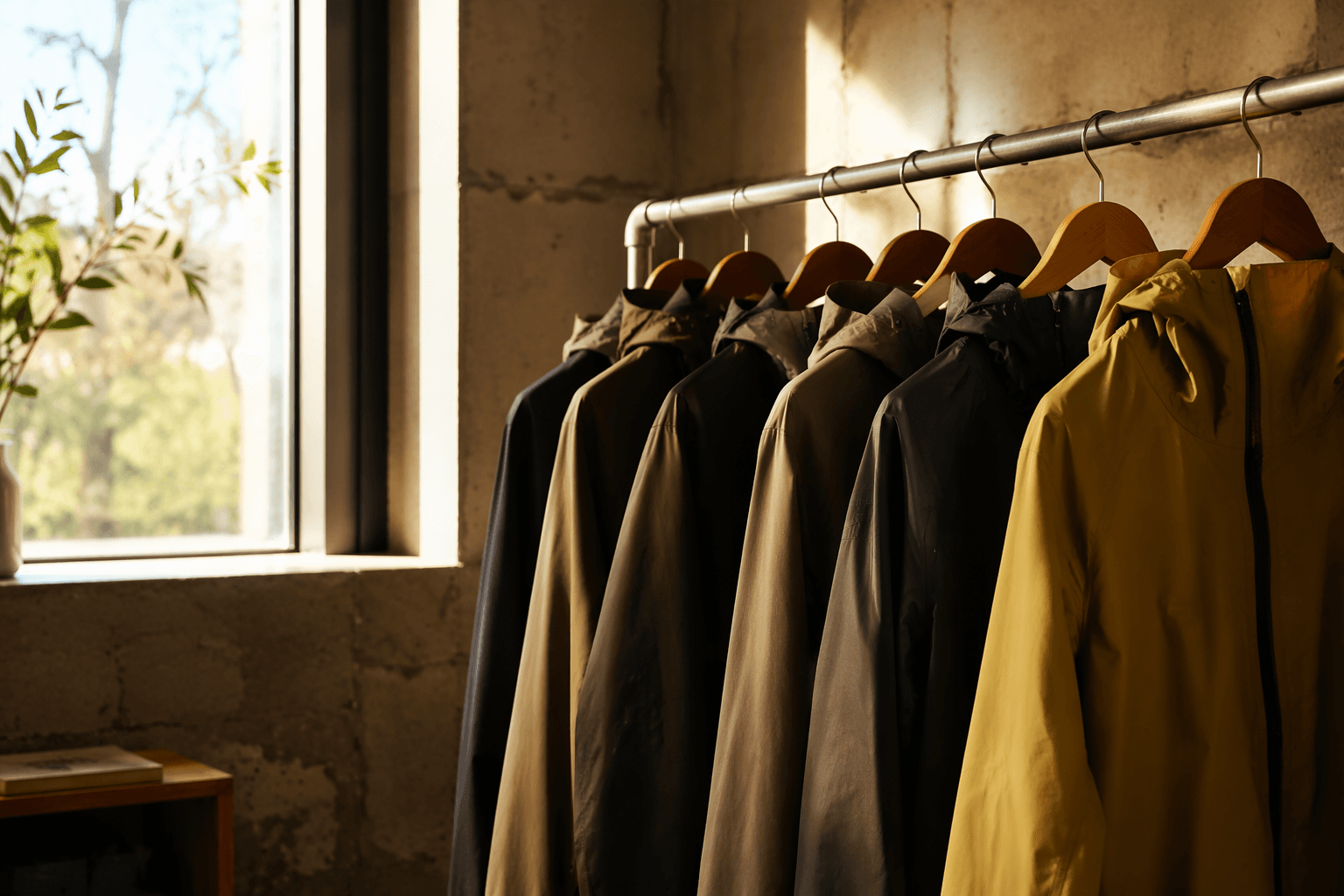
In raincoats from major outdoor brands, PFAS levels dropped 97% to 99.99% compared with testing done three years earlier. NRDC said the broader arc was just as dramatic, with levels falling from thousands of parts per million in earlier testing to less than 10 ppm in many categories. For a market built on sleek shells, sealed seams and a crisp, weatherproof hand, that is not a cosmetic shift. It is a materials change.
Katie Pelch and Anna Reade were among the report’s authors, along with Shannon Goff. Reade said the findings show that “companies can make safer products when states require it.” That is the most direct answer yet to the practical wardrobe question hovering over techwear and outdoor apparel: whether a waterproof jacket or athletic pant can be made with fewer toxic trade-offs, not just a better marketing pitch.
The report also showed where the transition is incomplete. Pet products, tablecloths and reusable diapers still showed concerning PFAS levels, and NRDC said the absence of federal disclosure requirements leaves consumers uncertain outside the states that now regulate textiles. For brands, the lesson is clear: the cleanest gains have come first in the pieces built to repel rain, stain and sweat, and the next round of innovation will have to keep that performance while shedding the chemical baggage.
This article was produced by Prism’s automated news system from verified source data, official records, and press releases, then run through automated quality and moderation checks before publishing. The system is built and supervised by the people who set the standards it runs under. Read our full AI policy.
Did this article answer your question?