3sixteen's khadi shop coat brings texture to workwear
Khadi gives a shop coat breathability, texture, and a more human hand. In 3sixteen’s take, heritage workwear stops feeling industrial and starts feeling alive.
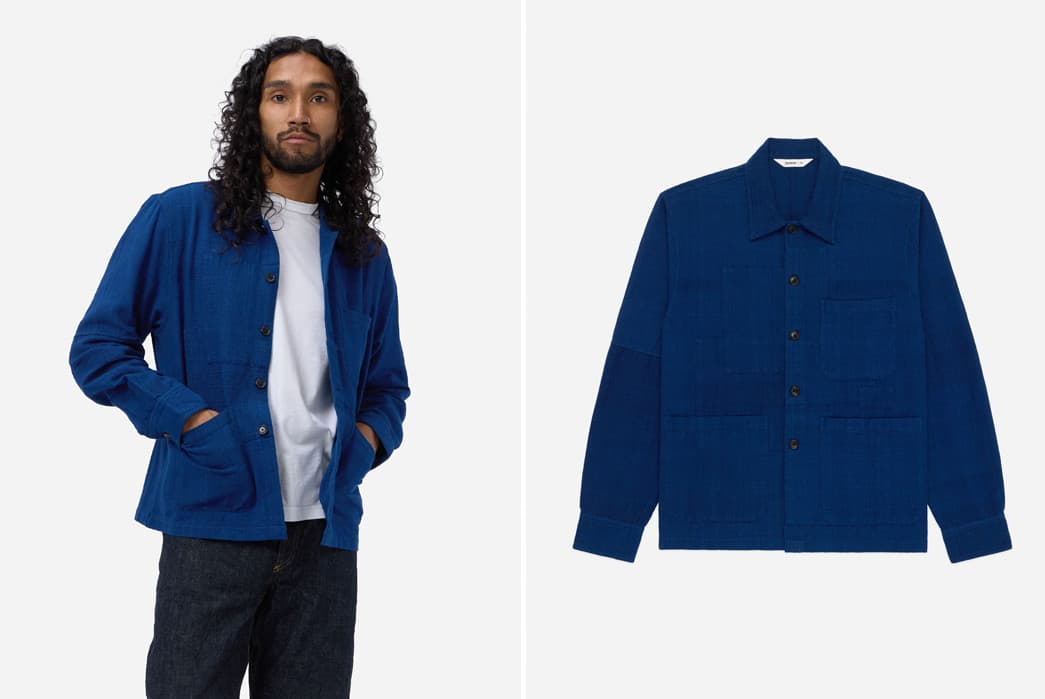
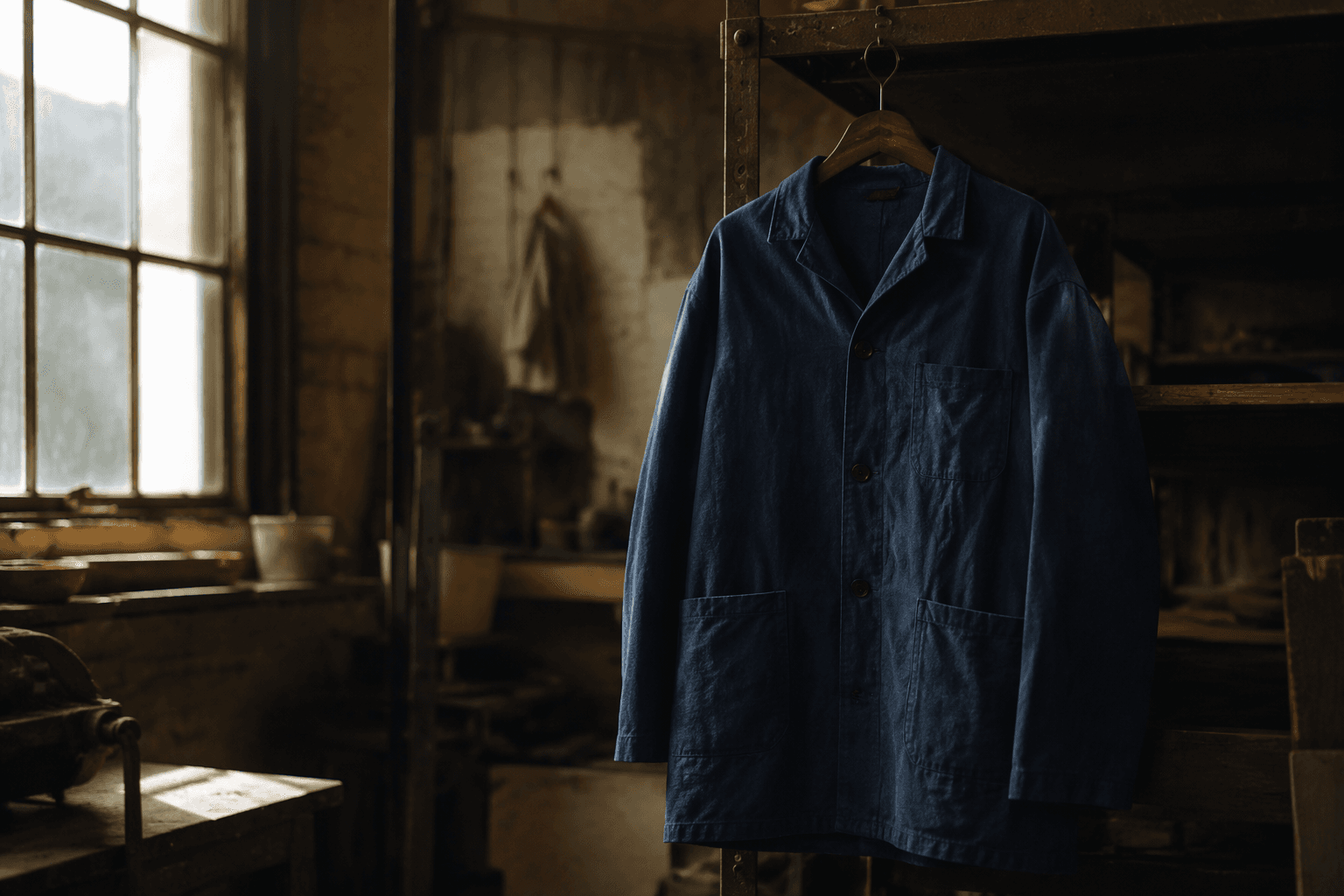
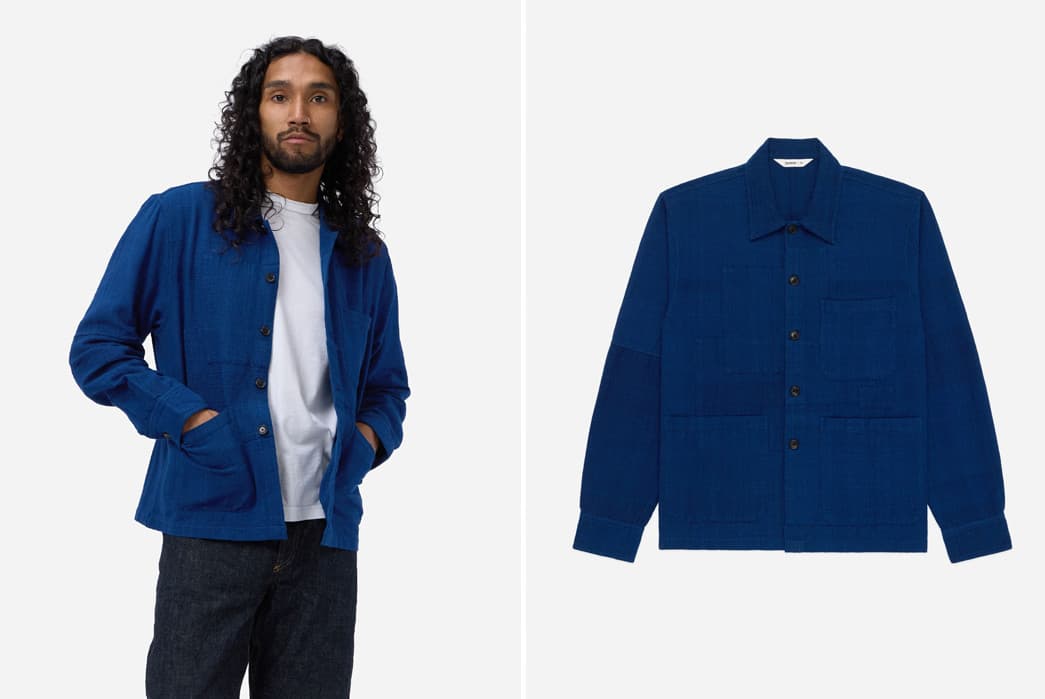
3sixteen is using khadi for a shop coat, and the difference starts with the cloth. Instead of the dense, stiff certainty of duck canvas or the familiar grit of denim and moleskin, khadi brings an uneven, nubby surface that catches the eye and lets air move. On a workwear silhouette like a shop coat, that changes everything: the coat looks less like armor and more like a living layer, something built for actual daily wear instead of just proving it can take a beating.
Why khadi changes a shop coat
The reason this fabric hits so differently is simple: khadi is traditionally handspun and handwoven, and that hand-built character shows up immediately in the finish. The surface is irregular in a way machine-perfect cloth is not, which softens the hard lines of a classic utility coat and gives it visual depth. Put that on a shop coat and the result feels less industrial, more tactile, and a lot more interesting than another heavy chore-coat remake.
That texture also changes the function. Khadi is breathable, so the coat works in the awkward in-between spaces where modern workwear actually lives: spring mornings, over-air-conditioned offices, late summer nights, and fall days that start warm and end cold. Worn over a tee, it plays like a light jacket. Over a chambray shirt, it becomes a layer with enough shape to look intentional. Over pleated trousers, it can even stand in for a casual blazer without losing the utility-coded attitude that makes a shop coat worth wearing in the first place.
Why workwear readers should care now
A lot of heritage pieces lean on density and abrasion resistance as the main selling points, which is fine until the weather turns mild and the whole category starts feeling overheated. Khadi refreshes the silhouette by making it lighter, more breathable, and easier to live in while still keeping that rugged, straightforward shop-coat shape.
That move keeps heritage workwear from freezing into costume. The label is not abandoning utility; it is updating what utility can feel like by making a familiar cut lighter, more breathable, and easier to live in.
The politics are stitched into the cloth
Khadi is not just another textured textile with a good story. It is tied to Mahatma Gandhi, the charkha, and Swadeshi politics, which made cloth itself a symbol of self-reliance and anti-colonial resistance. Khadi is handspun and handwoven, and the Khadi and Village Industries Commission links it to India’s freedom struggle and swadeshi spirit.
Khadi has always been about labor as much as appearance. It embodies craftsmanship, slowness, and a kind of economic independence that sits naturally inside workwear’s own mythology.
From freedom cloth to fashion material
Khadi’s modern life has been shaped by policy, promotion, and a long effort to keep the sector relevant. A 2018 Centre for Public Policy Research report on the khadi sector found revival depended heavily on policy support and the Khadi Act framework. It has been organized, protected, and argued over because it sits at the intersection of industry, livelihoods, and national identity.
By the time the Ministry of Micro, Small and Medium Enterprises promoted khadi at Lakmé Fashion Week Winter/Festive 2019, the push was clearly aimed at making the textile legible to fashion audiences again. In an August 21, 2019 post, the ministry announced that KVIC was set to collaborate with upcoming fashion designers at the event, scheduled for August 21 to 25, 2019, to showcase hand-spun and hand-woven cotton and silk khadi fabrics. That same campaign used the phrase “Fabric of Freedom.”
The broader academic conversation followed that same arc. A 2021 research article called khadi a hand-spun, hand-woven eco-friendly textile that supports village economies and employment generation. Another 2021 paper by Yayoi Okada traced khadi’s transformation from an ordinary commodity into a political symbol and then into an eco-conscious, sustainable fashion product.
The social and economic side is not decoration
Khadi’s appeal is not just ideological, either. A 2021 International Journal of Social Impact article called it a textile that creates a sustainable economy throughout villages. The Prime Minister of India’s Independence Day address also put a national spotlight on the sector, saying, “Khadi is associated with the name of respected Bapu. I want to humbly submit that the sale of khadi products since independence has doubled.”
How to wear a khadi shop coat without overthinking it
The cleanest way to style khadi is to let the texture do the work. Keep the rest of the outfit quiet so the coat’s uneven weave and softer drape stay visible.
- Wear it over a plain tee and straight jeans for an easy, everyday read.
- Pair it with fatigue pants and canvas sneakers if you want the workwear references to stay sharp.
- Put it over a chambray shirt in autumn when you need a layer that feels structured but not stiff.
- Use it as a blazer alternative with simple trousers when you want polish without losing the utility angle.
This article was produced by Prism’s automated news system from verified source data, official records, and press releases, then run through automated quality and moderation checks before publishing. The system is built and supervised by the people who set the standards it runs under. Read our full AI policy.
Did this article answer your question?