Workwear style starts with the shirt, from work to western
Workwear begins with the shirt: work, utility, chambray, fatigue, and western cuts each signal a different kind of utility and heritage. Learn the details once, and the category snaps into focus.
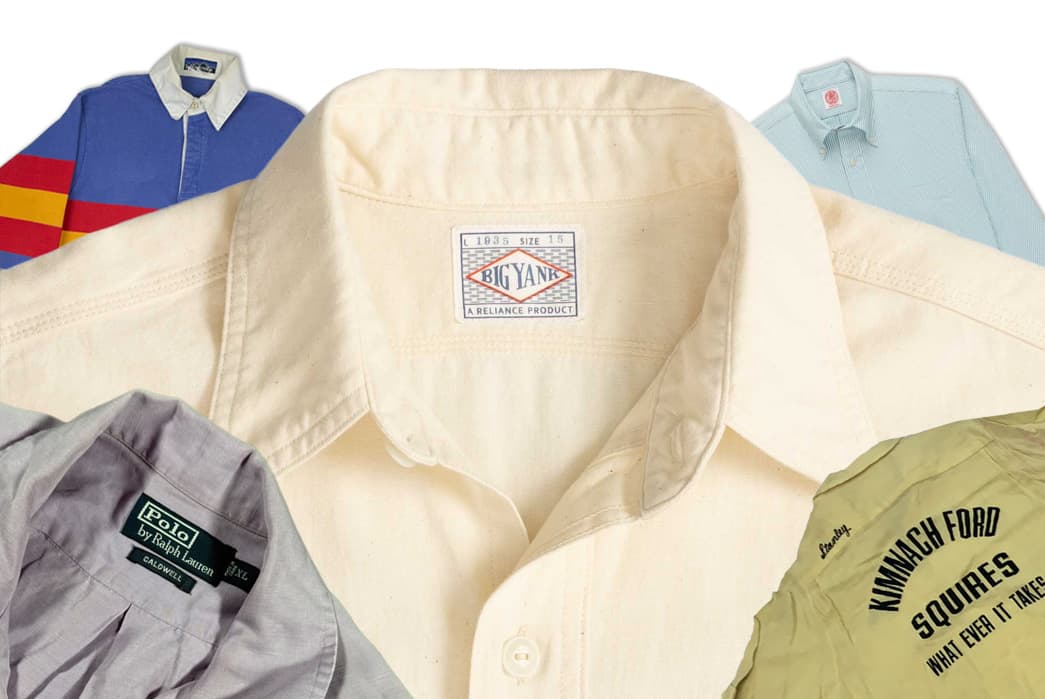
Workwear starts with the shirt because that is where the category shows its codes most clearly: pockets, plackets, collars, fabric weight, and how much shape the garment carries on its own. Heddels made that logic explicit with its 2026 Shirting A-Z, which treated shirting as a taxonomy of 17 styles rather than a mood board. That framing matters, because once you can name the shirt, the rest of the outfit stops feeling accidental.
The work shirt: the backbone of the category
The proper work shirt is usually built from durable cotton twill or brushed flannel, cut with two chest pockets and a straight hem so it can be worn tucked or untucked. Its message is practical first: this is a shirt designed to move through labor, not just photograph well. In workwear terms, that straight hem and those twin pockets are not decoration, they are the shirt telling you exactly where it comes from.
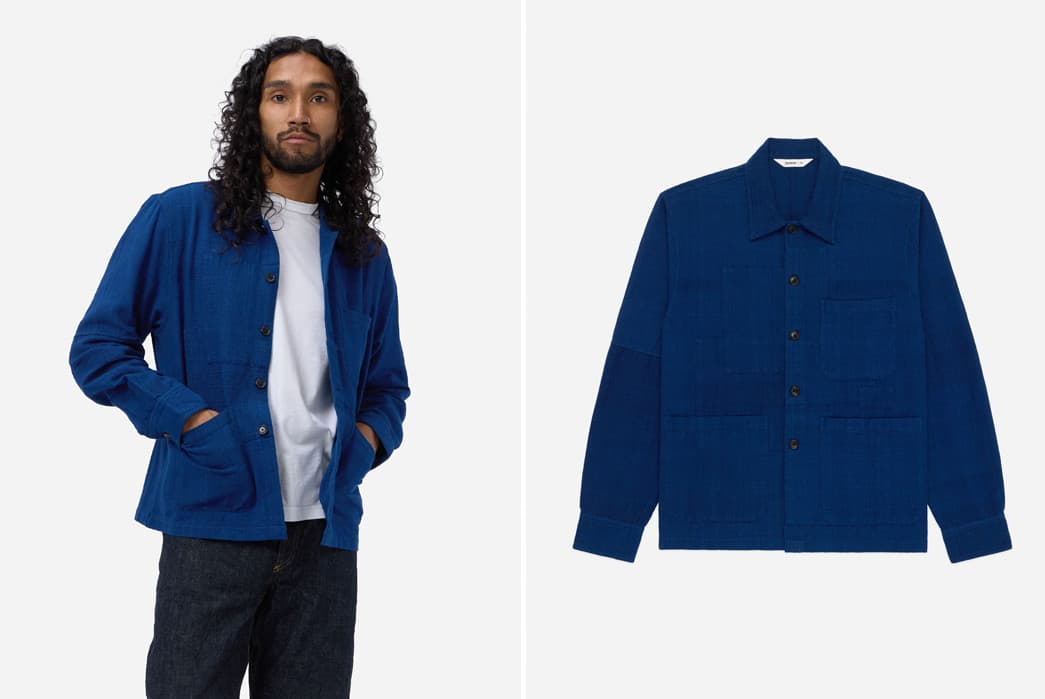
A utility shirt pushes that logic a little further. Hidden snaps, loop closures, and larger patch pockets make it feel more technical and a touch less formal, which is why it reads as workwear even when it is cleaned up for city wear. Heddels’ Shirt Anatomy 101 and its pocket dictionary underline the point: the category is defined by fixed parts, and those parts are what serious readers learn to recognize.
Chambray and flannel: the two fabrics that do most of the heavy lifting
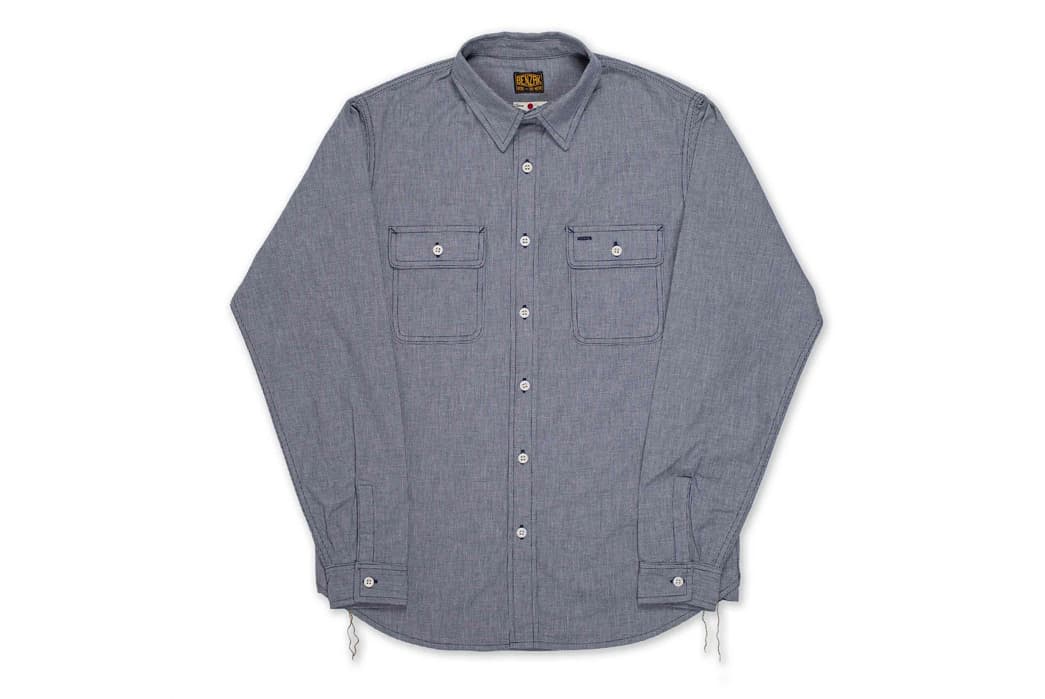
Chambray is one of the most useful shirts in the workwear wardrobe because it carries the visual shorthand of denim without the weight. The fabric is a lighter plain weave, while denim is a heavier twill, so chambray gives you that familiar blue-collar texture in a warmer-weather form. Heddels’ Textile Tales: Chambray treated it as a staple for a reason, because it bridges ruggedness and ease without getting fussy.
Flannel, by contrast, is all about seasonal utility. A brushed flannel work shirt brings softness, surface texture, and enough warmth to feel substantial when the weather turns, which is why it has become one of the category’s default cold-weather fabrics. If chambray reads airy and dry, flannel reads heavier, fuzzier, and more sheltering, the shirt equivalent of turning up the heat.
Military fatigue shirts: utility with uniform authority
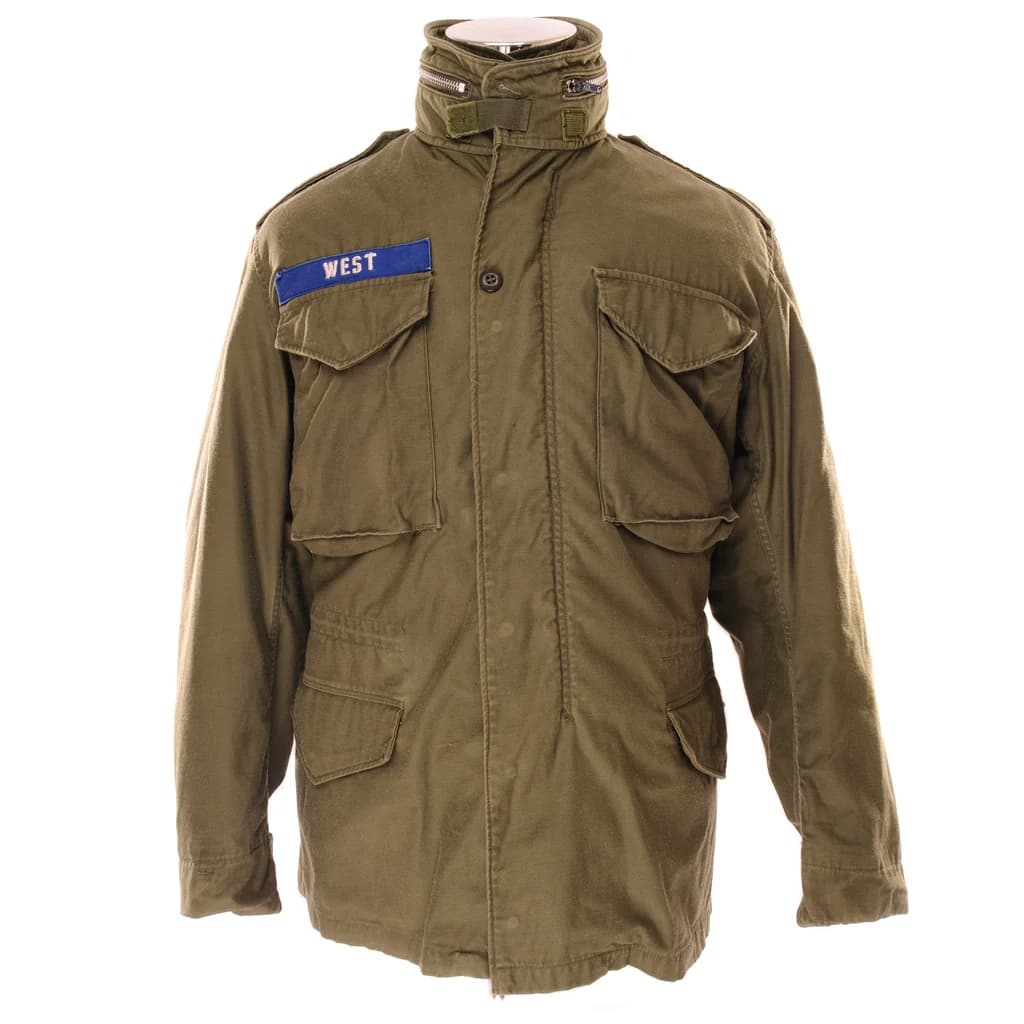
Military fatigue shirts sit in workwear’s most utilitarian register, where the language is less about decoration and more about service. The OG-107 Cotton Sateen Utility Uniform was the standard for both stateside use and overseas deployment at the beginning of the Vietnam War, and it arrives with the authority of a garment built for a system, not a trend. Moore Militaria notes that there were three basic types or patterns for the OG-107, which is the sort of detail collectors care about because it separates a generic olive shirt from a specific military lineage.
That lineage still shapes how the shirt reads now. A fatigue shirt signals discipline, abrasion resistance, and a direct link to mid-century American utility dress, which is why it often sits comfortably beside denim, chore coats, and carpenter pants. Even when the military reference is softened in fashion, the shirt still carries the clean, restrained logic of issue clothing.
Western cuts: when workwear turns into Americana
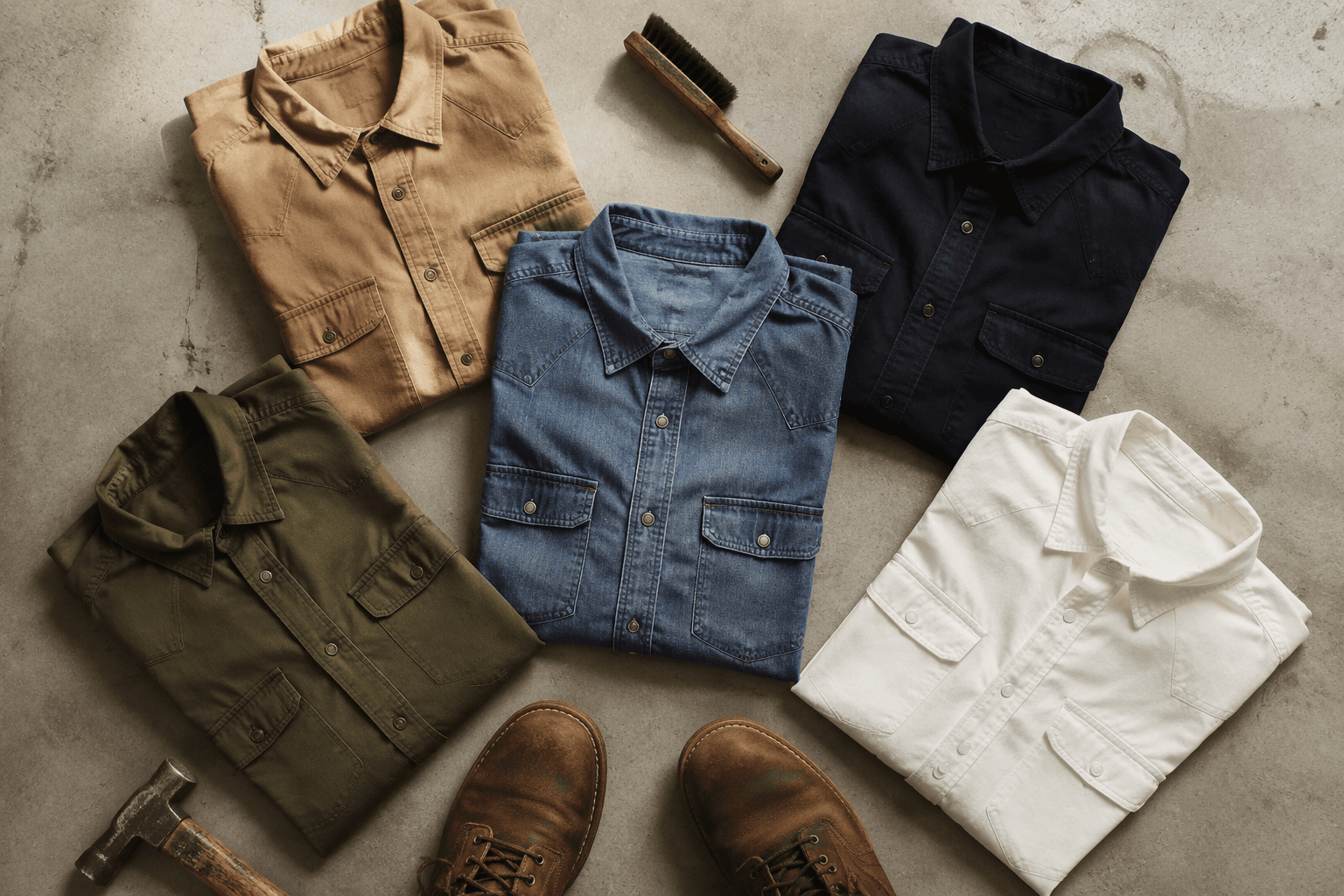
Western shirts are where workwear gets more expressive without losing its roots. Heddels’ 2020 piece on western shirts described the category as “snapping into an Americana classic,” and that is exactly right: the silhouette takes hard-use ranch clothing and turns it into something instantly legible. The sawtooth or smile pockets, the yokes, and the snap buttons are not just stylized flourishes, they are the visual code that makes the shirt unmistakable.
Rockmount Ranch Wear gives the category its strongest lineage, saying it has been crafting men’s pearl snap western shirts since 1946 and crediting Papa Jack Weil with inventing the original snap shirt. Rockmount also identifies pearl snaps, sawtooth or smile pockets, and shotgun cuffs as hallmarks of genuine western shirts. That combination of hardware and shape is why the western shirt remains one of workwear’s most recognizable hybrids, part ranch uniform, part fashion signal.
The Oxford button-down: the clean break in the lineup
The Oxford cloth button-down is not workwear in origin, but it is a useful bridge when you want the category to sharpen up. Brooks Brothers says it introduced the OCBD in 1900, and that the button-down collar was popularized in the 1920s by the Prince of Wales. The collar’s roll and its buttoned points give the shirt structure without stiffness, which is why it has endured as a menswear staple rather than a strict work shirt.
In a workwear wardrobe, the OCBD matters because it changes the temperature of the whole category. It has the polish of tailored dress codes, but it can still sit alongside rugged trousers, denim, and outerwear built on utility. That contrast is useful: it reminds you that workwear is not only about rough fabrics, but about the tension between formality and function.
Why the taxonomy works
A shirt-led approach gives workwear its best map because the differences are visible in the construction. Two chest pockets say work shirt, hidden snaps and bigger patch pockets push toward utility, chambray signals lighter wear, flannel leans into warmth, OG-107 carries military authority, and western cuts announce themselves through yokes and pearl snaps. Once you read those details, the category stops being a catchall and becomes a set of specific, usable codes.
That is why Heddels’ anatomy pieces matter as much as its style guides. Collars, hems, pockets, plackets, and yokes are the fixed vocabulary of shirting, and workwear depends on knowing that language. The shirts do not just look rugged, they tell you what kind of ruggedness you are looking at.
This article was produced by Prism’s automated news system from verified source data, official records, and press releases, then run through automated quality and moderation checks before publishing. The system is built and supervised by the people who set the standards it runs under. Read our full AI policy.
Did this article answer your question?