Why the M-65 field jacket still defines workwear style
The M-65 wins because it does the job better than a nostalgia piece should. Its hood, pockets, storm flap, and drawcords make it the smarter layer when workwear needs real utility.
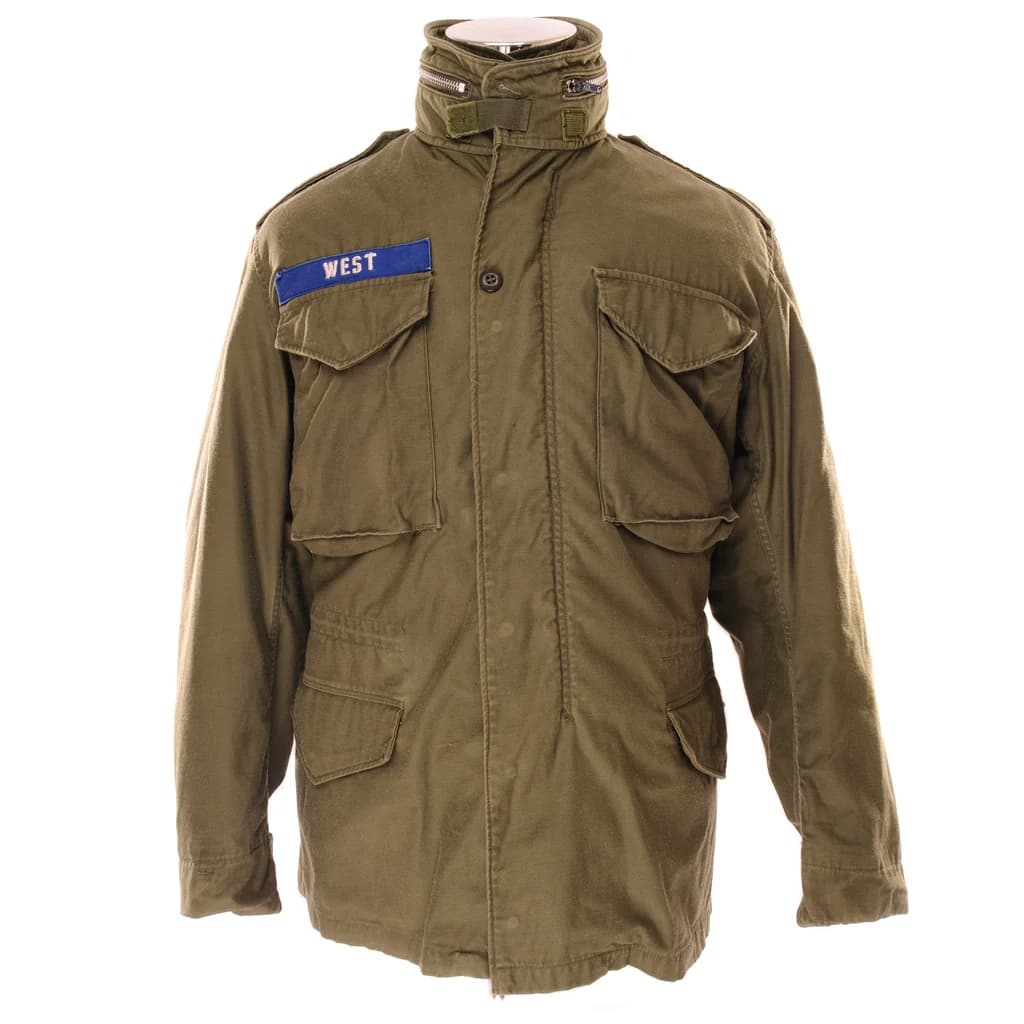
The M-65 field jacket still matters because it behaves like workwear should: it carries, shields, adjusts, and keeps moving. If a chore coat is the easy default and a trucker jacket is the clean-cut classic, the M-65 is the smarter choice when weather, storage, and layering all need to work at once.
Why the M-65 still earns space in a rotation
Introduced to U.S. Army service in 1965 as a replacement for the M-51 field jacket, the M-65 was built for the humid, hot conditions soldiers faced in Vietnam, so its usefulness was never theoretical. Heddels places it in a longer Army lineage that runs through the M-41, M-43, and M-51, which helps explain why the jacket feels so resolved: it was the latest answer in a practical design line, not a fashion afterthought. One history guide even describes it as the standard issue field jacket from 1965 to 2009, a long run that says as much about its function as any style endorsement.
That military origin is exactly why it translates so well to modern workwear. The best work jackets do a few things well and do them consistently, and the M-65 covers the basics without fuss: weather protection, pocket utility, easy movement, and the toughness to survive repeated wear. It has the presence of surplus gear but the restraint of a clean, usable layer, which is why it works over a sweatshirt, knitwear, or a workshirt just as naturally as it does with denim, canvas trousers, or heavy boots.
The details that make it practical
The M-65’s visual identity is built from a set of details that solve real problems. Its stand collar keeps the shape sharp, the concealed hood hides inside the collar until rain or wind makes it necessary, and the front zipper sits behind a storm flap for added protection. Adjustable cuffs, along with drawcords at the waist and hem, let the wearer shift the jacket from boxy and roomy to more fitted and wind-resistant without changing layers.
- Stand collar for a clean profile
- Concealed hood hidden in the collar
- Front zipper protected by a storm flap
- Adjustable cuffs for easier sealing at the wrist
- Waist and hem drawcords to change the silhouette
- Multiple front pockets for quick storage
Alpha Industries’ current M-65 description keeps that logic intact, listing a concealed hood hidden in the collar, drawstrings at the hood, waist and hem, and four exterior body pockets. That pocket layout is part of the jacket’s appeal against more obvious workwear staples: a chore coat may give you patch pockets, and a trucker jacket may give you shape, but the M-65 gives you both storage and weather-ready engineering in one straightforward shell.
When the M-65 is the smarter choice than a chore coat or trucker
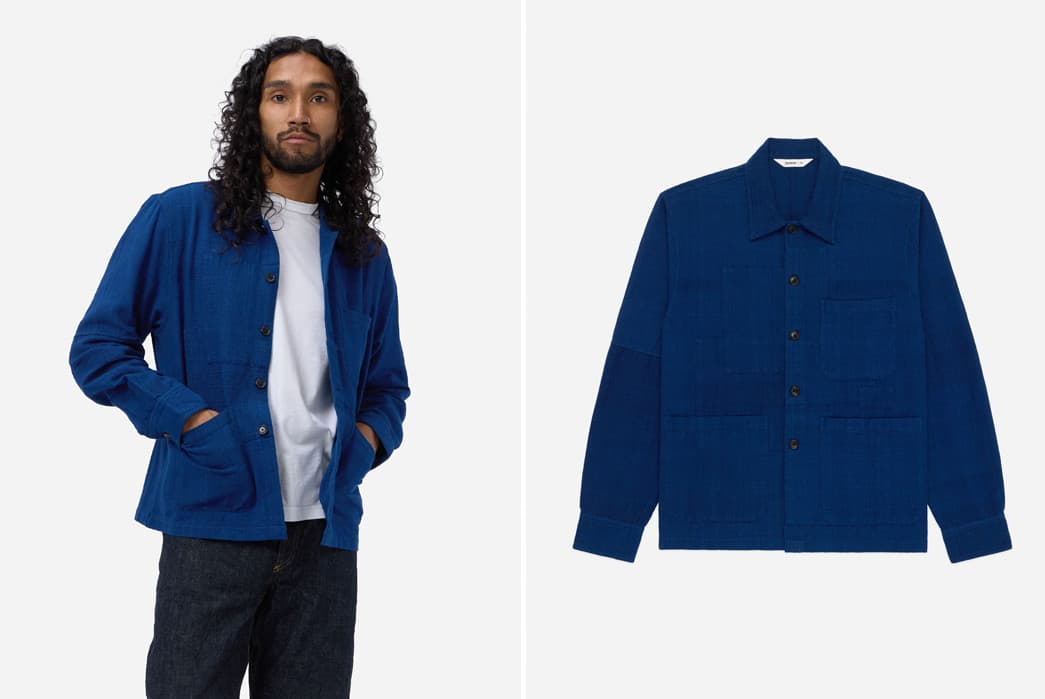
A chore coat usually wins when you want a simple layer with a workshirt attitude, especially in stiff canvas or denim. A trucker jacket is better when you want a cropped, structured silhouette that sits close to the body. The M-65 becomes the better option when the day asks for more than style, because the storm flap, concealed hood, and drawcords make it adaptable in a way those jackets usually are not.
That flexibility matters in real wardrobes. The M-65 has enough room for layering, enough pockets to replace a small bag, and enough protection to handle a sudden change in weather without looking technical. It feels less precious than many fashion jackets, which is part of why it lands so well in a workwear rotation: it reads as something you can actually use, not something you have to protect.
How it moved from battlefield gear to civilian style
The M-65’s cultural life gave it even more staying power. In 2023, Oren Hartov wrote in Analog:Shift that if you have seen Taxi Driver, footage of veterans protesting the Vietnam War, or been to Pitti Uomo, you already know the jacket’s outline. That range matters because it shows the M-65 moving easily from field gear to protest image to fashion-week uniform without losing its identity.
The New York Times made the civilian case even earlier, in 2015, tying the M-65 worn by U.S. troops in Vietnam to the kind of everyday garb that survives seasonal fashion cycles. That is the real reason the jacket still feels current: it has already lived through multiple style eras and emerged looking like itself. The M-65 did not become relevant because it was reinterpreted endlessly by fashion; it stayed relevant because the original design was strong enough to carry into civilian wardrobes with almost no translation.
Why it keeps defining workwear style
The M-65 endures because it sits at the intersection of utility, military history, and daily dressing. Its long service life, from 1965 to a standard-issue run that some histories extend through 2009, proves that the design was never fragile or decorative. Its stand collar, storm flap, concealed hood, adjustable cuffs, and pocket-heavy front make it one of the rare jackets that still looks like it has a job to do.
That is the point. The M-65 is not just a military jacket with cultural baggage attached. It is a hard-wearing, weather-ready, storage-minded layer that still makes more sense than most obvious workwear standbys when the brief is function first and style second.
This article was produced by Prism’s automated news system from verified source data, official records, and press releases, then run through automated quality and moderation checks before publishing. The system is built and supervised by the people who set the standards it runs under. Read our full AI policy.
Did this article answer your question?