Aton elevates workwear with custom fabrics and century-old dyeing
Aton’s real edge is not brute performance but fabric intelligence, with custom weaving and mud-dyed cloth that feels as good in the city as it does outdoors.

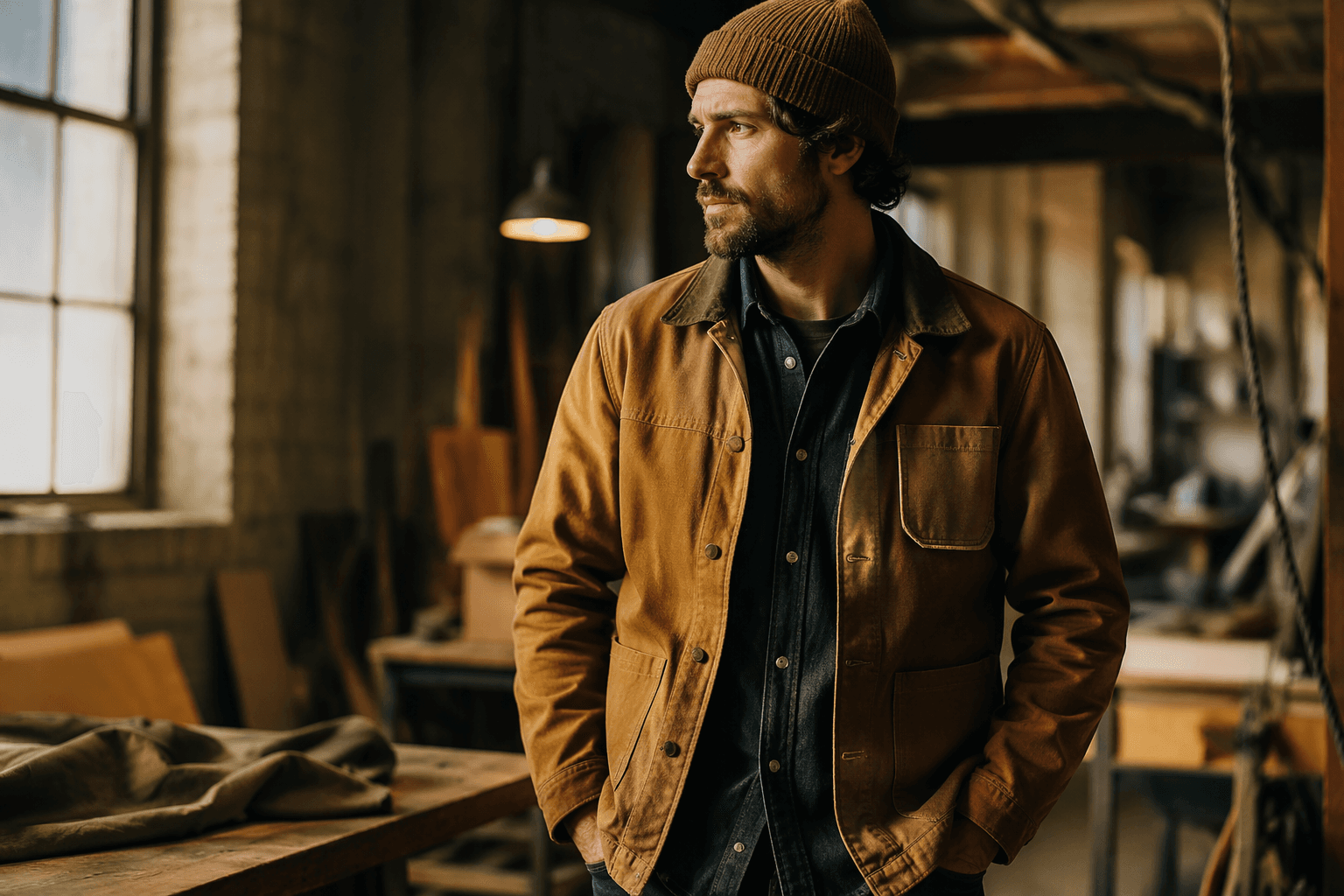
Aton is making a very specific kind of workwear: the kind that knows its way around the outdoors but refuses to look like a costume once you’re back in the city. The brand’s strongest pieces lean on custom-woven fabrics and old-world dyeing methods, which is a lot more interesting than another round of glossy nylon and pseudo-tactical styling. The result is clothing that aims for utility, yes, but with enough polish, drape, and texture to move through a smarter wardrobe without blinking.
A quieter lane inside technical wear
Aton sits in that softer, smarter corner of workwear-adjacent clothing where the priority is not just how much weather a jacket can take, but how good the cloth looks in daylight. The brand says it is built around a "real standard" for adults, and that phrase makes sense once you see how deliberately it talks about fabric, comfort, and finish. Its clothes are meant to feel "comfortable yet lustrous" and "crisp yet light," which is a much more persuasive pitch than the usual survivalist flex that dominates technical dressing.
That positioning matters because the market is crowded with gear that performs well but only really makes sense on a hike, a bike, or a cold platform at 7 a.m. Aton is after something more usable in the everyday sense: trousers, outer layers, and shirts that can live in a wardrobe with loafers, leather sneakers, and a clean overshirt, not just trail shoes and a shell. For readers who want clothes that work in the city without losing their function-minded edge, that crossover is the whole point.
Yasuharu Kuzaki and the brand’s design logic
Aton credits Yasuharu Kuzaki as director, and the brand’s tone is unmistakably his. Founded in 2016, Aton describes itself as trying to upgrade the conventional idea of "STANDARD," which is a very Japanese way of sounding humble while actually being deeply exacting. It also frames its process as a journey from "0" to "100," from design through production, which tells you the brand is not interested in loose, trendy improvisation.
The name helps explain the mindset too. Aton says it comes from "A to N," the first and last letters of the Japanese alphabet, which gives the label a built-in sense of completeness. That idea of wholeness shows up in the way the brand talks about manufacturing: careful use of the material’s original character, uncompromising craftsmanship, and a cross-category lineup for both men and women. In other words, this is not a brand chasing viral fashion moments. It is building a total wardrobe system around restraint, precision, and feel.
The fabric story is the whole show
The clearest proof of Aton’s obsession is its 2026 spring-summer DORO SILK fabric note. The silk taffeta is woven in Yunnan Province, China, then mud-dyed using a traditional Chinese technique that Aton says is more than 500 years old. That alone gives the fabric a story worth talking about, but the actual process is even better: orchid roots, iron-rich mud, sun-drying, and repeated washing and sun-drying cycles.
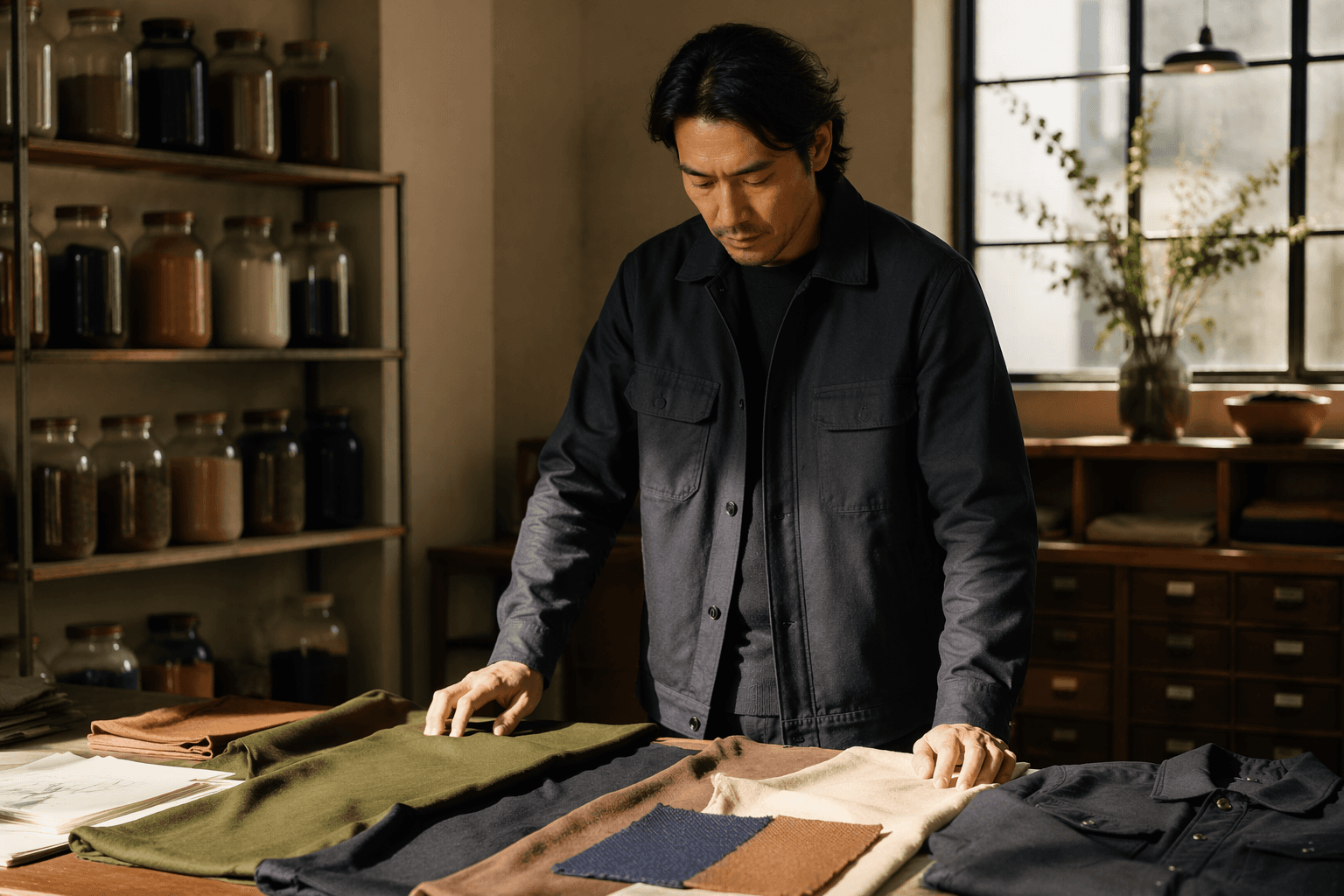
That kind of finish produces a fabric with a rich shaded brown color, a crisp texture, and lightness. Those three qualities are exactly why Aton feels different from performance-first outdoor brands. The color is earthy without looking muddy, the hand is structured without feeling stiff, and the weight stays light enough to wear comfortably in warmer weather or layered under a jacket. It is the sort of material detail that changes how a garment reads the second you put it on.
Why that matters on the body
There is a big difference between clothing that simply functions and clothing that earns repeat wear because it feels refined. Aton’s fabric-first approach makes the latter case. A mud-dyed silk taffeta sounds niche on paper, but in practice it pushes utility dressing toward something more grown-up, more tactile, and more adaptable to polished environments.
That is where Aton has real crossover value. The brand’s clothes make sense for someone who wants one wardrobe to do several jobs: commute, travel, work in a smart-casual office, and still look intentional after hours. The appeal is not that the pieces scream technical credibility. It is that they quietly suggest it, then stop just short of looking overdesigned.
Where Aton fits in the current wardrobe conversation
Aton’s 2026 SS collection is active on the brand’s homepage, which makes the label feel very much in the present tense, not like a heritage archive being politely rediscovered. That matters because this lane of workwear is gaining traction right now: less brute-force utility, more fabric literacy; less obvious function, more elevated restraint. Aton is one of the cleaner examples of that shift.
What makes the brand stand out is how little it relies on obvious styling tricks. No aggressive branding, no loud technical theater, no attempt to turn every pocket into a personality trait. Instead, it leans on custom weaving, century-old dyeing, and silhouette control to make outdoor clothing feel like something you could actually live in all day, then keep on for dinner. That is a stronger proposition than pure performance gear, and in 2026 it may be the smarter one too.
For anyone building a wardrobe that has to cross from train to office to weekend without changing personality, Aton’s lane is compelling precisely because it is quieter than the market around it. It treats technical clothing like craft, and that is why it lands with more authority than most of the category’s louder players.
This article was produced by Prism’s automated news system from verified source data, official records, and press releases, then run through automated quality and moderation checks before publishing. The system is built and supervised by the people who set the standards it runs under. Read our full AI policy.
Did this article answer your question?