Bad Bunny and Zara blend streetwear with tailored power dressing
Bad Bunny’s Zara line is bigger than a celebrity drop. Its sharpest pieces are the summer-weight suits, which can move from office to night out with almost no translation.
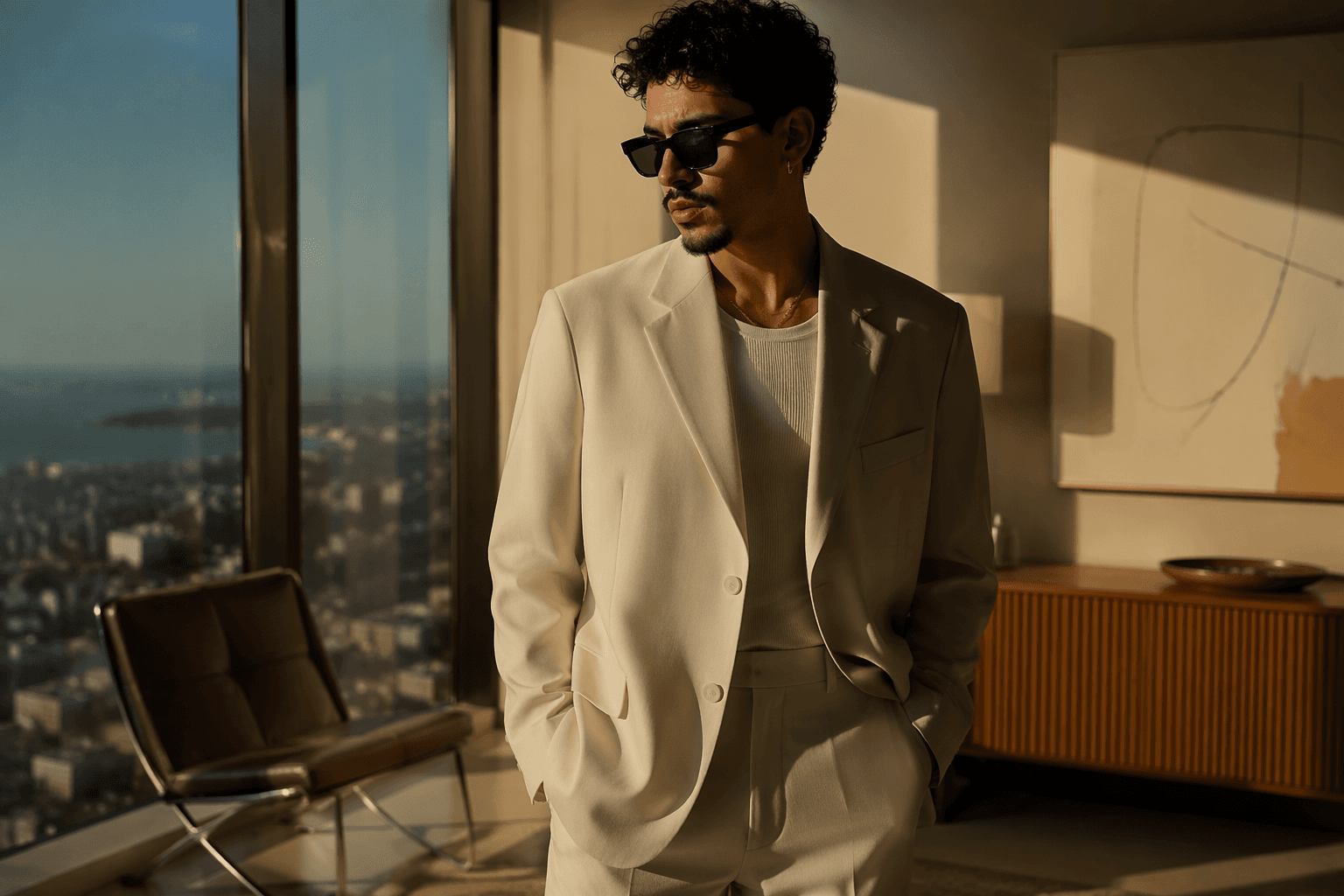
The sharpest thing in Bad Bunny’s Zara collection is not the merch-y streetwear. It is the tailoring. In a 150-piece drop that stretches from hoodies and caps to full suits, the most useful pieces are the ones that can actually enter a real wardrobe: a linen-and-wool-blend suit, a small run of summer-weight tailoring, and the cotton separates that can sit under a blazer without looking forced. That is what makes Benito Antonio feel less like fan service and more like a mass-retail test of how far workwear can be loosened up without losing structure.
Tailoring is the collection’s clearest signal. Zara has kept the suit offering intentionally small, describing it as a limited section of tailoring made in fabrics developed for the summer season. One look, Look 01, is a linen and wool blend suit, which tells you almost everything about the intended use case: breathable enough for warm weather, polished enough for meetings, and soft enough to avoid the stiffness that often makes celebrity suiting feel costume-like. If you are looking for the pieces with the most mileage, this is where the value sits.
The bigger fashion story here is not just that Bad Bunny is wearing a suit. It is that the suit has been edited to behave like everyday clothing. Summer-weight fabric matters because it changes the equation for office dressing: the jacket can work over a tee, the trousers can stand up to smart-casual rotation, and the whole set can be broken apart instead of treated as a special occasion uniform. That is where this collaboration moves beyond hype and into actual wardrobe utility.
The streetwear side gives the tailoring its edge. Zara says the line also includes cotton pieces in bright summer colors, plus everyday staples such as hoodies and caps. Those are the pieces that make the collection feel wearable rather than ceremonial. They soften the formality of the suits and create a more believable wardrobe system, one built on mix-and-match layers instead of one-off statement dressing.
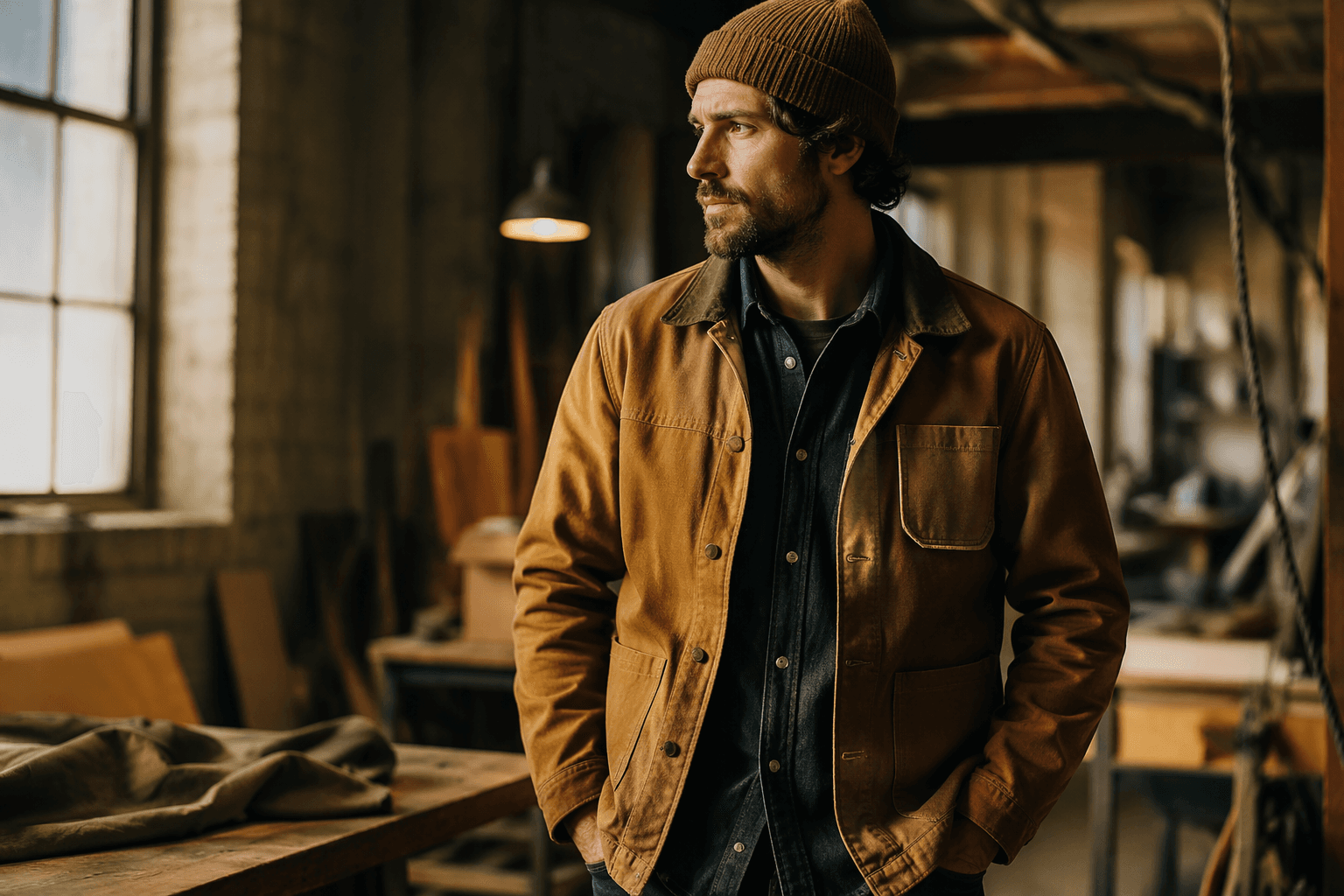
For workwear readers, that balance is the point. A hoodie under a blazer, a cap with a clean trouser, a bright cotton shirt with tailored pants, these are the combinations that let the collection cross into creative-professional territory without looking like office cosplay. The tailoring anchors the look; the streetwear keeps it current.
The scale of the drop says as much as the clothes do. A 150-piece collaboration is not a capsule designed for a niche crowd. It is a retail-wide merchandising play, the kind of large-format launch that lets a brand cover every corner of the wardrobe: utility, off-duty, office-adjacent, and going-out. In practical terms, that breadth is what makes the collection interesting to shoppers who are not chasing celebrity novelty. There is room here for uniform-building pieces, not just one standout item.
That scale also tells you how mainstream retailers are thinking about work-to-weekend dressing now. The old split between “fashion” and “functional” has blurred; the strongest commercial idea is clothing that can travel between a desk, a dinner reservation, and a weekend errand run. Zara is essentially using Bad Bunny’s name to stress-test that crossover at volume.
Puerto Rico is not just the backdrop here. It is the collection’s design language. Zara says the project was conceived in Puerto Rico and rooted in Benito Antonio Martínez Ocasio’s personal world. The campaign was filmed there as well, and the creative credits make the geography feel central rather than decorative: Benito Antonio Martínez Ocasio is credited with creative direction, Janthony Oliveras with design, M/M Paris with graphic design, and Stillz directed the campaign. That matters because the collection is not trying to borrow Caribbean references from a distance. It is presenting Puerto Rico as the source.
That grounding gives the clothes more credibility than the average pop-star collab. The bright cottons and light tailoring read as climate-aware, which is exactly what makes them useful. Pieces designed with Puerto Rico in mind naturally lean into airiness, ease, and movement, the same qualities that make them adaptable to a modern office or a creative studio.
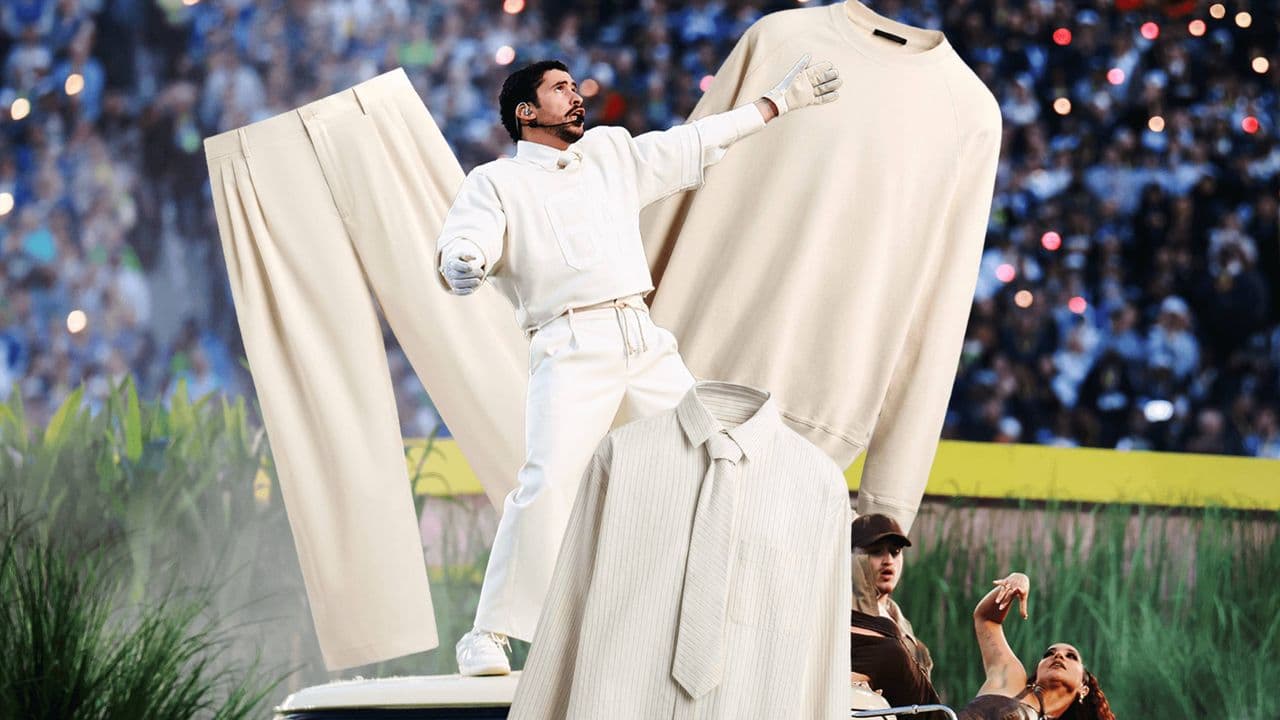
The rollout was engineered to build momentum before the clothes ever reached stores. Bad Bunny had already been wearing custom Zara looks at the 2026 Super Bowl Halftime Show and the Met Gala, which turned the collaboration into a slow-burn fashion story rather than a single launch-day announcement. The collection then appeared first at a pop-up inside Zara at Plaza Las Américas in San Juan, before broader availability online and in select Zara stores began on May 21, 2026.
That sequence is smart retail. The teaser looks created appetite, the San Juan pop-up gave the project local weight, and the wider release positioned it as a global Zara event. The timing at 12 a.m. local time underlined the scale of the launch, but the clothes themselves are what will decide whether this collaboration has staying power beyond the first rush.
If you are shopping it with workwear in mind, the edit is clear. Go first for the tailored pieces, especially the linen-and-wool-blend suit and any of the summer-weight separates that can be worn apart. Then look at the cotton pieces in bright summer colors, which can sharpen a weekday wardrobe without making it feel corporate. The hoodies and caps are the most casual part of the range, but even those matter because they help turn the collection into a true wardrobe system instead of a one-note celebrity merchandise moment.
What makes Benito Antonio worth attention is not that it reaches every shopper. It is that it tries to serve several dressing modes at once, and does so through the one category that still matters most in fashion retail: clothing that can be worn to work, then worn again after hours without apology.
This article was produced by Prism’s automated news system from verified source data, official records, and press releases, then run through automated quality and moderation checks before publishing. The system is built and supervised by the people who set the standards it runs under. Read our full AI policy.
Did this article answer your question?