Breathable workwear ideas for staying polished in summer heat
The sharp answer to summer office dressing is simple: breathable fabrics, roomier tailoring, and layers that survive both the sidewalk and the AC.
NOAA’s Climate Prediction Center issued a key message on June 23, 2026, warning of a late-June to early-July heat wave across the eastern and central U.S. Looking credible at work still matters when the commute feels like a steam bath and the office turns arctic the second you walk in. The smartest answer is not sloppy basics, but polished separates in breathable fabrics, cut with enough ease to let air move through them.
Start with the heat, then build the outfit
The pressure is real. CDC guidance for hot conditions recommends loose, lightweight, light-colored clothing and time in air-conditioned buildings during breaks and after work. Outdoor and indoor workers exposed to extreme heat or hot environments can experience occupational heat stress. OSHA says millions of U.S. workers are exposed to heat in their workplaces, and every year thousands become sick from occupational heat exposure, with some cases fatal.
The office uniform you pull together now has to handle more than a polished Zoom frame. It has to survive hot pavement, oversaturated subway platforms, and an office thermostat that feels set by someone who never leaves their desk.
Choose fabrics that do the cooling for you
Linen and cotton are the backbone here for good reason. They breathe, they dry faster than heavier fabrics, and they read relaxed without tipping into gym-class casual. When the goal is looking composed in heat, texture matters as much as color: a crisp cotton poplin shirt has a very different energy from a clingy jersey top, and a linen trouser looks intentional in a way a flimsy synthetic pant never does.
Light colors help too. Light-colored clothing helps manage how much heat the fabric holds onto. In practice, that means creams, pale stone, soft blue, muted khaki, and washed gray all make sense for the office when the forecast is punishing.
Let the silhouette breathe
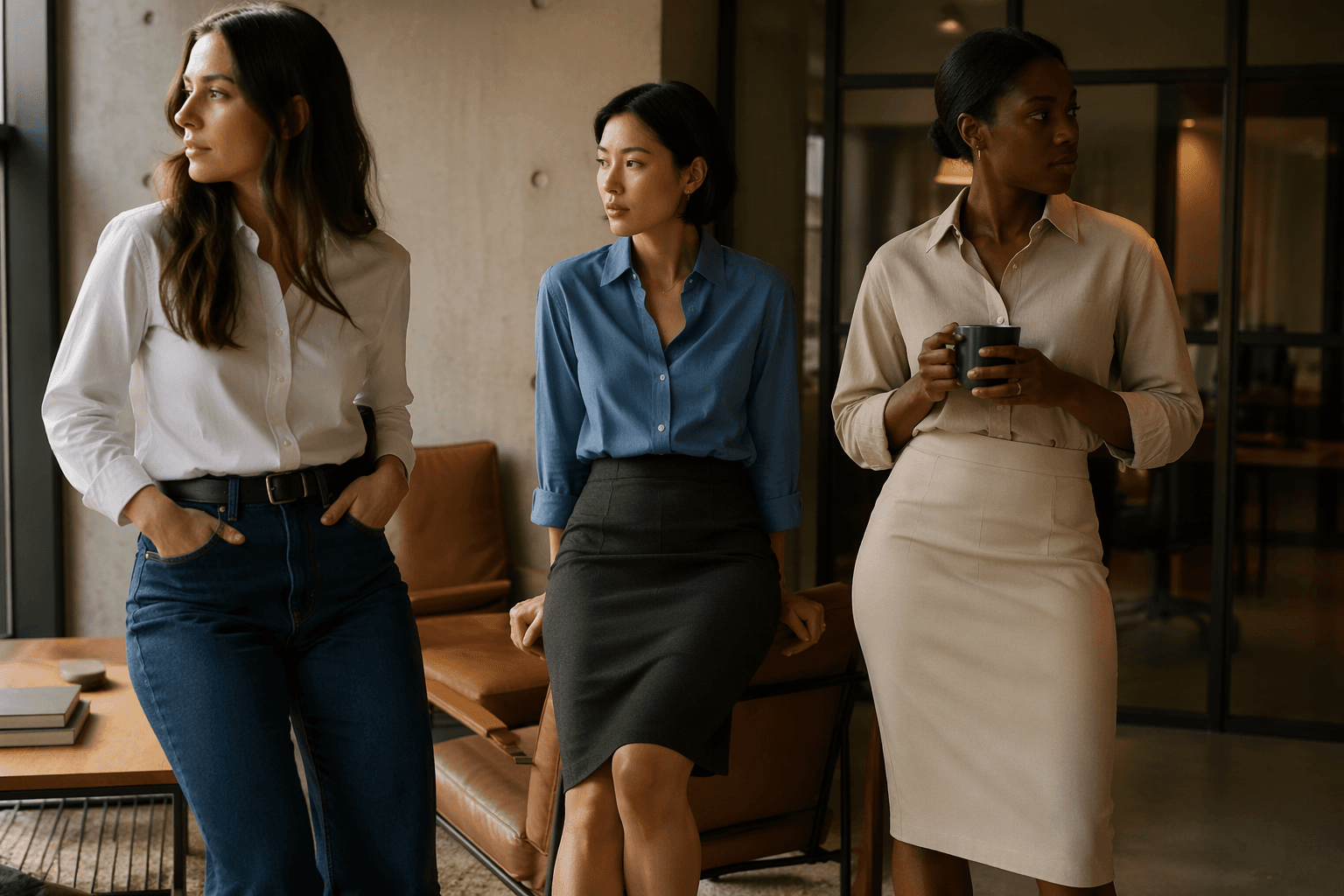
The shape language is consistent: lightweight trousers, midi lengths, and relaxed tailored silhouettes. That is the sweet spot. A trouser that skims the leg without clinging, or a midi skirt with enough structure to keep its line, looks far more polished than anything tight, shiny, or overworked by the weather.
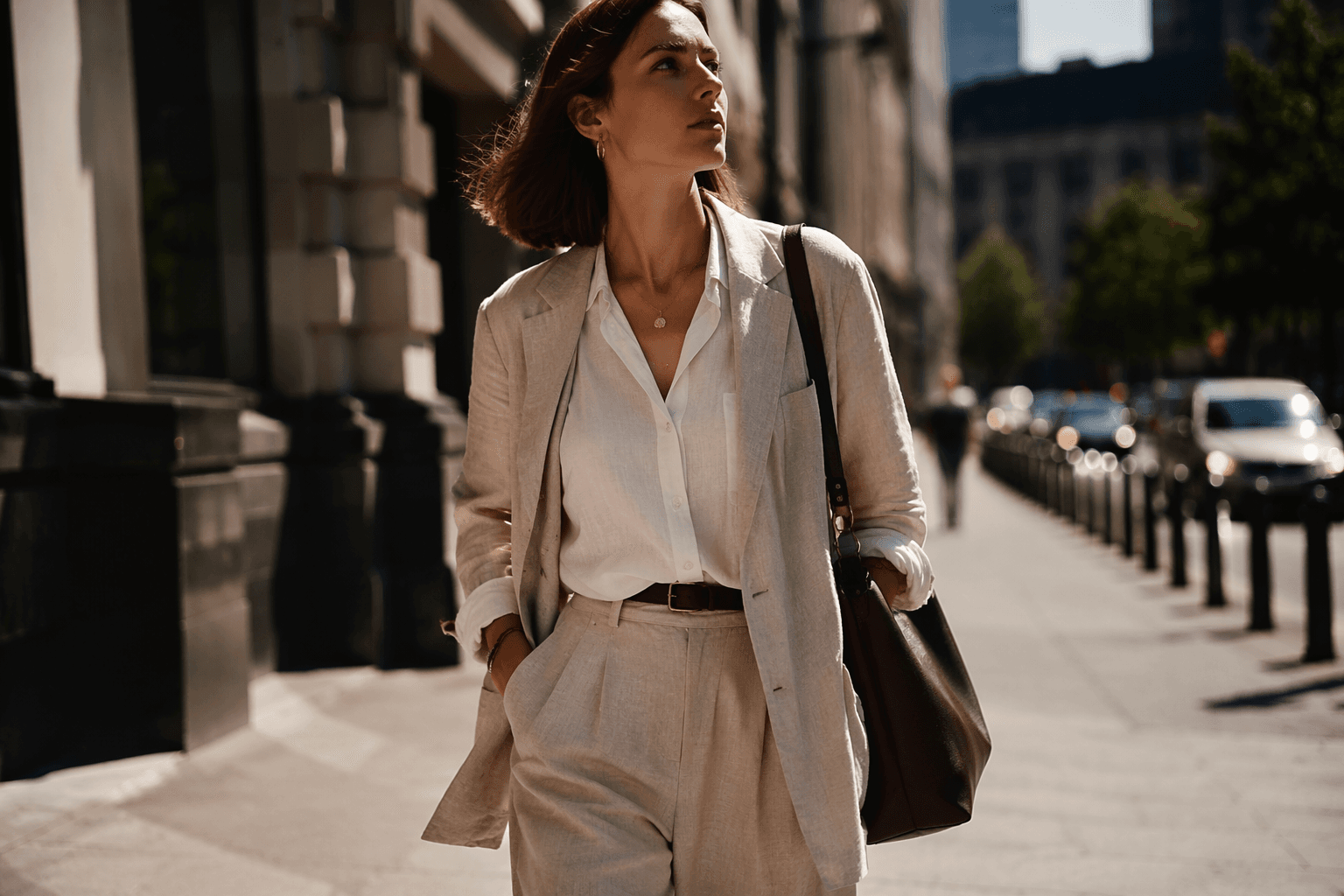
The key is ease without collapse. Think of tailoring that still understands the body, but does not wrap it up like a winter suit. A blazer can be soft through the shoulder, a shirt can fall away from the torso, and a dress can be cut with movement so it catches air when you walk.
Build formulas that survive commute, desk, and air-conditioning
The office outfit challenge now is split in two. Outside, the commute is sweltering; inside, the air-conditioning can be cold enough to make you regret every sleeveless decision. The fix is layering that is light, not bulky, so you can move between those temperatures without scrambling.
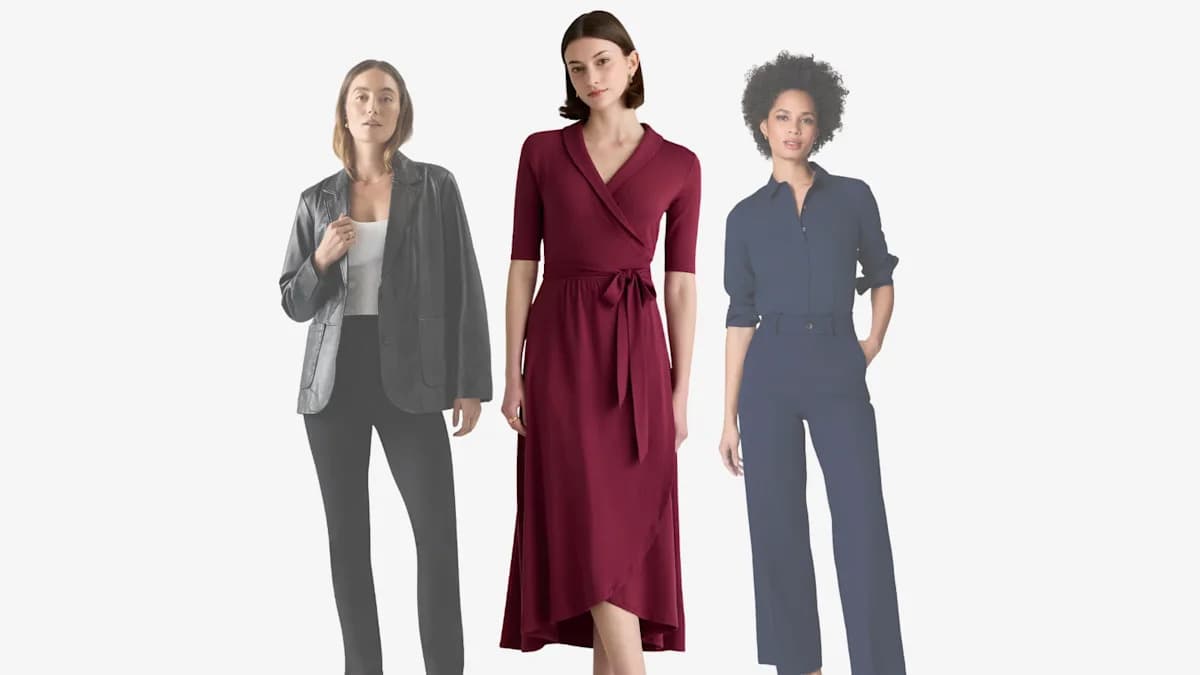
- A linen trouser, a cotton shirt, and a thin layer over the shoulders work for more traditional offices.
- A midi skirt with a polished top and a relaxed blazer keeps the silhouette refined without trapping heat.
- A tailored jumpsuit or one-piece in a breathable fabric works when you want minimal fuss but still need a clean, office-ready line.
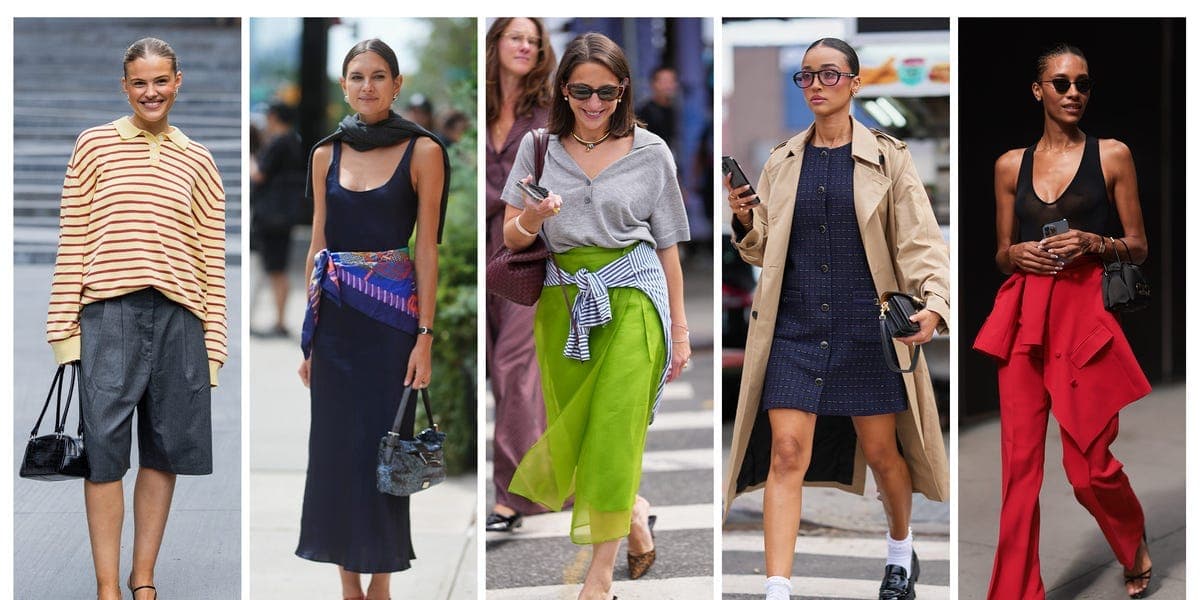
What these formulas have in common is that none of them depend on looking “casual” to feel comfortable. Polished separates that can handle high temperatures and humidity and still function in a corporate environment or a more relaxed startup setting are all over 2026 office-style roundups, including Harper’s Bazaar’s.
Keep the polish in the details
Neutral and muted tones are the safest lane because they make breathable fabrics look deliberate. Linen in a harsh neon can feel beachy fast; linen in sand, olive, white, or navy reads far more office-ready. The same goes for fit. Even the lightest cotton shirt loses its edge if it is too oversized and rumpled, while a trouser with a clean front and an easy leg keeps the look crisp.
This is also where office dress code matters. If your workplace still expects structure, the answer is not to abandon tailoring, but to soften it. If your office is more relaxed, the same principles still apply: breathable fabric, clean line, controlled color, and enough shape to look considered when you sit down at the table.
This article was produced by Prism’s automated news system from verified source data, official records, and press releases, then run through automated quality and moderation checks before publishing. The system is built and supervised by the people who set the standards it runs under. Read our full AI policy.
Did this article answer your question?