Brunello Cucinelli blends cargo pants, suits and cashmere heritage
Brunello Cucinelli makes cargos and safari jackets feel boardroom-ready, pairing workwear shapes with ties, cashmere and soft tailoring. The result is utility dressed as status.

Cargo pockets, safari jackets and garment-dyed surfaces carried the authority of a suit in Brunello Cucinelli’s spring 2027 men’s collection, shown on June 20, 2026, during Milan Men’s Fashion Week. Utility came through as a white-collar proposition: not nostalgia, but polish with a purpose.
Executive utility, remade
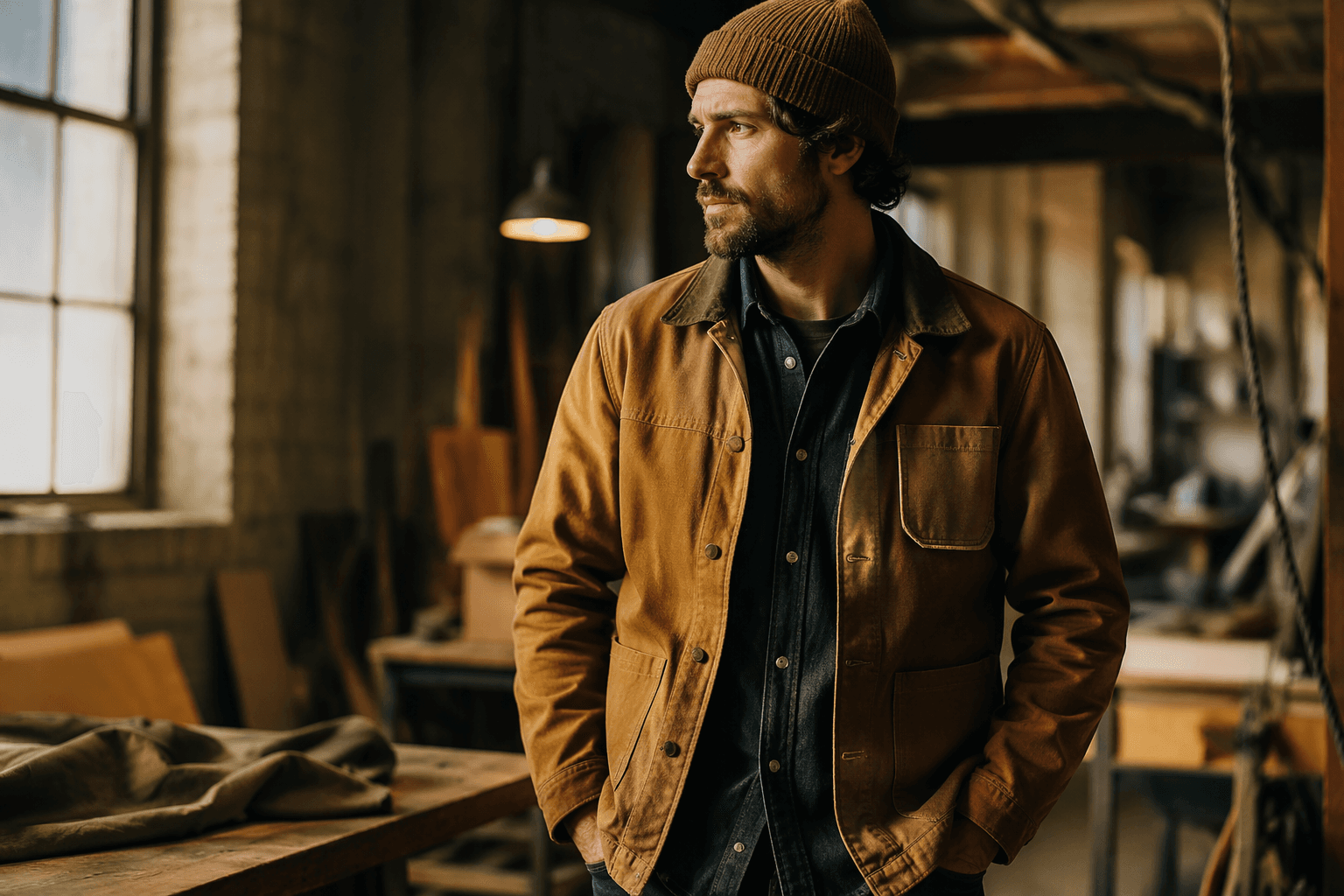
The collection’s sharpest idea was the collision of workwear structure with tailoring discipline. Cargo pants came through in garment-dyed finishes, safari jackets sat beside tailored suits, and ties were used less as corporate armor than as styling punctuation, softening the divide between field and office. That mix-and-match attitude is what gives the lineup its force: the clothes look practical, but they read as elevated, the kind of wardrobe a man could wear from a meeting to a flight without changing character.
What makes the proposition distinctive is the absence of hard edges. Instead of treating cargos as a casual throwback, Brunello Cucinelli dressed them in a lived-in, slightly vintage mood that made the pieces feel worn-in rather than rough. The effect pushes the brand’s workwear story away from streetwear copy and toward something more specific: luxury office and travel dressing for men who want ease without looking casual.
Cashmere as the counterweight
The collection’s utility pieces were balanced by the house’s most recognizable language, cashmere with a softened hand and a familiar Brunello Cucinelli warmth. Cable-knit cardigans, crewneck sweaters and half-zips anchored the lineup, giving the more utilitarian silhouettes a tactile center of gravity. The palette moved through blues and sage green, then opened into apricot, orange and raspberry, which kept the knits from feeling purely neutral or managerial.
A cargo pant in a washed tone, paired with a cashmere layer in sage or blue, feels like travel clothing with status; the same shape in apricot or raspberry becomes something more editorial, more knowingly styled.
The philosophy behind the clothes
Brunello Cucinelli has spent decades framing luxury through craftsmanship, humanistic capitalism and the dignity of work, and this collection sits neatly inside that worldview. The company traces its cashmere story to Solomeo, Umbria, in 1978, when Brunello Cucinelli began building the business around colored cashmere and Italian artisanal know-how.

Cucinelli framed the season around William Shakespeare’s *The Tempest* and the line “Thought is free.” The collection was designed around “the contemporary man who refuses imposed definitions,” a phrase that fits the clothes themselves: a man in a safari jacket, but with a tie; a man in cargo pants, but cut from the same universe as a suit.
Why the timing feels right
The broader menswear mood has been moving away from rigid suiting, and Brunello Cucinelli is taking advantage of that shift without abandoning refinement. These are not parody work pants or fashion-editor cargo fantasies. They are luxury garments that borrow the visual grammar of labor, then recode it through cashmere, tailoring and careful dyeing.
The brand’s interpretation keeps the silhouette relaxed but never sloppy, and lets ties and suits coexist with safari jackets without turning the result into costume.
A brand moving from strength
Brunello Cucinelli reported first-quarter 2026 revenue of €369.1 million, up 8.1 percent on a reported basis and 14.0 percent at constant exchange rates. The Americas rose 20.3 percent and Asia grew 17.8 percent at constant exchange rates.
Cucinelli himself was not in Milan for the presentation because he was in Shanghai for the rollout of Giuseppe Tornatore’s documentary, *Brunello: The Gracious Visionary*. The film had already premiered at Rome’s Cinecittà Studios and New York’s Lincoln Center, and was moving on to the Shanghai International Film Festival.
This article was produced by Prism’s automated news system from verified source data, official records, and press releases, then run through automated quality and moderation checks before publishing. The system is built and supervised by the people who set the standards it runs under. Read our full AI policy.
Did this article answer your question?