Carhartt WIP turns broken-in workwear into a fashion statement
Carhartt WIP is charging premium prices for the look of a life already lived. The real test is whether the distressing reads as earned, or just engineered.

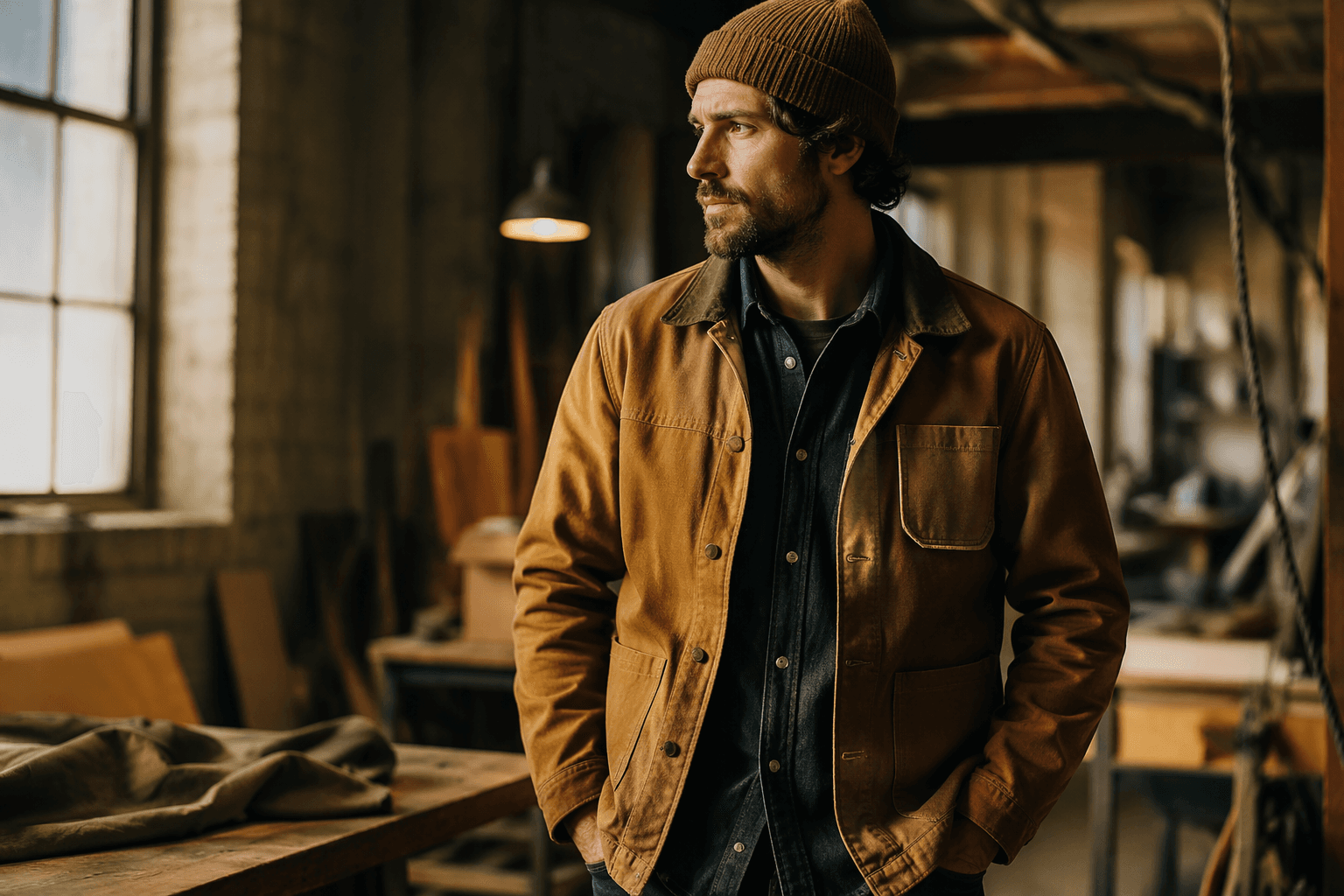
Broken-in workwear has officially gone from evidence of a job well done to a design language with a markup. Carhartt WIP’s FW26 preview leans hard into paint flecks, fading, rips, holes, and that slightly busted patina people usually spend years building themselves. The result is a collection that looks like it has already been through something, which is exactly why it lands so sharply right now.
The new luxury is looking used
Carhartt WIP is betting that the market no longer wants workwear to look pristine. It wants clothes that feel collected, handled, and lived in, but still cleaned up enough to sit in a fashion lineup. That is the tension running through the FW26 preview, where the brand’s signature utility silhouettes are being pushed into a more deliberate, highly priced version of vintage authenticity.
The official language around the collection makes the point plainly: “texture, feel, and finish” are central, and the preview introduces new fabrics, washes, and prints, from a hand-finished destroy wash to garment-dyed ripstop and a new duck-feather-print camo. This is not accidental abrasion. It is controlled damage, built to sell the illusion of time.
That matters because vintage workwear has become one of fashion’s most durable obsessions. Everyone wants the story that comes with a faded jacket or a paint-marked pant leg, but not everyone wants to wait for the story to happen. Carhartt WIP understands that better than most labels, and FW26 is a crisp example of how the brand monetizes that craving without abandoning the hardwearing image that made people care in the first place.
What the FW26 preview actually looks like
The destroyed finish shows up across some of the collection’s most familiar shapes. The OG Arcan Jacket gets the destroy treatment, creating an intentionally distressed, worn-in finish. The OG Double Knee Pant follows the same logic, with paint accents throughout. So does the Hooded Painter Jacket, which makes sense on a silhouette already linked to labor and mess. The Painter Sweatshirt, Painter Polo, and Denim Tote extend the same idea beyond the obvious outerwear staples.
The pieces are doing two things at once. On one hand, they keep the utility details that make Carhartt WIP feel credible: double-layer knees, tool pockets, and hammer loops are still part of the language. On the other hand, the brand is heightening the visual drama, making the garments read as if they have already earned their scuffs. That combination is the whole trick. The clothes need to look hard-worn without tipping into costume.
There is also a quieter point here about silhouette. A double-knee pant naturally supports the narrative of work and wear, because the reinforcement already implies use. A jacket with faded canvas and paint marks feels similarly believable. A tote bag or sweatshirt, though, has less built-in logic for damage, which is where the line between convincing and overdesigned starts to matter.
The price of pre-worn credibility
The numbers tell you exactly how much fashion is willing to pay for that “already lived in” effect. The OG Arcan Jacket is priced at $348. The OG Double Knee Pant comes in at $248, with another colorway listed at $215. The Hooded Painter Jacket is $218. The Painter Sweatshirt is $175, the Painter Polo is $108, and the Denim Tote is $125.
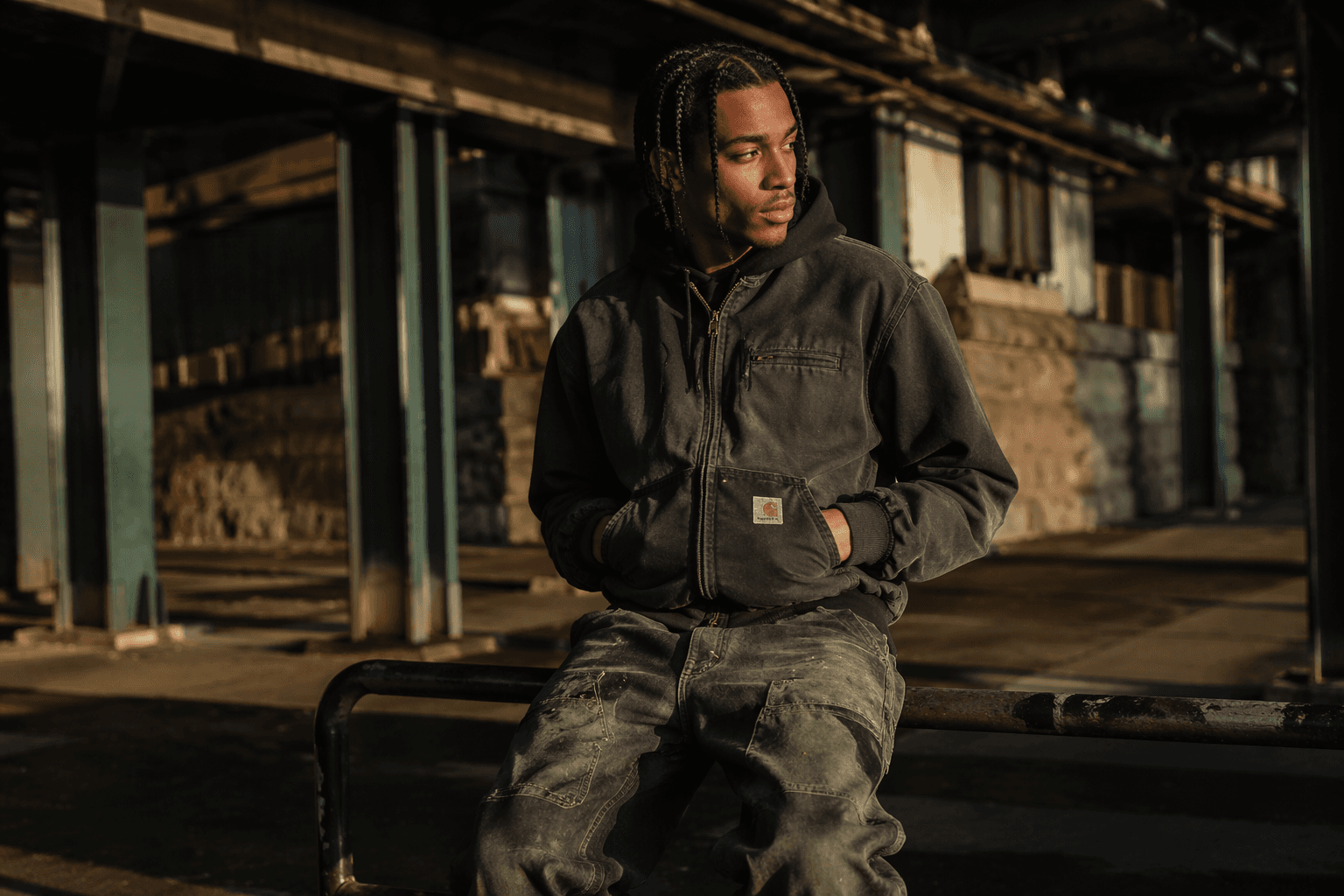
That pricing is the story as much as the distressing itself. Carhartt WIP is not selling bargain-bin laborwear here. It is selling the visual cues of age, use, and abrasion as a premium language, and the market is clearly receptive. A $248 pant that looks broken in before it ever touches pavement says a lot about where fashion is right now: authenticity is no longer just found, it is manufactured.
The sharpest consumer question is whether that manufacture is convincing. Some pieces will pass the test because the distressing matches the garment’s job. A paint-splattered painter jacket makes sense. A double-knee pant with worn edges makes sense. Once the damage starts feeling too evenly distributed, too photogenic, too perfectly distressed, the illusion cracks. Then it stops reading as heritage and starts reading as product development.
Why Carhartt WIP can pull this off
Carhartt WIP has always had a foot in two worlds. The label was established in 1994 by Edwin Faeh as a reinterpretation of Carhartt, the American workwear brand founded in 1889. Carhartt’s own history also says the Work In Progress label began in 1989 to serve consumers in Europe and Asia who wanted refined design that stayed true to Carhartt’s DNA. That dual identity is the foundation here: one side rooted in utility, the other in fashion’s appetite for polish.
The preview collection format matters too. Carhartt WIP releases these previews twice a year, in May and November, as a bridge between seasons rather than the final seasonal statement. That timing gives the brand room to float ideas before the main market settles, and FW26 uses that space to push its most visually charged take on workwear yet. It is less about rugged necessity than about the aesthetic value of ruggedness.
That is why the destroyed finish lands now. The current market loves pieces that look archived, handled, and a little stubborn. It wants the texture of a garment with a past, whether that past is real or carefully simulated. Carhartt WIP is simply making the premise explicit: if the customer wants years of wear, the brand is happy to sell them the look on day one.
How to read the trend without getting fooled by it
The best way to wear this kind of workwear is to let the garment’s structure do the heavy lifting. Pieces like the OG Double Knee Pant and Hooded Painter Jacket work because the distressing reinforces the silhouette instead of fighting it. Pairing them with clean basics, plain tees, simple knitwear, or sturdy boots keeps the look grounded and stops it from sliding into gimmick territory.
The weaker version of the trend is when every surface is already scarred but nothing about the shape feels functional. Then the clothing starts to resemble a styling exercise instead of a believable object. That is the real divide in pre-distressed workwear now: not whether it looks worn, but whether the wear feels like it belongs there.
Carhartt WIP’s FW26 preview is strongest when it keeps that tension alive. It turns labor marks into luxury cues, but it also reminds you that authenticity in fashion has become something you can buy, provided the fade, the paint, and the tear are convincing enough to fool the eye.
This article was produced by Prism’s automated news system from verified source data, official records, and press releases, then run through automated quality and moderation checks before publishing. The system is built and supervised by the people who set the standards it runs under. Read our full AI policy.
Did this article answer your question?