Celebrity stylists become fashion’s new power players
Celebrity stylists are now shaping brand image, red-carpet value, and office dress codes. The new authority playbook runs straight from Zendaya to the corner office.

The stylist is no longer backstage
Law Roach did not just dress celebrities. He helped turn styling into a power job, the kind that shapes how fame looks, how brands speak, and what counts as polished in public. That is the real story here: celebrity stylists have moved from accessory to infrastructure, and the industry is treating them like cultural powerbrokers because that is exactly what they have become.
In 2023, the CFDA said the role of the celebrity stylist had never been more visible and that stylists play a critical part in building a star’s image. That tracks. Law Roach, who announced his retirement from celebrity styling on March 14, 2023, became one of Hollywood’s most powerful stylists precisely because his work went beyond clothes. He built visual identity. He gave stars a repeatable language, the kind that can be recognized from across a carpet, a screen, or a campaign.
Why red-carpet influence now reaches the office
The awards-season machine made this power impossible to ignore. The Hollywood Reporter’s Red Carpet Power Rankings use Launchmetrics’ Media Impact Value, which assigns a monetary value to every post, social-media interaction, and editorial story, to measure influence on the carpet. Once fashion is being scored like this, the stylist is not just picking a look. The stylist is shaping return on attention.
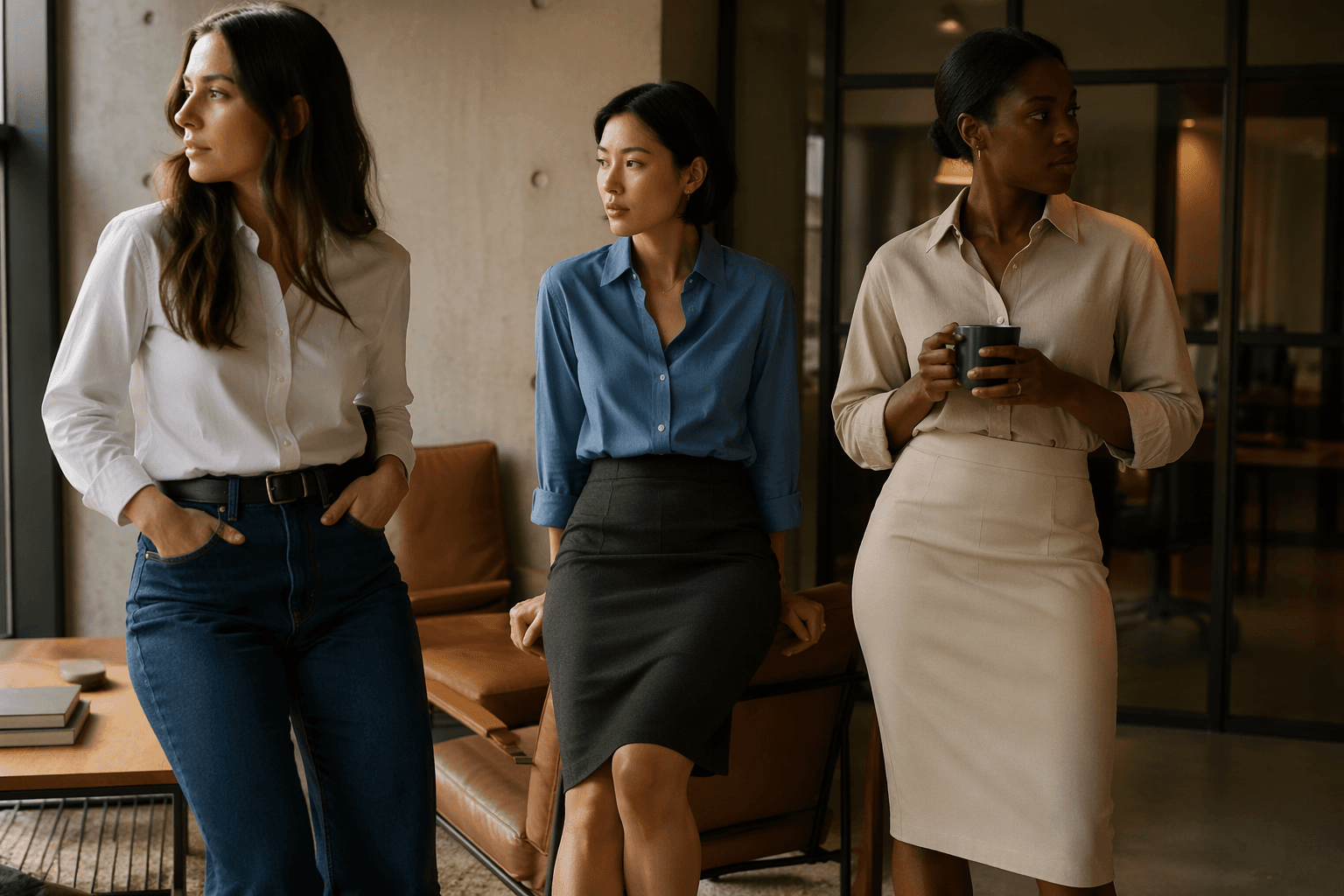
That matters far beyond Hollywood. When stylists help brands position a celebrity, they are also helping set the tone for the brand itself: who it feels for, how sharp it reads, how current it looks, and whether it feels corporate, creative, or quietly expensive. The same logic leaks into office dressing. If a look can be framed as authoritative on a red carpet, it can make a white-collar uniform feel less rigid and a lot more intentional.
From power dressing to power styling
This moment did not appear out of nowhere. Power dressing has always been part of the business-image playbook, especially for women who used tailoring to claim authority in rooms that were not built for them. The suit became a symbol of seriousness, then a symbol of aspiration, then a symbol of style. Now it has been remixed again.
The shift back toward more creative, fashion-oriented business dress for women has been tied not only to assertion, but to self-value and cultural pride. That is why the modern power suit feels different from the stiff versions of the past. It is not about disappearing into the office. It is about arriving with shape, intention, and a little attitude.
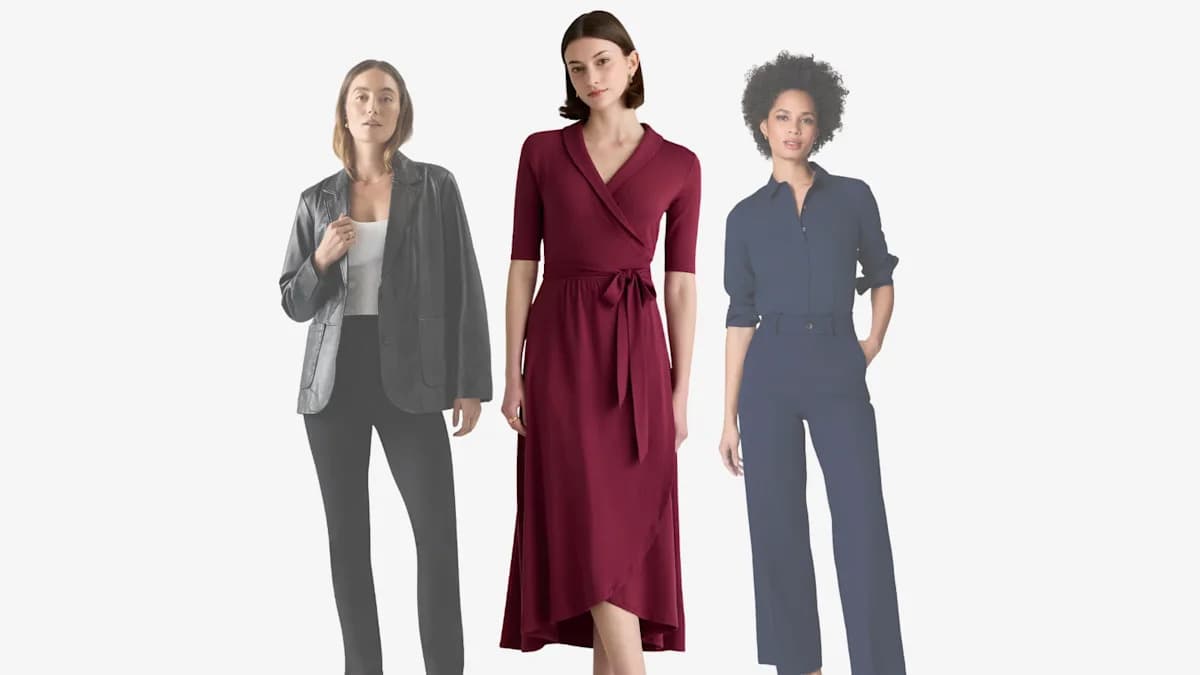
That is also why 2026 trend forecasting keeps circling oversized suits. The silhouette makes sense in a stylist-driven fashion climate. Bigger shoulders, looser trousers, and jackets that hang with force read as authority without looking trapped in old corporate stiffness. Even the most minimal version of the look carries a message: the wearer understands proportion, and the wearer is not asking permission.
How stylists build the new visual language
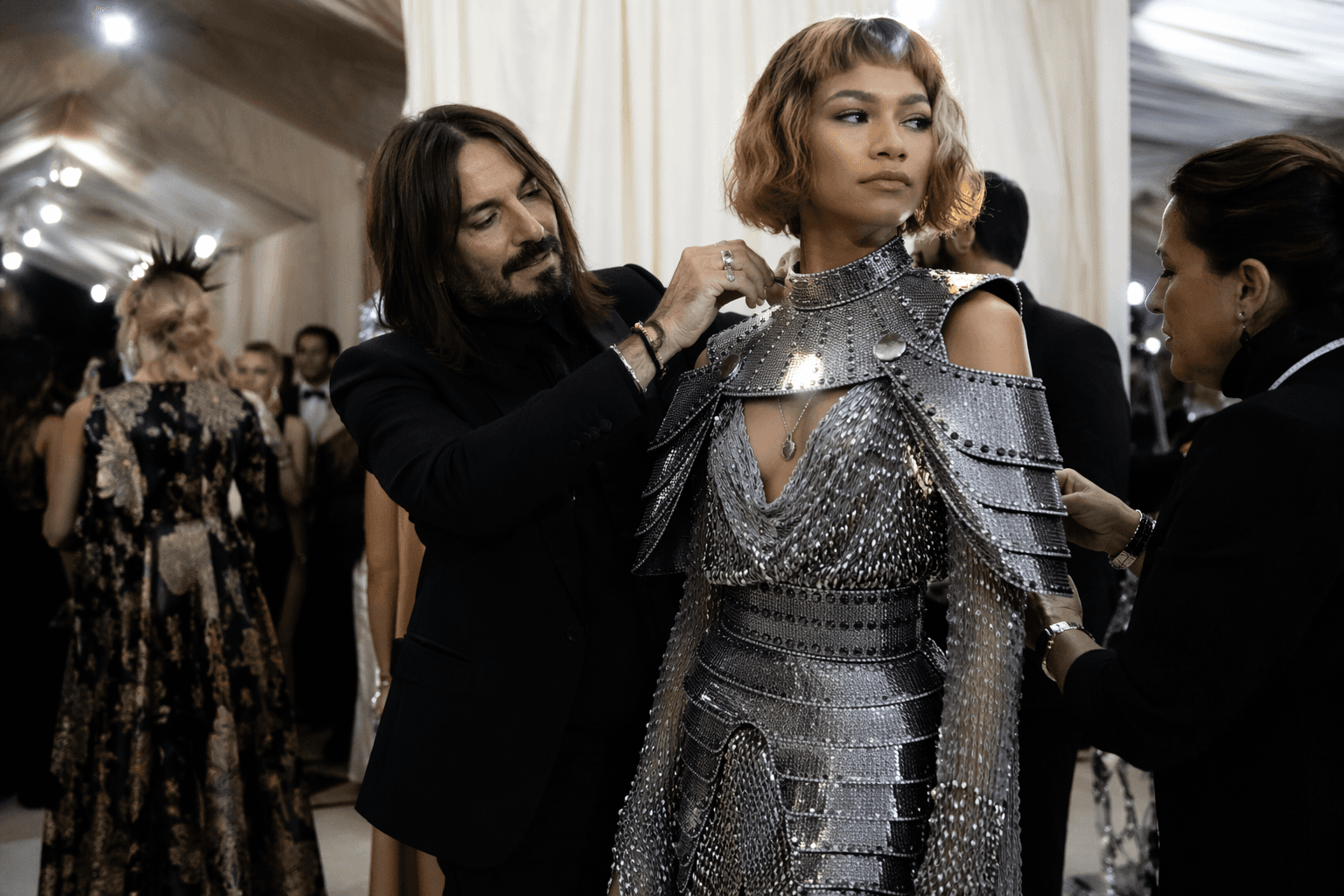
The clearest examples come from the pairs that have become shorthand for modern image-making. Law Roach and Zendaya showed how styling can create a signature narrative, one that can move from press tour to fashion week to brand campaign without losing coherence. Harry Lambert and Harry Styles did something similar, using gender-bending menswear and a constantly shifting visual language that made every appearance feel like a deliberate statement.
That is where terms like method dressing come in. The idea is bigger than a themed outfit. It is a strategy for controlling the story around a person, a campaign, or even a brand mood. When that trickles down to workwear, it changes what feels acceptable. A suit no longer has to mean conformity. It can mean creative authority, relaxed power, or a polished refusal to look boring.
- a strong shoulder that creates presence without trying too hard
- trousers with enough volume to feel modern, not corporate-revival costume
- monochrome layers that look considered from every angle
- a single sharp detail, like a sculptural lapel or a clean, pointed shoe
- tailoring that feels lived-in enough for a real workday, not just a photo call
The most interesting part is how quickly this has moved from red carpet theater into everyday professional dress. Office dressing now borrows the same ideas stylists use for celebrity image-building:
This is where the stylist becomes more than a clothes person. They are deciding what reads as credible, what feels aspirational, and what gets copied into campaigns, executive portraits, and public-facing uniforms. They help define the line between costume and code.
What this means for workwear now
The smartest workwear right now has the same qualities as the best celebrity styling: clarity, repeatability, and a point of view. A Thom Browne suit can still signal precision and discipline. An oversized suit can signal ease and control. A look inspired by a Zendaya moment can feel less like imitation and more like learning how power is styled in 2026.
That is the real shift. Stylists are no longer just making stars look good for a night. They are helping brands decide how authority should look, and in turn they are changing what office dressing is allowed to be. The new power player is not hidden behind the clothes anymore. The new power player is the person writing the visual script.
This article was produced by Prism’s automated news system from verified source data, official records, and press releases, then run through automated quality and moderation checks before publishing. The system is built and supervised by the people who set the standards it runs under. Read our full AI policy.
Did this article answer your question?