Chic utility leads spring 2026 menswear, with softer tailoring and color
Utility gets a polish job for spring 2026: lighter fabrics, flat cargo details, soft tailoring, and bright color make workwear look city-ready instead of rugged.

The new workwear brief
The most convincing workwear in spring 2026 is not trying to look hard. It looks edited, lighter on the body, and sharp enough to sit beside tailoring, which is exactly why chic utility feels new rather than nostalgic. Cargo details, technical parkas, and utility jackets are still here, but they have been stripped of excess bulk and recast in fabrics that move like daywear, not gear.
That shift matters because the season is not simply flirting with utility, it is folding it into a broader idea of easy dressing. Fluid silhouettes, lightweight layers, pajama dressing, artisanal textures, and color all point in the same direction: clothes that feel relaxed without looking lazy. For workwear readers, the important distinction is this, the utility story is not about looking rugged in a borrowed way, it is about making function feel polished enough for the city.
What is actually new in chic utility
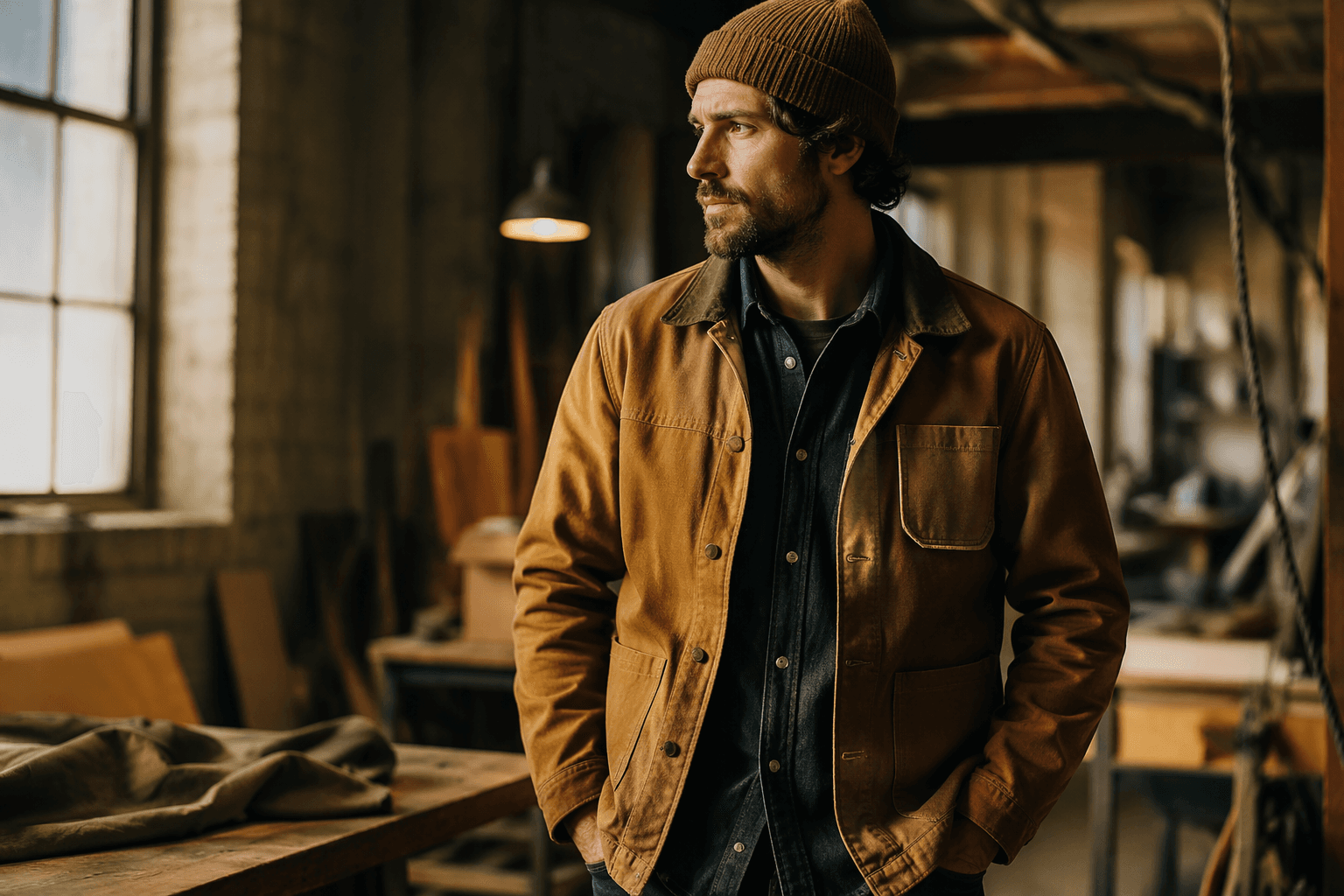
The real update is in construction, not attitude. Spring 2026 utility is cleaner at the edges, with lighter shells, flatter pocketing, and hardware that reads more refined than industrial. Utility jackets and technical parkas are being softened by relaxed shirting and fluid trousers, which keeps the silhouette practical while removing the old stiffness that used to define menswear workwear.
That is where chic utility separates itself from adjacent boho styling. Scarves, layered jewelry, crochet, and handcrafted textures are part of the same season’s conversation, but they belong to the softer, more decorative side of the story. In workwear, the useful thing is the jacket that still holds its shape in lightweight cloth, the cargo pocket that sits cleanly against the leg, and the outer layer that looks intentional rather than costume-like.
The garments to watch
The most persuasive pieces are the ones that treat utility as a design discipline. Technical parkas stay relevant because they solve weather without carrying visual weight, while utility jackets translate the same logic into a form that can be worn with tailored trousers or over a fine knit. Cargo details are back in the mix too, but the key change is restraint: the pockets are part of the silhouette, not a shout.
- lightweight outerwear with clean pocket placement
- relaxed shirting worn under soft jackets
- deconstructed jackets that lose bulk but keep structure
- fluid trousers that offset the straightness of utility tops
- hardware that feels matte, minimal, and city-ready
Look for:
FashionNetwork’s read on the spring/summer 2026 menswear calendar fits this shift neatly. The show schedule ran from June 17 to 29, and designers leaned into lighter fabrics such as cotton, linen, hemp, gauze, and seersucker, alongside deconstructed jackets and fluid trousers. That is the practical language behind the season’s polish: the shapes may reference workwear, but the hand and drape belong to warmer, easier dressing.
Color is doing more than decorating the look
Color is not an afterthought in this story, it is one of the forces making utility feel current. WWD singled out tomato red, pistachio green, butter yellow, faded pink, and cobalt blue, and those shades matter because they interrupt the usual workwear gravity. On linen, washed cotton, crochet, and lightweight knits, the palette loosens the silhouette and keeps utility from collapsing into khaki sameness.
Retailers noticed the same thing in Milan, where spring 2026 was described as a season of relaxed tailoring and vibrant colors. That combination is the season’s most commercially persuasive move: color gives utility a fashion edge, while tailoring keeps it wearable. The result is not a uniform in the old sense, but a wardrobe that can travel from office to weekend without changing its register.
Why buyers are leaning in
Pitti Uomo set the tone early by emphasizing versatility, especially workwear and soft tailoring, and that commercial logic is now visible in the collections buyers responded to. The season felt, in Sophie Jordan’s words, like a “reset” and “an invitation for men to dress with more freedom, emotion, and ease.” That is the language of a market that wants clothes to work harder emotionally without looking overdesigned.
Joseph Tang pointed to “the enduring strength of Italian craftsmanship and modern interpretations of the dandy,” and that helps explain why this season’s utility feels so polished. The strongest collections, including Giorgio Armani, Prada, Ralph Lauren, Umit Benan, Brioni, and Brunello Cucinelli, prove that the appeal is not one-note. Some lean into ease, some into precision, but the shared thread is that workwear is no longer being treated as a rough counterpoint to tailoring; it is becoming part of the same wardrobe conversation.
How to wear chic utility now
For anyone building a spring 2026 workwear wardrobe, the best pieces are the ones that look functional first and thematic second. Start with a lightweight utility jacket or technical parka, then pair it with trousers that move, not trousers that brace the body. The new proportion is relaxed, but not sloppy; it should feel like clothes that breathe, not clothes that sag.
The smartest way to approach the trend is to keep the material story front and center. Choose linen, cotton, hemp, gauze, seersucker, washed cotton, or lightweight knits when you want utility to look current, and avoid anything so heavy it drags the silhouette back into old workwear territory. Add color where the shape is simplest, because tomato red or cobalt blue does more for a cargo jacket than another round of styling tricks ever will.
Chic utility is spring 2026’s most useful menswear idea because it solves a real wardrobe problem: how to make workwear feel modern without losing its purpose. The answer is lighter fabric, cleaner construction, better color, and just enough polish to make function look desirable again.
This article was produced by Prism’s automated news system from verified source data, official records, and press releases, then run through automated quality and moderation checks before publishing. The system is built and supervised by the people who set the standards it runs under. Read our full AI policy.
Did this article answer your question?