Clothing subscriptions help hybrid workers build a polished work wardrobe
Hybrid work has blurred the office dress code, and the smartest subscriptions now save time without sacrificing polish. The best ones deliver reliable basics, clean tailoring, and low-friction returns.
The new work wardrobe is built for ambiguity
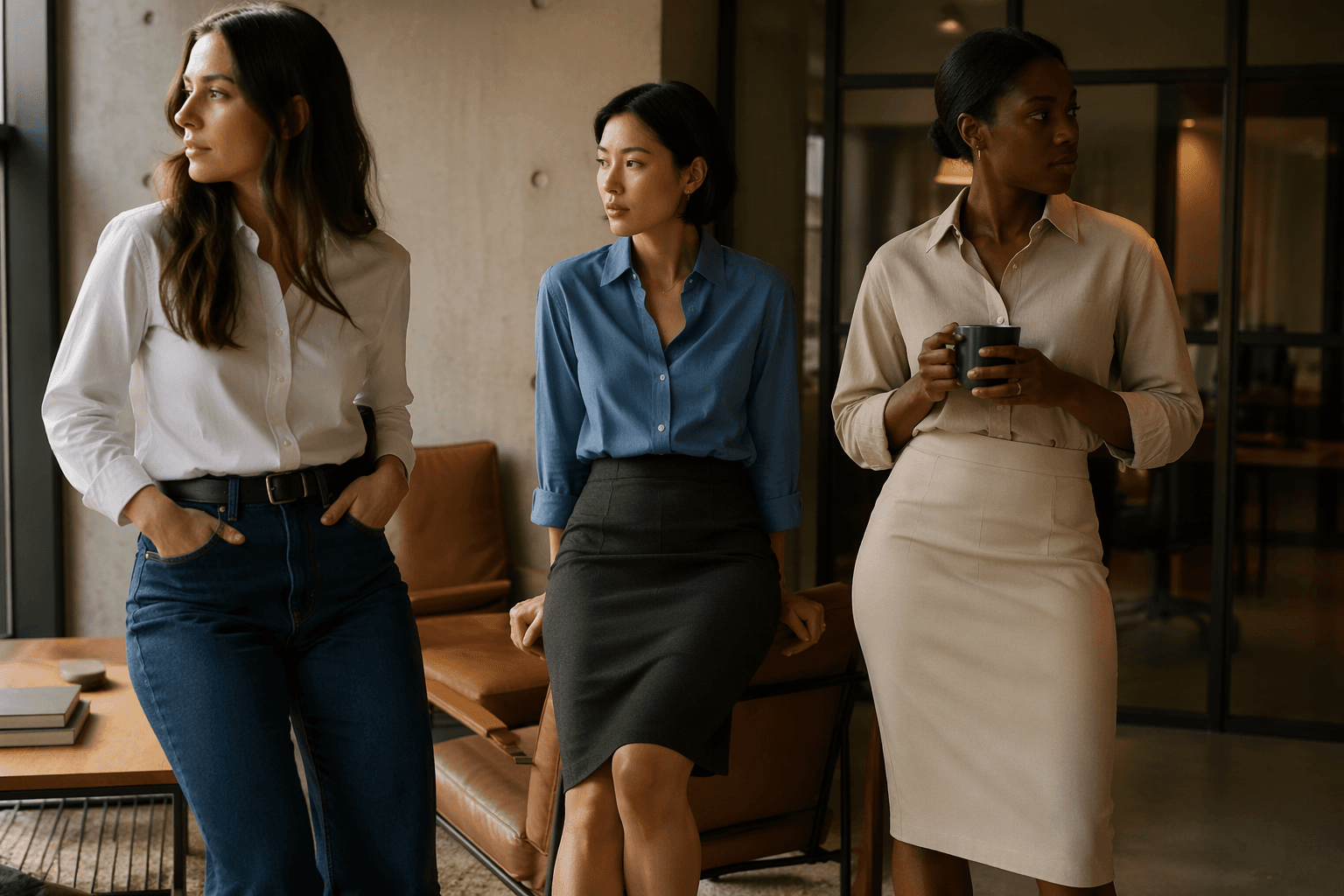
The modern office wardrobe no longer starts with a blazer and ends with a black pump. It has to survive a Zoom call, a commute, and a desk that may be anywhere from a coworking space to the dining room table. That is why clothing subscriptions have become so compelling: they promise office-ready looks, everyday basics, and a few more elevated pieces without the drag of a full-day shopping trip.
The demand is real. International Workplace Group found that 79% of hybrid workers dress differently now because flexible work has changed the way they get dressed. Its 2025 Workwear Reimagined report says workers want clothes as flexible as the jobs they hold, and that Gen Z and millennials are especially stressed about what to wear to work. Monster added another clue in January 2025: 43% of workers said they had not worked in an office with a dress code in the past year. That is the wardrobe problem subscriptions are trying to solve.
What a good subscription should actually do
The best clothing subscription is not the one with the most polished marketing. It is the one that reduces decision fatigue, keeps fit guesswork to a minimum, and makes it easier to land on pieces you will wear repeatedly. In a hybrid wardrobe, that usually means dependable trousers, knit tops, fluid shirts, one good layer, and the kind of shoes or accessories that make basics look intentional.
That is also where the difference between service and theater becomes obvious. A good subscription should lower the friction of getting dressed for work, not create a new chore out of returns, styling fees, and boxes full of aspirational pieces that never leave the closet. The most useful services are the ones that offer office-appropriate silhouettes, predictable pricing, and enough structure to keep the process from turning into a gamble.
Armoire makes the case for rental-first workwear
Armoire is one of the clearest examples of a service built around the office-hybrid-WFH reality. It explicitly markets styles for office, hybrid, and working-from-home situations, and that specificity matters. Instead of selling a fantasy of one perfect work wardrobe, it acknowledges that many people now need clothes that can move between settings without looking like an afterthought.
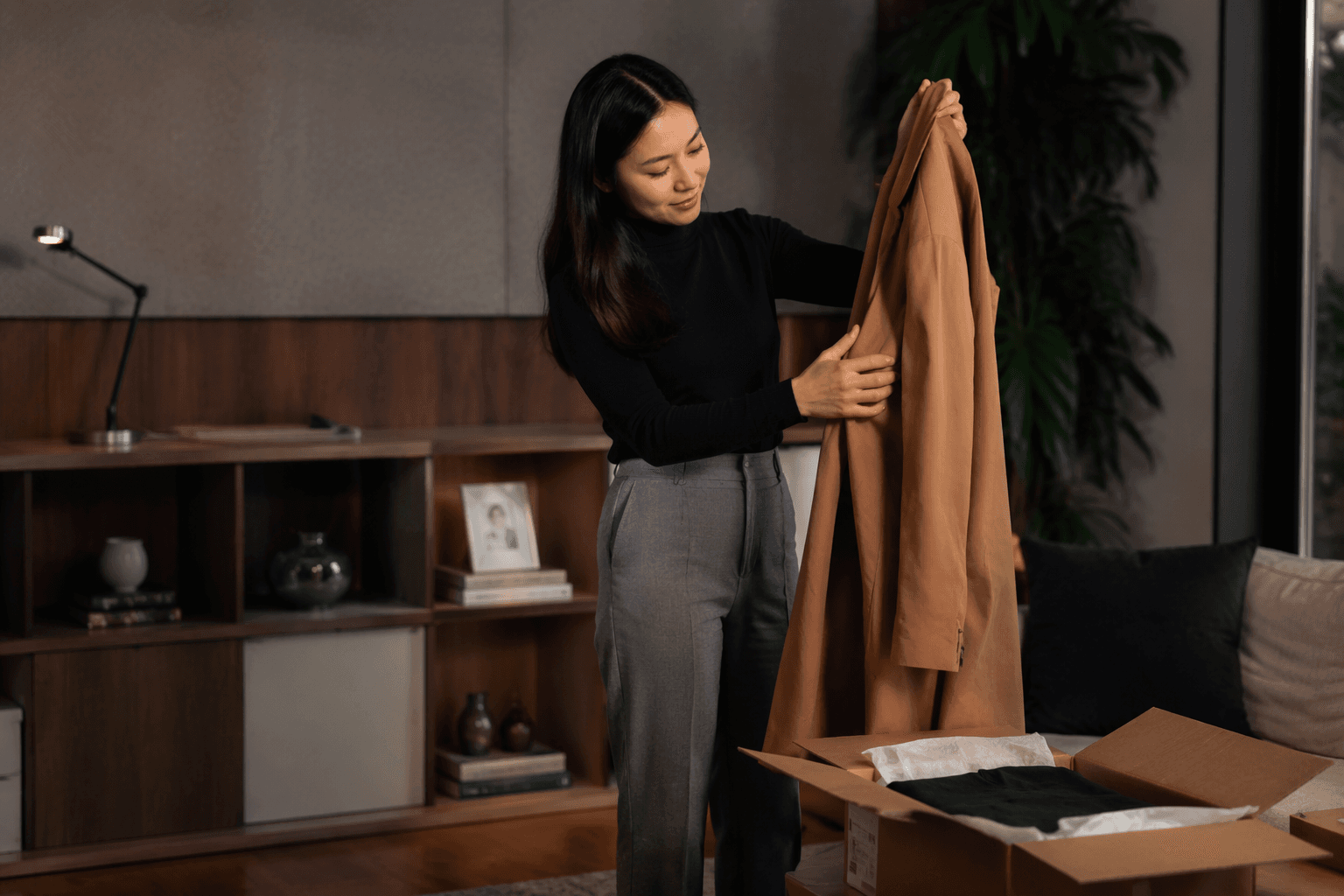
Its service model also removes two of the biggest pain points in workwear shopping: cleaning and shipping. Armoire includes cleaning and offers free shipping both ways, which is particularly useful for pieces that need to look crisp and professional every time they leave the house. For anyone building a work wardrobe around polished separates rather than one-off occasion looks, that convenience is substantial rather than frivolous.
Rent the Runway leans into business casual with a dressed-up edge
Rent the Runway takes a slightly more elevated approach. It has a dedicated workwear section with business casual and corporate chic outfits for women, which makes it feel more focused than a generic fashion rental platform. The subscription pricing shown on its site starts at $82 or $89 per month depending on the plan or page, placing it in the middle of the market where convenience has to justify itself through quality and selection.
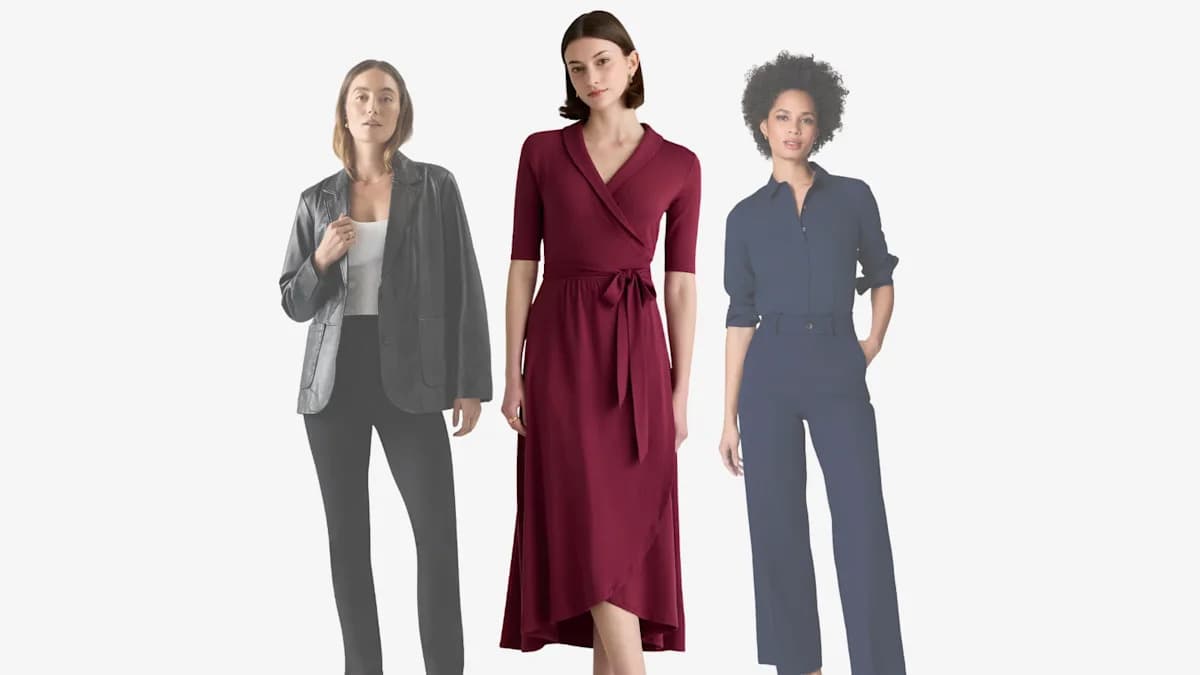
This is the service that makes sense if your office wardrobe needs a little more range than the basics alone can provide. Think sculpted dresses, refined tops, and occasion-adjacent tailoring that still reads as work appropriate. The appeal is not just cost savings; it is access to a rotating closet that can keep a hybrid wardrobe from going stale.
Stitch Fix is the most practical bet for staples
Stitch Fix remains one of the more straightforward options if your priority is dependable workwear rather than styling spectacle. Most women’s business casual pieces fall between $40 and $120, which puts the service in a range where cost per keep can be easier to judge than with some rental models. It also offers free shipping and returns, and there is no subscription required, which lowers the commitment barrier considerably.
That flexibility matters if you want to test the waters without signing up for a recurring plan. Stitch Fix is especially useful for the parts of a work wardrobe that are hardest to replace in a hurry: trousers that fit properly, blouses that do not wrinkle into submission, and reliable tops you can repeat without looking repetitive. It is less about drama than about filling the practical gaps that make getting dressed for work feel smoother.
Wantable is built around styling precision
Wantable sits closest to the classic personal-styling model. It says each Edit is handpicked by an expert stylist, includes 7 or 9 items depending on the page, and comes with a $20 styling fee. It also says it has styled more than 4.5 million boxes, which suggests a mature operation with enough scale to refine its curation.
For workwear shoppers, that handpicked element can be the difference between a box that feels generic and one that actually solves a wardrobe problem. The value lies in the edit itself: fewer random pieces, more intentional choices, and a better shot at finding clothes that work together. If fit consistency and styling judgment matter more to you than breadth of inventory, this is the service that sounds the most tailored to the job.
How to judge whether a subscription is worth it
The smartest way to evaluate a clothing subscription is through an officewear lens, not a novelty lens. Ask whether it helps you build a reliable rotation of basics, whether it delivers polished pieces you would actually wear in meetings, and whether the returns process is easy enough that trying things on does not become its own part-time job.
A few practical markers matter more than glossy styling language:
- Stylist quality: Does the service sound like it understands workwear, or just “elevated” dressing in the abstract?
- Fit consistency: Can you trust the sizing across boxes, or are you starting from zero each time?
- Return friction: Free shipping and easy returns matter because work clothes are unforgiving when the fit is off.
- Cost per keep: A lower monthly fee is not a bargain if nothing in the box earns a place in your closet.
- Basics versus polish: Some services are better for dependable staples; others shine when you need a sharper blazer, a better dress, or a more refined finishing layer.
That framework is useful because hybrid work does not need a single uniform. It needs clothes that can do the most with the least effort.
Why the category has staying power
The larger market tells the same story. Third-party research estimates the women’s workwear market at $25.5 billion in 2025, rising to $44.4 billion by 2033. A broader workwear estimate puts the category at $19.20 billion in 2025 and $28.08 billion by 2033. Those numbers suggest that even as dress codes loosen, the appetite for work clothes remains enormous.
What has changed is the expectation. Workers are no longer dressing for a single office standard; they are dressing for a patchwork of settings, moods, and schedules. The best subscription services understand that reality and respond with pieces that look composed, travel well, and make the morning less fraught. The rest are just expensive convenience theater, dressed up as help.
This article was produced by Prism’s automated news system from verified source data, official records, and press releases, then run through automated quality and moderation checks before publishing. The system is built and supervised by the people who set the standards it runs under. Read our full AI policy.
Did this article answer your question?