Colorful business-casual pieces bring polish to summer office dressing
Summer office dressing gets brighter without losing authority: Amazon’s colorful business-casual edit leans on polished tops, trousers, skirts, and shoes that read professional first.

Summer office dressing has a very specific problem to solve right now: you want color, but you do not want to look like you wandered in from brunch. The sweet spot is business-casual that feels breezier than the usual beige, black, and navy rotation, yet still lands as polished the second you walk into a meeting. That is exactly where Amazon’s colorful edit works, because it treats color like a smart styling move, not a gimmick.
The new office code is lighter, but it is not lazy
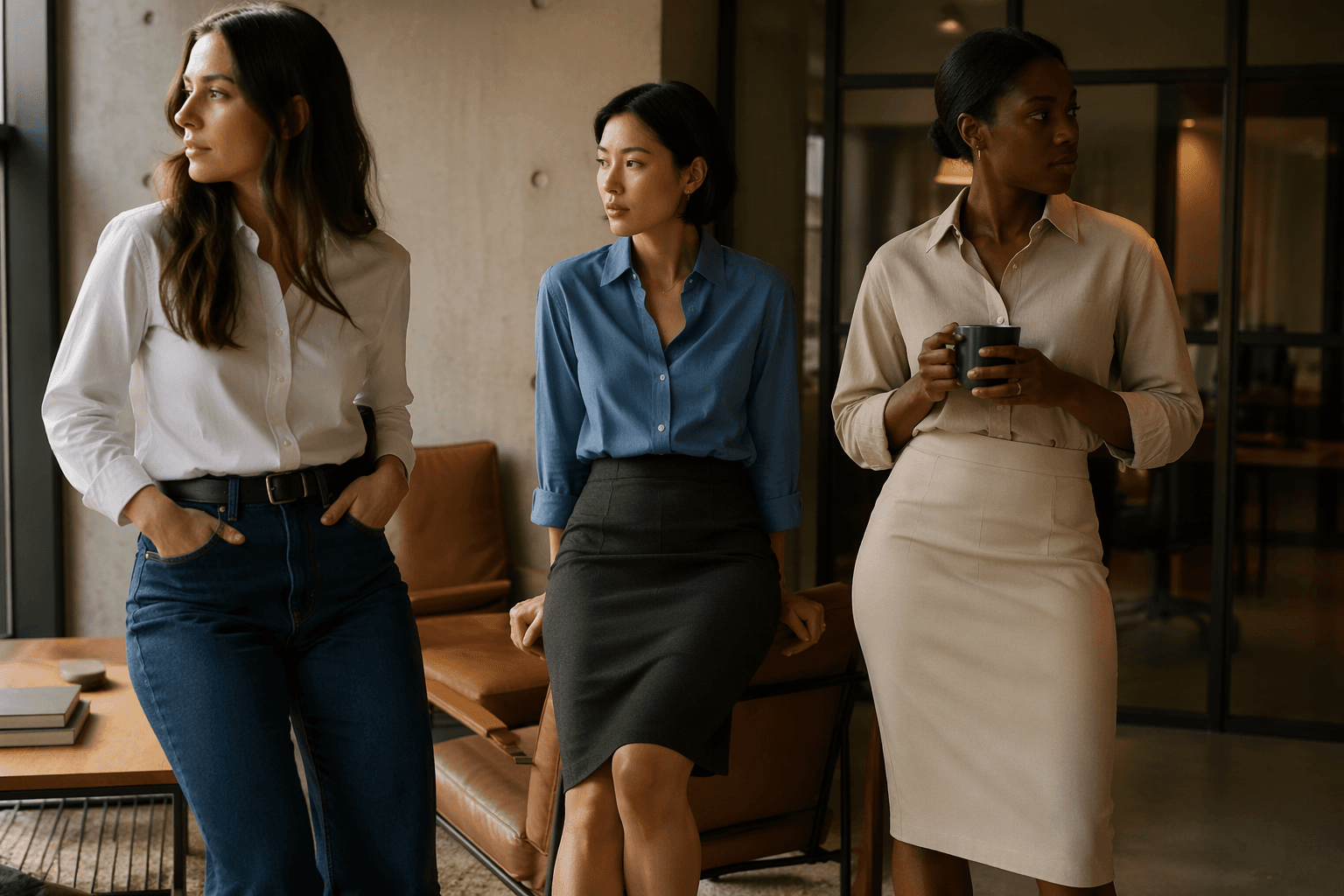
The office has loosened up since the post-pandemic reset, but the rules have not disappeared. Summer business-casual now skews toward breathable structure, which means lightweight trousers, knee-length or midi skirts, sleeveless shells, and linen blazers that can handle heat without collapsing into sloppy territory. The point is comfort that survives a commute, not clothes that make you count the hours until you can change.
That shift matters because summer in the office is still a balancing act. Businesswomen.com gets the mood exactly right: nobody wants stuffy commutes, sweat stains, or the kind of discomfort that makes you peel off your blazer the minute you sit down. Warm-weather business casual is less about dressing down and more about staying credible when the air-conditioning is fighting for its life.
Color is doing the heavy lifting
For a long time, office dressing defaulted to monochrome because black felt safe and navy felt serious. Now color is being used as a power move, which is a better read for the current moment. Forbes has argued that office styles are more relaxed than they used to be, and that color can signal confidence and polish instead of informality, which is exactly why the trend is working.
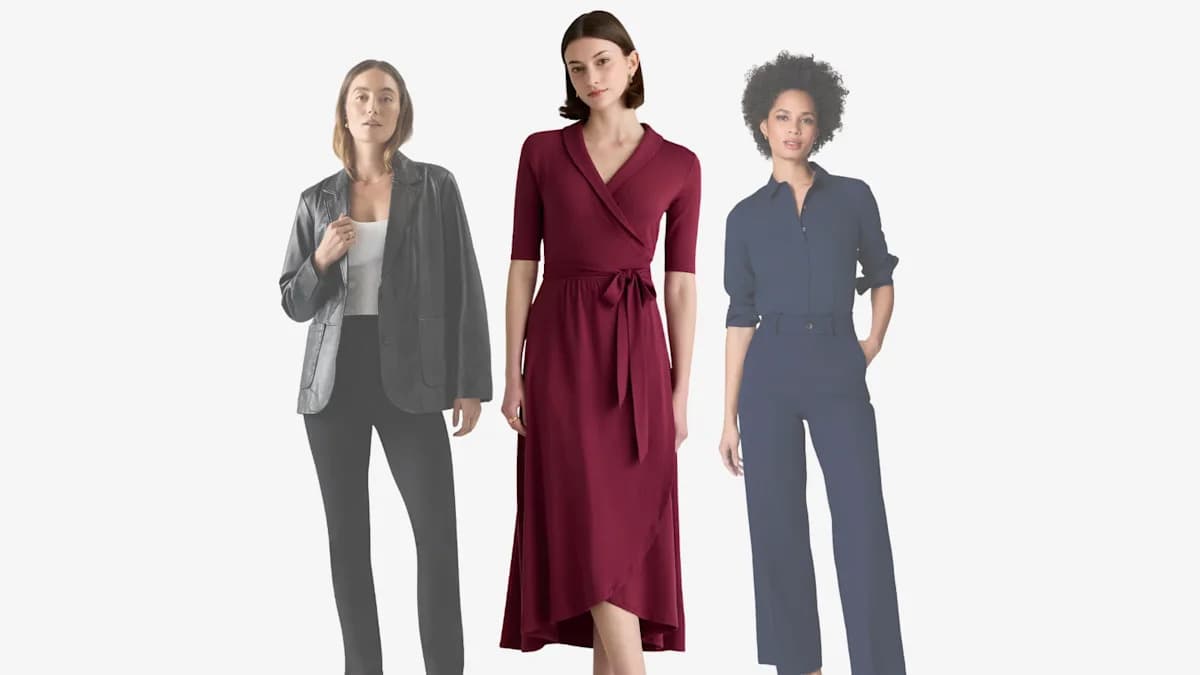
That is the real appeal of this roundup from US Magazine, which focuses on 11 colorful business-casual tops, pants, skirts, and shoes on Amazon. The pieces are meant to be sleek, polished, and summer-ready, but the bigger idea is more useful than any single item: color does not have to weaken a work outfit. In the right silhouettes, it sharpens one.
The pieces that keep color office-safe
The smartest colorful workwear still behaves like workwear. A vivid blouse with a tailored shoulder, a pair of trousers with a clean front crease, or a midi skirt in a saturated shade reads far more professional than anything oversized or clingy. Shape is doing the credibility work here. Color can be playful, but the silhouette needs to stay disciplined.
- lightweight trousers with a straight or softly wide leg
- knee-length or midi skirts that skim rather than cling
- sleeveless shells layered under a linen blazer
- blouses with polish in the fabric, not just the color
- shoes that feel finished, not fussy
The strongest summer pieces in this lane are the ones that look structured enough for a desk and easy enough for hot weather. Think:
That formula keeps the outfit from tipping into weekend territory. A bright blouse with a sharp trouser can look more authoritative than a flat black set, especially when the fabric has enough body to hold its shape.

Why Amazon is the obvious testing ground
Amazon is where this trend gets practical, and that matters. Search results for women’s business casual and colorful business casual both push past 40,000 options, which tells you two things at once: demand is real, and the category is broad enough to let people test the waters without committing to designer-price color. If you are trying a more vivid office palette for the first time, that affordability changes the calculus.
The product listings also show how business-casual shopping has become more utility-driven. Pockets, recycled materials, and safer chemicals are showing up prominently, which fits the current mood perfectly. People are not only asking whether a piece looks polished, they are also checking whether it works hard enough to earn a place in a weekday wardrobe.
How to wear color without losing authority
The trick is to choose hues that read intentional rather than sugary. Saturated greens, clean reds, rich blues, soft lilacs, and warm pastels all tend to feel more refined than neon brights when they are cut into office-friendly shapes. In summer, color looks best when the rest of the outfit stays controlled, so one strong piece can carry the whole look.
- Let one colorful item do the talking, then anchor it with neutral shoes or a neutral bag.
- Choose fabrics that breathe, because color looks better when you are not visibly overheating.
- Keep necklines, hems, and hemlines conservative enough for a business-casual setting.
- Reach for tailoring, pleats, or structure when the shade feels especially bold.
A few easy rules keep the balance right:
That is why the current version of colorful business-casual feels smarter than the old “workwear with a pop of color” formula. It is not about adding one loud accessory to a gray uniform. It is about building an outfit where color becomes part of the professionalism.
Why this lane keeps growing
The continued interest is obvious. Country & Town House is still publishing office-summer style guidance, which says plenty about how long this conversation has been going on and how many people are still trying to crack the same code: how to dress for heat without looking underdressed. The answer, increasingly, is not more black basics. It is better color, better cut, and fabrics that can actually survive the season.
That is what makes this Amazon-driven roundup feel timely instead of trendy. It reflects a real shift in how office clothes work now: polished enough for the meeting, breathable enough for the commute, and colorful enough to feel like you actually dressed on purpose.
This article was produced by Prism’s automated news system from verified source data, official records, and press releases, then run through automated quality and moderation checks before publishing. The system is built and supervised by the people who set the standards it runs under. Read our full AI policy.
Did this article answer your question?