Denim gets corduroy-like softness in Milan's innovation push
Milan's denim mills are chasing corduroy softness and wooly handfeel without losing workwear grit. The next winners are texture, laser detail and cleaner blends.

What buyers are really shopping for
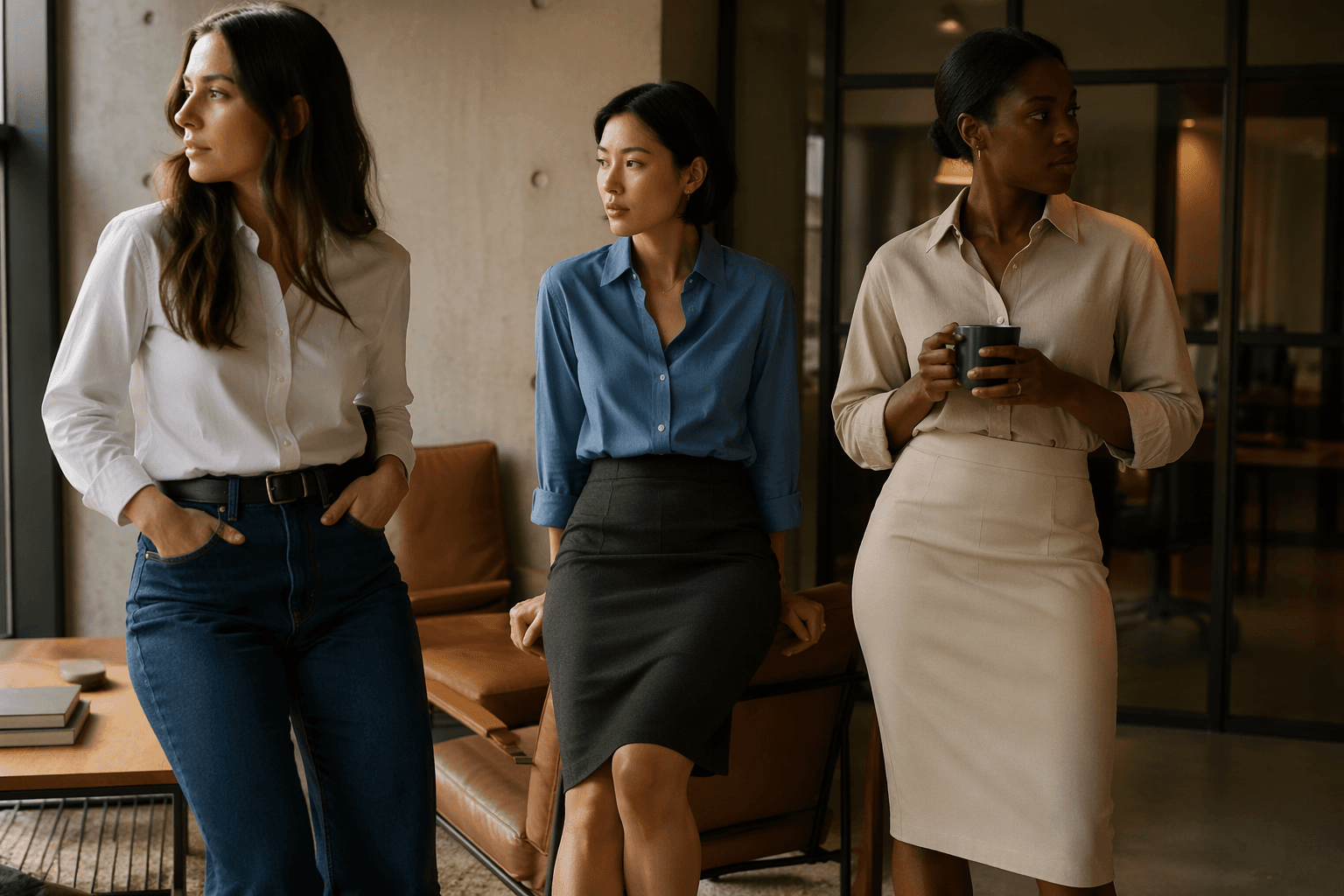
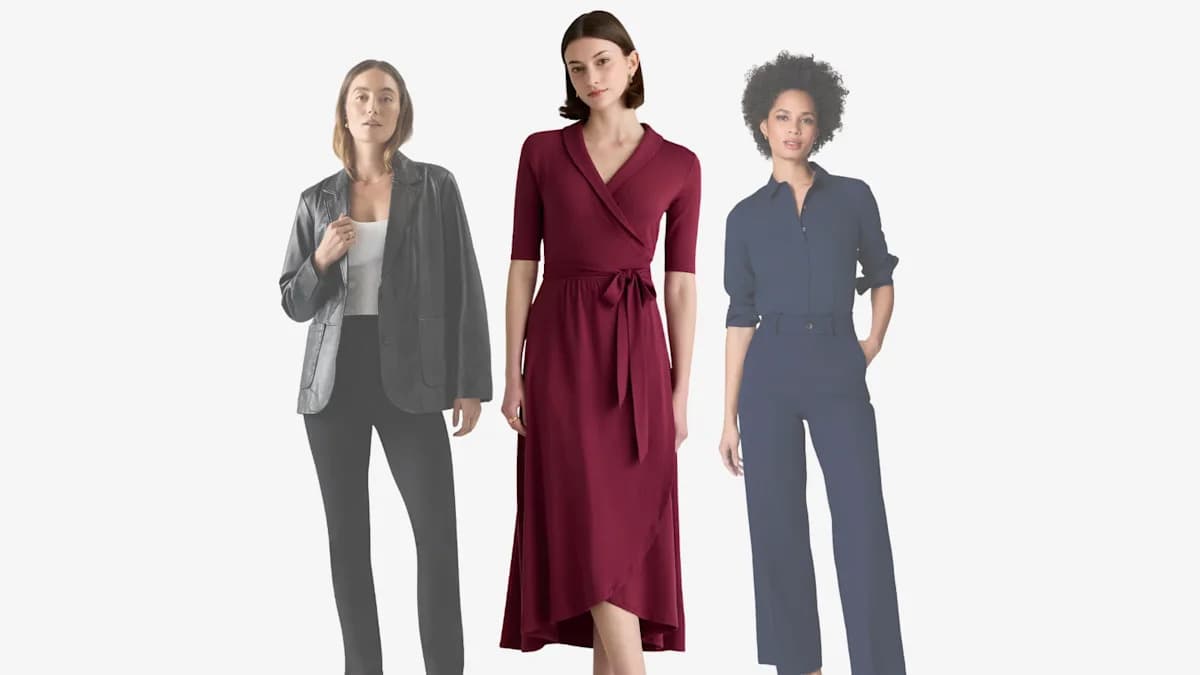
The real question coming out of Milan is not whether denim can look softer, richer or more tactile. It is which of those fabric tricks can actually move into next-season workwear, uniforms and utility-led collections without losing the durability customers expect. At Denim Première Vision, the answer kept pointing toward denim that feels almost like corduroy or wool, but still carries the hard-wearing credibility of jeans.
Milan made the pitch clear
The November 2025 Milan edition of Denim Première Vision at Superstudio Più in the Tortona district drew 2,300 visitors, up 10 percent from the year before, even as exhibitor numbers eased to 65 from 71. That mix tells you where the market is: fewer booths, more intent, and a crowd that showed up for practical ideas, not fantasy runway denim. Nine conferences on innovation and the future sharpened the mood, with Amy Leverton and Adriano Goldschmied among the voices shaping the conversation.
The fair has also been building its reach. A May 2025 Milan edition gathered more than 80 companies from 18 countries, split across fabrics, manufacturing, yarns, accessories and technology. That breadth matters because the story here is not just about a better pair of jeans. It is about the whole supply chain trying to make denim more useful, more expressive and easier to sell into actual product categories.
The new denim handfeel is all about touch
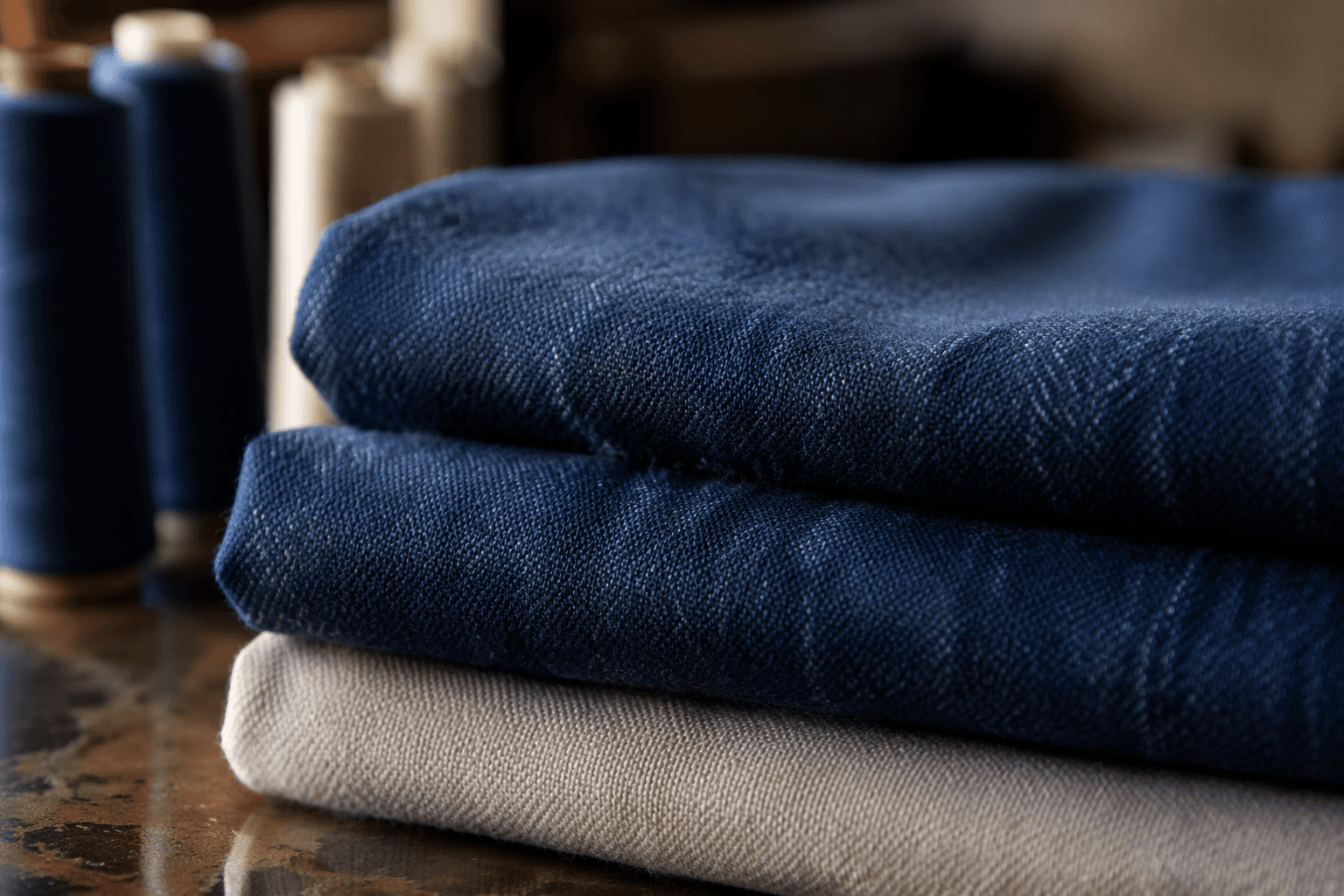
The strongest fabrics in Milan were obsessed with handfeel. Jeans were made to mimic the coziness of corduroy, velvet and wool trousers, which is a big shift from the flat, basic rinse denim that has dominated too many assortments for too long. Some looks pushed into premium wool territory, with gray denims built on wool and organic cotton bases and blends that went as high as 60 percent cashmere, giving the cloth a softer, more structured drape.
That is the commercial sweet spot brands are chasing: a surface that looks familiar enough to sell as workwear, but feels special when it is grabbed off the rack. The best examples had texture you could see from across the room, then prove up close, with brushed softness, wool-like grip and the kind of quiet depth that makes a garment look expensive without screaming luxury.
Pioneer Denim is betting on texture with a premium edge
Pioneer Denim’s Fall/Winter 2027-2028 collection went straight at that opportunity. The company showed fabrics containing up to 20 percent silk, priced at $13 to $14 per yard for premium clients, alongside black yarn-dyed wefts, soft coatings and colorful sprays. That combination matters because it offers brands a clear ladder: more refined handfeel at the top end, then visual punches that can be translated into product that still reads as workwear.
Creative director Sara Hong Robert said clients are “cautiously optimistic” and moving away from basics toward more innovative fabrics. Her read on the market lines up with what the room felt like. Women’s denim is being pulled by color, while men’s denim is getting more dynamic through interesting constructions, visual slubs, colorful wefts, texture and spray. In other words, the old formula of blue jean plus five-pocket nostalgia is getting outworked by cloth that already looks styled before it ever hits a hanger.
Finish is becoming the selling point
Chottani Industries showed how mills are trying to make that visual shift affordable. The company said large European brands, including Inditex, want garments with strong visual impact but lower cost, and it is answering with layered laser finishing techniques. That is the sort of detail retailers can build around because it gives them drama without pushing the price structure into fantasy territory.
Chottani also pointed to rising demand for boho embroidery, from hand-embroidered looks for luxury labels to machine-translated versions for lower-priced brands. That split is useful for buyers. It means the same mood can travel across tiers, whether the garment is meant to look artisanal on a premium floor or simply more characterful on a mass-market rail.
Tonello is blurring denim and non-denim
Tonello took the idea even further with its Denim Illusion concept, which combines ozone, laser and its DyeMate indigo garment-dyeing technology to create denim-like effects on non-denim garments. That is smart business, because it turns denim’s visual codes into a finishing system that can be applied to other categories. The nylon half-zip was especially popular with brands, which tells you how much appetite there is for pieces that look like denim-adjacent utility wear without being built from denim cloth itself.
This is the kind of cross-category thinking that can move into uniforms, work shirts and utility layers fast. A half-zip, overshirt or zip-front layer treated to read like denim can broaden the story beyond five-pocket pants and jackets, which is where many workwear assortments get stuck.
The industry is also cleaning up its structure
For all the surface experimentation, there is another current running underneath it: simplification. An October 2025 Première Vision report said the next phase of denim may be a return to its roots, with simpler, more authentic fabrics, 100 percent cotton qualities, discreet stretch and recycled cotton reaching 20 to 30 percent in some developments. It also noted that mills are reversing the multi-fiber blend trend partly to improve recyclability.
That matters because the market is not asking for novelty at any cost. It wants denim that can be explained, washed, repaired and resold with a straight face. The new innovation is not more confusion in the fiber mix. It is more control over handfeel, finish and end-of-life performance.
Workwear is still the anchor
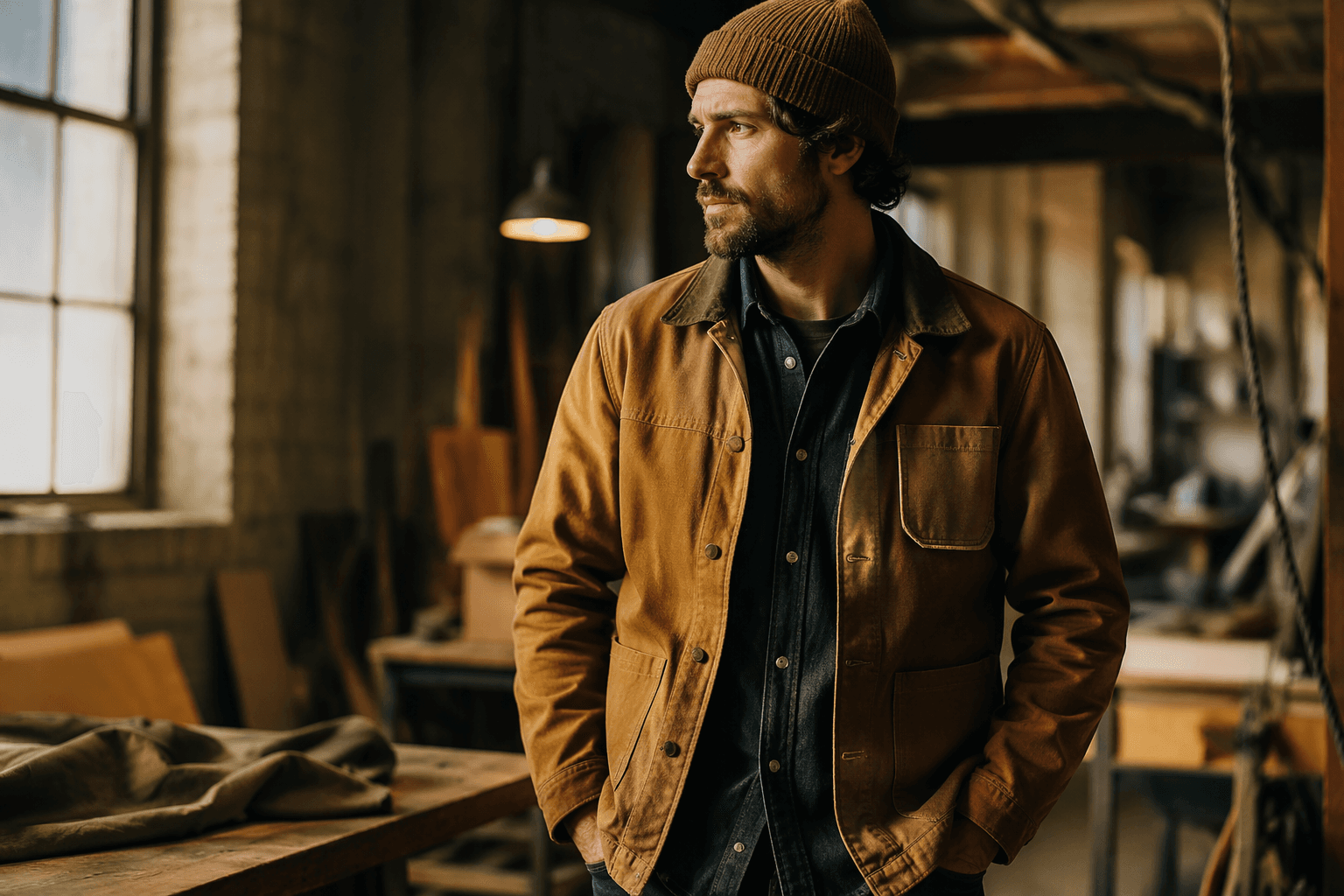
Back in May, Denim Première Vision’s trend team was already treating workwear as the reference point, with fabrics built for everyday functionality, warm layers and hybrid constructions that mix couture, craftsmanship and sustainability. That framing still makes sense now because it keeps the category grounded in use. The best new denim does not look precious for the sake of it. It looks like something that can take a beating, keep its shape and still carry enough texture to feel fresh.
That is why Milan’s innovation push is so commercially relevant. The mills are not just selling a softer surface. They are selling a new answer to an old workwear problem: how to make denim feel desirable again without making it fragile, gimmicky or disconnected from real life. The assortments that win next season will be the ones that look good on the rack, hold up in the wash and still feel convincing on the job.
This article was produced by Prism’s automated news system from verified source data, official records, and press releases, then run through automated quality and moderation checks before publishing. The system is built and supervised by the people who set the standards it runs under. Read our full AI policy.
Did this article answer your question?