Denim mills double down on regenerative cotton and traceability for fall 2027
Fall 2027 denim is shifting from green talk to traceable fiber choices, with regenerative cotton, natural indigo and closed-loop systems taking the lead.
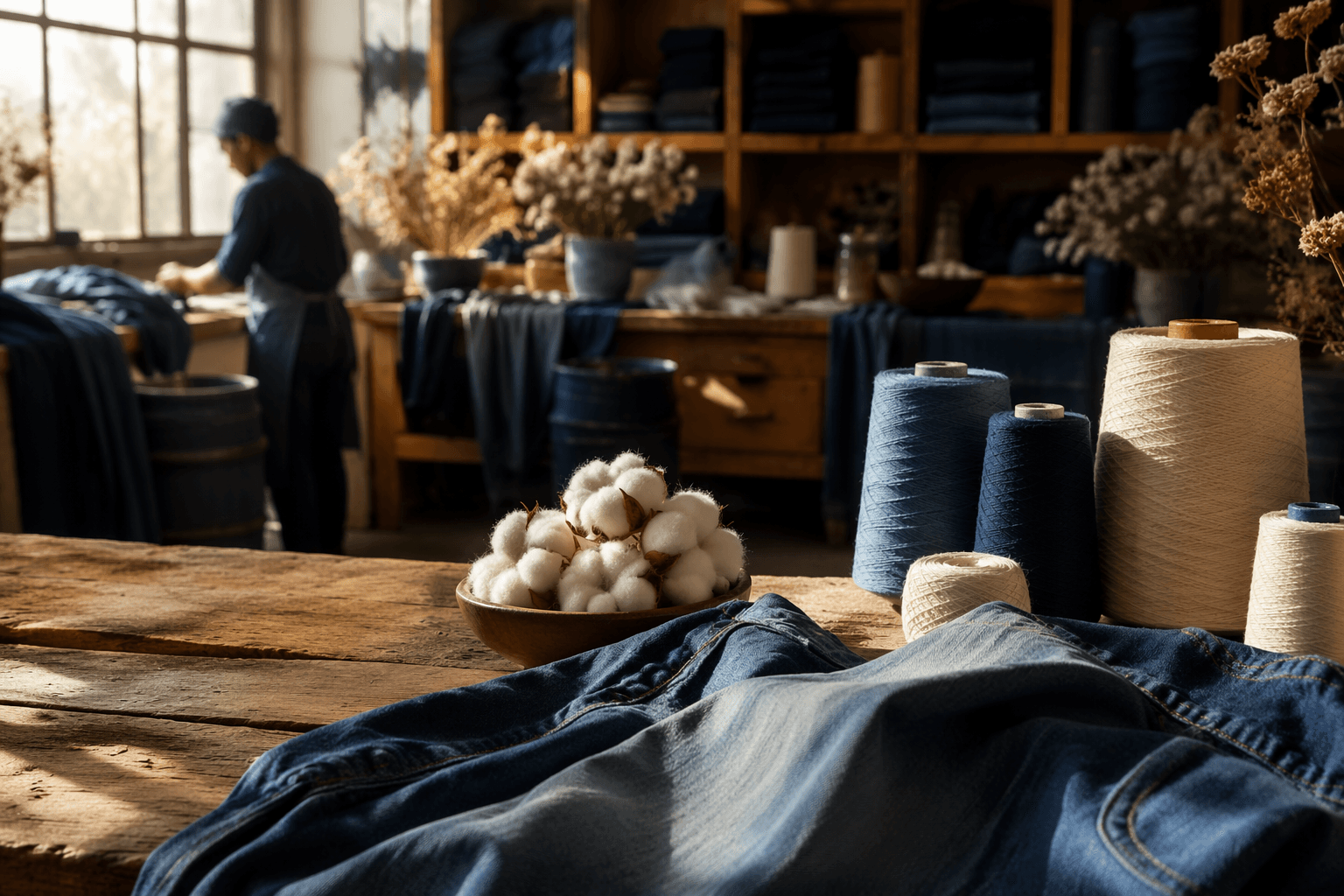
Denim’s sustainability pitch is getting sharper for Fall/Winter 2027-2028, and the conversation is moving well beyond feel-good fabric swaps. Mills are now leaning into end-to-end systems that can be traced, recycled and scaled, with regenerative cotton, natural indigo and closed-loop construction emerging as the materials story that matters for hard-wearing jeans and chore styles.
That shift has roots in the circular-design rules the Ellen MacArthur Foundation laid out when it first published The Jeans Redesign guidelines in July 2019. Developed with input from 80 experts across industry, academia and NGOs, the framework put four priorities at the center of better denim: durability, material health, recyclability and traceability. By 2023, more than 100 organizations from more than 25 countries had created redesigned jeans under the project, proof that the idea of better denim had moved from concept to commercial practice.
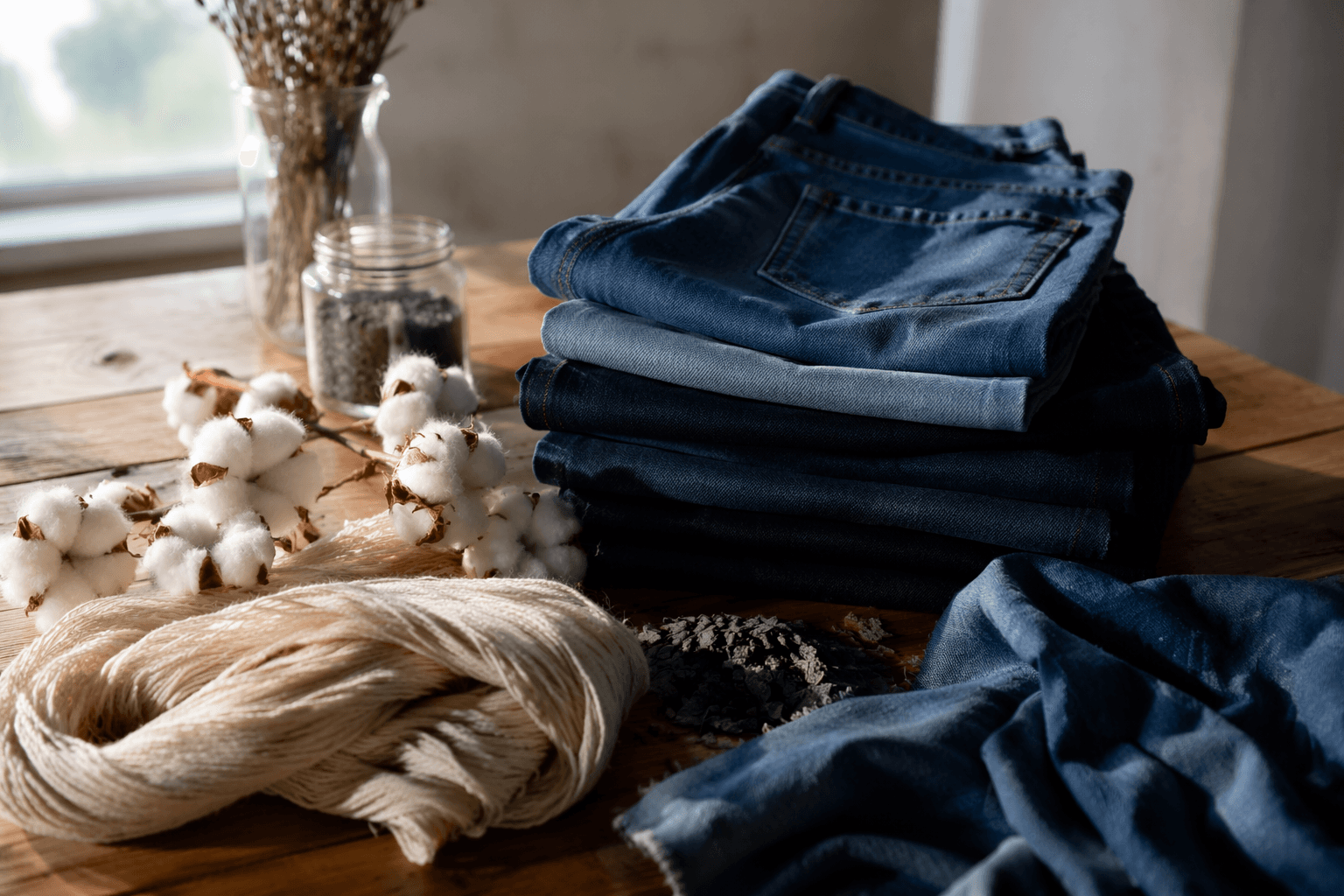
The new pressure point is provenance. Better Cotton says it can now trace Physical BCI Cotton back to country of origin and wants to move that visibility back to farm level, a shift that matters as buyers demand clearer sourcing in a more regulated market. Textile Exchange’s 2025 Sustainable Cotton Challenge pushed brands to commit to sourcing 100% of their cotton from more sustainable programs and initiatives by 2025, putting fiber-stage decisions back at the center of the denim conversation. In other words, the real work starts before a jean is cut, washed or distressed.
Lenzing has been making that case from the regenerated-fiber side, saying its denim fibers are designed to balance tradition with innovation and that more than 4,530 textile value-chain companies have joined its digital traceability platform. The company’s October 2024 SAISEI premium stretch denim collaboration with Kaihara Denim and ROICA™ by Asahi Kasei brought that logic to Kingpins Amsterdam on October 23-24, 2024, pairing recycled materials with stretch denim aimed at everyday wear and workwear. It was a useful reminder that performance and lower impact do not have to sit at opposite ends of the rack.
Fashion for Good places the stakes in longer view. Denim began as workwear when Levi Strauss introduced jeans in 1873, and conventional production still carries a heavy footprint across cotton cultivation, indigo dyeing and finishing. That is why the strongest denim story for 2027 is not a vague promise of sustainability, but a test of whether mills can build jeans that are durable, repairable and genuinely traceable from field to finished fabric.
This article was produced by Prism’s automated news system from verified source data, official records, and press releases, then run through automated quality and moderation checks before publishing. The system is built and supervised by the people who set the standards it runs under. Read our full AI policy.
Did this article answer your question?