Denim Première Vision Milan spotlights circular production and new talent
More than 60 denim exhibitors gathered in Milan around circular production, student projects and the return of Cone Denim and Arvind Limited.
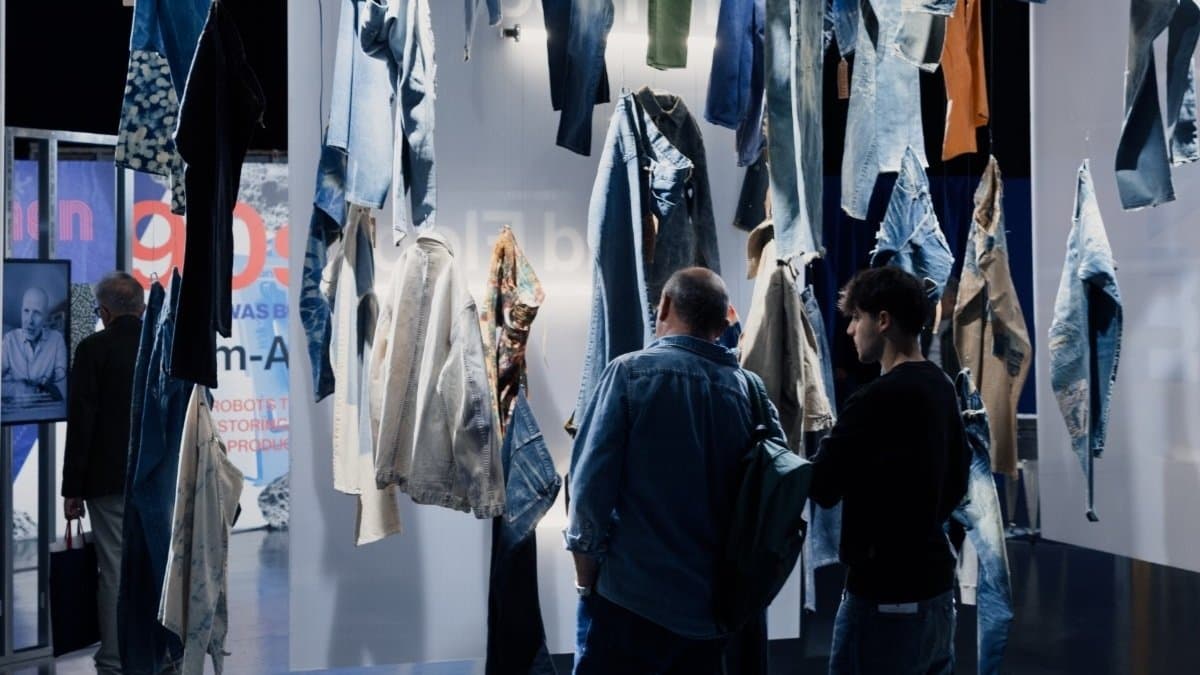
Superstudio Più on Via Tortona felt less like a trade fair floor than a hard look at where denim is headed. Denim Première Vision brought more than 60 exhibitors to Milan for its ninth edition, and the clearest message was not about novelty for novelty’s sake. It was about cleaner production, stronger sourcing and a new pipeline of talent shaping the next generation of workwear denim.
Held under the patronage of the Municipality of Milan, the show presented Autumn/Winter 2027-28 trends, but the most telling detail was the roster itself. Organizers said 10 percent of the exhibitors were new, while major names including Cone Denim and Arvind Limited returned to anchor the lineup. With a strong presence from Italy and Japan, the fair looked like a concentrated snapshot of the international denim supply chain, one that is still rooted in the mills and makers that matter most to commercial product.
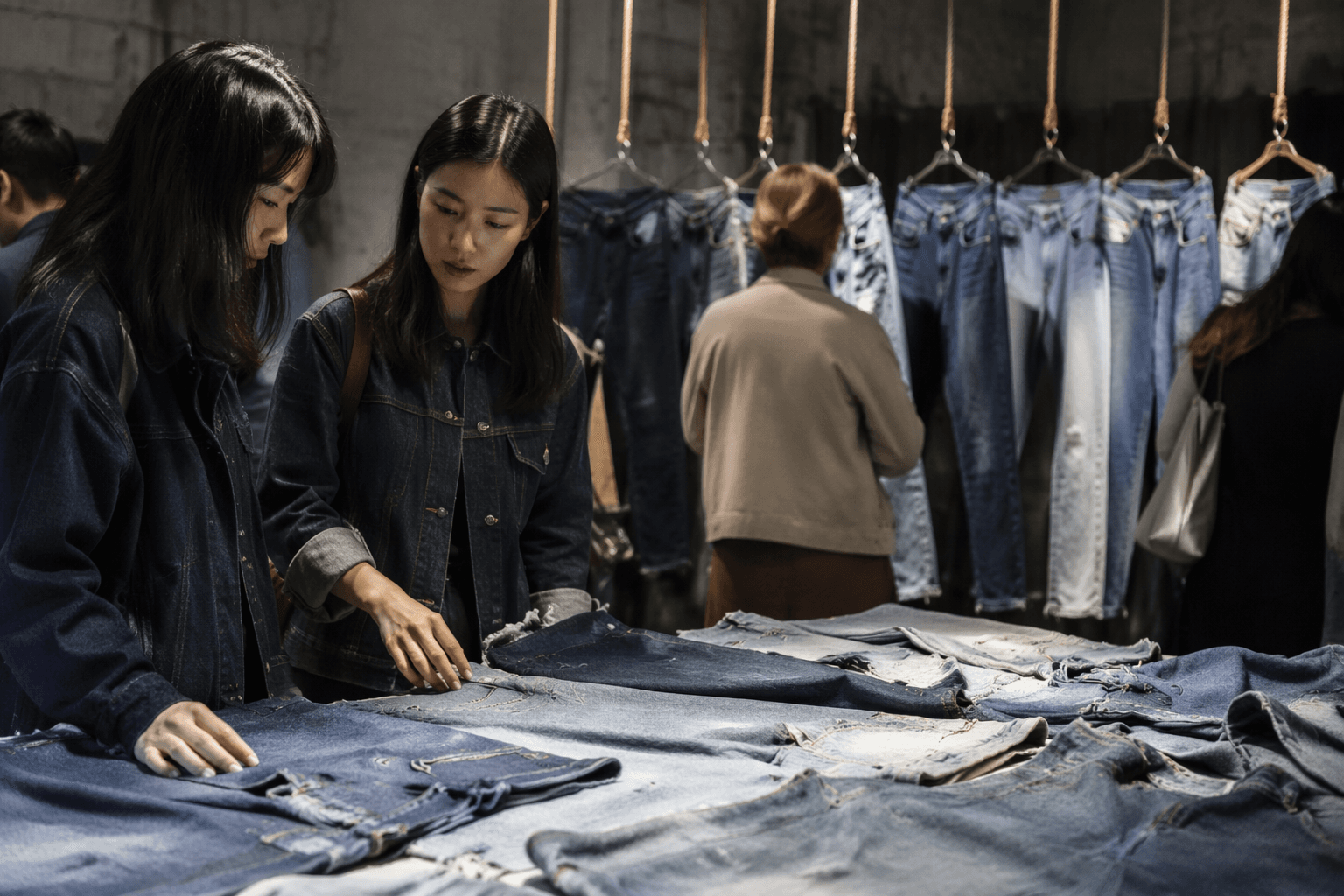
The sustainability push was the sharpest sign of where the business is moving. Denim Première Vision highlighted its collaboration with CBI, the Dutch government agency, alongside the Circular Apparel Tunisia project, which is supporting 18 Tunisian companies as they transition toward circular production for the European market. That kind of work matters far more than a slogan printed on a hanger. For brands building denim workwear, it points toward a future where sourcing, durability and end-of-life planning are being addressed earlier in the process, not after the line sheet is done.
Dyeing, too, was treated as an industrial problem worth solving. Redefining Blue, developed with Chloris, unveiled the latest developments of Claessen Blue, Chloris’ flagship biosourced dye, along with the first results from the project’s opening phase. The aim is clear: validate and scale more responsible dyeing processes that can move from research to production. In a category defined by depth of color and constant washing, that is the kind of technical progress that can actually change what lands in stores.
Education was woven into the event rather than bolted on as decoration. Istituto Marangoni Milano presented projects from four students in Fashion Design & Accessories and Fashion Design & Innovation, and also contributed to the trends area. That matters because the future of denim is not just being drafted by established mills. It is being shaped by students, young designers and new suppliers learning how to make circular production commercially viable, one indigo swatch at a time.
This article was produced by Prism’s automated news system from verified source data, official records, and press releases, then run through automated quality and moderation checks before publishing. The system is built and supervised by the people who set the standards it runs under. Read our full AI policy.
Did this article answer your question?