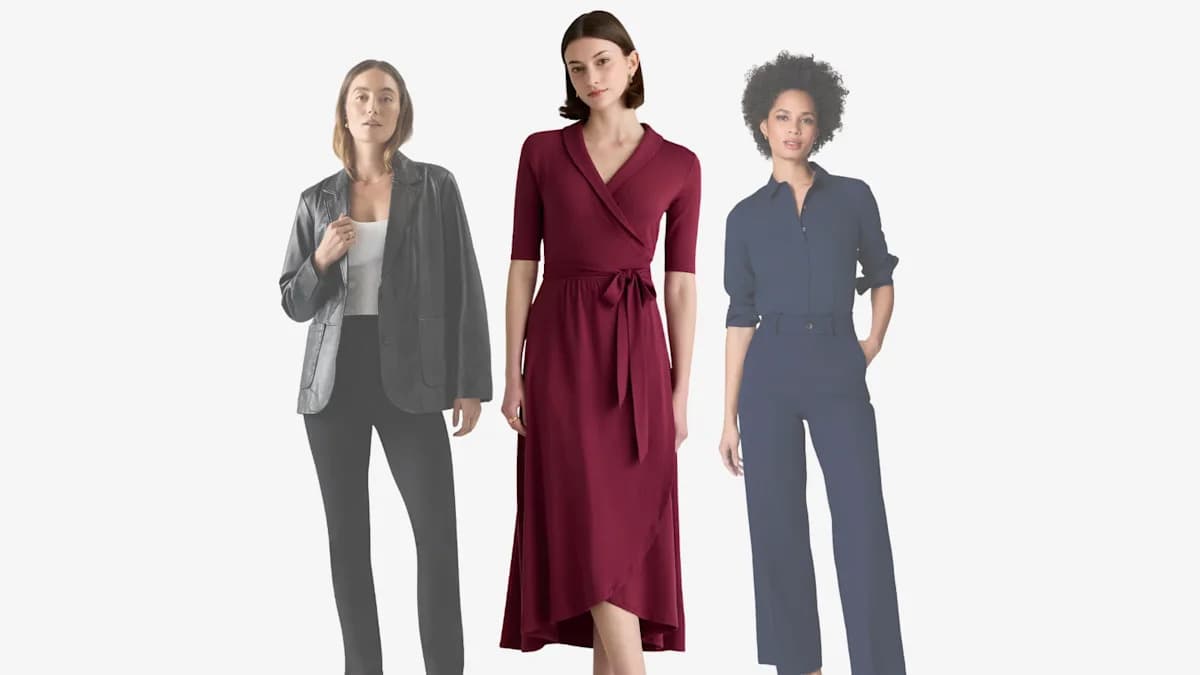
Erdem's Resort 2027 balances tailoring, denim and stage-inspired softness
Erdem's Resort 2027 makes the workwear jacket the new romantic punctuation mark, pairing real utility denim with Barbette-inspired tailoring and stage softness.

Erdem opens Resort 2027 with a deceptively practical idea: take workwear seriously, then wrap it in theatre. The collection’s sharpest move is the stone-colored double-denim look, anchored by a true workwear jacket and finished with diamanté brooches at the collar, a contrast that turns utility into ornament without sanding off its rougher edge. That balance, between garments that still carry jobsite DNA and pieces that merely borrow the mood, is exactly why the collection feels like a useful preview of where denim and tailored utility are headed next season.
Workwear comes first
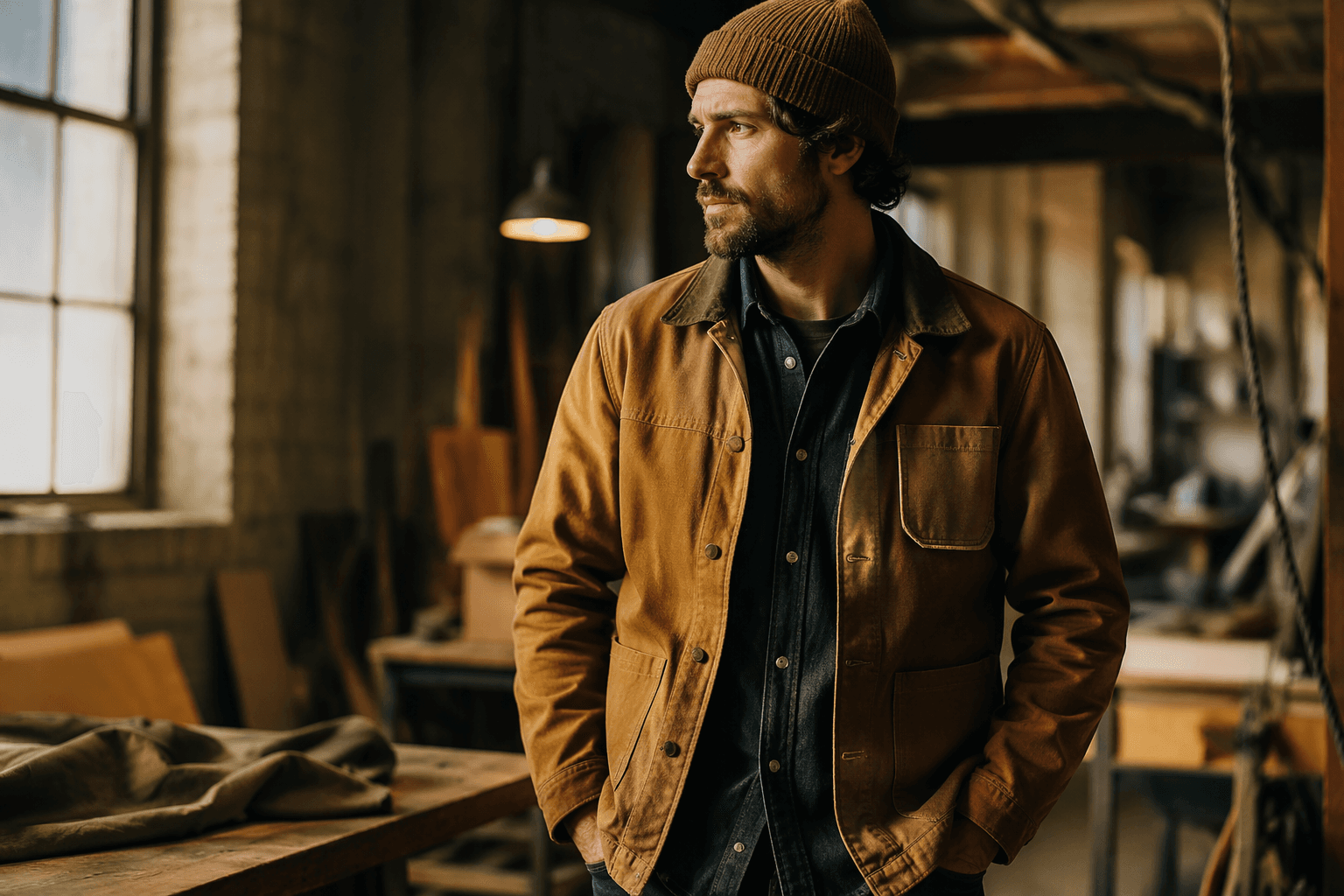
The clearest signal in the collection is the jacket itself. It has the kind of directness that reads as authentic workwear: sturdy, uncomplicated, built to frame the body rather than flatter it in the usual couture sense. Paired with matching denim, it becomes less costume than code, the sort of piece that still remembers coveralls, rail yards and studio labor even after Erdem’s embellishment passes over it.
What keeps it from becoming literal nostalgia is the finishing. The diamanté brooches pinned to the collar are pure Erdem, the kind of decorative interruption the house uses to shift a garment from functional to fanciful. That tension matters because it shows the path forward for denim next season: the most convincing pieces will not simply quote utility, they will preserve the weight, structure and practicality of it while allowing embellishment to do the storytelling.
Tailoring is the collection’s spine
Around the denim, tailoring holds the line. WWD described oversized suits paired with high-waisted, wide-leg trousers, and that silhouette is crucial to the collection’s emotional register: broad in the shoulder, long in the leg, and just severe enough to let the softness elsewhere feel intentional. The shapes look interwar in spirit, with a 1930s looseness that avoids rigidity and allows fabric to move.
This is where the collection gets smart about masculine and feminine dressing. The suits do not flatten the body into one fixed idea of polish; they open it up, borrowing authority from menswear while keeping the line elegant and fluid. In practical terms, that means the next wave of tailored utility will likely lean into volume rather than compression, with trousers that sit higher on the waist and jackets that feel borrowed from a wardrobe with history, not manufactured for a trend cycle.
Barbette gives the collection its drama
The inspiration is Barbette, the Texas-born trapeze artist and Surrealist darling, and the choice explains the collection’s delicious mix of discipline and spectacle. Barbette is a figure who belongs to stage history as much as fashion history, which is why the strongest looks feel like costumes that escaped the theatre and learned to live in daylight. WWD noted that the collection mined the interwar period for a dialogue between masculine and feminine dressing, and that dialogue is visible in every shift between structure and softness.
The stage references deepen the effect. The most dramatic pieces lean into movement and color, while the denim section works almost like a grounded counterpoint, a practical register that keeps all the theatricality from floating away. Schön! Magazine sharpened that reading by tying the denim back to Barbette’s Texan heritage, which gives the workwear pieces a point of origin rather than just an aesthetic pose.
What is genuinely workwear, and what only borrows the look
The workwear jacket is the real thing in spirit: utilitarian shape, no-frills construction, and the sense that it could survive wear rather than just mimic it. The denim set around it also carries authentic utility energy because it reads as durable, direct and unpretentious before the embellishment arrives. Those pieces feel built from the outside in, starting with purpose and ending with beauty.
By contrast, the more decorative tailoring and stage-driven softness are borrowing from workwear rather than belonging to it. Oversized suits, sheer tulle and ornamented denim operate as mood, not labour. That distinction matters for readers watching the market, because the strongest utility pieces next season will be the ones that still look as if they can do a job, even if they now sit comfortably inside a luxury wardrobe.
Erdem’s house language is the reason it works
This collection also makes sense in the context of Erdem Moralioglu’s larger practice. Born in Montreal to a Turkish father and British mother, he graduated from London’s Royal College of Art in 2003, showed his first womenswear collection in 2005 and joined the London Fashion Week schedule in 2006. The label has long been built around carefully researched narratives and craftsmanship, and it has shown collections at institutions and venues including the British Museum, the National Portrait Gallery, Sadler’s Wells, White Cube and the V&A.
That background explains why a denim story here never feels casual. Even the brand’s milestones, from opening its first flagship store in Mayfair in 2015 to Moralioglu receiving an MBE in 2020, underline a house that has turned historical reference into a signature rather than a one-off flourish. Resort 2027 continues that line cleanly: it treats workwear not as a detour from romance, but as one more archive to be embroidered, tailored and set in motion.
Why this collection matters now
For anyone tracking where denim is going, the lesson is clear. The next season will reward pieces that keep their functional backbone intact, then add luxury through proportion, surface and unexpected finishing. A good workwear jacket will not need to pretend it was never made for labor; the most interesting versions will keep that toughness visible, while tailoring and embellishment pull them into a more poetic register.
Erdem’s Resort 2027 lands exactly there. It shows that utility codes are no longer competing with romance in fashion, they are becoming part of its grammar, and the most modern clothes will be the ones that can hold both at once.
This article was produced by Prism’s automated news system from verified source data, official records, and press releases, then run through automated quality and moderation checks before publishing. The system is built and supervised by the people who set the standards it runs under. Read our full AI policy.
Did this article answer your question?