Fall 2026 turns to structured suiting as workwear regains polish
Structured suits are back with softer shoulders, longer jackets and sharper trousers, a polished answer to office dressing that feels current, not corporate.

The jacket is the new power move
Fall 2026 is not asking workwear to be louder. It is asking it to be cleaner, better cut, and far more convincing. The season’s tailoring story leans into structure with a modern restraint: jackets sit a little longer, shoulders are softened rather than squared off into cartoon authority, and trousers come with enough precision to make even a simple office outfit look deliberate. WWD’s tailoring gallery gathers that mood across Alaïa, Balenciaga, Bottega Veneta, Calvin Klein Collection, Carolina Herrera, Chanel and Dior, and the message is clear: the suit is back in the conversation because it still solves the oldest dressing problem in fashion, how to look sharp without looking try-hard.
This is not tailoring as nostalgia. It is tailoring as a working wardrobe strategy. The strongest Fall 2026 silhouettes favor polish that can be worn with knitwear, boots, a simple shirting layer or a fine-gauge sweater, which is exactly why the season feels useful rather than theatrical. The clothes have presence, but they also have a job to do.
Why buyers are leaning in now
The commercial mood around the season matters just as much as the runway shape. In Paris, buyers were favoring knitwear, tailoring and longevity, while retailers said they were putting more money into outerwear, knitwear, leather and refined tailoring and pulling back from logo-heavy and novelty-driven pieces. That is the language of a market that wants clothes to last through a calendar, not just through a social feed. It also explains why the jacket has become such a central object, because it bridges the gap between office dressing and real life better than almost anything else.
One buyer’s line captured the season exactly: “the jacket is really everywhere.” It is not hard to see why. A strong jacket carries the outfit on video calls, at client lunches, on a flight, and in the in-between hours when you need to look composed without overbuilding the look. In a fashion cycle that has tested volume, irony and casualness, the return to the jacket feels less like a trend than a recalibration.
Milan sharpened the silhouette
If Paris made the case for buying in, Milan gave tailoring its architecture. WWD’s Milan fall 2026 trend coverage put power tailoring at the center of the season, with strong shoulders, sculpted coats and defined waists building a boardroom-ready line that still felt current. The silhouette is assertive, but it is not rigid. Those shoulders create posture; the waist gives definition; the coat length introduces drama without sacrificing wearability.
Retailers in Milan were equally focused on the practical side of the conversation, praising craftsmanship, wearability and long-term value. That combination tells you where the real opportunity sits for modern offices now. The best tailoring is no longer about matching suiting pieces to a fixed dress code. It is about finding one jacket that can anchor three or four different looks, and one pair of trousers that makes knitwear, shirting and a clean tee look more intentional.
The season’s major creative debuts at Fendi, Gucci, Marni and Giorgio Armani added momentum to that shift. New voices tend to reframe what counts as appropriate, and in Milan they helped keep tailoring from feeling stale. The result was a sharper, more self-aware kind of suit, one that understood fashion’s desire for spectacle but refused to sacrifice usefulness.
What the new office wardrobe actually looks like
The broader workwear story in 2026 is not about returning to stiff corporate dress codes. It is about building an office wardrobe with more personality, while keeping the line polished enough to read as professional. WWD’s workwear coverage points to a shift toward sharper tailoring and a more expressive, personality-packed version of corporate style, with reimagined suiting separates playing a central role. That means the modern office suit is less of a uniform and more of a toolkit.
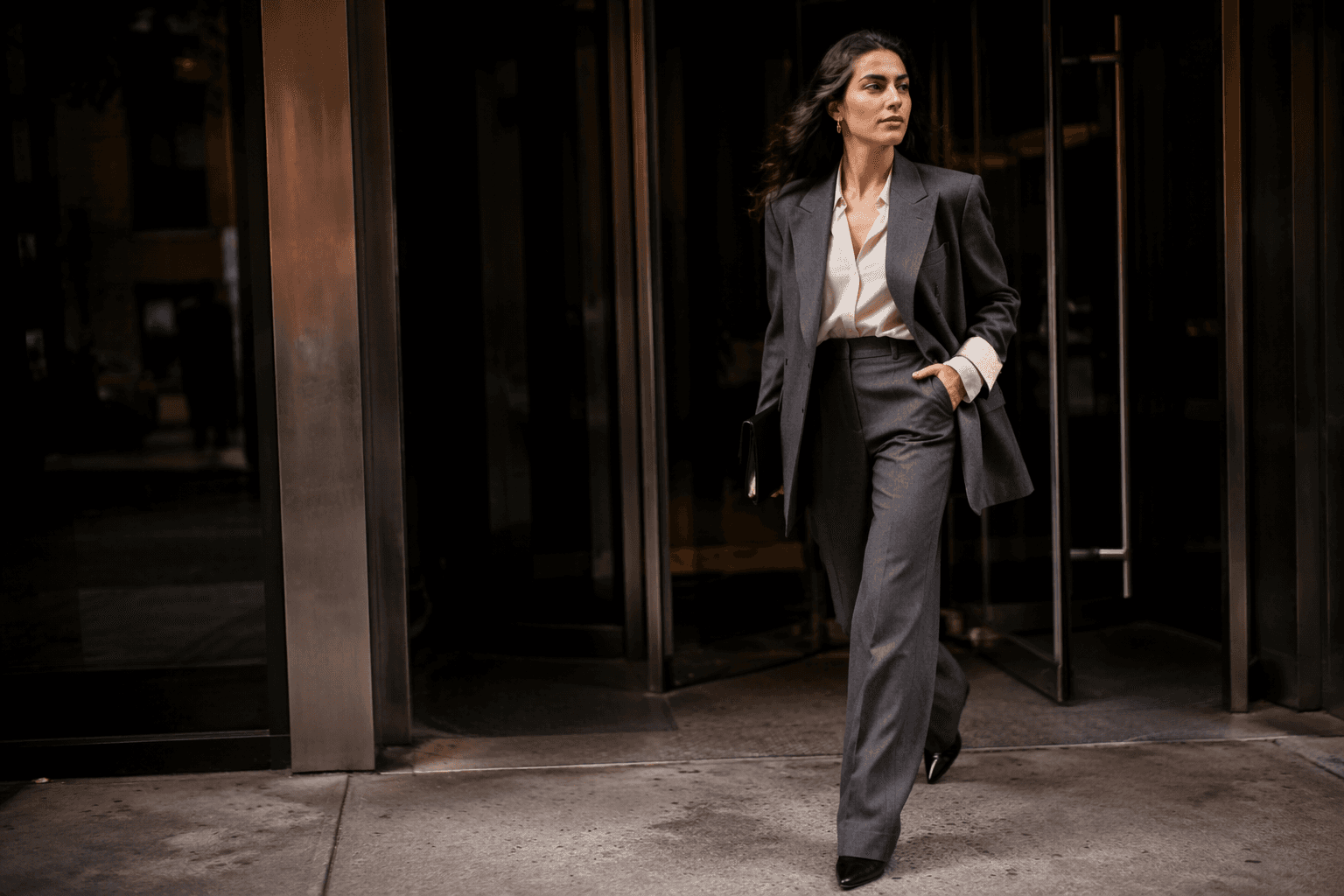
The easiest way to wear the direction now is to break it apart and rebuild it around the pieces that do the most work:
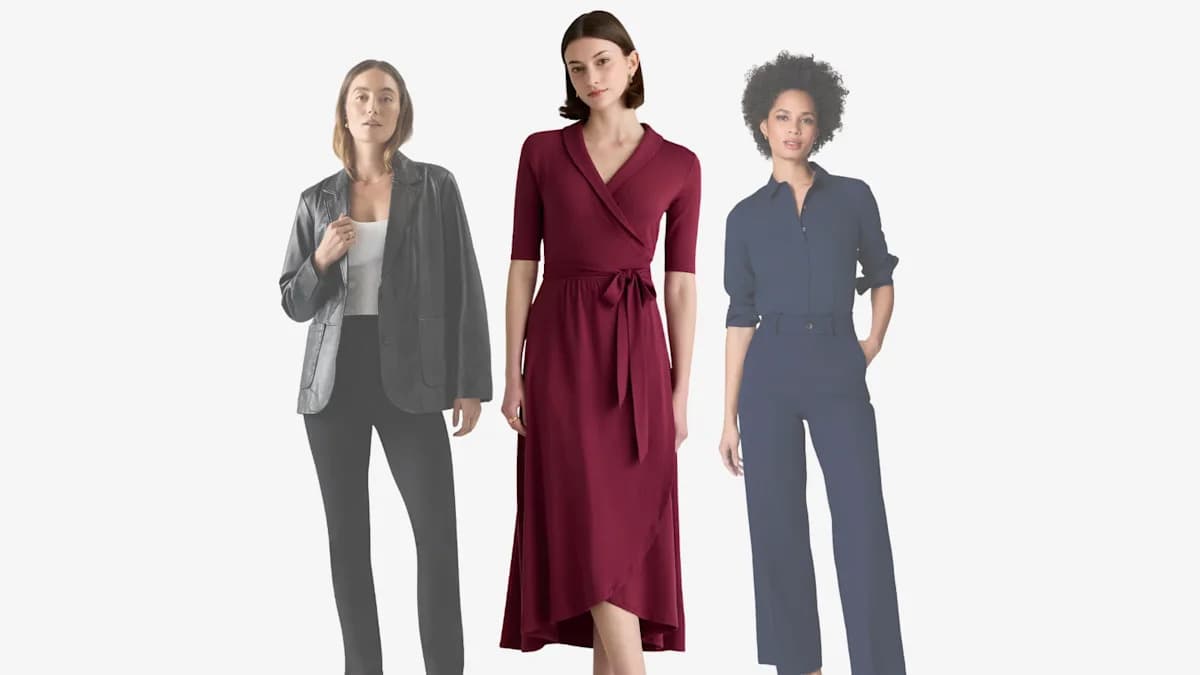
- A longer jacket in a softened shoulder shape, worn over a fine knit or crisp shirt
- Sharper trousers with enough structure to hold a clean crease and enough ease to move through a workday
- A sculpted coat for the commute, especially in wool or another fabric with weight and memory
- Knitwear that sits close to the body and makes tailoring feel lived-in rather than ceremonial
- Leather, whether in a bag, shoe or belt, to add texture against polished suiting
This is where the season becomes genuinely useful. The best tailored clothes do not force you into a full suit every day. They let you build proportion through separates, so the jacket can be the star one day and the trouser the next.
How to borrow the polish without the full runway effect
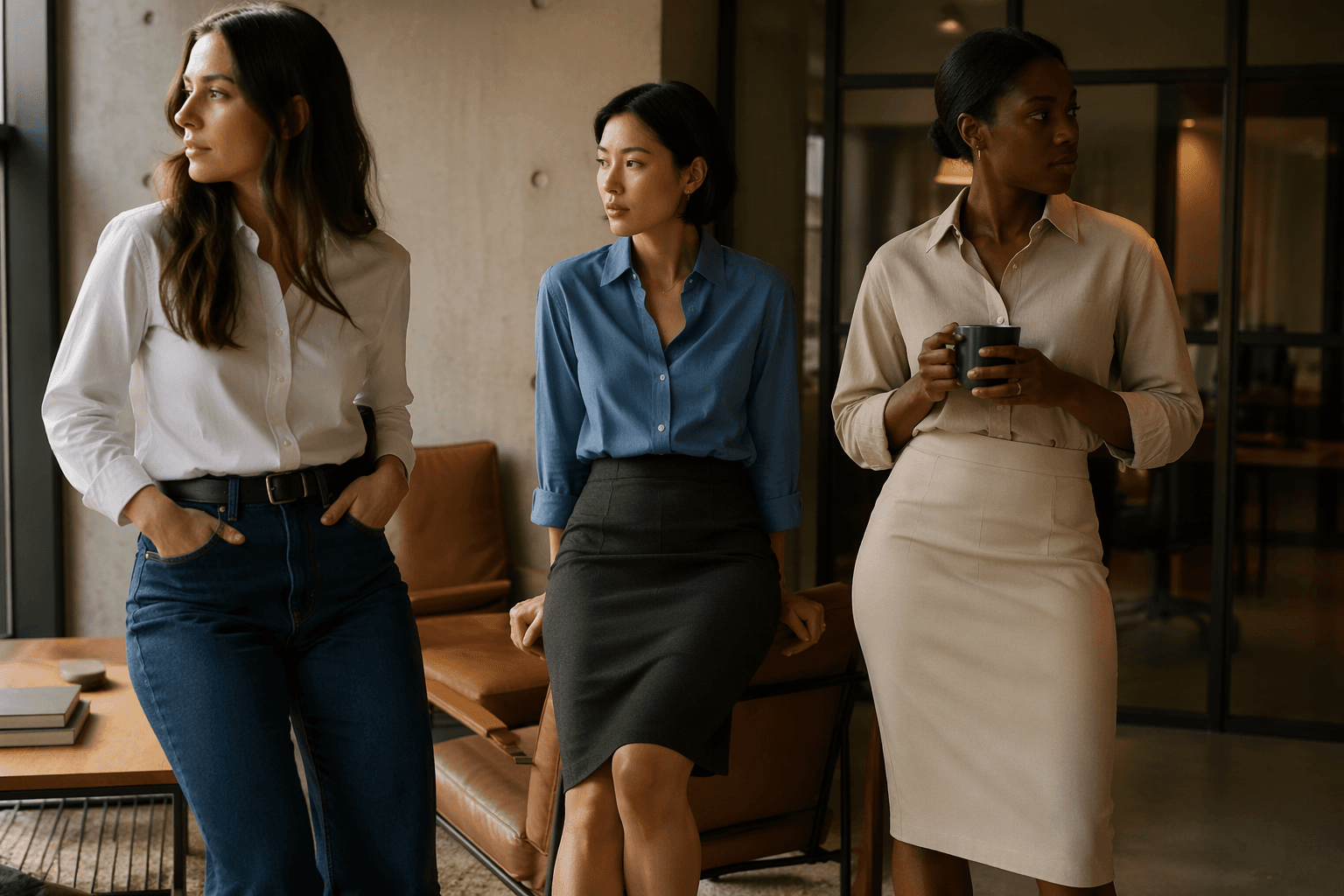
The trick for a modern office is to take the structure and leave the drama. A tailored jacket with a longer cut can replace a cardigan or an unformed blazer and immediately make denim, wide-leg trousers or a straight skirt feel more considered. Likewise, sharply cut trousers work best when the rest of the outfit stays relatively quiet, because the line of the leg does the visual heavy lifting.
Fabric matters here. The market’s emphasis on longevity and craftsmanship points toward materials that hold shape, recover after wear and age with some dignity. Wool tailoring, dense knitwear and leather accessories all support that idea, which is why the season reads as investment dressing rather than a quick stylistic detour. These are clothes that can handle a packed schedule and still look precise at 6 p.m.
The other lesson is balance. Strong shoulders and defined waists are useful precisely because they create shape without relying on embellishment. If the jacket is structured, keep the shirt simple. If the trouser is sharp, let the sweater be soft. If the coat has a sculpted line, the rest of the look should breathe.
The real payoff of Fall 2026 tailoring
What makes this season compelling is not that workwear has become formal again. It is that polish has become more flexible, more wearable, and far less tied to outdated ideas of office authority. The suit is returning as a contemporary object, one that can signal competence, taste and ease at once. With brands from Alaïa to Dior pushing the silhouette forward, and buyers backing tailoring, knitwear and longevity in the market, the message is unmistakable.
Fall 2026 does not want you to dress like you are headed into a board meeting from 1998. It wants you to look like you understand proportion, material and the quiet power of a very good jacket.
This article was produced by Prism’s automated news system from verified source data, official records, and press releases, then run through automated quality and moderation checks before publishing. The system is built and supervised by the people who set the standards it runs under. Read our full AI policy.
Did this article answer your question?