Gap Inc. hits sustainable cotton goal, boosts recycled polyester use
Gap Inc. cleared its cotton and recycled-polyester targets, but the real test is whether those fiber wins change the denim, khakis and basics on the rack.
Gap Inc. just cleared the sustainability math on two of the easiest materials to spot in a wardrobe: cotton and polyester. The company said 100% of its 2025 cotton came from more sustainable sources and 65% of its polyester was recycled, but the real question for Gap, Old Navy, Banana Republic and Athleta shoppers is what that means when the jeans hit the rack and the khakis have to survive a real week of wear.
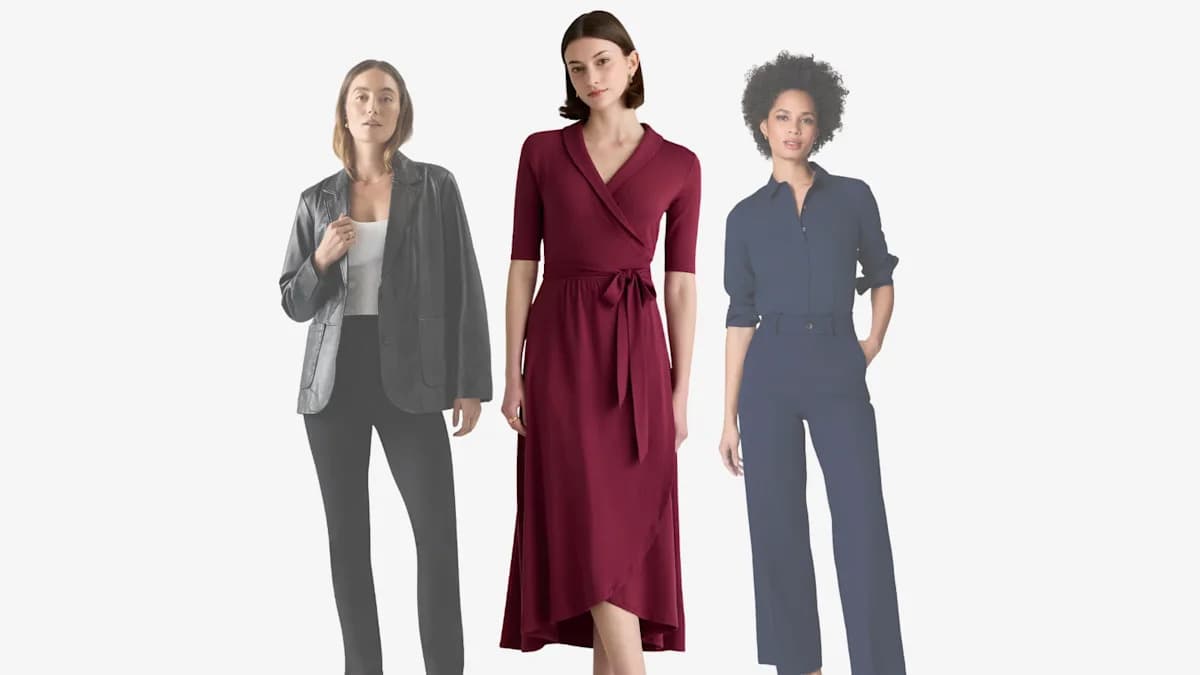
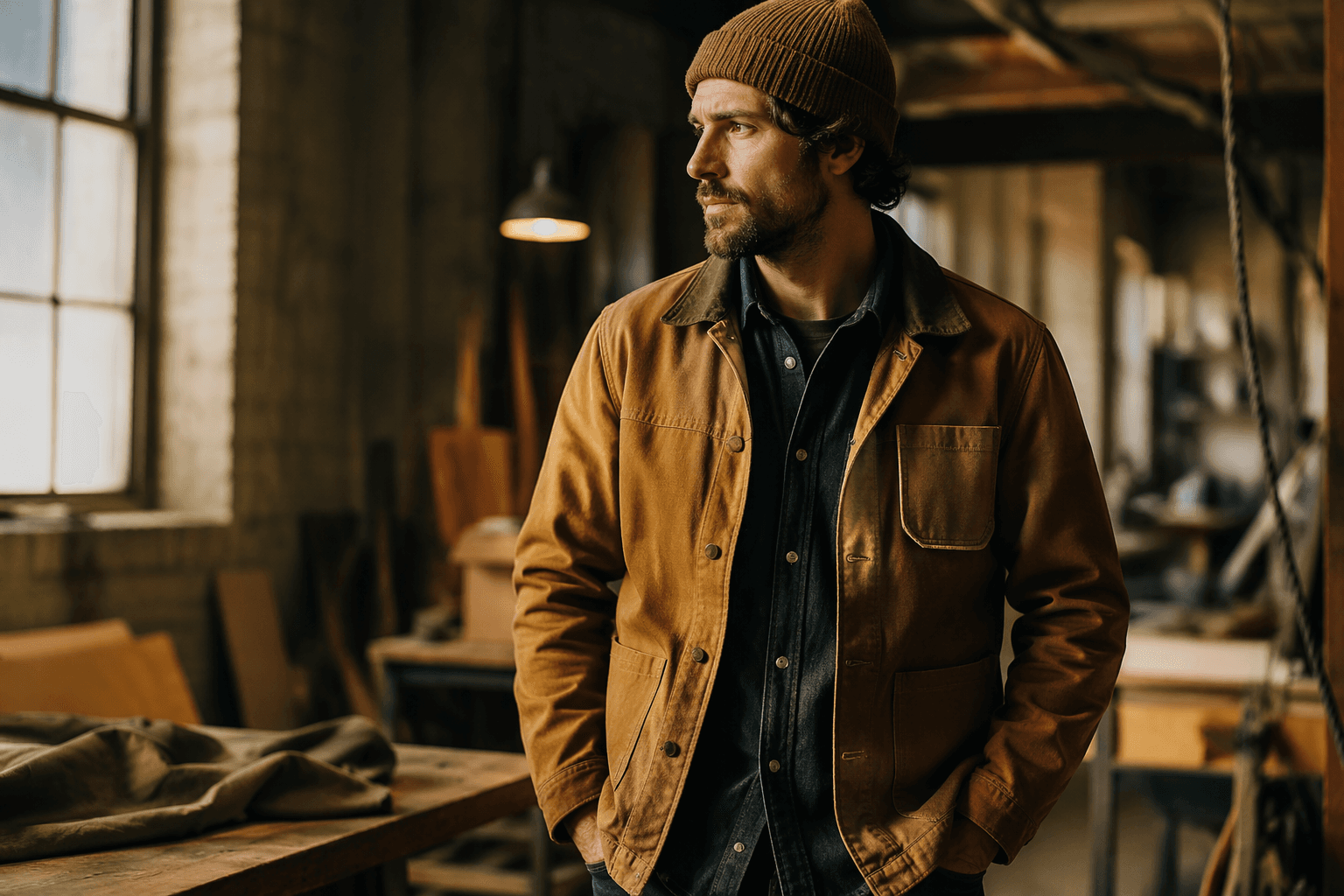
The cotton headline is broad by design. Gap Inc. defined more sustainable cotton as fiber sourced through the Better Cotton Initiative, organic, recycled, the U.S. Cotton Trust Protocol, in-conversion to organic, regenerative or traceable U.S.-grown cotton. That gives the company a wide sourcing umbrella, and it helps explain how a mass-market wardrobe can hit a 100% target without turning every fabric into a lab experiment. It also means the milestone is more about procurement discipline than a visible style shift. A pair of khakis or a trucker jacket can carry that story on a fiber tag, but the garment still has to prove itself in the wash, at the knee, and after a long day in a chair.

The same goes for polyester. Gap Inc. said 65% of its polyester came from recycled sources in 2025, topping its 45% target and aligning with Textile Exchange’s Recycled Polyester Challenge. That is meaningful in the parts of the assortment where stretch, lining and performance blends do the heavy lifting. It is also the kind of number that begs for a second look at the hanger: if recycled content is really moving through the line, where is it landing, and does it change handfeel, durability or recovery in the pieces people actually wear hardest?
The company also said 39% of freshwater withdrawals across its supply chain were replenished to nature in 2025, 46% of electricity in direct operations came from renewable sources, and Scope 1 and Scope 2 emissions were down 70% from a 2017 baseline. Those are the operational proof points that matter behind the scenes, especially for denim and other water-heavy basics, but they still read like a back-of-house accounting sheet unless the gains show up in cleaner dyeing, smarter finishing or longer-lasting garments.
Gap Inc. tied the report to Get Blue, the water and sanitation effort it co-founded with Water.org, saying 2.8 million people have been reached with improved access to clean water and sanitation since 2017. It also said 100% of strategic Tier 1 factories participate in RISE programs, nearly 113,000 workers were reached in 2025 and more than 1.8 million people have been reached since 2007. Old Navy’s This Way ONward reached more than 33,000 youth since 2007 and accounted for 10% of entry-level store hires in 2025, which is a reminder that the labor story sits right beside the fiber story.
Richard Dickson’s team is using the 2025 Impact Report as a scoreboard for the strategy Gap Inc. announced in 2020, and the company says it will keep building momentum on the path to net zero by 2050. The milestone matters most if it changes the clothes in the fitting room, not just the numbers in the report.
This article was produced by Prism’s automated news system from verified source data, official records, and press releases, then run through automated quality and moderation checks before publishing. The system is built and supervised by the people who set the standards it runs under. Read our full AI policy.
Did this article answer your question?