Hi-Vis Workwear Gets a Circular Future as Reflective Beads Are Successfully Recovered
Up to 100% of the glass beads embedded in hi-vis reflective strips can now be recovered and reused, closing a recycling deadlock that sent compliant safety garments straight to the incinerator.
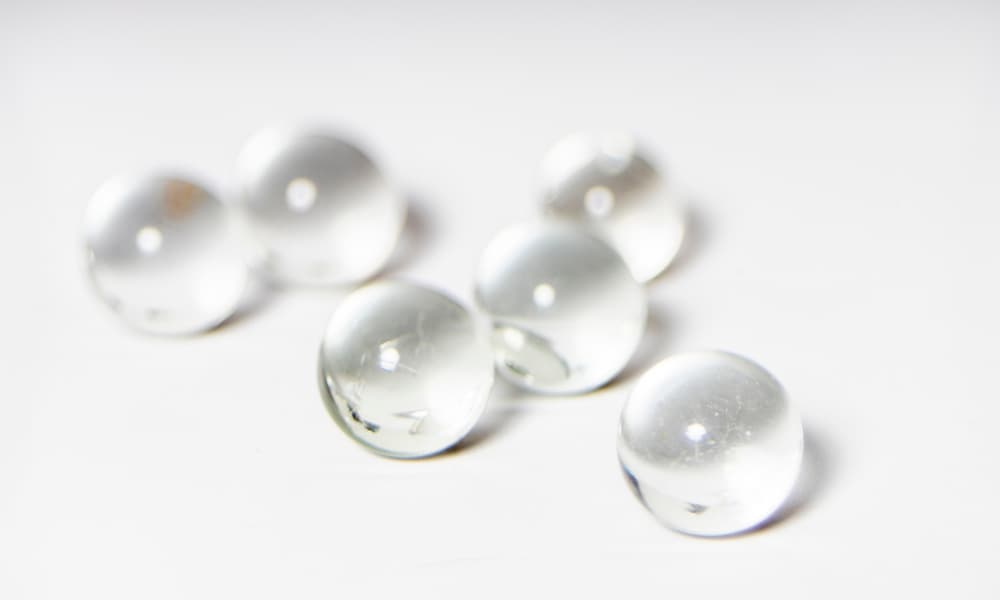
For every hi-vis vest, jacket, and coverall built to EN ISO 20471 spec, there was one fixed end-of-life outcome: incineration. The reflective strips that made the garment legally compliant, tiny glass beads bonded into a polyester composite structure, were impossible to separate from the backing fabric without destroying both, making true closed-loop recycling a technical non-starter across the entire sector. Test results published by Alsico, Stuff4Life, and Coats on March 23 changed that calculus.
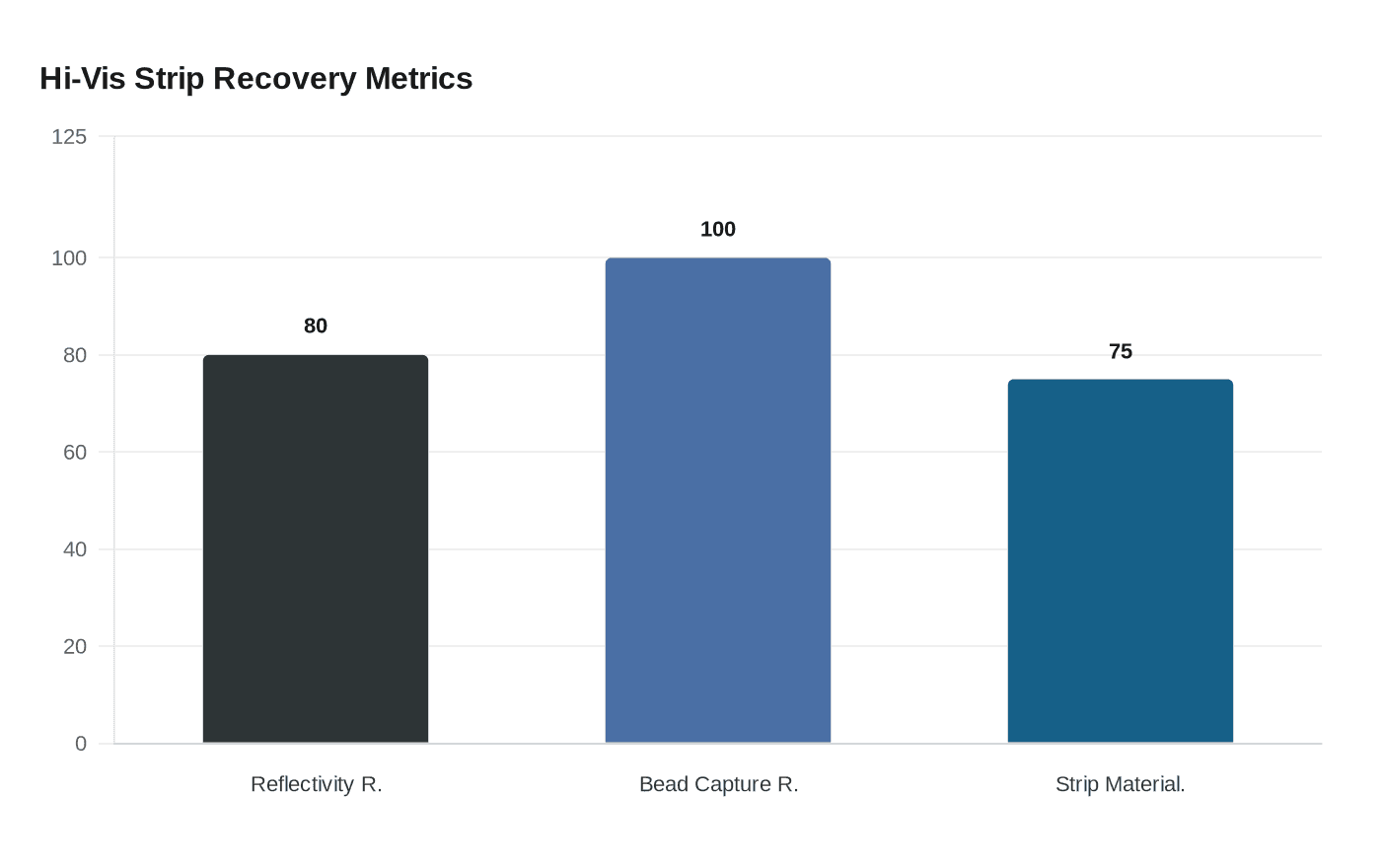
The numbers are the story here. Laboratory analysis confirmed that glass beads recovered through Stuff4Life's patented polyester depolymerisation process retain up to 80% of their reflectivity compared to virgin material, remain intact and spherical, and are optically effective enough that Coats verified they meet reuse criteria for manufacturing new reflective tapes. The capture rate is the headline figure: when reflective strips are manufactured on PET backing fabric, up to 100% of beads can be recovered through filtration. More than 75% of total strip material comes back by weight. Those are not aspiration numbers; they are lab-confirmed metrics independently validated by Teesside University.
The procurement implication is immediate. PET backing is now the specification that separates a recyclable hi-vis garment from an incinerator-bound one. Any corporate uniform program, fleet operator, or infrastructure buyer writing a new tender for hi-vis gear should be requiring PET-backed reflective strip as a minimum eligibility criterion. Without it, the 100% bead capture rate drops, and the closed-loop math no longer holds.

What the results do not resolve is certification. EN ISO 20471 sets minimum retroreflection coefficients that reflective tapes must meet before a garment earns its CE mark; recovered-bead tapes manufactured from the 80%-retention beads will need to clear that standard's test battery before a brand can stamp them compliant. Coats' confirmation that the beads meet reuse criteria addresses material quality but does not substitute for garment-level type examination. Procurement teams should treat certification re-testing as a required line item in any rollout plan, not an inherited assumption.
Vincent Siau, head of the Alsico Academy, put the shift plainly: "Recycling reflective strips has long been a critical challenge for hi-vis workwear. Until now, garments containing these materials were typically destined for incineration." John Twitchen, founder of Stuff4Life, framed the technical difficulty in terms that procurement officers rarely hear from suppliers: "It's incredibly difficult to recycle polyester-based composite garments that are built to last, much harder than cheap, simple fast fashion."
That candor matters for buyers benchmarking competing claims in a market crowded with circular-economy marketing. Hi-vis is the category best positioned for immediate rollout: it is high-volume, standardized in construction, and the compliance framework is well established. Flame-retardant and specialist blended garments introduce additional chemistry that the depolymerisation process would need to validate separately before those categories can follow. Alsico says the breakthrough gives garment manufacturers, trim specialists, laundries, and distributors a clear technical pathway for designing components with recovery and reuse in mind.
Twitchen called it "a major step toward genuinely circular protective garments." The glass bead problem being solved does not mean circular hi-vis workwear is ready to ship at scale tomorrow. It means the last major technical barrier has a confirmed answer, and the next question is how fast suppliers and corporate buyers rewrite their specs to use it.
Know something we missed? Have a correction or additional information?
Submit a Tip