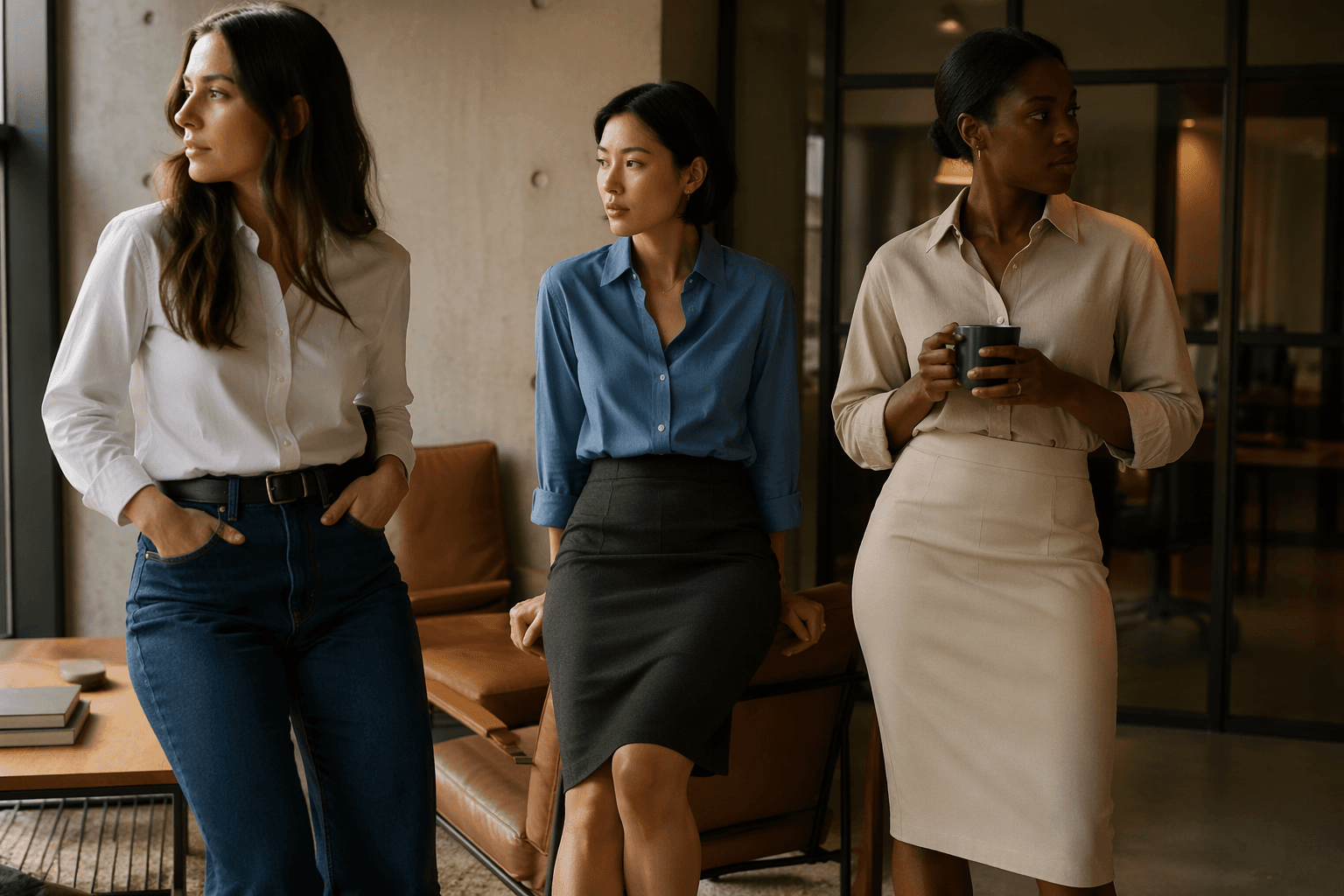
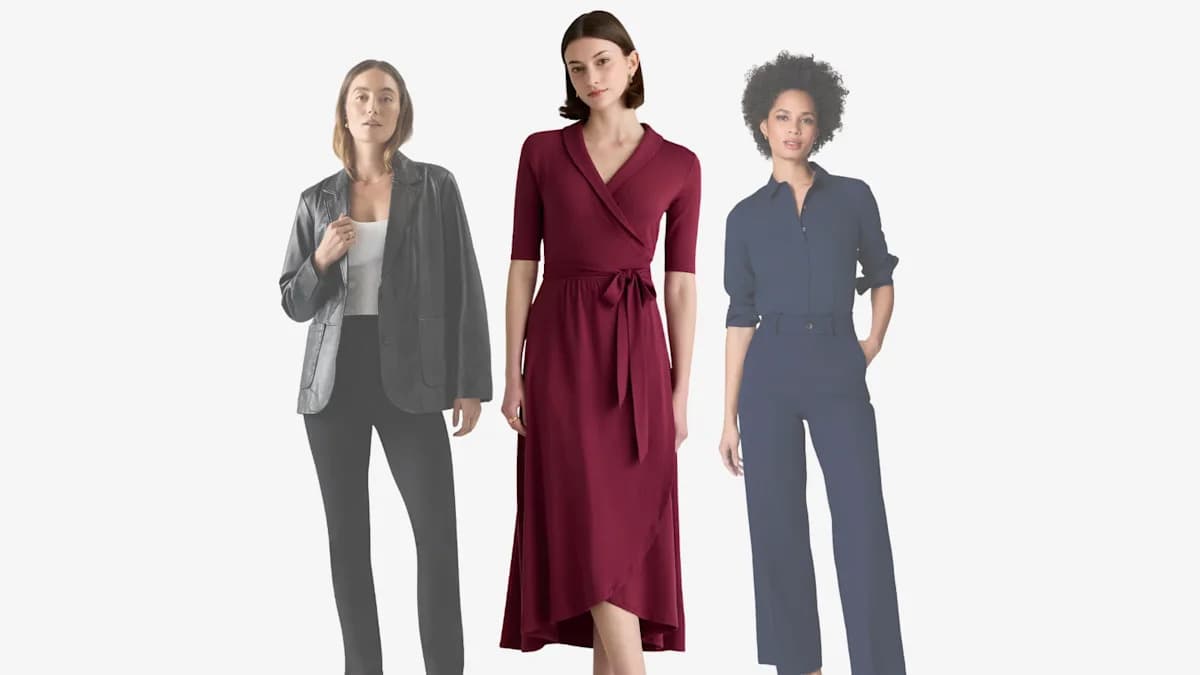
How to wear black in summer, with breathable fabrics and airy layers
Black still works in summer if you treat it like a system: breathable fabric, loose shape, and smarter layers. The result is cooler, sharper, and better for commuting than the usual sweaty all-black mistake.
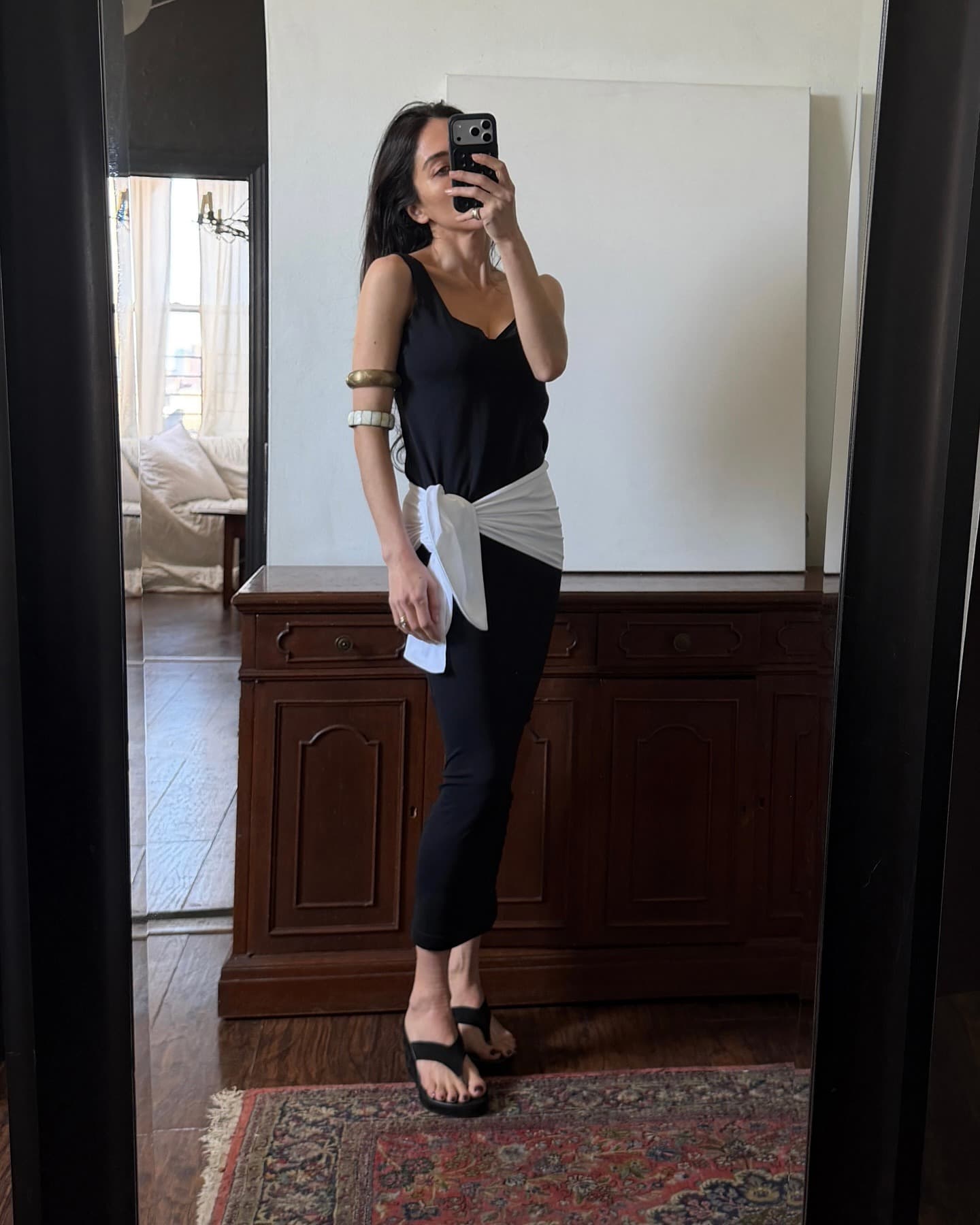
Black in summer only fails when you make it fight the weather. The trick is not abandoning the color, it is stripping out every heavy, clingy, heat-trapping habit that usually comes with it. Who What Wear’s June 11 edit gets that right: cotton, pointelle, silk, sheer skirts, airy pants, and canvas or nylon bags all keep the look dark, minimal, and office-ready without turning your commute into punishment.
The black wardrobe, edited for heat
The best summer black looks do not read as “summer black” because they are lighter in color. They work because they move air. That is the whole point of the edit: keep the authority of an all-black uniform, but swap in pieces that let your body breathe when the sidewalk is radiating heat and your office AC is doing too little, too late.
The shape matters as much as the shade. A black tee is fine; a black tee that sits away from the body is better. A black trouser can look sleek at 9 a.m. and still survive a noon lunch run if it has room through the leg. This is where the styling starts to feel practical instead of performative: black stays black, but the silhouette loosens up enough to make the color manageable.
Start with fabrics that actually breathe
Cotton, pointelle, and silk do the heavy lifting here. Cotton is the easy one, especially when it has a more open weave or a softer hand, because it feels familiar and does not cling like synthetics can. Pointelle adds texture without bulk, and that tiny bit of perforation gives the fabric a lighter, airier feel than a flat knit. Silk brings polish, but in summer it works best when the cut stays easy and the fabric can skim instead of stick.
That fabric logic lines up with standard heat guidance. The CDC recommends lightweight, light-colored, loose-fitting clothing to help skin cool efficiently. OSHA tells workers to wear light-colored, loose-fitting, breathable clothing and a hat when possible. The National Weather Service says to dress for summer in lightweight, loose-fitting, light-colored clothing that reflects heat. Even Mayo Clinic Health System keeps it blunt: tight clothing and excess layers can stop your body from cooling properly.
The common thread is not fashion theory, it is function. When the cloth is breathable and the fit is relaxed, black becomes a styling choice rather than a heat trap.
Why black is not automatically the enemy
The old rule that black is always worse in heat is too simple. A 1980 Nature study on Bedouin robes found that a person in the desert gained the same amount of heat whether the robe was black or white. That does not mean color never matters, but it does mean the physics are more complicated than people like to pretend.
Airflow, fabric, garment shape, and sun exposure all matter. A loose black shirt in a breathable fabric can perform better than a pale piece that is tight, heavy, or synthetic. That is especially true in an office setting, where you are balancing style, indoor-outdoor temperature shifts, and the need to look pulled together without sweating through the plan by 10 a.m.
So yes, black can work. It just has to work like a system. Open weave, roomier cut, and smart layering do more for comfort than clinging to the idea that summer dressing must mean pale colors only.
The silhouettes that keep the look sharp
If the fabric is the engine, the silhouette is the suspension. Sheer skirts are one of the cleanest ways to make black feel summer-appropriate, and Who What Wear’s skirt-trends coverage has already pushed sheer skirts as a major summer 2026 shape. That matters because sheer does two jobs at once: it gives you airflow and keeps the outfit visually light even when the palette is deep and monochrome.
Airy pants do the same thing from the waist down. Think trousers with enough volume to move air, not leggings dressed up as pants. The best versions have a soft drape, a longer line, and enough ease through the thigh and ankle to avoid that sealed-up feeling that makes black unbearable in heat.
The goal is not to look delicate. It is to look deliberate. Black gets its authority from shape, and in summer that means letting the garment float a little instead of locking it to the body.
Accessories should cool the whole outfit down
The bag choice is not an afterthought here. Canvas and nylon bags make the whole look feel less weighted, less winter-coded, and less precious. They also visually interrupt the heaviness that black can bring, which matters when the rest of the outfit is pared back and minimal.
Footwear should follow the same logic. The point is not to create a dramatic shoe moment, it is to avoid adding bulk. A lighter-feeling shoe, whether that means a pared-back sandal, a streamlined flat, or something with a less dense profile, keeps the outfit from tipping into heat-proof cosplay. Black can still read strong at ground level, but the shoe should not feel like a block.
Think of the accessories as release valves. They keep the monochrome from looking sealed shut.
How to build the look for commute, desk, and dinner
The easiest summer black formula is simple: one breathable top, one loose bottom, one lighter accessory, and footwear that does not drag the outfit down. A pointelle knit with airy pants works because you get texture up top and movement below. A silk top with a sheer skirt lands more dressed up, but still feels seasonally right because the fabrics do not fight the temperature.
For the office, this is the sweet spot. The outfit still feels workwear-adjacent, still has that clean black discipline, but it behaves better in transit and under fluorescent lights. That is the real promise of the edit: not just looking chic in black, but making black operational in summer, from subway platform to meeting room to dinner table.
The most useful part of this whole approach is that it respects taste and weather at the same time. Black does not need to disappear when the temperature rises. It just needs better fabric, better airflow, and a little more room to move.
This article was produced by Prism’s automated news system from verified source data, official records, and press releases, then run through automated quality and moderation checks before publishing. The system is built and supervised by the people who set the standards it runs under. Read our full AI policy.
Did this article answer your question?