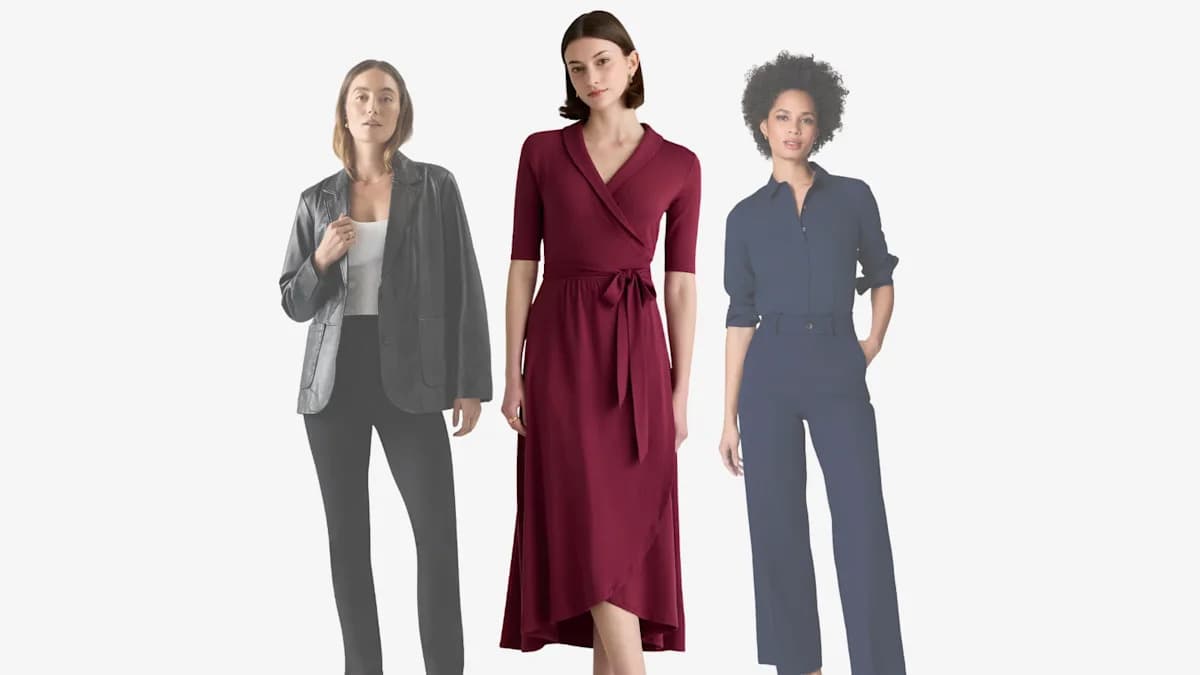
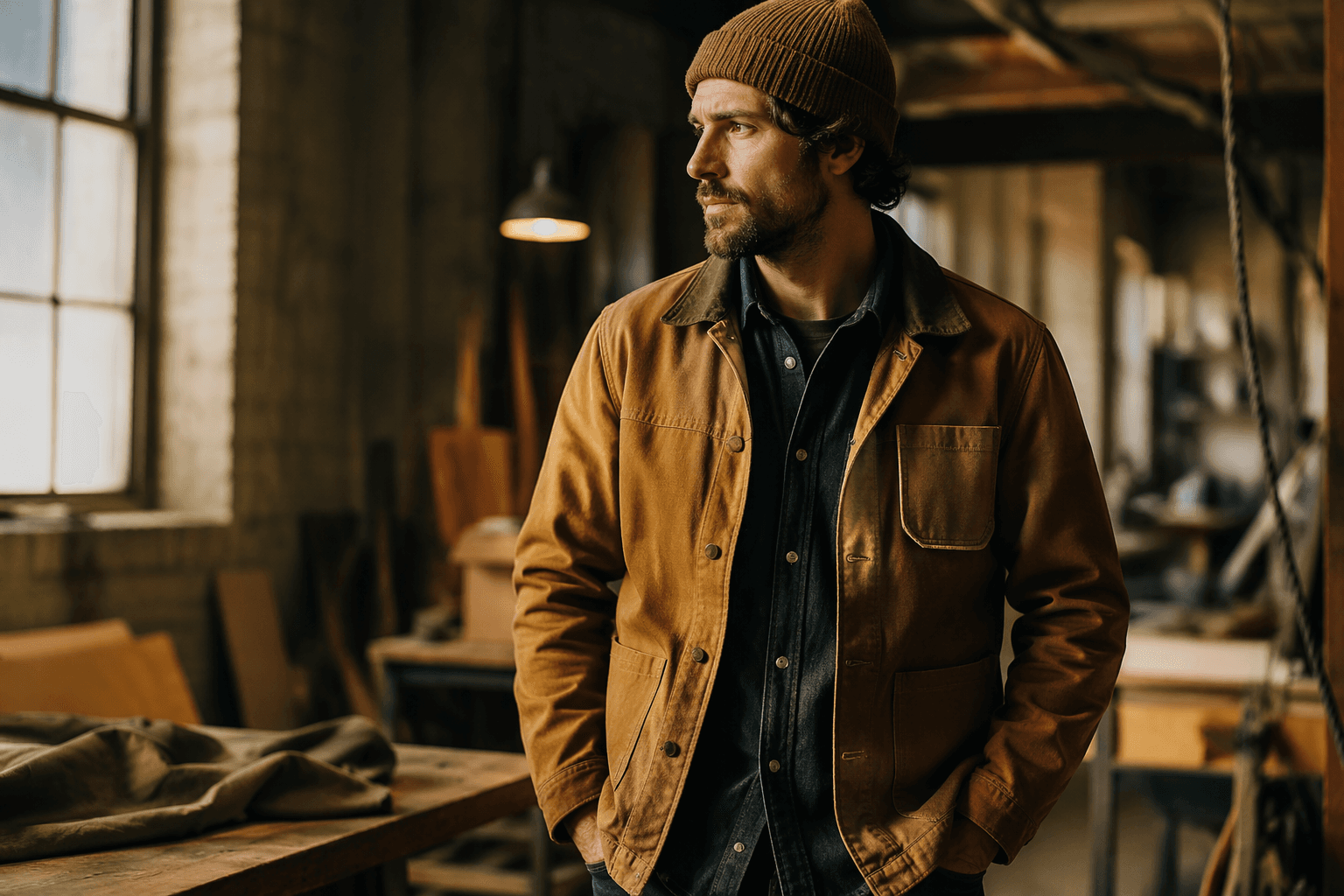
Julien Dossena grounds Rabanne’s chain-mail glamour in workwear
Julien Dossena turns Rabanne’s chain-mail signature into daywear, using workwear and '90s tailoring to make the house feel practical again.
Rabanne’s latest Resort clothes get the brand’s old trick exactly right: keep the shine, but give it somewhere to live after dark. Julien Dossena set chain-mail glamour against workwear and '90s tailoring, and the result feels less like costume and more like a wardrobe with backbone.
What makes this Rabanne look different
WWD described Dossena’s Resort 2027 collection as a balancing act between chainmail party gear and a cool-girl wardrobe rooted in '90s tailoring. That is the key to the whole story. The house’s most recognizable language, metal, sparkle, and a little futurism, is still there, but it has been pulled into clothes that feel useful enough for real life.
The strongest takeaway for anyone who dresses with an eye on function is that Rabanne is not trying to abandon glamour. It is trying to discipline it. Instead of treating shine as the whole point, Dossena uses the structure of workwear and the clean lines of '90s tailoring to make the brand’s signature edge feel more grounded, more wearable, and easier to imagine outside a runway setting.
The pieces that matter most here are the ones that translate spectacle into utility-coded daywear. In practical terms, that means the tailored shapes and sturdier separates do the heavy lifting, while the chain-mail finish becomes an accent rather than a full-time costume. If you want the look in real life, start with the clothes that carry shape and stop at the pieces that merely announce themselves.
Why Rabanne’s metal still matters
Rabanne’s authority in this territory goes back to 1966, when Spanish-born designer Paco Rabanne founded the house and built its identity around Space Age fashion and unconventional materials like metal, plastic, and chainmail. His first show, “The 12 Unwearable Dresses,” took place on February 1, 1966 at the Hotel George V in Paris, a title that still feels like a provocation and a promise at once.
That history matters because Dossena is not working against the brand’s DNA. He is updating it. For more than a decade, he has been credited with modernizing Rabanne by translating those futuristic codes into clothes that feel contemporary and actually useful, which is why this Resort 2027 collection lands with more confidence than mere nostalgia would allow.
The brand’s name change also sharpened that shift. In 2023, after Paco Rabanne died at 88, the house simplified its name from Paco Rabanne to Rabanne. That move signaled a cleaner, more current identity, but the real test has always been whether the metal-and-chainmail heritage can survive in clothes meant for modern consumers who want style with a purpose.
How Resort 2027 fits the recent Rabanne run
This collection does not appear in isolation. WWD’s Resort 2026 review described that season as a Françoise Hardy exercise, with metallic party dresses and sparkly flats. Pre-Fall 2026, by contrast, was called equal parts folksy and futuristic. Taken together, those collections show a designer refining the same idea from different angles: how to keep Rabanne seductive without making it feel sealed off from everyday life.
That progression is what makes Resort 2027 feel important. The Hardy reference in Resort 2026 pointed to French-girl cool with a metallic twist. Pre-Fall 2026 widened the frame by mixing rustic and futuristic notes. Resort 2027 brings the argument closer to the body and the closet, with workwear and '90s tailoring doing the job of making the brand’s flash feel less distant and more lived-in.
For readers who care about function, that is the real story. The best fashion today does not simply look expensive; it knows how to behave in daylight. Dossena seems to understand that Rabanne’s future depends on how convincingly it can move between the office, the street, and evening without losing its metal-edged identity.
What to take from it next season
The biggest mainstream influence is likely to be restraint. Not a dull restraint, but a sharper one: cleaner tailoring, fewer decorative distractions, and a tougher relationship between shine and shape. That is the part other labels will borrow, because it makes workwear styling feel deliberate rather than borrowed from a trend board.
If you are reading this as a guide to what will actually filter into wardrobes, look for these shifts:
- Tailoring with more structure and less softness, especially in jackets and clean separates
- One statement finish, such as chainmail or metallic sheen, balanced by grounded everyday pieces
- A cooler, more disciplined silhouette that lets practical clothes carry the outfit
- Daywear that borrows from workwear without slipping into utility cosplay
Rabanne has always been at its best when it turns risk into polish. Under Dossena, the house is proving that chainmail does not need to be locked inside fantasy. It can sit beside tailoring, function, and daywear, and still feel unmistakably Rabanne.
This article was produced by Prism’s automated news system from verified source data, official records, and press releases, then run through automated quality and moderation checks before publishing. The system is built and supervised by the people who set the standards it runs under. Read our full AI policy.
Did this article answer your question?