Loafers and boots lead workwear’s smarter step into autumn 2026
Loafers and boots are reclaiming office style, with sneaker-like comfort, sharper silhouettes and real wear value driving autumn 2026.

The office shoe is working again
The smartest work shoe of autumn 2026 does not try to look sporty first. It looks polished, grounded and ready for a long commute, then hides the comfort in the sole. Loafers, dress boots and moc-toe lace-ups are moving to the front because they solve the real problem: how to look boardroom-appropriate without feeling punished by the day.
FashionUnited says the autumn 2026 buying season is largely complete, which means retailers are no longer dreaming up the next big thing so much as reacting to what is actually moving. The action now is in in-season adjustments and extra buys, the kind of merchandising that tells you the floor is speaking louder than the forecast.
Why these shapes are winning
The strongest message in the market is not about maximalism or novelty. It is about formal footwear that has borrowed the best part of a sneaker: the lightweight, cushioned sole. Loafers, dress boots and moc-toe lace-ups are gaining ground because they read as smarter than retro runners, but still wear like shoes built for a full day on foot.
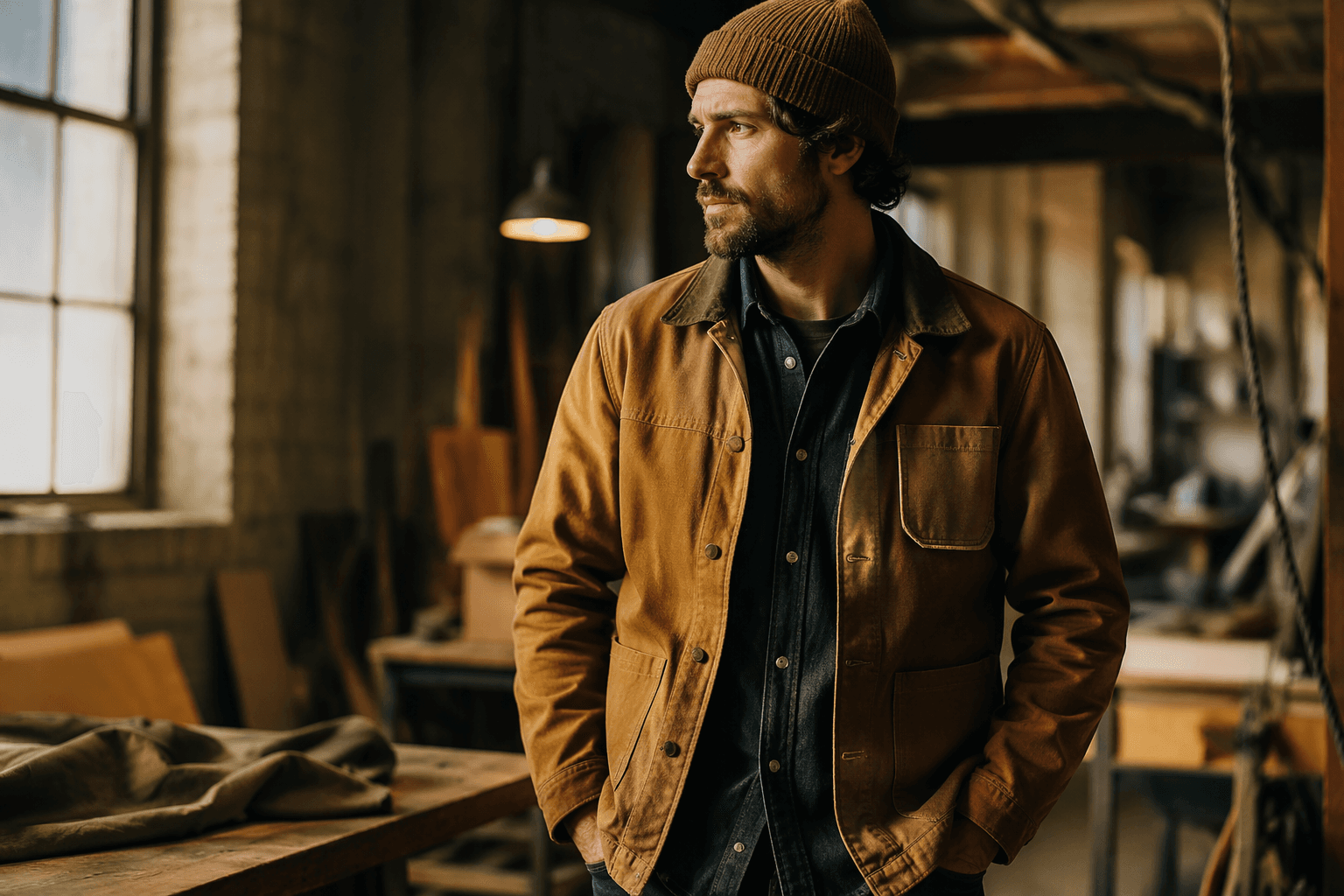
That balance matters. A loafer with a cleaner upper and a softer, sneaker-like base lands differently from the stiff pairs office dressing used to demand. A dress boot gives the sharpness people want as hemlines and trouser legs get more tailored again. A moc-toe lace-up brings texture and a little workwear grit, which keeps it from feeling like a museum piece.
The retro running shoe is not disappearing, and FashionUnited says it still has support in the market. But the mood has shifted toward pairs that can handle long hours, not just good photos. In 2026, comfort is no longer a detour from style. It is part of the style brief.
The boot is back in womenswear
FashionUnited also points to a noticeable return of the boot in womenswear, and that category remains remarkably trend-sensitive. That sensitivity is exactly why the boot matters now. Change the toe shape, the shaft height or the finish and the whole outfit feels more current, more deliberate, more expensive.
This is where autumn dressing gets interesting. A boot gives you structure under a tailored trouser, weight under a skirt and a cleaner line than a sneaker can manage when the look needs to mean business. In womenswear especially, the boot is the fastest route back to polish without slipping into stiffness.
The appeal is practical as much as aesthetic. Boots cover more ground, visually and literally, and that makes them an easy answer for wet-weather commutes, long office days and the kind of calendar that runs from desk to dinner. If a shoe can do that while still looking like it belongs in a meeting, it has earned its place.
The market is betting on value, not fluff
The numbers back up the shift. Statista forecasts the global footwear market at US$550 billion in 2026, and boots are the largest segment at US$201 billion. That kind of scale explains why boots keep showing up as the category with the most momentum. When the biggest slice of the market is also the most versatile one, retailers pay attention.
Circana and The NPD Group were already pointing in this direction in February 2023, saying U.S. footwear sales were expected to stabilize over the next three years while fashion, leisure and performance kept blurring together. That blur is visible all over the 2026 market: a loafer that feels like a trainer, a boot that wears like everyday gear, a lace-up that does office duty without losing its edge.
Price, sell-through rate and long-wear value are now central to the conversation. That is not a boring footnote. It is the filter separating shoes people admire from shoes people actually keep in rotation. A polished upper only goes so far if the construction cannot handle a season of repeated wear.
Buyers are reading the floor, not just the forecast
WWD’s fall 2026 footwear coverage shows the same mindset from another angle. Buyers at major footwear chains and independents are watching what sells for spring 2026 and using that live read to predict the shoes that will resonate later in 2026. The season is being shaped by what is moving now, not by abstract trend language.
That is why formal-leaning comfort shoes are showing up everywhere in the conversation. Retailers are looking for silhouettes that can cross from workwear into daily life without feeling precious. They want proof on the floor, not just a clean line sheet.
It also explains why the smarter shoe is returning with more substance than nostalgia. This is not the old office loafer, rigid and slightly apologetic. This is the version with a lighter sole, a better last and enough ease to survive real life.
The smarter dressing shift is already here
WGSN’s spring-summer 2026 guidance was clear: smarter dressing was returning, and loafers were set to be popular for officewear as consumers moved away from the relaxed pandemic-era uniform. That call still reads cleanly against the autumn 2026 market. The casual correction is not a sudden snapback, but the direction is unmistakable.
Consultant Madeline Van Der Hoek described the move as a turn toward smarter dressing, and that is exactly what the new office shoe reflects. The look is more composed, less slouchy and more willing to signal intent. Even when the shoe borrows comfort cues from sneakers, it is no longer trying to disappear into athleisure.
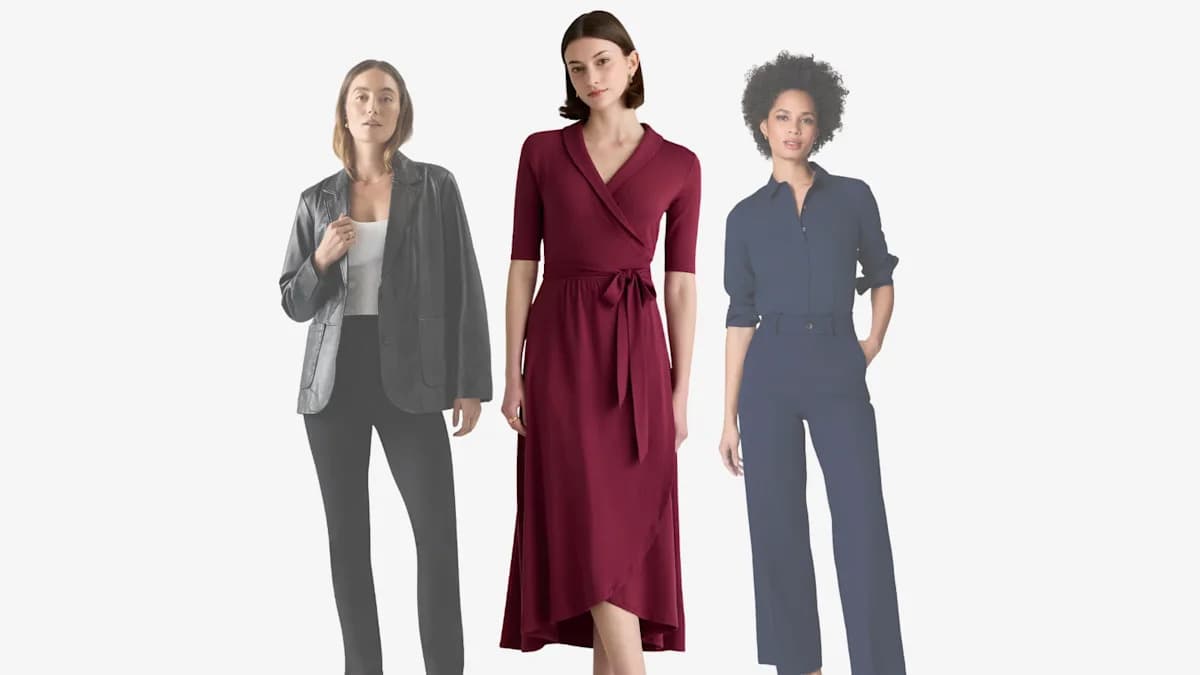
For workwear, that means the most useful shoe shapes are the ones that can hold a tailored trouser, sharpen a knit dress or keep a blazer from drifting too casual. A loafer does that with minimal fuss. A dress boot does it with more authority. A moc-toe lace-up does it with a little toughness, which is often the best way to keep corporate dressing from feeling bland.
What to look for now
The best autumn 2026 office shoes share the same DNA: a formal silhouette, a comfort-first sole and construction that can survive heavy use. The details matter because they decide whether the shoe reads as a smart investment or just another trend cycle purchase.
- Choose loafers with enough sole volume to cushion walking, but not so much that they lose their clean profile.
- Look for dress boots with a streamlined shaft and a shape that works under tailoring, not only over denim.
- Go for moc-toe lace-ups when you want texture and utility without tipping fully into rugged workwear.
- Keep an eye on price versus construction, because the market is rewarding value that lasts, not just a logo and a mood.
The bigger story is simple: office shoes are getting smarter without getting harder. That is why loafers, boots and moc-toe lace-ups are the shapes to watch. They understand the modern workday, and they look good all the way through it.
This article was produced by Prism’s automated news system from verified source data, official records, and press releases, then run through automated quality and moderation checks before publishing. The system is built and supervised by the people who set the standards it runs under. Read our full AI policy.
Did this article answer your question?