Military Jackets Return as Ornate Statement Pieces for FW26
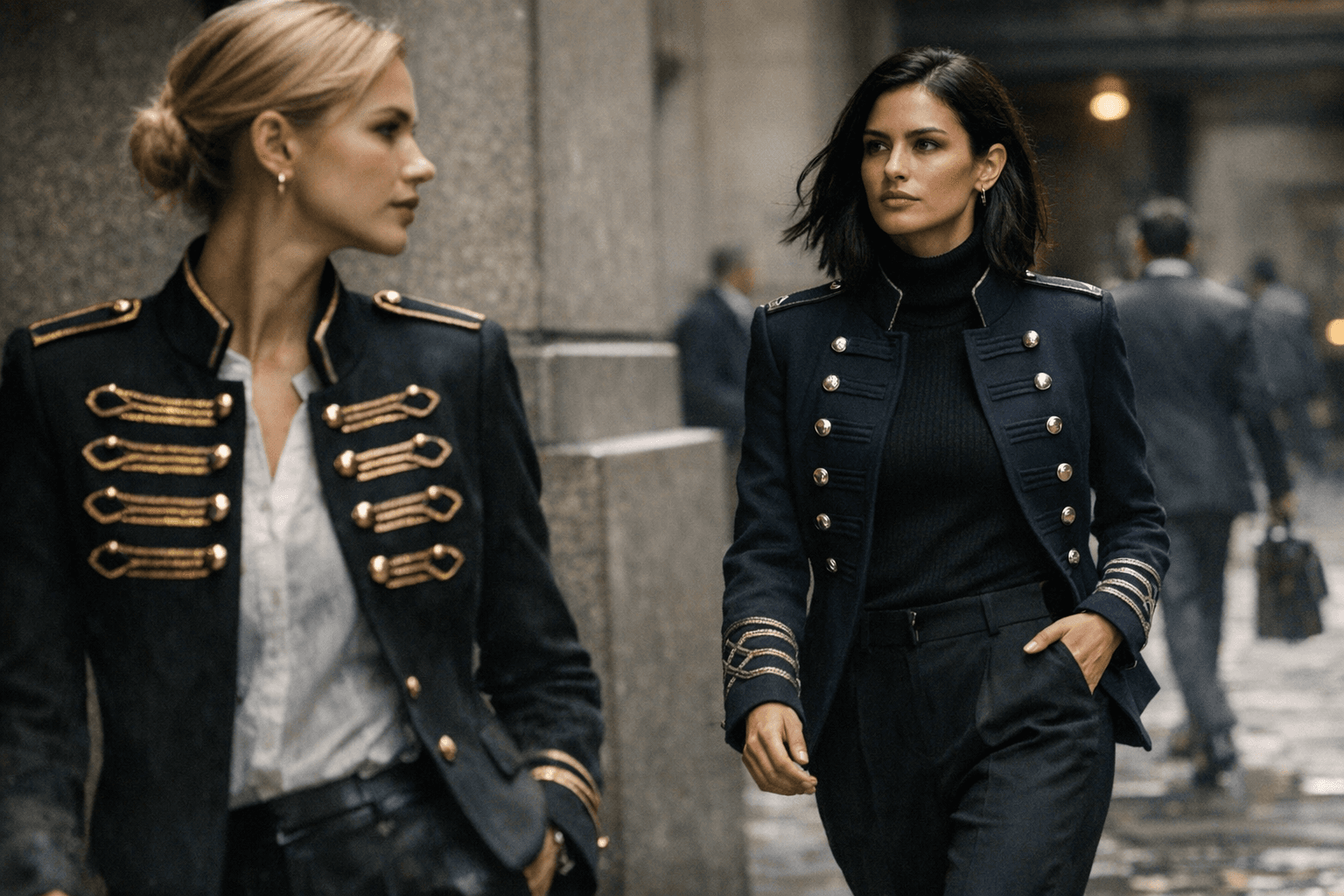
Military jackets are back, but the office version is stripped of pageantry: sharper shoulders, cleaner tailoring, and just enough hardware to signal authority.
The new power jacket
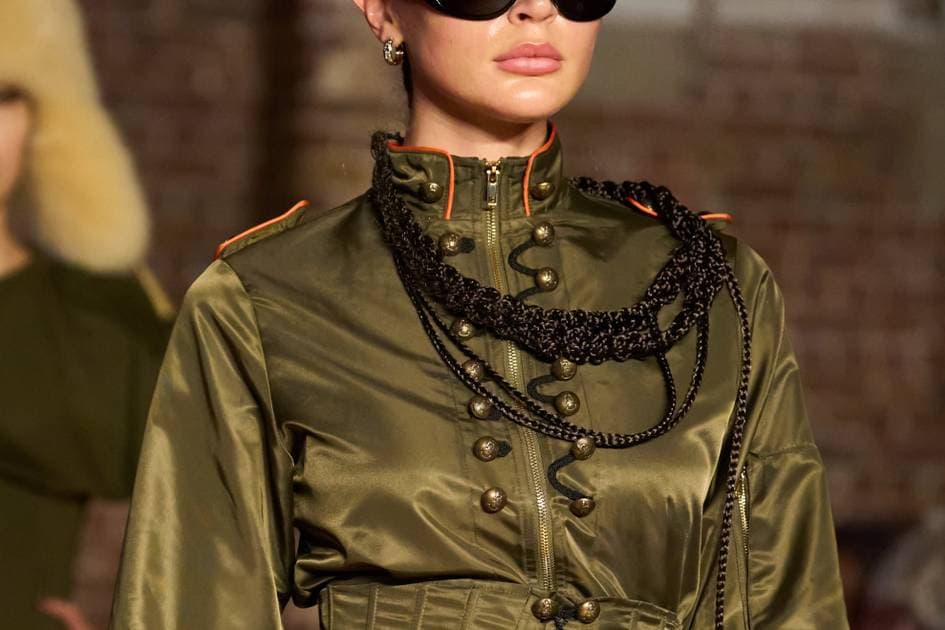
The military jacket is returning in its most decorated form, but the smartest way to wear it now is to resist the full parade. What makes the FW26 version interesting is not the ceremony, but the edit: structured shoulders, precise tailoring, and ornamental details that read as authority instead of costume. FashionUnited’s read on the season makes the point clearly, tracing the look from Pre-Fall 26 into a stronger FW26 statement category where decorative tailoring and heritage references sharpen into something more polished and wearable.
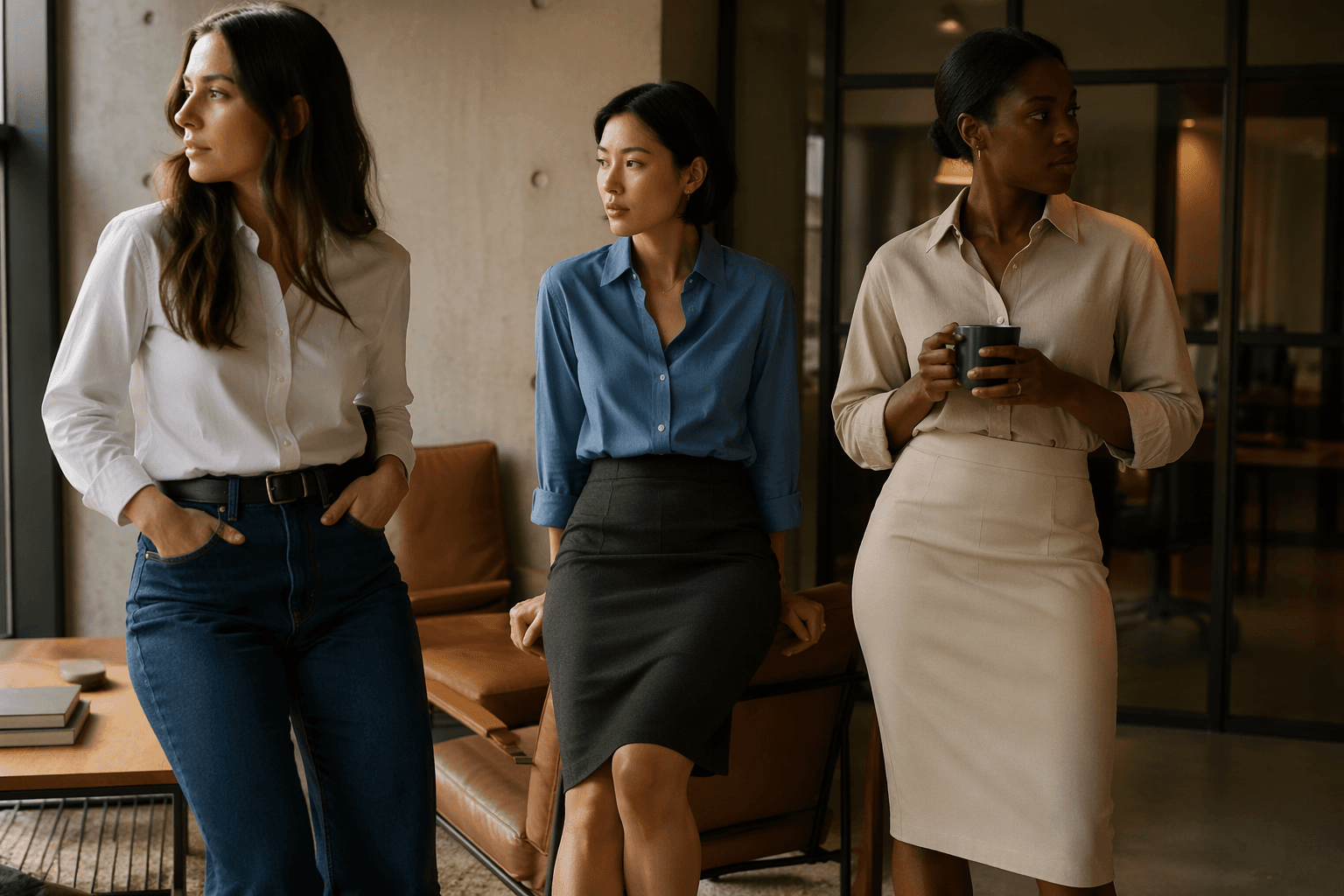
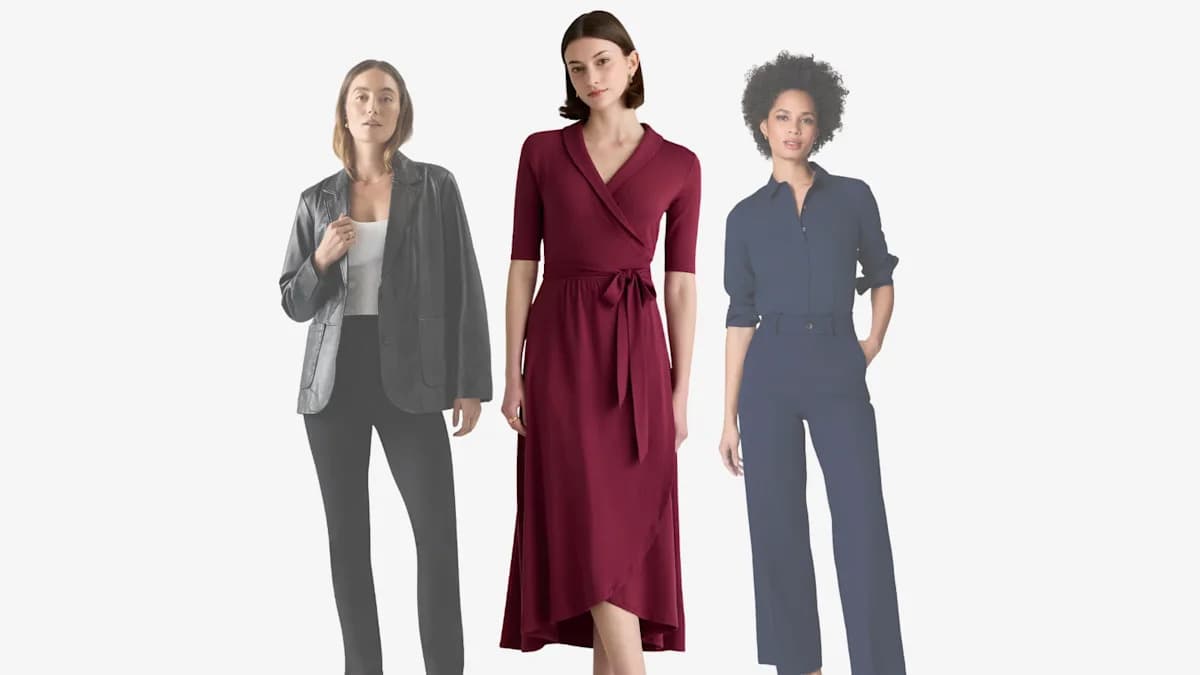
That balance matters for workwear. A jacket with a firm shoulder line can do the heavy lifting of an entire office outfit, especially when the rest of the look is kept quiet. Think dark trousers, a simple knit, or a clean skirt rather than epaulettes piled on top of braiding, buttons, and braids competing for attention.
Why the silhouette keeps coming back
Part of the appeal is that these jackets are instantly legible. The modern fashion label “Napoleon jacket” is not a formal historical uniform name, but it has become shorthand for nineteenth-century European officer silhouettes with dense buttoning and decorative braid, and that is exactly why the shape keeps resurfacing in fashion cycles. It gives structure without stiffness, drama without needing loud color or prints.
FashionUnited’s FW26 framing places George Keburia, Balmain, and Ann Demeulemeester in the same conversation, which tells you where the pendulum sits: somewhere between tailoring and ornament, between discipline and display. The key is that the jacket should look intentional and architectural, not theatrical. In the office, that means choosing one strong military cue and letting the rest of the outfit breathe.
Balmain’s version leans into heritage
Balmain is one of the clearest examples of why this trend feels persuasive rather than novelty-driven. The house says its Fall 2026 collection draws on Pierre Balmain’s heritage, with the iconic pilot jacket treated as an “aerodynamic-like leitmotif” throughout the collection. That language matters because it anchors the look in the brand’s long-running tailoring codes rather than in passing costume references.
Balmain was founded in 1945 by Pierre Balmain, and that history gives the jacket a real framework: strong structure, sharp lines, and a confidence that comes from cut more than embellishment. For workwear, this is the best lesson of the trend. The jacket should signal command through shape first, then let selective hardware do the rest. Skip anything too covered in braid or frogging if you want it to land in the boardroom rather than on a stage.
KHAITE shows how to make it modern
KHAITE takes the military mood and softens it through texture and tension. The brand revealed its Fall/Winter 2026 collection on February 14, 2026, at New York’s Park Avenue Armory, and described the season as a synthesis of art and artifice, truth and illusion, centered on “exquisite materials, artisan techniques, and decisive flourishes.” That gives the trend a useful direction for the office: sharpness paired with richness, not excess for its own sake.
The show’s scale underlined that contrast. Fashion coverage noted a monumental 60-foot curved LED wall built from 2,000 handmade panels, a setting as engineered as the clothes themselves. For workwear, the takeaway is subtler than the spectacle: one refined military detail, like a disciplined shoulder or a precise closure, can carry the same sense of intention without overwhelming a blazer, trouser suit, or pencil skirt.
ETRO pushes the decorative edge
ETRO’s Fall Winter 2026/27 show pushed the military idea toward embellishment, which is exactly where the line can get risky for office dressing. The brand’s own runway description included cords, sashes, and martingales alongside glittering embroidery, and runway coverage described Marco De Vincenzo moving from military references and restraint into full glam and maximalism. It is beautiful, but it is also the point at which the jacket can tip into evening territory fast.
For daytime, the solution is restraint. Keep the silhouette strong but let the embellishment be selective: one row of braiding, one ornate fastening, one pronounced shoulder. If the jacket already speaks loudly, everything else should be hushed. Pair it with matte fabrics, streamlined trousers, and minimal jewelry so the look reads as polished authority rather than ceremonial dress-up.
How to wear the trend to the office
The best military jacket for work looks tailored enough to sharpen the body and clean enough to sit under fluorescent light without feeling theatrical. A cropped jacket with a crisp shoulder can work over high-waisted trousers; a longer version can replace a blazer if the rest of the outfit stays lean. The point is to keep the decoration disciplined.
- Choose structured shoulders over bulky padding.
- Look for precise tailoring and one or two hardware details, not a full field of embellishment.
- Ground ornate jackets with plain wool trousers, a silk shirt, or a simple knit.
- Keep the palette restrained, especially in black, navy, deep olive, or ivory.
- Skip excessive braid, shiny buttons everywhere, and anything that feels like a costume piece.
That mix gives the jacket room to read as professional rather than performative. Even the most ornate military-inspired styles can become office-ready when they are stripped of pageantry and anchored by clean separates.
What to skip so it does not become costume
The danger with this trend is obvious: once the jacket starts collecting too many historical references, it loses versatility. A ceremonial collar, heavy braid, metallic trim, and decorative cords all at once can push the look into fantasy. That may be striking on a runway, but it is far less convincing in a conference room.
The smarter route is to borrow the jacket’s authority and leave the rest behind. Think in terms of silhouette and finish, not reenactment. The FW26 military jacket works when it feels like a modern uniform for women who want presence, not pageantry, and that is why this trend has real staying power beyond the season’s theatrics.
This article was produced by Prism’s automated news system from verified source data, official records, and press releases, then run through automated quality and moderation checks before publishing. The system is built and supervised by the people who set the standards it runs under. Read our full AI policy.
Did this article answer your question?