Shanghai Fashion Week AW26 blends heritage craft with global luxury signals
Heritage details drove Shanghai’s AW26 workwear story, turning porcelain whites, frog buttons and silk into office-ready polish.

Heritage as the new workwear code
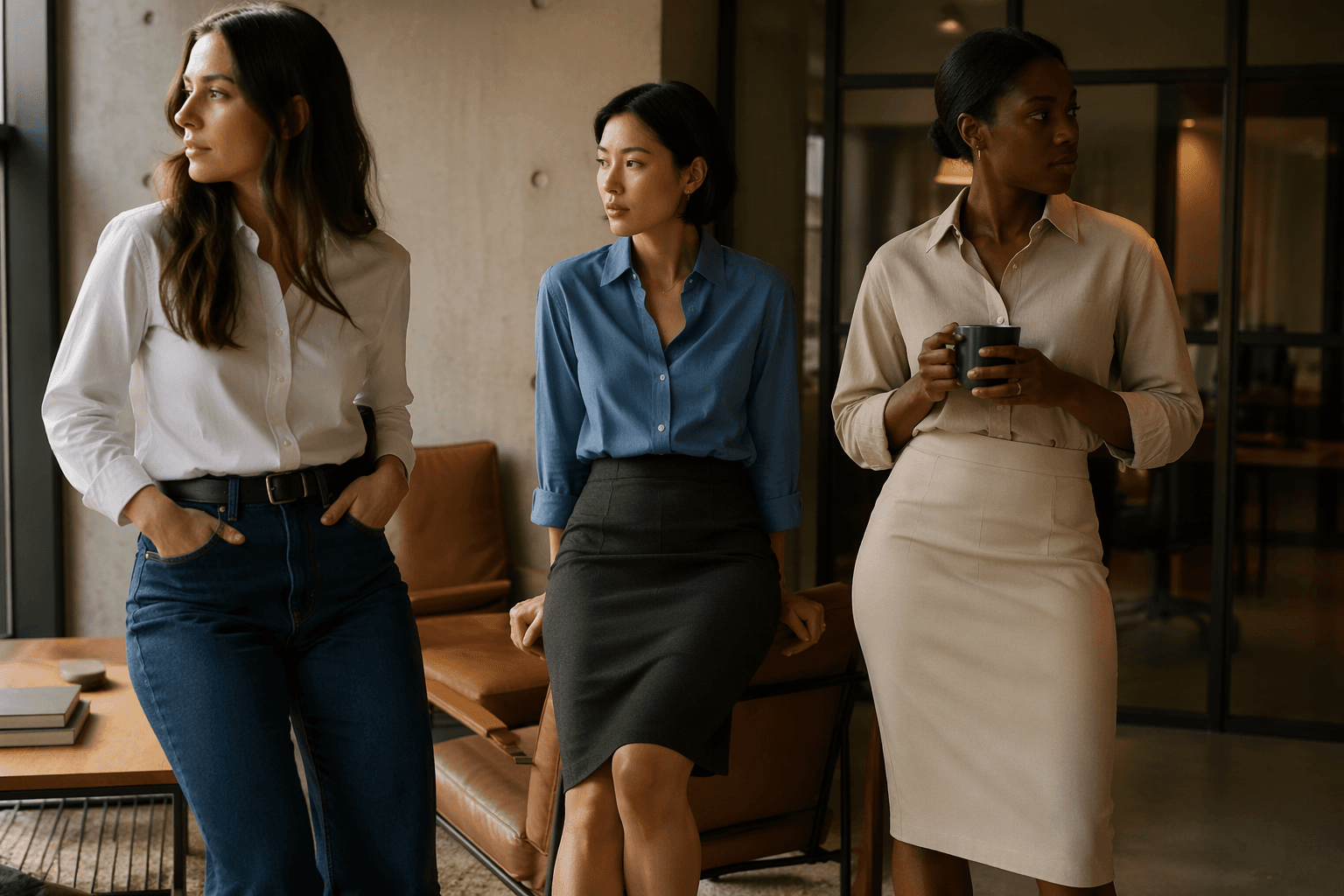
Shanghai Fashion Week’s AW26 season made a clear argument for the modern office wardrobe: heritage works best when it shapes the clothes, not when it is pasted on as decoration. Ceramic whites, clay-toned sneakers, artisanal textures and craft-based detailing all appeared in pieces that still read as practical, polished and global. The result was not the usual “East meets West” shorthand, but a sharper idea of luxury dressing, one that treats cultural reference as construction, finish and silhouette.
That distinction matters. Instead of turning tradition into costume, the strongest looks translated it into clothes you could actually wear from showroom to meeting to dinner. Denim came through with cleaner lines, Chinese frog buttons added structure rather than novelty, coats looked precise rather than fussy, and silk softened the whole picture with movement and light.
Heritage, translated into wardrobe essentials
The most useful takeaway from Shanghai is how these references were made commercially legible. White porcelain inspired a palette that feels especially relevant for workwear, crisp and controlled without becoming severe. At Maison Margiela, that idea showed up as a refined, almost architectural way of thinking about pale surfaces and clean finish. It is the kind of visual language that can move easily into shirts, tailoring and coat dressing, where restraint carries more authority than ornament.
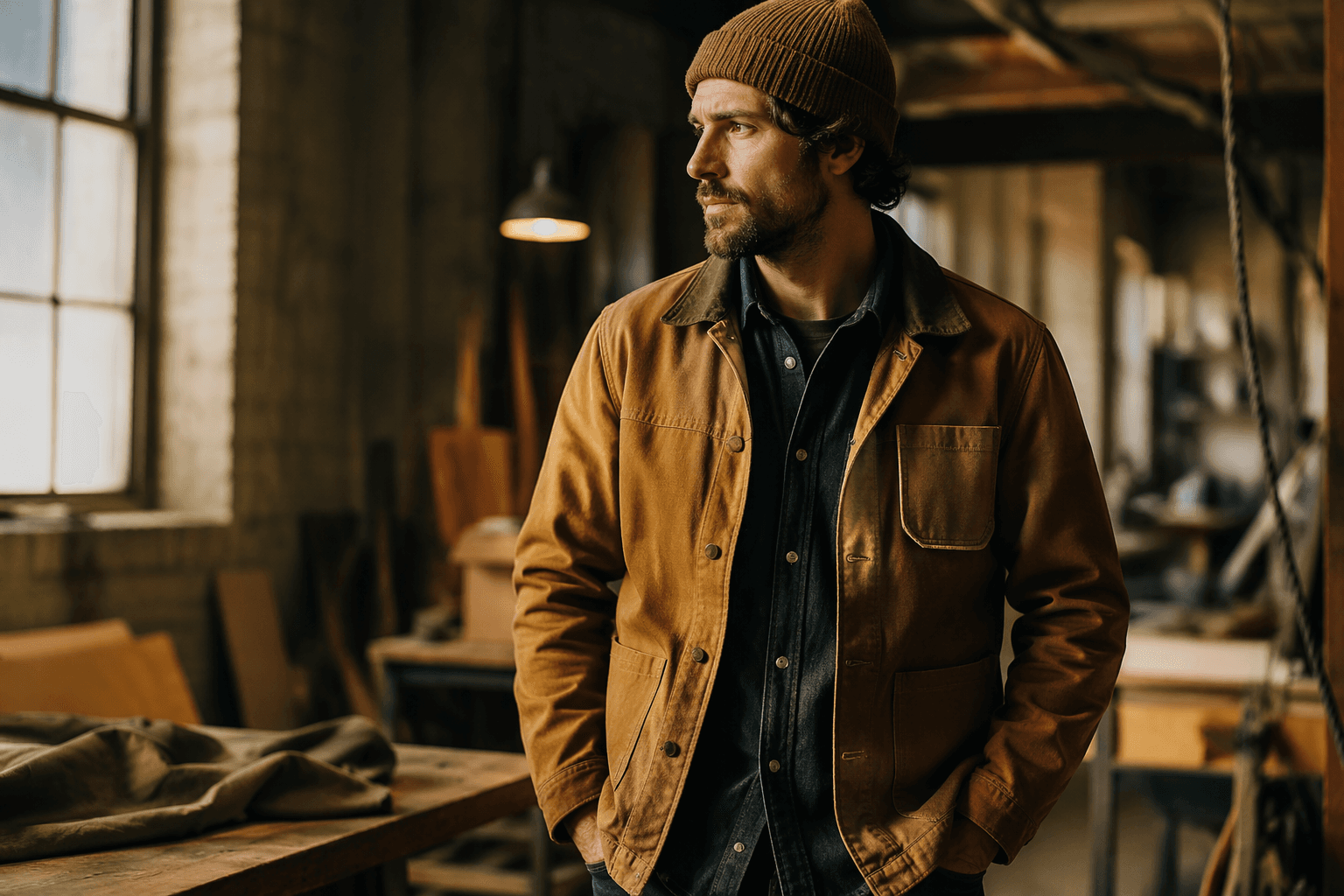
Black clay offered the opposite register and proved just as effective. Nike trainers inspired by that material brought depth and earthiness to an otherwise sharp, urban wardrobe. That is the trick Shanghai’s most convincing collections kept returning to: the texture of heritage should change how a garment feels, not just how it looks in a photograph. A jacket with a better button, a coat with a richer surface, a sneaker with a grounded tone, all of that lands harder than an obvious motif.
What felt wearable, not staged
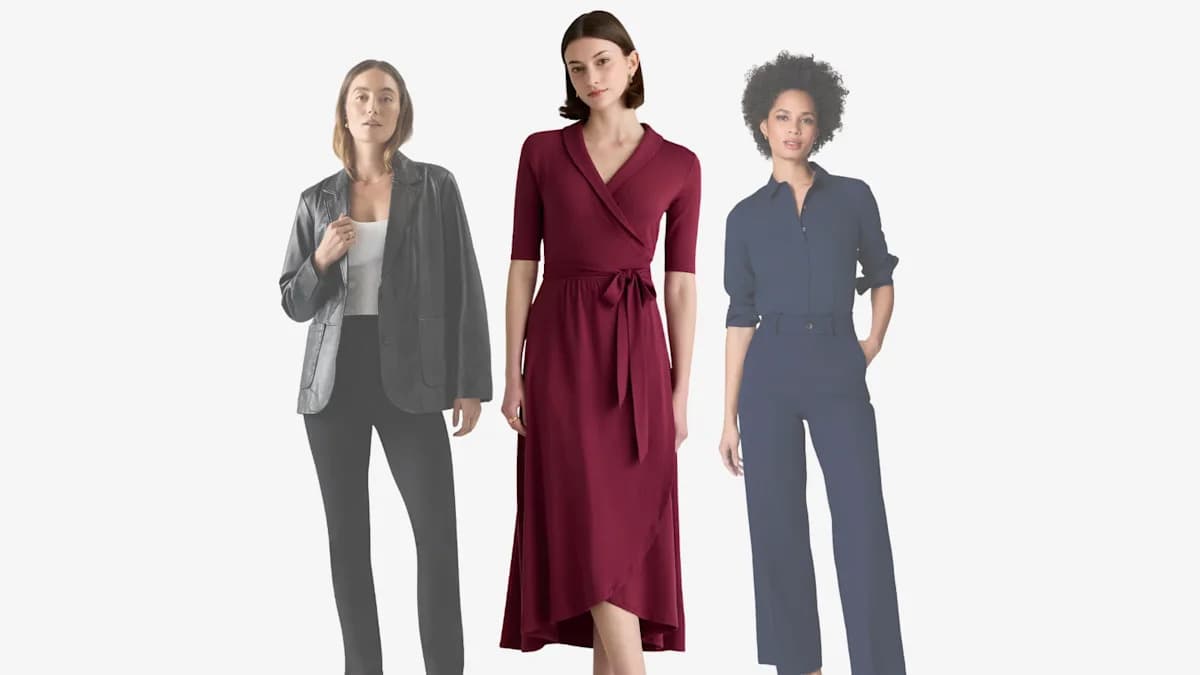
The city’s strongest workwear signals came through pieces that already belong in a modern wardrobe. Denim was handled with enough discipline to feel office-appropriate rather than weekend casual. Clean-cut coats brought the sort of straight, efficient line that works over tailoring, while flowing silk gave movement to otherwise structured looks and kept the clothing from feeling rigid.
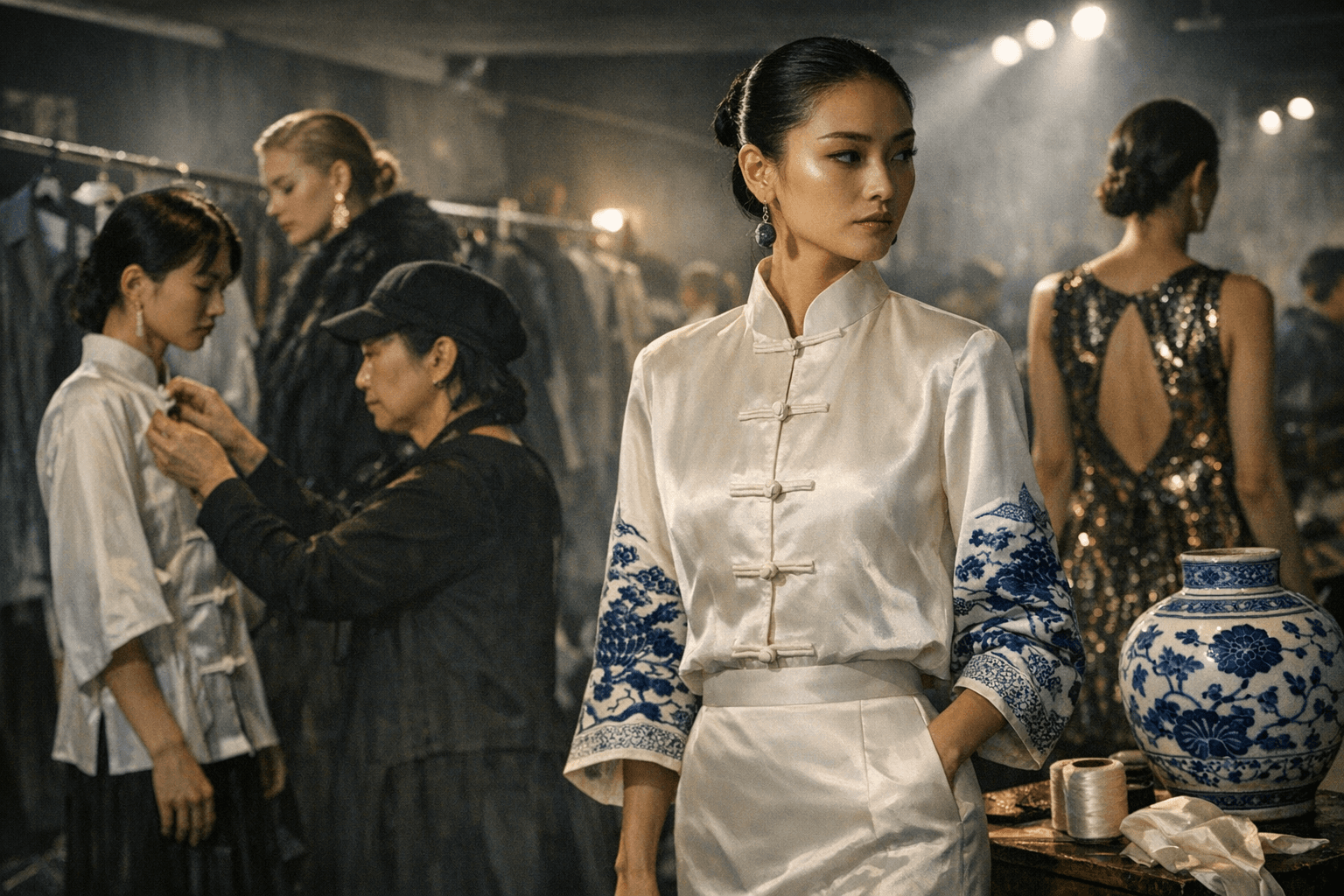
Chinese frog buttons were another smart detail because they do real design work. They bring craft into the center of the garment, where it can act as closure, trim and visual rhythm all at once. That makes them far more compelling than surface embroidery or slogan-level cultural reference. The same goes for artisanal textures, which add tactility and depth without forcing a theme. For readers building a work wardrobe, that is the difference between a piece that feels elevated and one that feels dressed up for its own sake.
Why Shanghai’s calendar felt bigger than a runway week
The AW26 season ran from March 25 to April 1, 2026, but the business of it extended well beyond those dates. Shanghai organizers framed the week as a citywide fashion consumption season built around a “see-order-buy” model, which connects runway, showroom and retail in a way that makes the clothes feel immediately actionable. The broader schedule stretched through April 12, with trade fairs, runway presentations and a launch of the 2026 Global Fashion Industry Index on April 2, plus Shanghai Xintiandi fashion events later in the month.
That structure explains why the season felt commercially sharp. It was not only about what looked good under lights, but about how quickly ideas could move from show floor to wardrobe. In a year when the city is being watched for signs of an early luxury rebound in China, that kind of directness matters. The runway was not sealed off from the market; it was designed to feed it.
The names and shows that defined the mood
The week’s most talked-about moments mixed international scale with local specificity. Maison Margiela made its global AW2026 debut in Shanghai on April 1, then followed it with a special exhibition from April 2 to April 6. Under Glenn Martens, the brand’s presence underscored how Shanghai has become a stage where global luxury houses can debut with real intent, not just stop by for visibility.
Samuel Gui Yang stood out for a different reason. The label’s off-schedule show was repeatedly singled out as one of the most remarkable presentations of the week, with dreamlike staging beneath a canopy and details including an orange silk blanket and a white feather cape. Its design language moved fluidly between East and West, but without flattening either side into easy symbolism. That is exactly what made it feel current: the clothes suggested exchange, not fusion-for-effect.
The broader lineup reinforced that balance. Alongside Maison Margiela, Vera Wang, Apple, Adidas Originals and Chinese designers all appeared in the conversation around the season, giving Shanghai Fashion Week the feel of a market where heritage, sport, luxury and local design are all speaking to one another. The result was less about cultural contrast than about editorial discipline, choosing the right reference and turning it into something wearable.
What to wear, and what to skip
For anyone translating Shanghai’s AW26 mood into real workwear, the edit is refreshingly clear.
- Wear porcelain whites in shirts, coats and tailoring when you want polish without hardness.
- Wear denim that is cut cleanly and finished with thoughtful details, not distressing.
- Wear coats with tactile surfaces or restrained craft details that add depth at close range.
- Wear silk as a counterpoint to structure, especially in blouses, linings or fluid trousers.
- Wear frog-button closures when they are functional and precise, not decorative noise.
Skip anything that relies on culture as costume. Skip the obvious mash-up, the over-literal motif and the “East meets West” styling that collapses nuance into surface. Shanghai’s AW26 season was most convincing when heritage became a design tool, because that is what makes modern workwear look expensive, intelligent and ready for the real world.
In the end, Shanghai showed that the strongest global luxury signals are not always loud. Sometimes they arrive as a porcelain-white coat, a clay-toned sneaker, or a perfectly placed frog button, and suddenly office dressing looks far more interesting than it has any right to.
This article was produced by Prism’s automated news system from verified source data, official records, and press releases, then run through automated quality and moderation checks before publishing. The system is built and supervised by the people who set the standards it runs under. Read our full AI policy.
Did this article answer your question?