Men are losing their self-respect. Bring back the jacket and tie
The puffer jacket colonised the office so gradually nobody noticed. Now the case for bringing back the blazer and tie is louder than it's been in years.
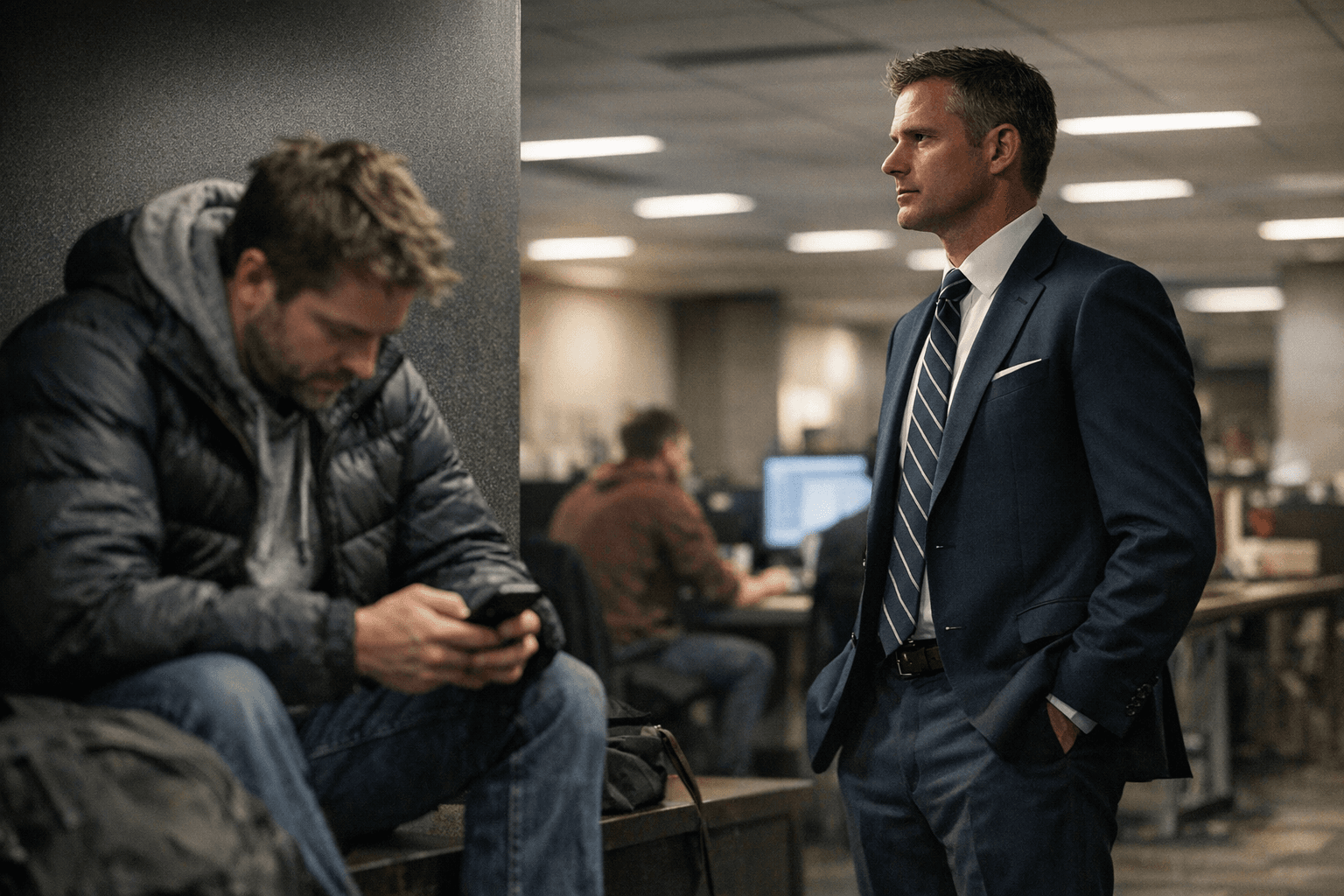
The puffer jacket didn't storm the office. It drifted in, one Monday at a time, until the blazer disappeared so gradually that nobody announced its departure. Athleisure became the preferred home-office look during the pandemic years, with casual T-shirts and workout clothes normalised overnight; "uber-casual" promptly dethroned "business casual" in a matter of weeks. What began as necessity calcified into habit. And now, five years on, the average open-plan office is full of men who have genuinely forgotten that choosing what to wear in the morning is also choosing how to be received.
What dressing up actually does
The case for the jacket and tie has never been about vanity or deference to tradition. It's about signal. Clothes communicate before a word is spoken, and what a tieless man in a tech-company hoodie communicates is not the same as what a man in a pressed collar and a silk knit communicates, even if their competence is identical. In formally structured workplaces, men typically rely on tailored two-piece or three-piece suits, and ties remain standard in many firms, though some executive environments permit their removal during internal meetings. That caveat is telling: the tie comes off for internal meetings, not client-facing ones, not negotiations, not reviews. Its presence still registers.
There is also the internal psychological dimension, harder to quantify but easy to feel. The genuine flex for 2026 isn't dressing down your suit; it's committing to it completely: sharp shirt, taut tie, shined shoes, worn not because you have to, but because you want to. That distinction matters enormously. Dressing intentionally is an act of self-possession. Dressing casually because everyone else does is its own kind of surrender.
How hybrid work reset the baseline
Return-to-office mandates have created a peculiar sartorial vacuum. Men who spent two years in joggers and quarter-zips re-entered open-plan offices with no calibrated sense of where the line sat. The dominant pressure in hybrid workwear now is that garments must look sharp on a webcam but feel like loungewear. That compromise sounds reasonable until you examine what it produces: a generation of men dressing for the camera frame above the desk rather than for the room they are physically occupying.
The inconsistency is real: one office may permit clean sneakers and dark denim, while another expects pressed trousers and structured jackets. The absence of a clear standard doesn't mean there is no standard; it means the standard is being set by whoever in the room is dressed best. Business casual has nominally become the new norm across industries, with tailored blazers replacing bulky jackets and breathable fabrics displacing heavy materials. But "business casual" has been stretched so far it has lost its tensile strength. A navy blazer over a crew-neck sweatshirt is not the same garment as a navy blazer over a white poplin shirt. The blazer is identical. The intention is not.
The practical middle path
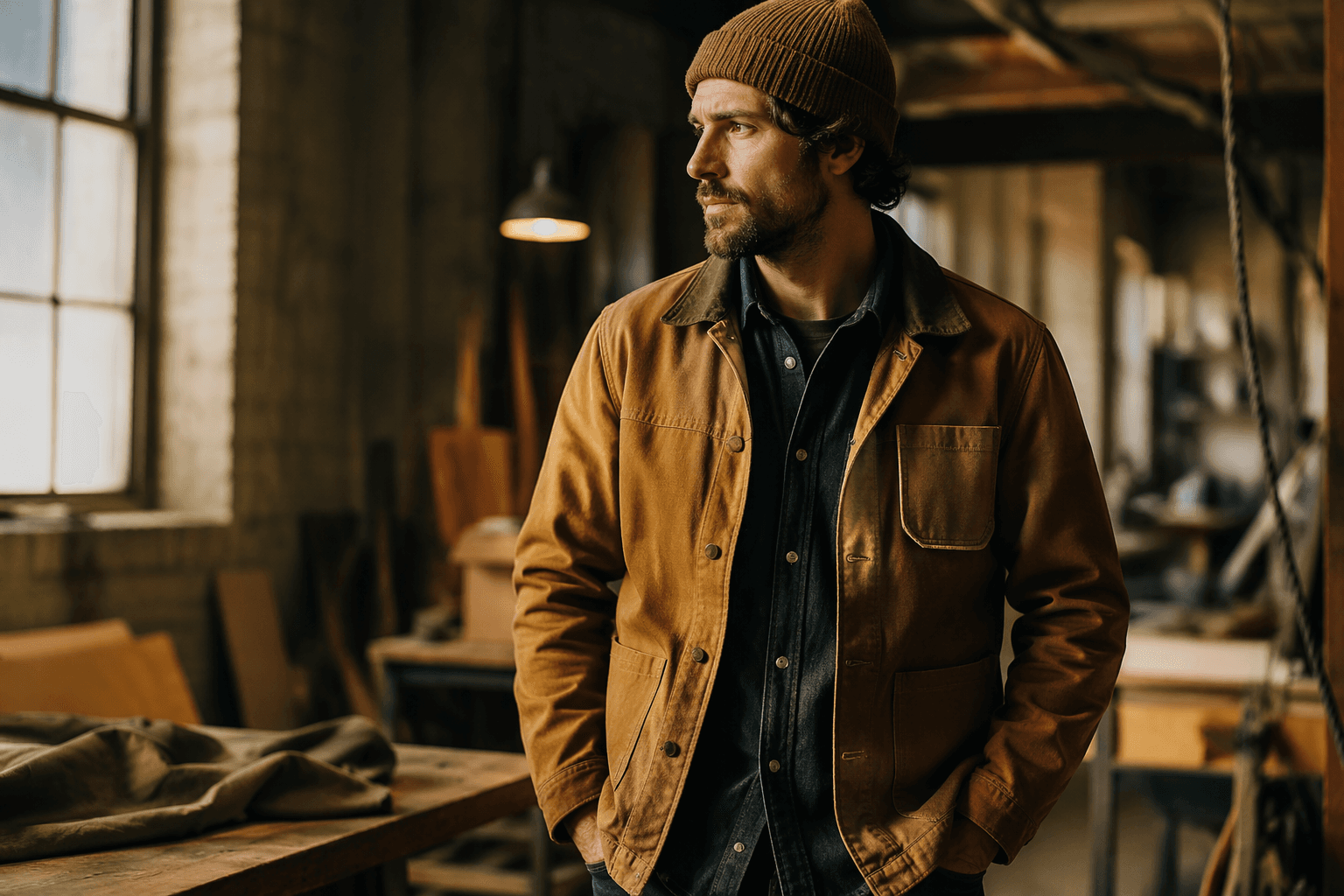
Reintroducing tailoring doesn't mean reverting to a 1987 pinstripe and a regimental tie. The entry point is considerably softer. Unstructured blazers in linen and lightweight wool over knit polos and open-collared shirts, their shoulders free of canvassing and their lapels rolling naturally against the body, represent the most wearable version of the current proposition. Massimo Dutti's summer 2026 edit made this case with quiet persuasion: stripping formality to its most comfortable expression without abandoning its purpose.
The combination is professional yet approachable, projecting confidence without sacrificing comfort. The unstructured blazer maintains a sharp silhouette while chinos provide a clean, tailored base. For a smarter register, pair the blazer with flat-front trousers in a contrasting shade rather than attempting to pass separates off as a suit. The distinction reads immediately, and the latter is always the better call.
The knit tie is the piece most men overlook and most need. Where a silk tie reads as formal commitment, a wool or knit version reads as a considered choice, which is precisely the signal you want in a business-casual office. Silk remains the foundation of quality neckwear, but not all silk fabrics serve the same purpose: raw silk provides the smoothest texture and the most formal appearance. For everyday office use, a mid-gauge wool knit in navy, burgundy, or tobacco hits exactly the right register: substantial enough to signal intention, relaxed enough to belong in 2026.
Trousers are where most men capitulate first. The chino is not the enemy, but the wrong chino, pale and tapered to a skinny ankle with white trainers, is doing real damage to the overall picture. For a business casual or smart casual environment, wool-blend trousers paired with a button-down shirt and an unstructured blazer represent the clearest entry point. Mid-grey flannel, caramel cavalry twill, olive cotton drill: each communicates effort without demanding a matching jacket.
Where the jacket and tie still makes strategic sense
There are meetings where you cannot afford to be the least formally dressed person in the room. Client pitches. First meetings with senior stakeholders. Any negotiation where the counterpart across the table is wearing a tie. Properly tailored pieces with a bit of give are the key to making this work without discomfort. The goal is authority, not stiffness, and authority does not require suffering.
At spring 2026 menswear shows, nostalgic neckties made an appearance alongside bomber jackets and luxe layers. Their presence on the runway is not incidental; it reflects a broader recalibration toward pieces that carry genuine weight. The two-button starter suit has run its course. The current argument is for peak lapels and a double-breasted cut that commands a room.
Not every Tuesday morning calls for that level of commitment. But the fact that the option is being discussed, and chosen, suggests the cultural pendulum is already moving back toward intention and away from inertia. Dressing well at work was never about following a rule. It was about understanding that what you wear is part of how seriously you take the room you're walking into. The men who have forgotten that are increasingly visible. The men who haven't are the ones running the meeting.
This article was produced by Prism’s automated news system from verified source data, official records, and press releases, then run through automated quality and moderation checks before publishing. The system is built and supervised by the people who set the standards it runs under. Read our full AI policy.
Did this article answer your question?