Menswear embraces dress shoes that work from desk to drinks
The smartest dress shoes now move like commuters, not museum pieces. Loafers, Oxfords and hybrid pairs are built for desk-to-drinks duty without the stiffness.
The shoe that actually survives the day
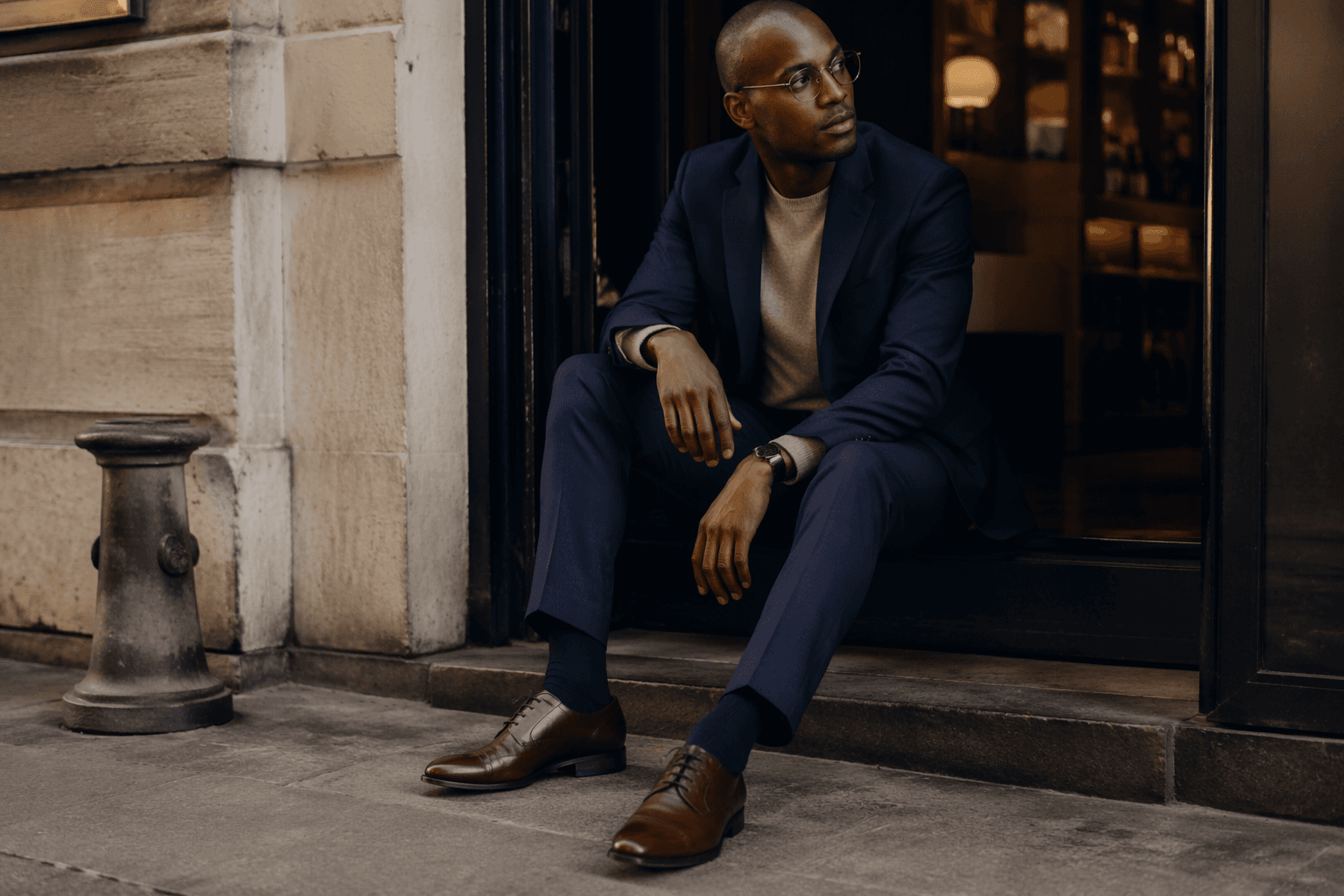
Menswear has stopped treating dress shoes like they belong only at weddings and board meetings. WWD’s current guide frames the best pairs as shoes that can handle a three-piece suit, a button-up-and-chinos day, even a linen-on-linen escape, and the whole point is obvious: polish now has to move. The modern dress shoe is less a ceremonial object than a daily tool, with throw-on-and-go silhouettes, rubber outsoles, and enough ease to survive the commute.
What belongs in the rotation
Not every dress shoe earns the workwear label. Oxfords still matter because the closed lacing keeps them the most formal choice, which is exactly why they still anchor client meetings and sharper office days. Derbies loosen the mood with open lacing, while loafers erase the hassle entirely with slip-on wear, and WWD’s color guidance is practical rather than precious: black, dark brown, tan and burgundy. Full-grain leather is the real buy here, because it ages well, molds to the foot, and looks better after months of wear instead of more fragile.
Why loafers own the moment
Loafers are the center of gravity right now. WWD has been calling them the go-to sneaker alternative for spring 2026, and Jonathan Anderson’s Dior Men debut, plus Celine’s June moment, helped push the silhouette back into the lead. Buyers at Bergdorf Goodman, Mytheresa, Nordstrom, Bloomingdale’s, Mr Porter, Saks Fifth Avenue and Neiman Marcus all pointed to the same thing: customers want comfort and convenience, but only if the shoe still feels crafted. The winning versions are leather loafers with flexible soles, soft uppers, lower profiles and, in some cases, a white rubber sole that keeps them from feeling overdressed.
The hybrid lane is not a gimmick anymore
The sneaker-loafer, or snoafer, is the loudest proof that men want one shoe to do two jobs. Bloomberg reported that the online frenzy around Nike’s Air Max Phenomena pushed resale prices past $500 before the shoe officially launched, and the same comfort-first appetite has also lifted New Balance and Hoka. Hoka’s Speed Loafer sold out, then returned in Birch and Walnut, which says plenty about the market: if the shape looks considered and the construction feels engineered for a long day on your feet, the hybrid stops reading like a joke and starts reading like common sense.
The runway is backing the practical turn
Milan and Pitti Uomo made the same point from a more fashion-forward angle. Milan’s fall 2026 men’s shoe coverage leaned into reworked heritage styles, derbies and loafers, while also pushing Chelsea boots and hiking boots, with premium materials and outdoor references running through the season. Pitti went even harder on the style-function balance, showing premium leathers, functional shapes, Blake construction for flexibility and comfort, rubber traction, distressed suede and heritage cues that made the shoes feel durable instead of delicate. That is the real workwear signal here, not some vague buzzword about elevated utility.
The retailers are showing the scale of the shift
This is not a niche mood. Nordstrom’s men’s genuine leather dress-shoe section lists 1,817 items, spanning Oxfords, loafers, derbies, dress sneakers and monk straps, which tells you how broad the category has become. The price spread is just as telling: Allen Edmonds’ Park Avenue Cap Toe Oxford sits at $450, while Ferragamo and Gucci move well past $1,000. That gap is the modern dress-shoe market in miniature, with room for classic craft at one end and luxury signaling at the other, but with a clear center of gravity around shoes that can live outside the formal closet.
The heritage names still matter
Allen Edmonds still matters because it gives the whole category a backbone. The brand says it has made men’s dress shoes since 1922 and continues to lean on handcrafted quality, materials, fit and legacy, which is exactly the kind of language that makes sense when dress shoes are being recast as everyday objects rather than special-occasion props. The best pairs now are the ones that can be worn at 8 a.m., hold their shape through the commute, and still look sharp when the tie comes off by dinner.
That is the whole point: the winning dress shoe is no longer the one you save, but the one you actually wear.
This article was produced by Prism’s automated news system from verified source data, official records, and press releases, then run through automated quality and moderation checks before publishing. The system is built and supervised by the people who set the standards it runs under. Read our full AI policy.
Did this article answer your question?