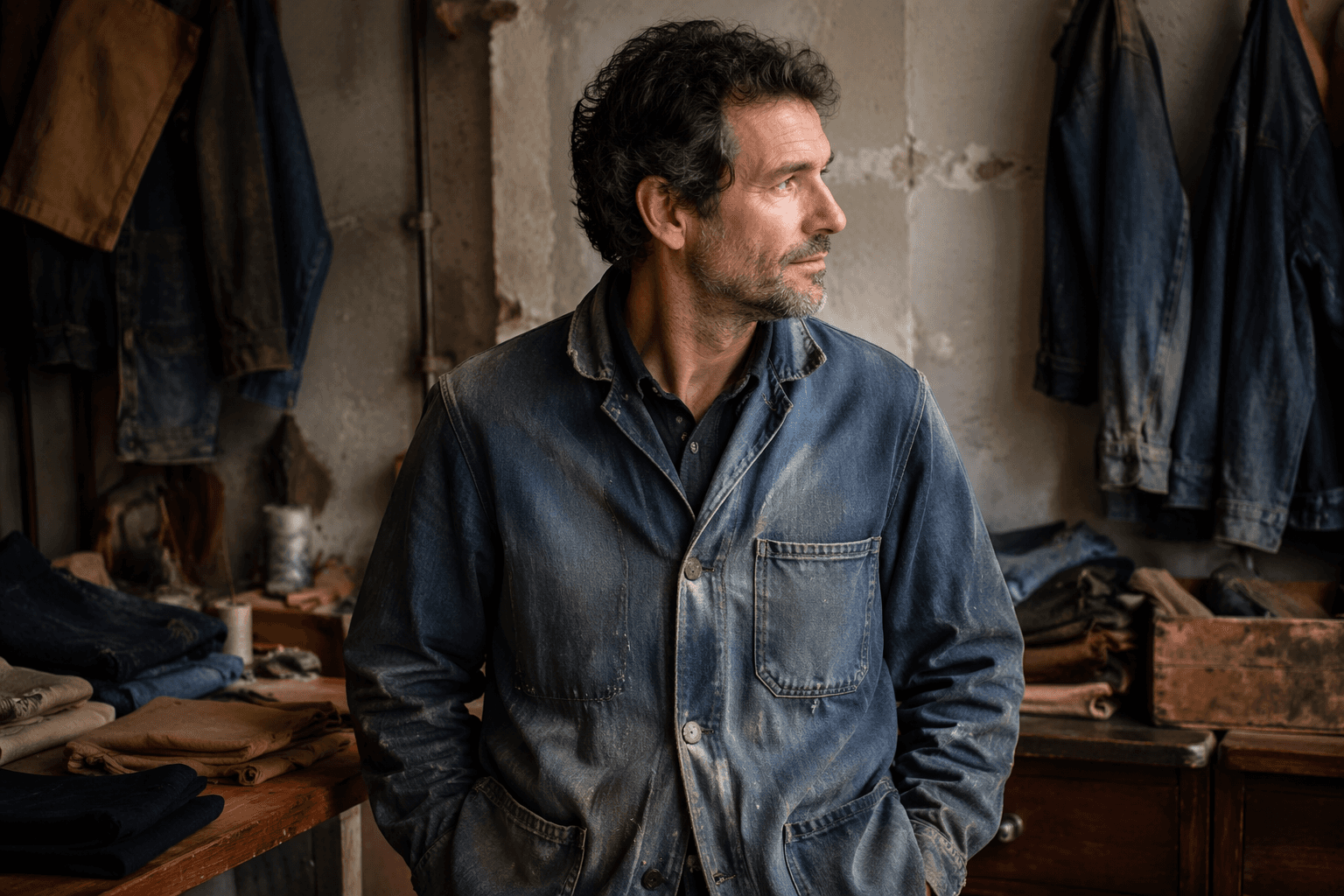
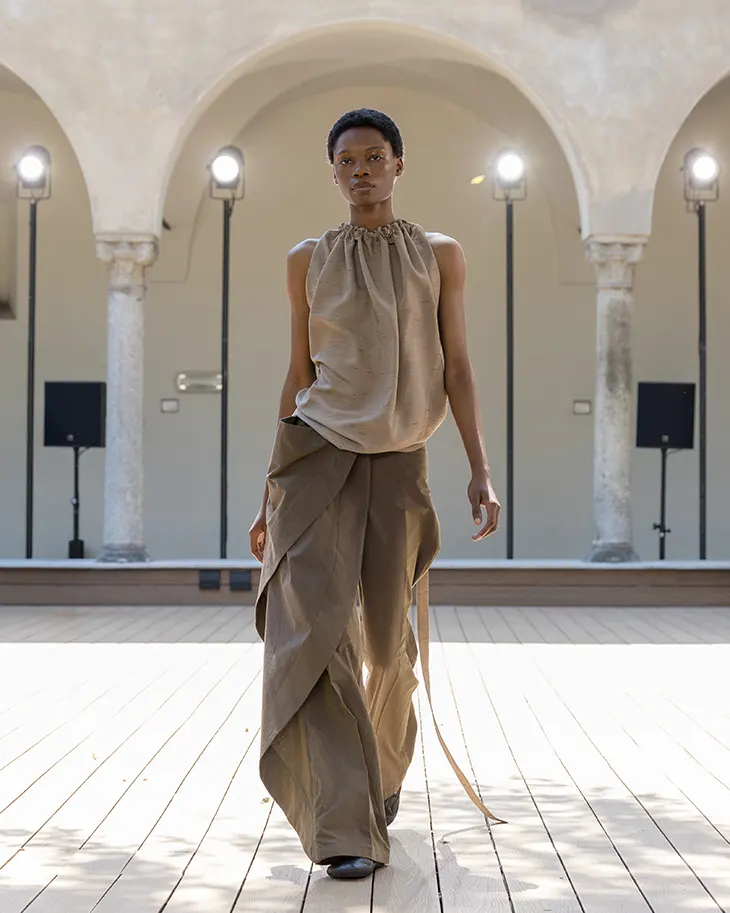
Milan Fashion Week embraces repaired clothing as luxury language
Repair is the new luxury code in Milan, where sashiko, patchwork and pre-patina turn workwear into proof of credibility.
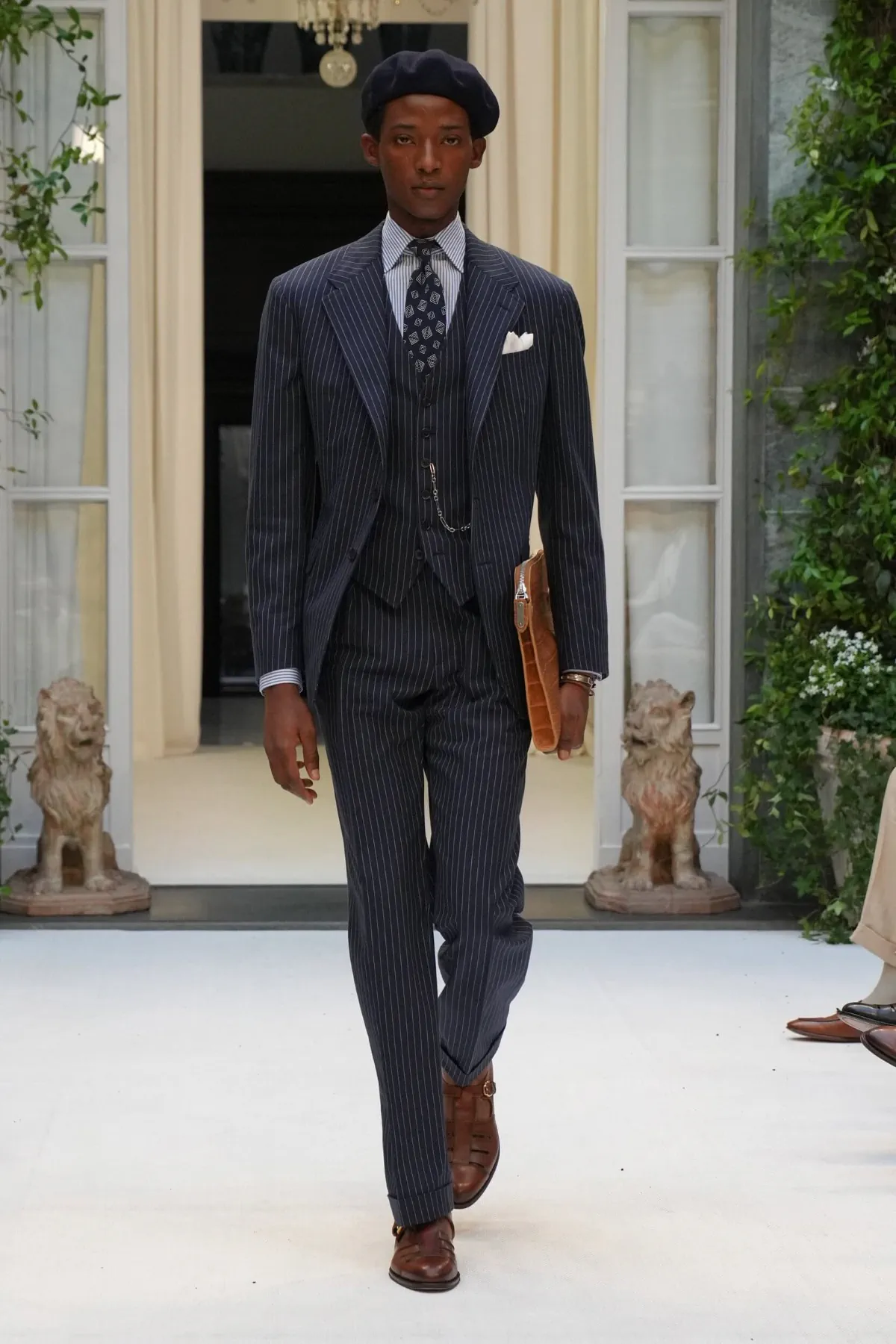
Luxury menswear in Milan has started manufacturing age on purpose. At Ralph Lauren’s Spring/Summer 2027 men’s show, sashiko embroidery, patchwork denim and pre-distressed chinos were treated less like damage than like proof of taste, a sharper market signal than any logo-heavy flex. The question now is not whether worn surfaces are back, but which ones feel crafted enough to justify the price.
Ralph Lauren makes repair the headline
Ralph Lauren staged “Dream Racers” in Milan on June 19, 2026, presenting Purple Label and Polo Ralph Lauren together in a Spring 2027 menswear show. The brand framed the collection around adventurous travel, rugged performance gear and artisanal textiles, and Ralph Lauren himself described the work through “the passage of time,” which is the most revealing phrase in the season’s vocabulary.
The clothing backed up that idea with specificity. Purple Label moved through neutral tones and indigo, silk-blend suiting, band-collar shirts and utility outerwear, then into Art Deco motifs pulled from mahogany speedboats, open-weave linens, chalk stripes, herringbone and rustic tuxedos. Polo answered with Edwardian-inspired three-piece suits, preppy color combinations, ruffle details, patchwork, hand embroidery and a varsity jacket based on vintage models, which makes the collection feel less like nostalgia and more like a deliberate argument that the language of wear can be tailored, finished and sold.
The setting mattered because Ralph Lauren’s Milan runway return is still relatively new territory. Coverage of the house’s Fall/Winter 2026 comeback placed it back on the Milan menswear runway after more than 20 years away, which is why this craft-heavy sequel reads like a strategic decision, not a decorative one-off. Milan is now the platform where the brand is choosing to make its most explicit statement about American luxury, European craft and the authority of age.
Why sashiko feels different from a distressed finish
The collaboration with KUON and Sashiko Gals is what separates this moment from simple pre-worn styling. Sashiko Gals grew out of Otsuchi, Iwate Prefecture, after the Great East Japan Earthquake and tsunami, first as the Otsuchi Reconstruction Sashiko Project and later as a group relaunched on March 11, 2024 under Arata Fujiwara’s direction. The collective now numbers 15 members, with women in their 40s through 80s, and its work is rooted in a recovery craft rather than a mood board shortcut.
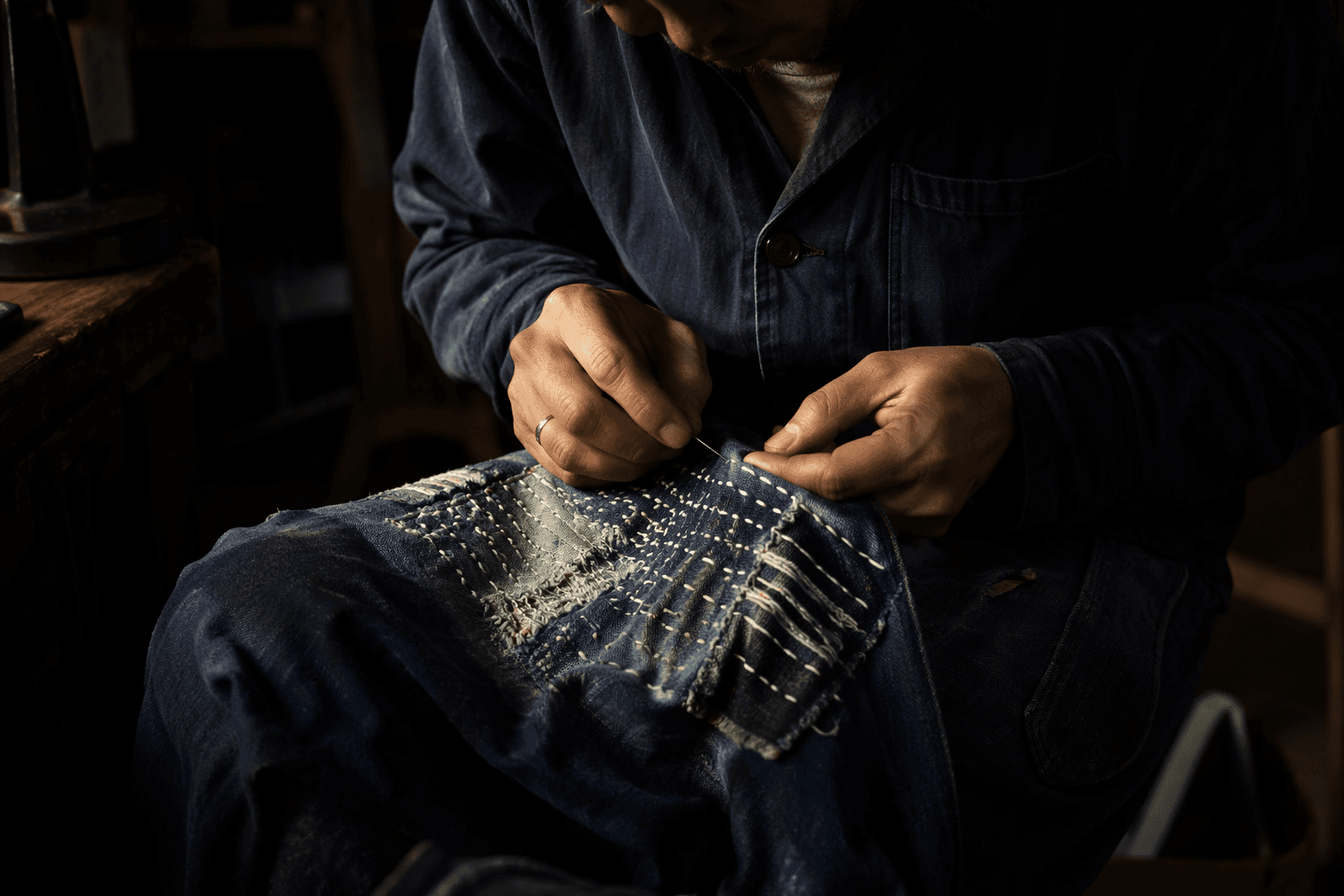
That history gives the stitches weight. Houyhnhnm describes the project as having begun as reconstruction support after the earthquake, with sashiko offering comfort to women living in shelters before gradually becoming work, while Tokyo Weekender connects the group to healing after the 2011 tsunami. When Ralph Lauren uses that vocabulary on blazers, overcoats and waistcoats, the result carries more credibility than a sandblasted seam or an artificially frayed knee, because the repair is inseparable from the hands that made it.
When repair becomes craft, and when it just looks worn
Milan’s repaired-clothing wave did not stop at Ralph Lauren. Highsnobiety noted patched-up jackets, huge jorts with visible zig-zag stitching and patched jeans elsewhere in the city, including SHINYAKOZUKA, Simon Cracker and JW Anderson. That spread matters because it shows how quickly a language of mending can become either a design system or a costume effect, depending on whether the garment’s structure has actually been reworked.
The best versions are the ones that let the repair alter the garment’s silhouette, texture or pattern logic. Sashiko threadwork, boro patching, hand embroidery and layered fabric squares create depth you can read from a distance and complexity you notice up close; sprayed-on abrasion and fake scuffs usually flatten out under scrutiny. In other words, craft-led repair creates value because it changes how the cloth behaves, while pre-distressing can collapse into shorthand if it only imitates age without the labor, history or hand behind it.
The market is already pricing in the appetite for credibility
This is not just an editorial obsession. One report on South Korea’s repair and custom-services market said the category is expected to grow from $85 million to $130 million by 2034, and the luxury repair platform Pappis saw transaction volume rise 330% in 2024. That kind of movement explains why brands are now building patina into new garments instead of waiting for customers to do the aging themselves.
The shift also says something about workwear specifically. Buyers want clothes that look as if they have earned a place in the wardrobe, whether that means patched denim, weathered chinos or a blazer with visible reinforcement at the elbow, and luxury labels are learning that credibility can be designed in from the start. The real divide is simple: authentic repair feels like method, shortcut distress feels like makeup. Ralph Lauren’s Milan show, because it tied sashiko, boro patchwork and pre-worn texture to a coherent craft story, landed on the right side of that line.
This article was produced by Prism’s automated news system from verified source data, official records, and press releases, then run through automated quality and moderation checks before publishing. The system is built and supervised by the people who set the standards it runs under. Read our full AI policy.
Know something we missed? Have a correction or additional information?
Submit a Tip