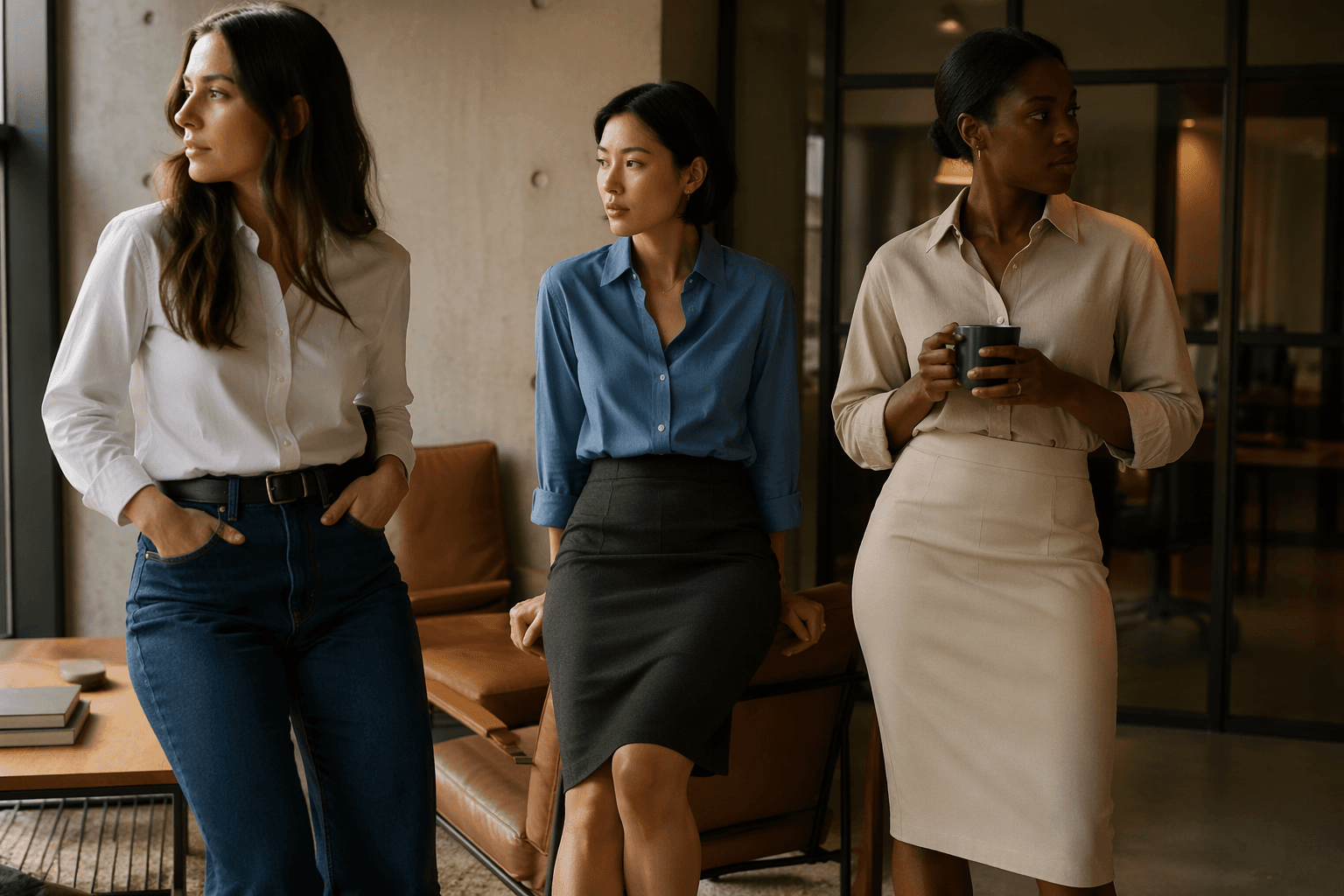
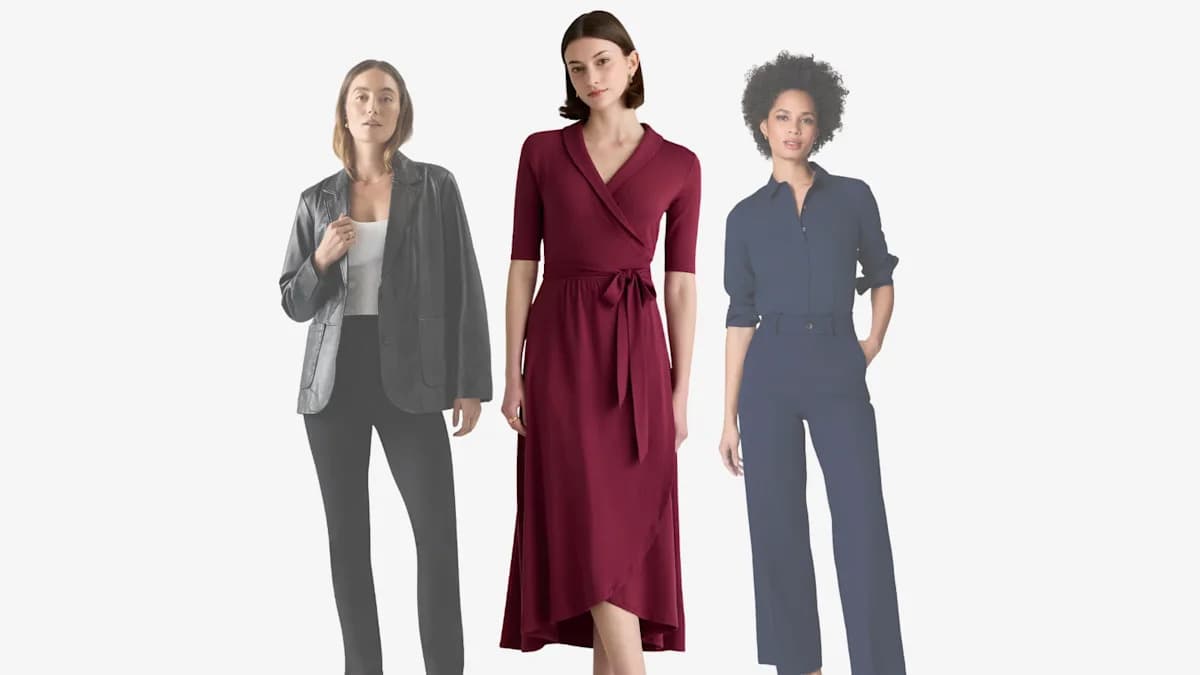
Milan street style embraces black and white for heatwave dressing
Milan’s heatwave uniform is brutally simple: black and white. The palette reads sharper than bright summer color and makes office dressing easier, cooler, and far less fussy.
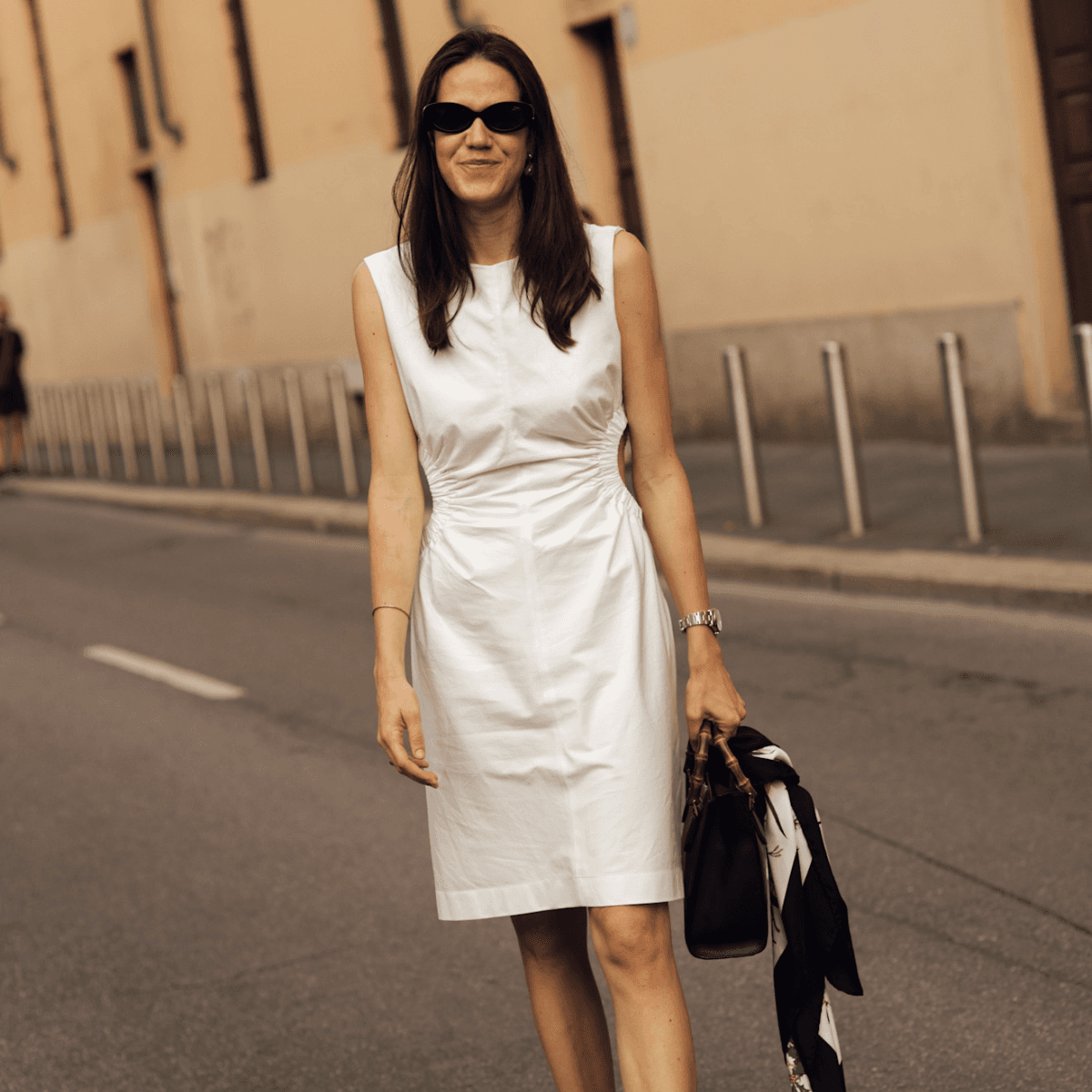
The smartest thing on the Milan streets right now is also the least surprising: black and white. In the thick June heat, the women circling Milan Fashion Week Men’s Spring/Summer 2027 have landed on a formula that feels almost stubborn in its simplicity, and that is exactly why it works. It looks polished at first glance, but it also removes the mental noise of getting dressed when the temperature climbs and the office still expects real clothes.
The two-color formula Milan keeps reaching for
Marie Claire’s read is blunt and useful: the black-and-white pairing is “nothing groundbreaking,” yet it is highly effective in a heatwave. That is the appeal for workwear too. A restrained palette gives you instant order, even when the rest of the outfit is doing the heavy lifting through cut, proportion, texture, or movement.
The reason it reads so cleanly on the street is that black and white already carry the authority of minimalist dressing. They do not compete with one another, and they do not ask much of the wearer. Instead, they create a visual pause, which is especially welcome in summer when the instinct can be to pile on color and then overthink every layer.
Why it looks more polished, not less
There is a quiet discipline to black and white that makes even the simplest office outfit feel composed. A white shirt with black trousers looks crisper than a saturated palette when the air is heavy. A black dress with white accessories, or the reverse, has the kind of clean contrast that photographs beautifully and holds its own in the glare of a hot day.
That sense of polish matters because summer workwear can quickly slide into compromise dressing. Black and white avoids that trap. It lets you stay professional without defaulting to dark, heat-trapping outfits that feel too severe, or to soft pastels that can read flimsy in a corporate setting. The result is an outfit that feels intentional rather than improvised.
The minimalist lineage behind the look
Milan is not inventing the formula so much as reanimating it. Black and white have long coexisted in minimalist wardrobes, and the current street-style moment sits neatly inside that tradition. The point is not novelty for its own sake; it is clarity. When the silhouette is simple and the palette is disciplined, the clothes start to look more expensive, or at least more considered.
That continuity also shows up on the runway. Marie Claire points to Spring/Summer 2026 collections from Calvin Klein and Ralph Lauren as proof that the black-and-white conversation has been moving well beyond Milan’s sidewalks. Those references matter because they show the palette is not a one-off street-style trick but a broader fashion language, one that designers keep returning to when they want restraint to feel modern.
How to wear it to the office without looking severe
The easiest way to use the formula is to think in terms of balance rather than symmetry. You do not need one black item and one white item in a rigid split. The stronger looks often tilt one way, then sharpen with a detail in the other color. A white dress can be grounded with black flats and a black tote. A black tailored set can feel lighter with a white shirt, white sandals, or a pale commuting layer.
For dresses, the formula is especially efficient. A white poplin dress, a black column dress, or a monochrome print anchored in these two shades can all feel appropriate for the office if the cut stays clean. The trick is to let the color story do the work while the fabric does the cooling. Lightness of material matters just as much as visual restraint.
For tailoring, black and white is almost unbeatable. A black blazer over a white tank and black trousers is classic for a reason: the contrast looks sharp, and the shape can stay loose enough to move through the day. If you prefer a softer read, swap in a white blazer over black separates, or keep the jacket unfastened so the outfit breathes.
For separates, the formula rewards small decisions. A white shirt and black skirt, a black knit with white trousers, or black loafers against a white suit all create the same disciplined effect without feeling repetitive. The palette also makes it easier to mix textures, which is where the outfit becomes interesting: matte cotton against glossy leather, crisp shirting against fluid crepe, or a structured trouser with a softer knit.
A practical heatwave checklist for commuting layers
Hot-weather office dressing is not only about looking put together once you arrive. It is also about surviving the commute without feeling swaddled.
- Choose breathable, loose-fitting pieces whenever possible.
- Keep the base palette light and spare, so outer layers do not add visual weight.
- Let accessories do the contrast work, especially if the clothes themselves are minimal.
- Favor garments that can be removed easily once indoors, such as blazers, overshirts, or light cardigans in black or white.
- Avoid anything too tight at the neckline, waist, or thigh, because heat and friction make those details feel worse by midday.
This is where the black-and-white formula becomes more than a style choice. It is a system. When every piece can be switched in or out without disturbing the overall look, dressing for the office gets faster, and that alone is a small luxury in August-level weather.
The health logic behind the aesthetic
The look is fashionable, but the logic behind it is practical. The Met Office advises lightweight, light-coloured clothing in hot weather. The World Health Organization similarly recommends breathable, loose-fitting, light-colored clothes to help keep cool. OSHA’s heat guidance for workwear is in the same spirit: light-colored, loose-fitting, breathable clothing can help reduce the risk of heat illness on the job.
That advice matters because clothing is not a neutral part of the equation. The World Health Organization defines workplace heat stress as heat accumulation driven by metabolic heat, environmental factors, and the clothing worn. In other words, what you put on in the morning can change how your body handles the day. The International Labour Organization has also warned that heat stress is becoming a serious safety-and-health issue as daily temperatures and heatwaves rise, with workers feeling the impact across sectors.
Why Milan’s corporate-core makes sense now
There is a reason this black-and-white moment feels especially relevant in Milan. Marie Claire has already described the city’s “corporate-core” direction as one of the strongest trends in Italy this week, built around blazers, skirt suits, trousers, loafers, and the kind of office staples that look smarter when they are stripped back. That is the exact sort of wardrobe that benefits from a clean palette in oppressive heat.
The beauty of the Milan formula is that it solves two problems at once. It gives you a way to dress for work without looking underdressed, and it gives you a way to keep the outfit visually calm when the weather is anything but. In a season when the office can feel like a test of endurance, black and white delivers the rarest thing of all: control.
This article was produced by Prism’s automated news system from verified source data, official records, and press releases, then run through automated quality and moderation checks before publishing. The system is built and supervised by the people who set the standards it runs under. Read our full AI policy.
Did this article answer your question?