Miu Miu reworks vintage workwear into polished upcycled looks
Miu Miu turns a white shirt and khaki chinos into polished upcycled workwear, proving repair can look sharper than reinvention.

The shirt-and-chinos starting point
Miu Miu’s Upcycled collection begins with two of the most dependable pieces in a workwear wardrobe: a white cotton shirt and khaki cotton canvas chinos. That foundation matters, because the collection is not trying to disguise utility as fantasy. It starts with garments built for repeat wear, then restores and reworks them into jackets, dresses, and accessories that keep the grit of the originals while sharpening the silhouette.
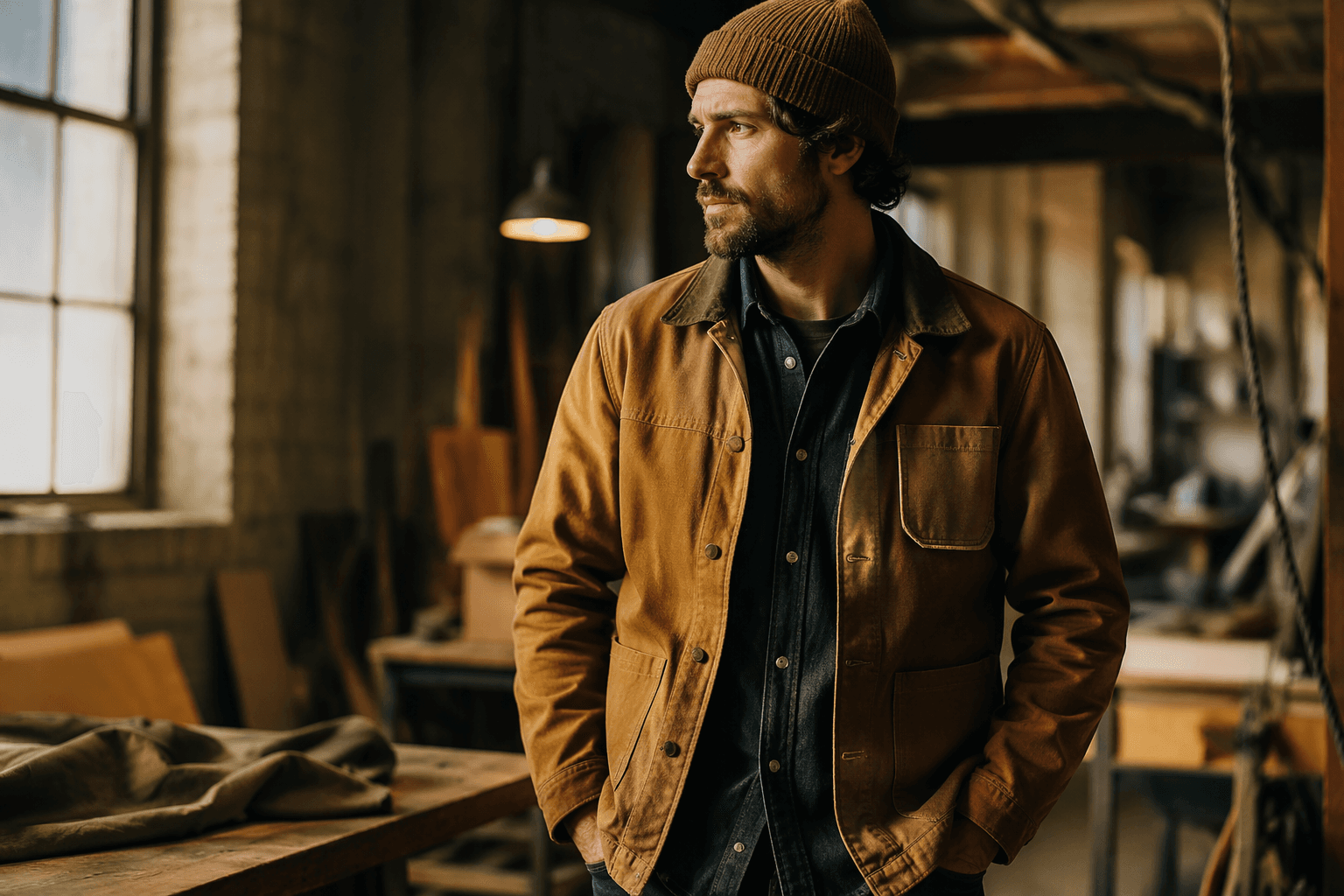
That is what makes this collection feel more credible than a standard sustainability flourish. Cotton canvas has the right vocabulary here: sturdy, matte, slightly rigid, a fabric that suggests endurance before polish. Khaki, meanwhile, is the color of service uniforms, chore coats, and everyday trousers, which gives the line an immediate workwear anchor even as Miu Miu pushes the pieces into luxury territory.
How Miu Miu translates utility into luxury
The defining move is not decoration, but transformation. By taking the shirt and chinos apart and rebuilding them, Miu Miu treats repair logic as design language. A jacket cut from restored cotton reads differently from a pristine new one: it carries history in the cloth, but the finish is controlled, intentional, and highly edited.
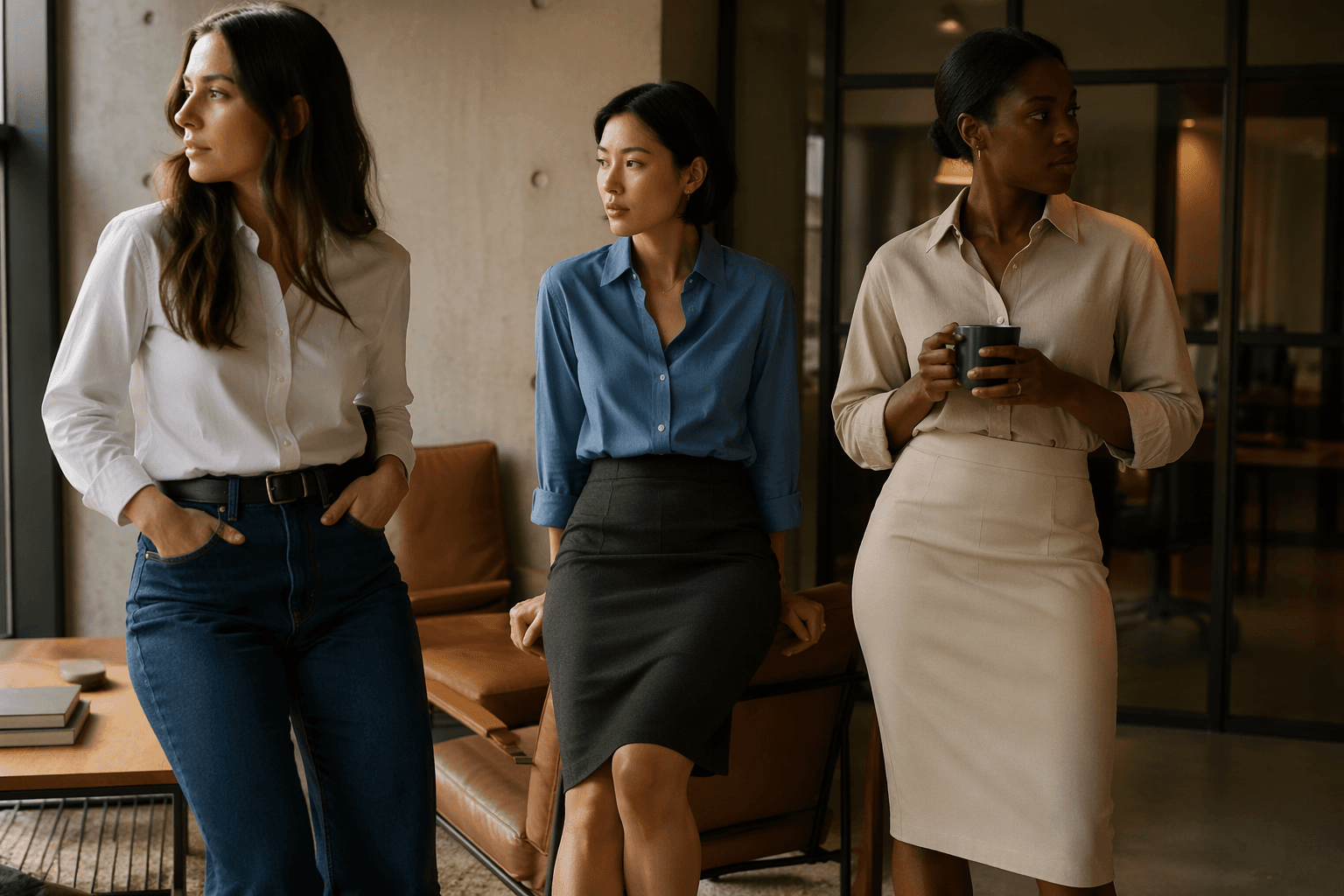
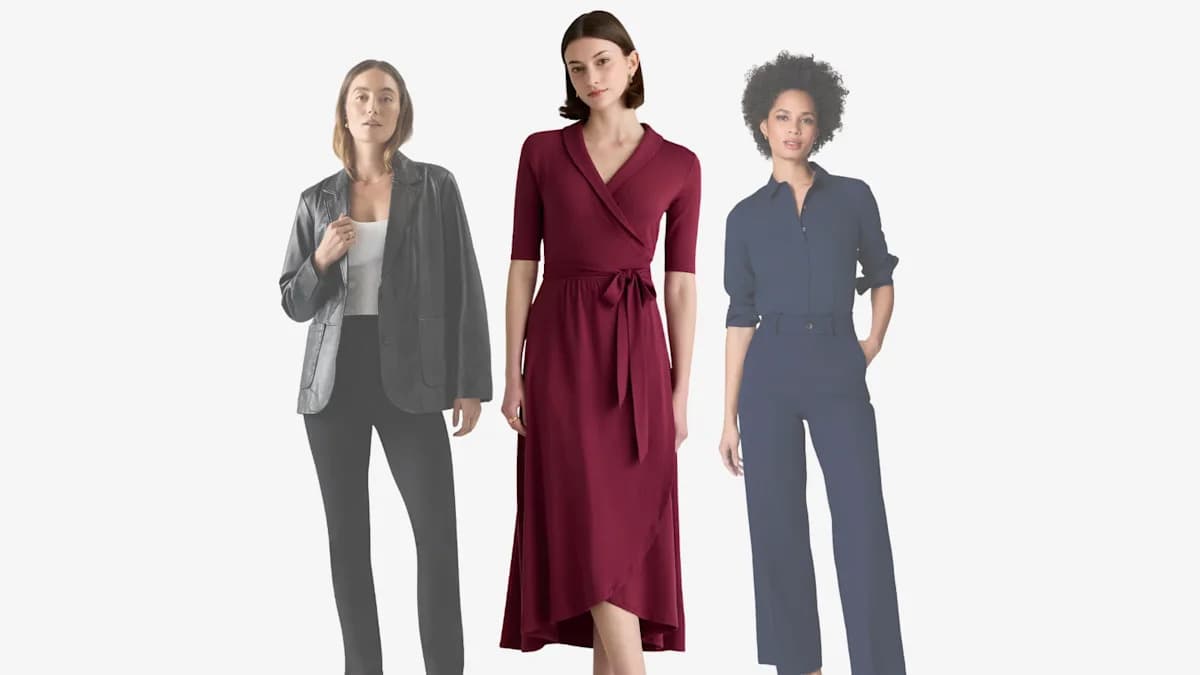
That balance is where the collection becomes interesting for anyone building a modern workwear wardrobe. The pieces are still legible as practical staples, yet they feel considered enough to sit alongside tailored trousers, crisp shirting, and sleek leather accessories. Miu Miu does not abandon utility; it filters utility through construction, proportion, and hand-finished detail until it looks suited to a polished city uniform.
Why the collection feels distinctive
Miu Miu says the 2026 Upcycled collection is “a conversation between the past and the present,” and that framing fits because the line is not simply nostalgic. It is also an homage to Miu Miu’s own archive, which makes the project feel less like an external sustainability exercise and more like a brand speaking to itself through old garments and new codes.
The distinction lies in the tension between durability and desirability. Upcycled clothes can often skew precious or artful, but this collection keeps one foot in the practical. The shirt-and-chinos base, the use of canvas, and the khaki palette all point back to clothes that were meant to work hard. Miu Miu’s polish comes from restoration and reconstruction, not from stripping those clothes of their original function.
Suki Waterhouse is the hook, not the thesis
The campaign is fronted by Suki Waterhouse, whose presence gives the collection a recognizably modern face without overwhelming the clothes. She is singer, model, and actress, and her role here is to translate the mood rather than invent it. Shot by Alasdair McLellan, the imagery supports the collection’s clean, edited attitude: there is celebrity, but the clothes remain the point.
That is a smart choice for a line like this. Upcycled luxury works best when the styling does not smother the garment history. Waterhouse brings contemporary visibility, yet the real story is the restoration of the clothing itself, and the way Miu Miu positions that restoration as part of a broader luxury vocabulary.
A project built on limitedness and handwork
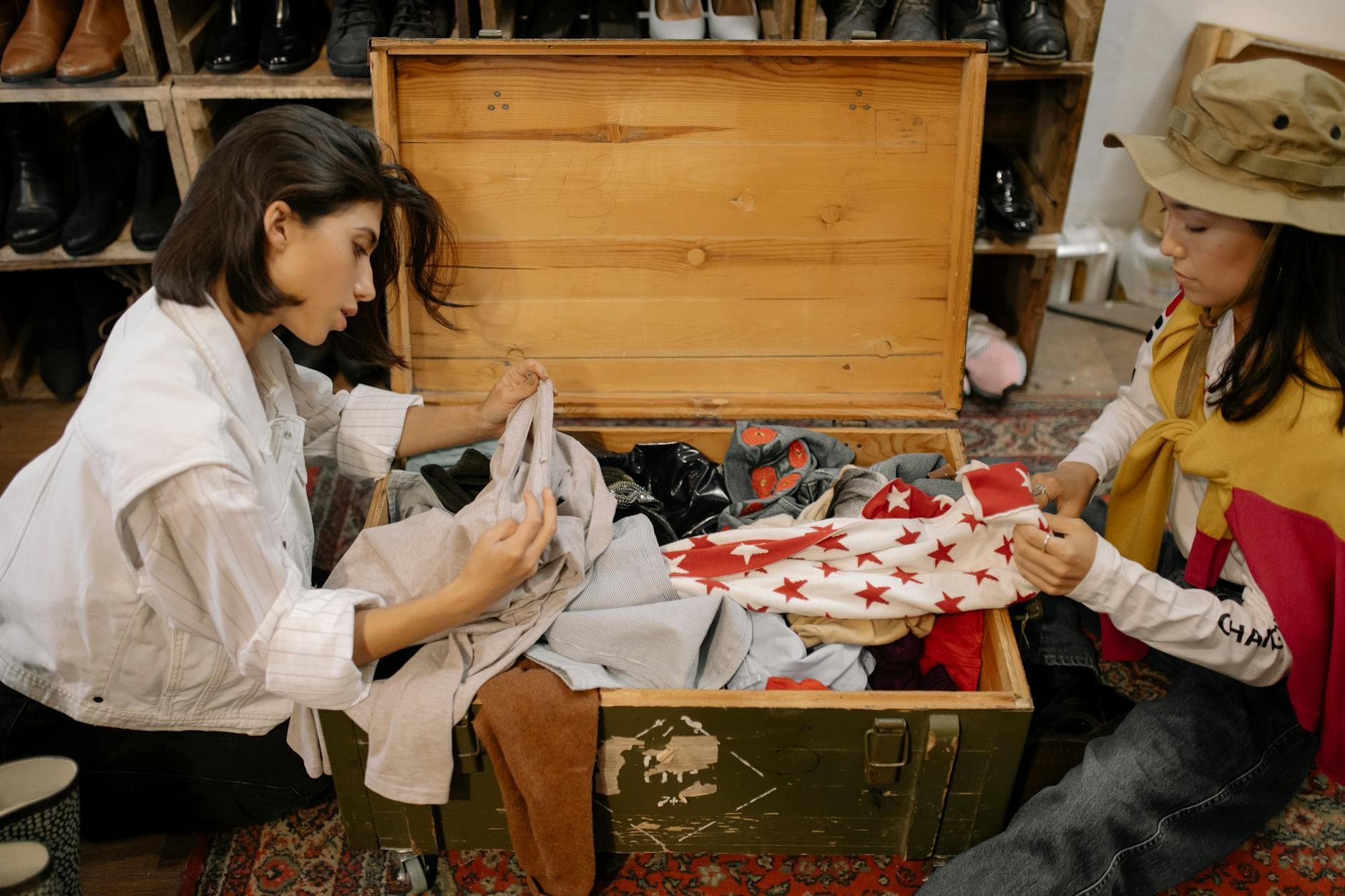
The current collection also sits inside a clear project history. Miu Miu launched Upcycled in December 2020 with 80 one-off, numbered designs made from vintage finds dating from the 1930s to the 1980s. Those pieces were sourced from vintage clothing stores and markets worldwide, then completed by hand. That origin story is crucial, because it shows the line was never intended as a mass program. It was conceived as a strictly limited experiment in what happens when old garments are treated like raw material rather than relics.
That sense of scarcity still shapes the project’s appeal. Numbered pieces make the work feel collectible, but the real value is in the evidence of labor: the sourcing, the hand finishing, the reconstruction. For workwear readers, that matters because it reframes durability as something that can be crafted into luxury, not merely inherited from it.
From denim to patch bags to Chinese New Year
Miu Miu has made Upcycled into a recurring platform rather than a one-off gesture. In January 2024, the brand launched its fourth limited-edition Upcycled collection, this time focused on denim and patch bags. Denim deepened the workwear conversation, since it carries the same built-to-last associations as canvas and shirting, while patch bags extended the idea of repair into accessories.
That 2024 release also included a Chinese New Year capsule with polo shirts, cardigans, cashmere slips, and the Wander and Arcadie bags. The mix is revealing. Miu Miu paired casual wardrobe pieces with more refined ones, using the capsule to show that Upcycled is not limited to one category or one mood. Instead, it can move from everyday layering pieces to polished accessories without losing the project’s central logic of reuse and renewal.
Why the workwear angle matters now
The 2026 collection lands in a moment when luxury brands are being tested on whether upcycling can produce credible staples, not just soft-focus sustainability messaging. Miu Miu’s answer is to work from garments that already have a functional grammar. White cotton shirts, khaki canvas chinos, denim, patchwork bags: these are not abstract symbols of responsibility. They are familiar wardrobe items that already belong to the language of work.
That is why the collection feels persuasive. It is not asking you to admire circularity in the abstract. It is showing how circular design can produce pieces with structure, wearability, and a clear place in a modern closet. A restored shirt can still read as clean and precise. Rebuilt chinos can still feel grounded. A patched bag can still look directional. Miu Miu understands that the strongest luxury upcycling does not announce itself as virtue first. It earns attention by making the practical look unmistakably refined.
The longer arc of Upcycled
May 2025 added another layer when Miu Miu extended the project with a collaboration with Catherine Martin, the four-time Academy Award winner known for costume, production, and set design. That collaboration underscored how firmly Upcycled has settled into the brand’s storytelling, moving beyond a single drop and into an ongoing platform for circular design practices.
Taken together, the timeline tells the story clearly. Since December 2020, Miu Miu has been building a model where vintage sourcing, handwork, and archive references are folded into luxury product with increasing confidence. The 2026 collection sharpens that model by grounding it in workwear essentials that feel immediate and believable. It is not just upcycling with a romantic gloss. It is a disciplined attempt to show that repair can be polished, and that practicality can still look expensive.
This article was produced by Prism’s automated news system from verified source data, official records, and press releases, then run through automated quality and moderation checks before publishing. The system is built and supervised by the people who set the standards it runs under. Read our full AI policy.
Did this article answer your question?