nanamica brings technical workwear staples to summer dressing in New York
nanamica’s Alphadry tailoring is built for New York’s hot, wet commutes: quick-drying, wrinkle-resistant, and light enough to look sharp after the subway.
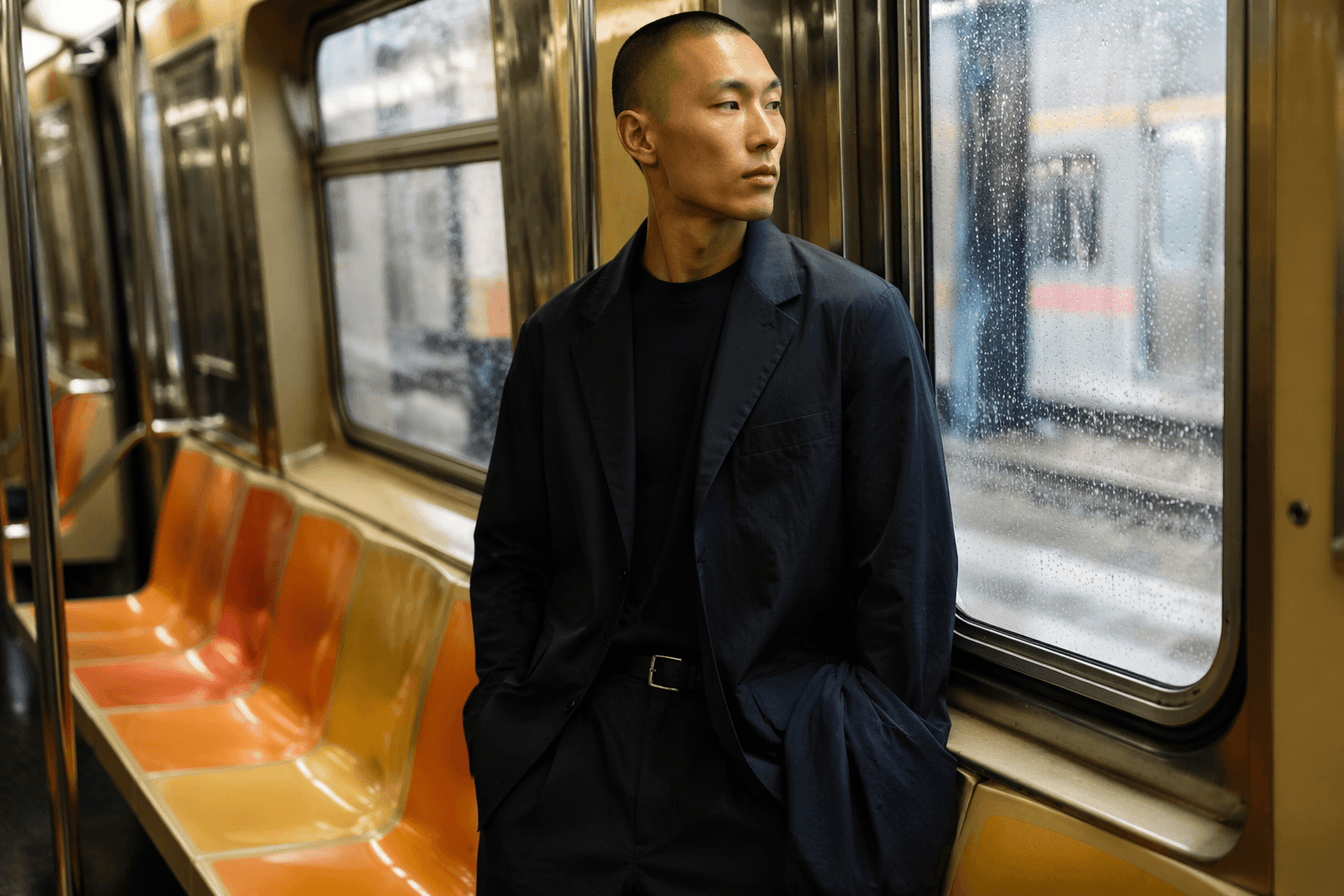
nanamica’s strongest pitch in New York is not that it makes workwear look cool. It is that it makes workwear behave like city clothes should: dry fast after a sudden downpour, resist the creasing that comes with a day on the move, and stay light when the sidewalks turn humid. That is where the brand’s Alphadry trousers, blazers, and work jackets make the most sense, especially in a summer market where polished clothing often collapses the moment the weather turns.
The fabric does the talking
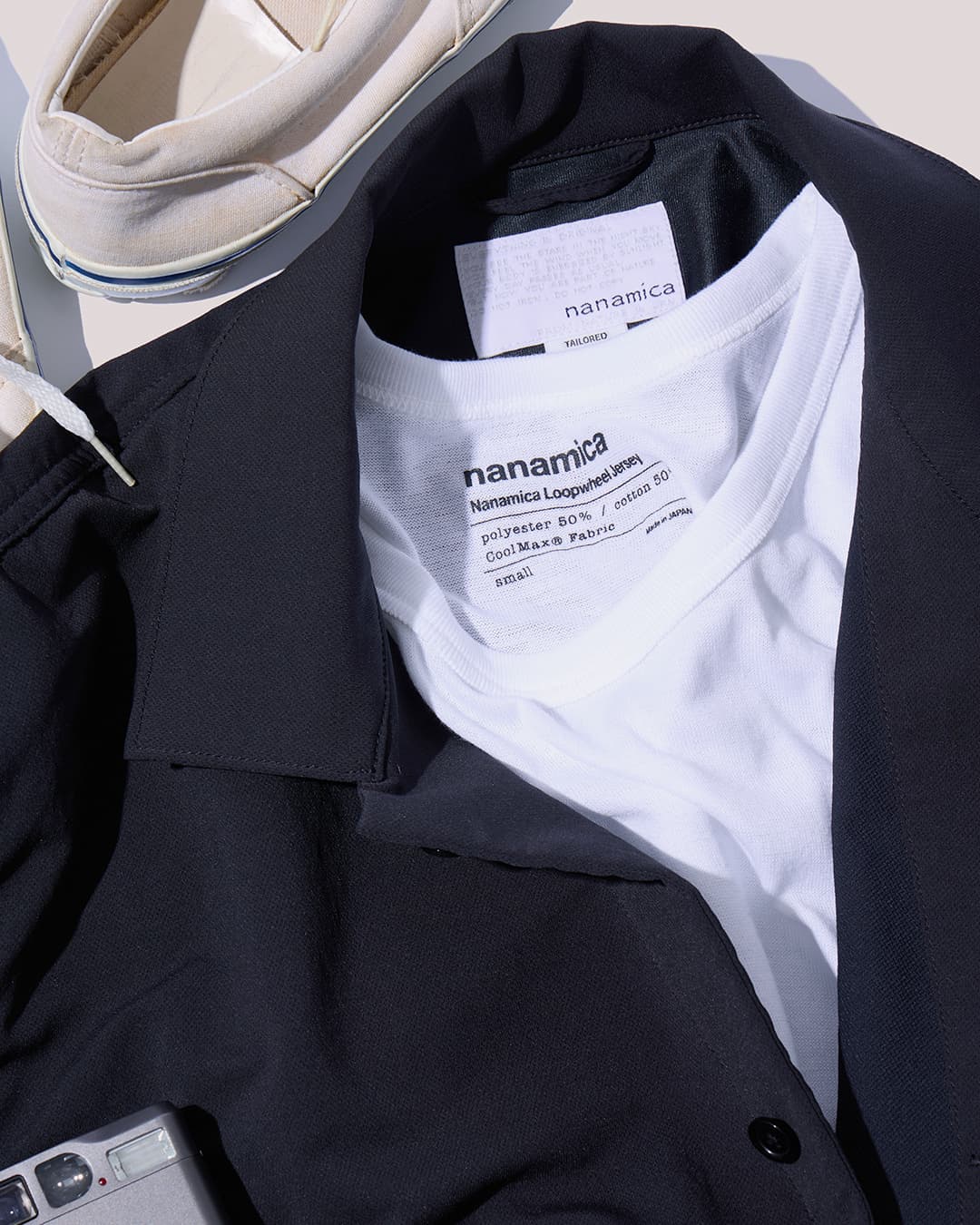
Nanamica has built its identity around the words “UTILITY” and “SPORTS,” and the result is clothing that aims for what the brand calls “standard wear for the current age.” That sounds abstract until you look at the product itself. ALPHADRY is described as moisture-wicking, quick-drying, stretch fabric with wrinkle resistance, which is exactly the kind of technical language city commuters understand immediately when a morning train platform turns into an oven by noon.
The appeal is how quietly the performance is delivered. An Alphadry blazer does not scream outdoor gear, and that is the point. It gives the shape and ease of tailoring without the stiffness that makes summer suiting feel punishing, while the trousers and work jackets keep the silhouette relaxed enough for everyday movement. In a city like New York, where a clean commute can become a sprint through heat, rain, and air-conditioning whiplash, that sort of restraint feels more intelligent than flashy technical styling.
Some Alphadry pieces also incorporate KODENSHI, which nanamica says helps maintain a natural perceived body temperature. That detail matters because it moves the conversation beyond simple convenience. This is not just about avoiding sweat marks or recovering from a packed subway car. It is about clothing that tries to regulate how it feels on the body, which is increasingly the real premium in summer dressing.
Why this reads as smart workwear, not gorpcore
Nanamica’s New York offering lands in a space that is more refined than overtly outdoorsy. The brand’s water-resistant GORE-TEX pieces bring weather protection into the mix, while its best-selling selvedge denim gives the range a tougher, more familiar anchor. Together, those categories make the line feel less like a seasonal experiment and more like a wardrobe system for the city.
That distinction matters. Plenty of brands have borrowed from utility dressing, but nanamica avoids the trap of turning every garment into a statement piece. Its neutral design language is meant to transcend genre, age, and gender, which is a large claim until you see how naturally the pieces sit between office, street, and transit. The clothes look composed without trying to look rugged, and that balance is what gives the collection its commercial edge.
For a commuter, the logic is straightforward. A blazer that keeps its shape after a long day, trousers that do not cling when the temperature spikes, and a work jacket that can take a surprise shower are not niche luxuries. They are the modern version of a reliable uniform. That is why nanamica’s technical tailoring feels like the smart end of workwear rather than a stylist’s idea of workwear.
Selvedge denim as the counterpoint
If ALPHADRY is the performance layer, nanamica’s selvage denim gives the brand its texture and permanence. The company says the fabric is woven slowly on a traditional shuttle loom, using a thick slub yarn with recycled polyester wrapped in cotton for the warp and vintage-like cotton nep yarn for the weft. The result is meant to develop a textured appearance and unique fading over time, which gives the denim a patina that rewards wear instead of fighting it.
That matters because the denim changes the emotional temperature of the line. Technical fabric can sometimes feel clinical, but this selvedge denim brings in grain, surface irregularity, and the kind of depth that softens the precision elsewhere in the collection. It is a reminder that nanamica is not chasing performance for its own sake. It is building clothes that can absorb a life in motion and still look better for it.
The price also tells you where the brand stands. Selvage Denim Pants are listed at 46,200 yen on the New York site and 33,000 yen on the Japanese site, which places them firmly in premium territory. That is not inexpensive denim, but the cost is aligned with the slow loom construction, the custom yarns, and the brand’s insistence on fabric development rather than novelty.
The New York store is part of the message
The retail footprint reinforces the idea that nanamica is treating New York as more than a sales outpost. nanamica says its New York store at 123 Wooster Street in Manhattan is its second brand store after Tokyo, with hours that run Monday through Saturday from 11:00 to 19:00 and Sunday from 12:00 to 18:00. nanamica USA also lists the New York company as founded in May 2019, with Eiichiro Homma as CEO, which gives the brand’s U.S. presence a clearer institutional shape.
The store strategy fits the collection. Wooster Street is not where a brand goes to shout, and nanamica does not seem interested in shouting. Its slogan, “ONE OCEAN, ALL LANDS,” captures the broader idea: clothing that can travel across climates, dress codes, and neighborhoods without losing its point of view. In that context, New York becomes the ideal proving ground, because the city demands clothes that can move from dry heat to sudden rain to overcooled interiors without losing composure.
That is the real value of nanamica’s summer workwear story. The pieces are not trying to reinvent dressing for the office, and they are not chasing the obvious utility aesthetic that has flooded the market. They offer something more useful and, in the long run, more elegant: technical clothes that look like standards, age like wardrobe staples, and handle the city with enough calm to make getting dressed feel easier.
This article was produced by Prism’s automated news system from verified source data, official records, and press releases, then run through automated quality and moderation checks before publishing. The system is built and supervised by the people who set the standards it runs under. Read our full AI policy.
Did this article answer your question?