Paula Raia debuts TENCEL denim capsule, expressive utility for AW26
Paula Raia’s five-piece denim capsule leans into cutouts, marbled washes and deep indigo, testing whether sustainability can still read tough.

Paula Raia’s sharpest AW26 move was not a gown or a lace look, but a five-piece denim capsule built with TENCEL and Canatiba Textil that made workwear feel lucid, tactile and expensive without losing its grit. The lineup included jackets, pants, a shirt and overalls, cut with cutouts in layered blues and finished with marbled denim details that gave the pieces real depth instead of the usual eco-friendly softness.
The capsule sat inside Winter 26 / Transe, which Paula Raia presented at Galeria Pivô in São Paulo on March 17, 2026, and it read like a distinct chapter in the show’s textile dramaturgy. That matters because Transe was not a denim-only story. The collection pulled from an imagined encounter between Lygia Clark, Joni Mitchell and Joan Mitchell, then moved through lace, laise, tulle, knitwear, leather and jeans. In that mix, the denim had to do the heavy lifting: it needed to hold the collection’s art-school romance and still look like something you could actually wear.
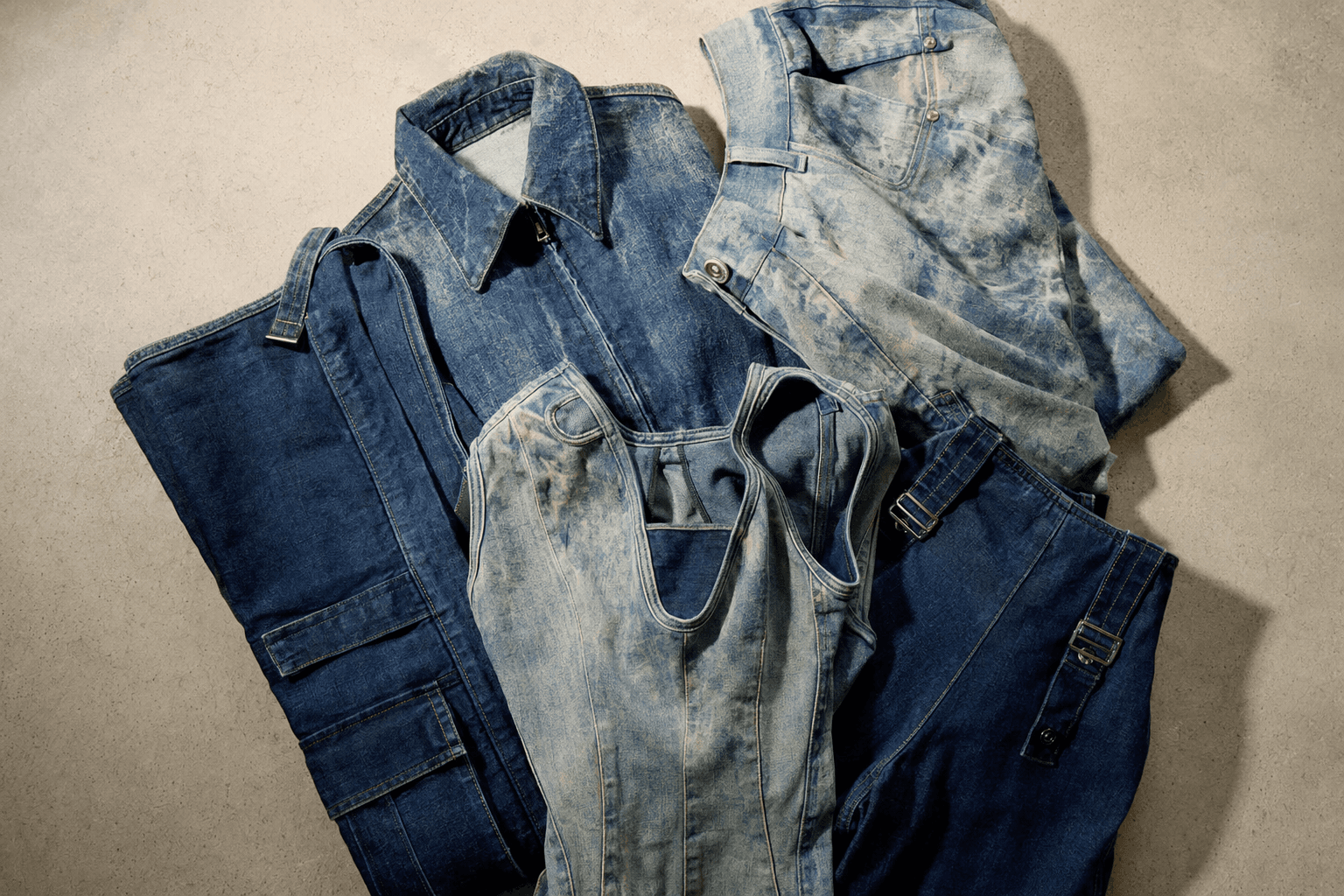
It did. The shop details identified pieces such as a marble-effect denim jardineira, three-tone jeans jacket and pants, plus frayed denim versions, which pushed the capsule away from polite basics and toward expressive utility. This is where the collaboration earns its place in the conversation. Paula Raia is not treating sustainability as a beige moral badge; she is using it to build texture, contrast and structure into garments that still behave like workwear. The brand’s own framing calls the denim chapter part of the collection’s textile dramaturgy, and that is exactly the right lens. The point is not just cleaner fiber sourcing. It is whether cleaner fiber sourcing can still give you shadow, surface and bite.
%2Fi.s3.glbimg.com%2Fv1%2FAUTH_51f0194726ca4cae994c33379977582d%2Finternal_photos%2Fbs%2F2026%2FN%2Fp%2FEaCRJBSn63y850ZMACHQ%2Fpaula-raia-aw26-lb-009.jpg&w=1920&q=75)
Canatiba Textil brings the industrial backbone. The company says it works across Denim Industry, Special Fabrics and Utilitárius, and serves jeanswear, fashion and workwear markets, which makes it a natural partner for a capsule that wants to live between atelier polish and practical uniform. TENCEL’s side of the pitch is equally specific: Lenzing says TENCEL Lyocell comes from certified or controlled wood sources in a closed-loop process with more than 99.8 percent solvent recovery, and that its matte denim version is designed to reduce sheen and deepen indigo. Lenzing also says the fiber carries at least 50 percent less carbon emissions and water consumption than generic lyocell, based on LCA standards and Higg MSI data.
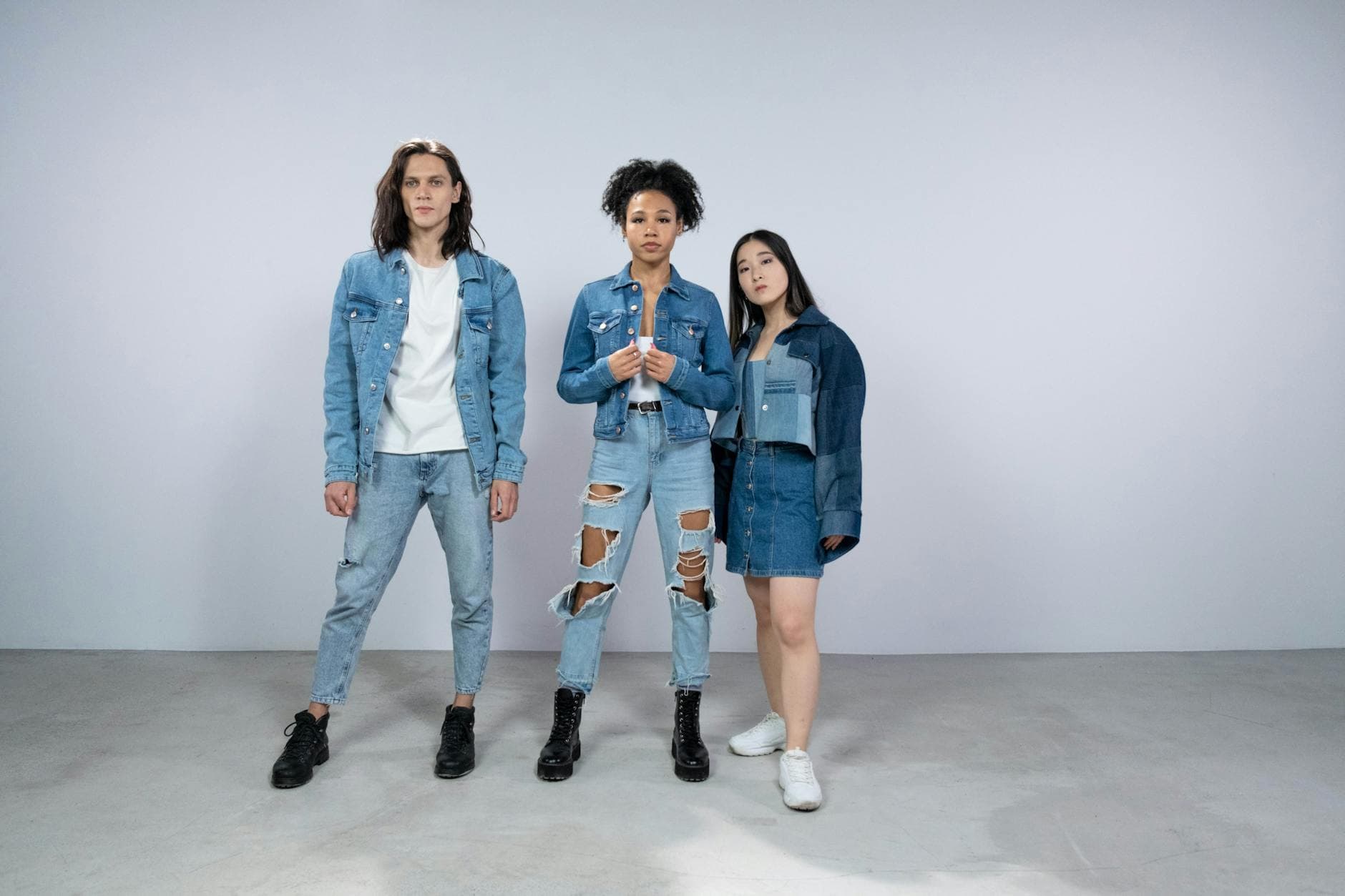
That technical language could easily flatten out in the wrong hands. Here, it became the point of the clothes. Paula Raia’s denim looked like a serious attempt to prove that responsible materials do not have to scrub away character. Instead, they can sharpen it.
This article was produced by Prism’s automated news system from verified source data, official records, and press releases, then run through automated quality and moderation checks before publishing. The system is built and supervised by the people who set the standards it runs under. Read our full AI policy.
Did this article answer your question?