Piccioli’s Balenciaga debuts unsized workwear for every body
Balenciaga’s new “unsized” tailoring swaps hard fit for soft adjustability, but the real question is whether it fixes workwear pain points or just dresses them up.
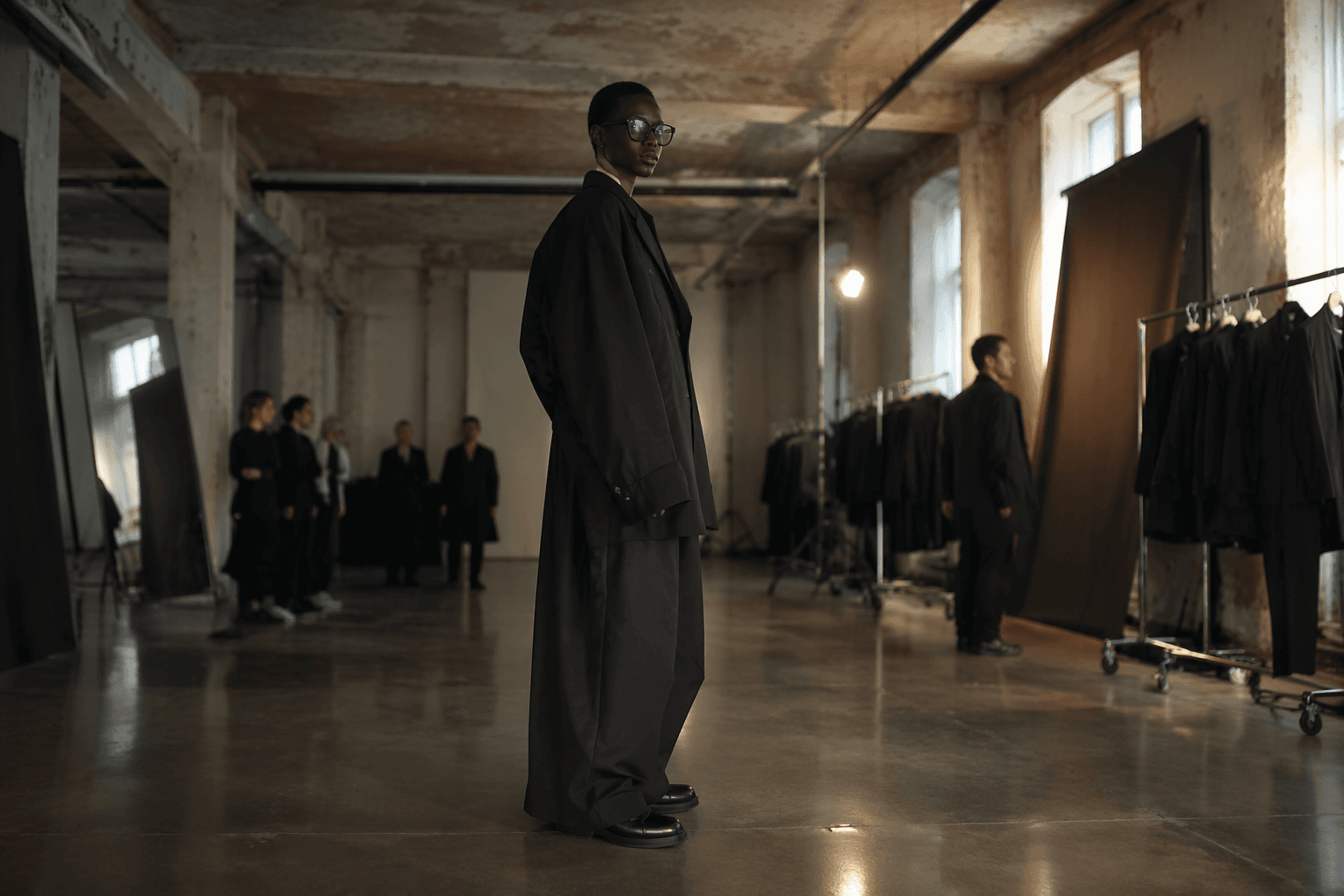
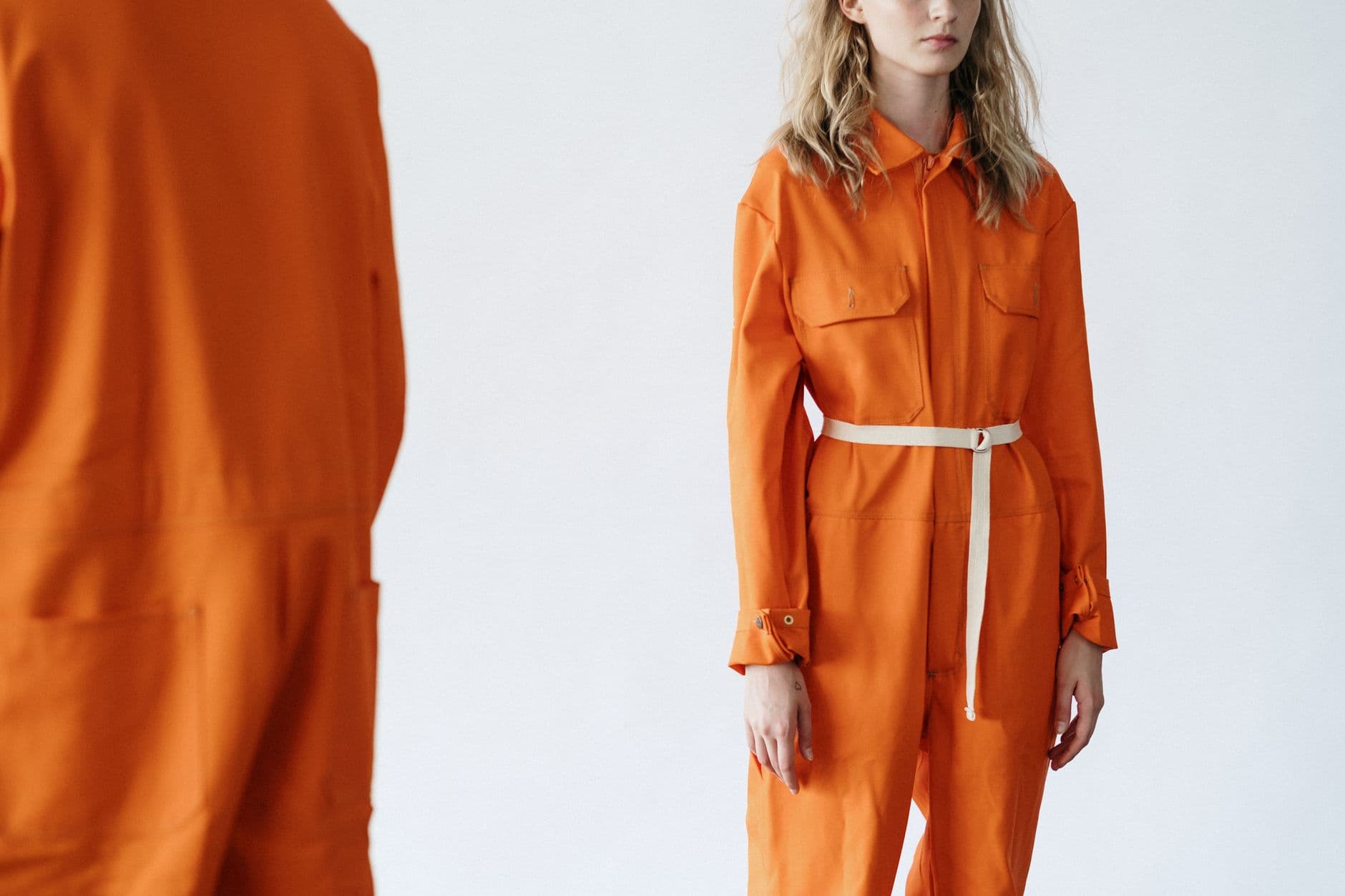
The smartest thing Pierpaolo Piccioli did at Balenciaga was refuse to make office clothes feel obedient. His first resort collection turns workwear into something looser, smarter, and a little more dangerous, with garments that cinch, ribbon, and float instead of locking the body into one fixed idea of fit. That sounds abstract until you see the pieces: a leather shirt with a train, a tuxedo-adjacent bomber-and-skirt look, and menswear that slips between streetwear and classical tailoring without ever sitting still.
Unsized is not the same as shapeless
Piccioli’s “unsized” idea is built around one clean promise: the clothes adapt to different bodies instead of forcing bodies to adapt to the clothes. Balenciaga says the method is rooted in “the individual and its freedom,” with light architecture and garments adjusted with ribbons of cloth. That matters in workwear because the old pain points are so familiar: shoulders that pinch, waistbands that betray you after lunch, sleeves that only behave if your frame matches the pattern maker’s fantasy.
What makes this collection interesting is that it treats flexibility as a kind of precision. The clothes do not read as sloppy or improvised. They read as engineered to move, to loosen, to be re-formed on the body, which is a much sharper proposition than the usual “relaxed tailoring” language that gets thrown around every season. If office dressing is supposed to project control, Piccioli is asking a sharper question: what if control came from adjustability instead of stiffness?
The construction details do the heavy lifting
The real story lives in the construction. Balenciaga says some of the Spring 27 looks weigh less than a kilogram, which is a wild sentence in a category that usually leans on wool weight, lining, and structure to signal authority. Here, authority comes from featherweight techno taffeta, double cashmere, kid mohair, poplin, and denim, all stacked into silhouettes that feel airy but not flimsy.
Those ribbons of cloth are the tell. They make the clothing feel almost modular, like you could tighten it for a meeting, soften it for a commute, or let it collapse into something more fluid after hours. That is a real answer to alteration fatigue, especially for people who live between sizes or hate the deadness that comes from over-tailored clothes. But the collection also keeps one foot in spectacle: jeans under evening gowns, TechWear pieces beside tailoring, and hybrid shapes that make you think as much about editorial fashion as about getting dressed for work.
This is workwear with a pulse, not a uniform
Piccioli is not selling a beige office reset. He is working in the tension between utility and polish, and that’s where the collection lands hardest. The leather shirt with a train is a perfect example: it has enough severity to feel disciplined, but the trailing back destroys any idea that this is standard-issue corporate dress. The bomber-and-skirt hybrid does something similar, pulling from menswear and formalwear at once, then refusing to settle.
That’s why the collection feels more convincing as luxury workwear than as pure runway abstraction. A softer blazer would have been the obvious move. Instead, Piccioli builds clothes that suggest the office, then sabotage the rigidity that usually comes with it. The result is not a literal dress code for work. It is a proposal for what professional dressing could look like if the industry stopped pretending one fit profile equals competence.
Piccioli is also rewriting Balenciaga from the inside out
The collection lands about a year into Piccioli’s tenure, after his appointment as artistic director on May 19, 2025, effective July 10, 2025. He arrived in Paris in June 2025 and spent three days in Balenciaga’s archive near Bourget, which makes sense because this debut feels less like a rupture than a careful re-threading of house codes. He has said he wants to modernize the maison without nostalgia and make “the ordinary very extraordinary,” and that is exactly the energy here: not costume, not museum reverence, but everyday clothing stretched toward the exceptional.
Balenciaga’s own history gives that move some weight. Cristóbal Balenciaga opened his Paris couture house at 10 George V in 1937, Demna was appointed artistic director in 2015, and the house relaunched couture in 2021. Piccioli is stepping into a building with a lot of ghosts, but he is not trying to dress like one. He is borrowing the house’s obsession with the body and turning it toward a more flexible future.
The body-diversity angle is the point, not a slogan
Piccioli has been direct about the target: clothes that address people with different body types and adapt to different bodies. In his WWD review comments, he tied that thinking to dressing Steph Curry for the 2026 Met Gala, which he described as an eye-opener. That detail matters because it moves the conversation away from abstract inclusivity and into real proportions, real tailoring, and the kind of fit problems that show up the second a garment meets an actual person.
This is where the collection has a shot at being more than a runway idea. If the clothes truly adjust through ribbons, draping, and lighter builds, they could reduce the tyranny of alterations and make office clothing feel less exclusionary. But the line between solution and styling remains thin. The collection is strongest when its flexibility looks practical, and weakest when the same tricks feel like avant-garde theater wearing a work badge.
The market already read the signal
Industry reaction was notably warm. Buyers and fashion historians called the debut a “palate-cleanser,” an “amuse-bouche,” and a “recalibration,” which is fashion-speak, yes, but also a useful clue: people felt this was a reset that kept the house’s nerve intact. They also recognized the Balenciaga signatures in the room, including the sack dresses and balloon skirts that made Cristóbal’s language so radical in the first place.
The first campaign sharpened that message. Shot by David Sims at Hôtel de Maisons and fronted by Mona Tougaard and Sandra Murray, it leaned softer and more human, while still keeping legacy bags in circulation, including Demna’s Rodeo and Nicolas Ghesquière’s Le City. That continuity is smart. It says Piccioli is not scrubbing the brand clean, just loosening the grip.
For workwear, that may be the most relevant shift of all. Balenciaga is not pretending the office needs another rigid suit. It is suggesting that the future of professional dressing may belong to garments that can flex with the body, the day, and the job itself.
This article was produced by Prism’s automated news system from verified source data, official records, and press releases, then run through automated quality and moderation checks before publishing. The system is built and supervised by the people who set the standards it runs under. Read our full AI policy.
Did this article answer your question?