Polished but flexible, office style for hybrid workdays
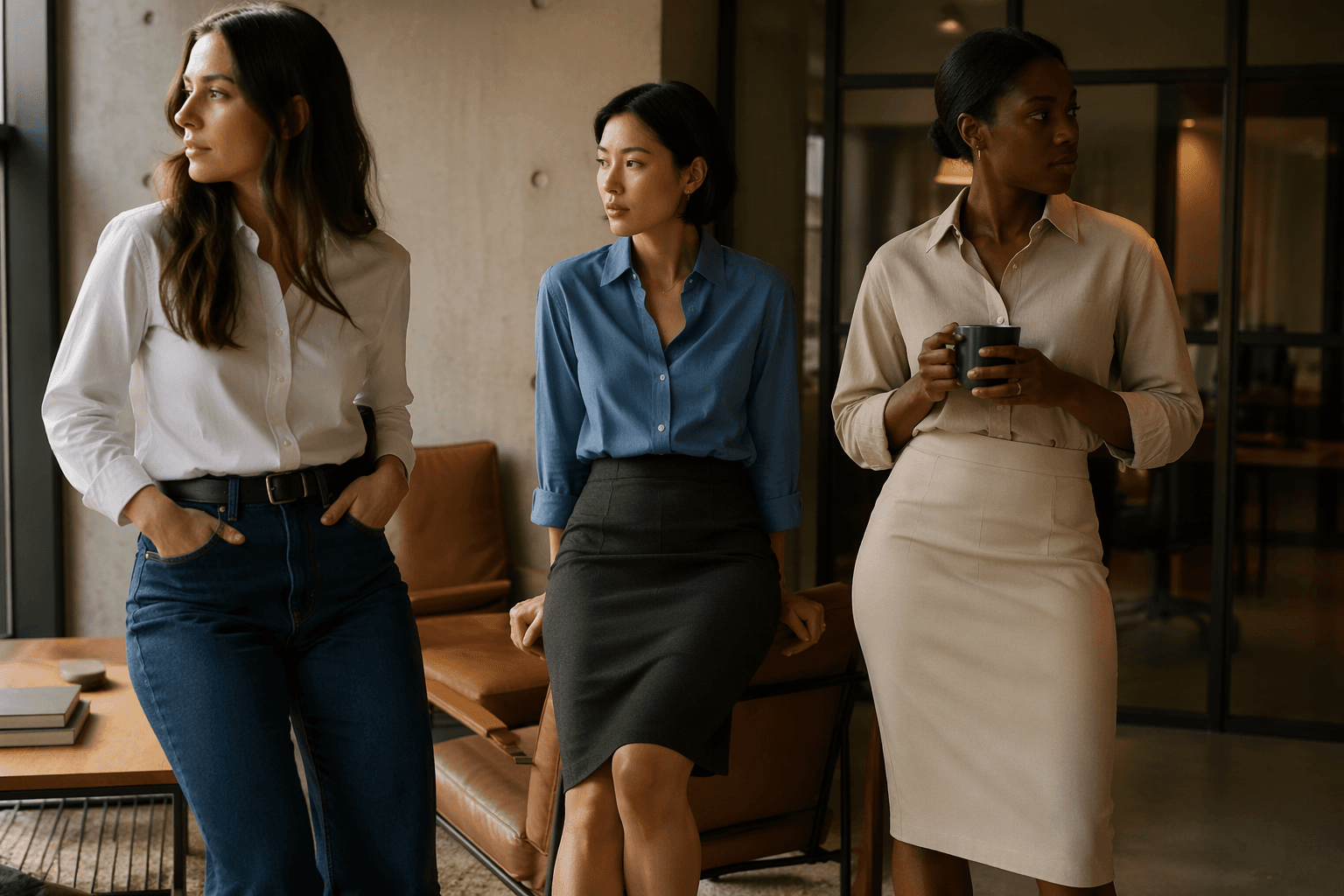
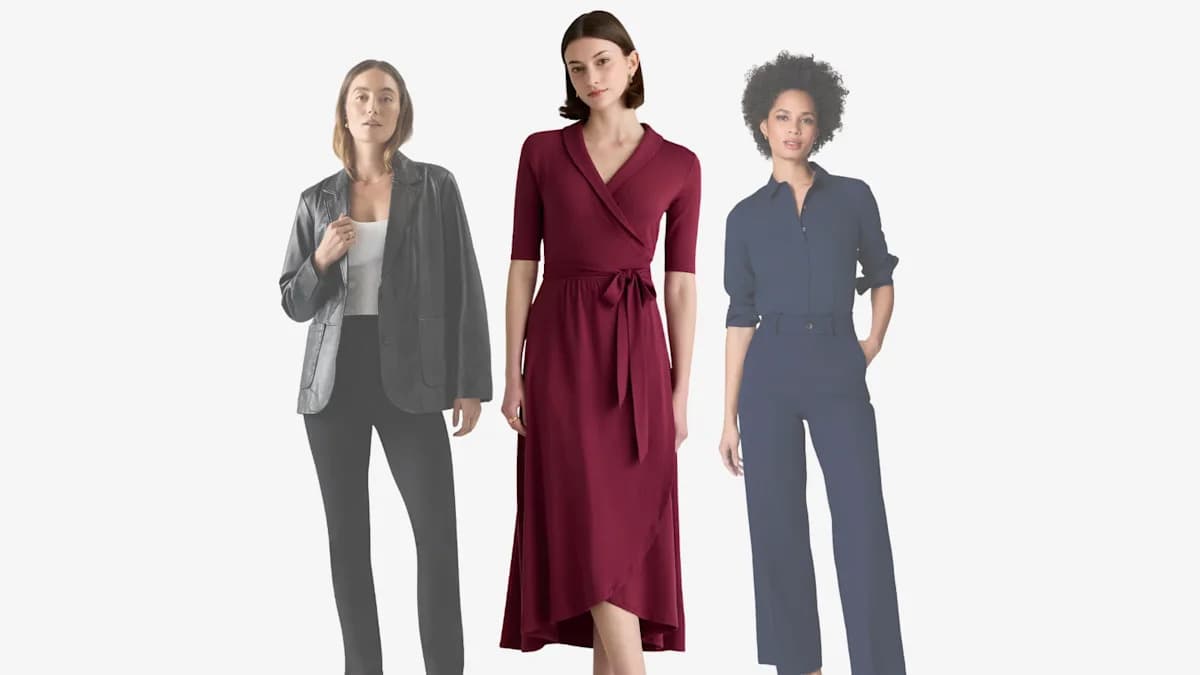
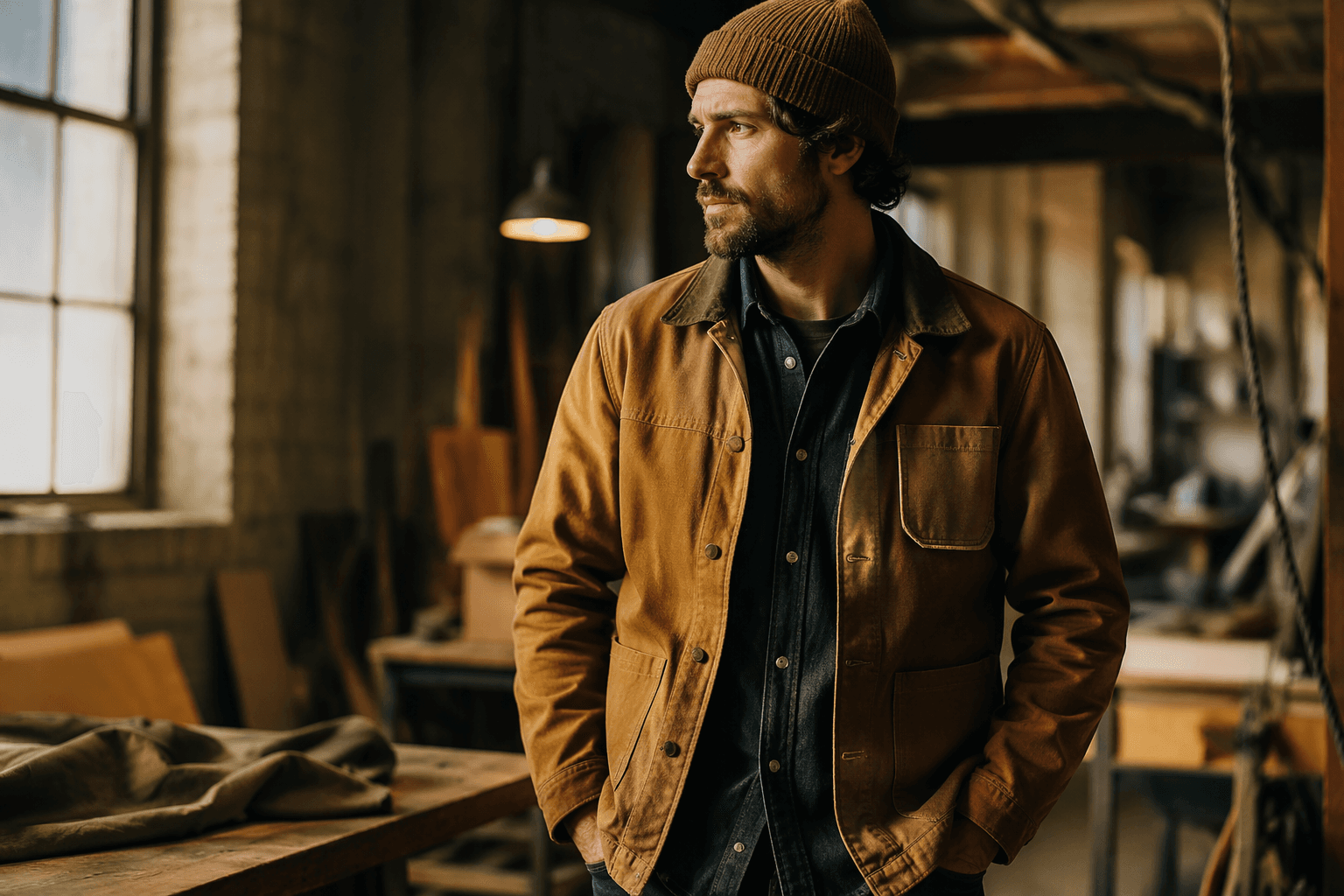
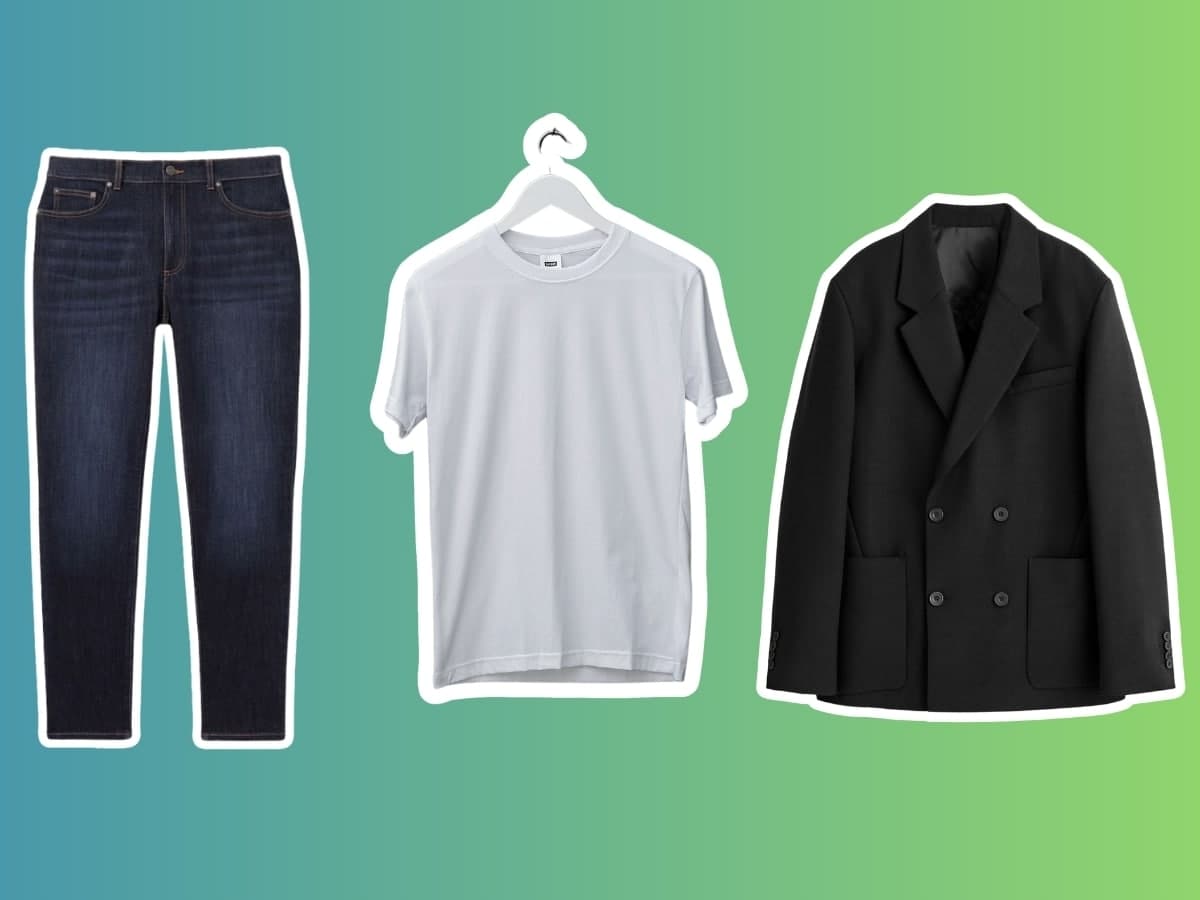
Hybrid work killed the old suit rule. The new uniform is a blazer, chinos and a sharp tee that can handle Zoom, lunch and the airport.
The new office brief
Hybrid work has not gone away, and the clothes have to keep up. Gallup says flexible arrangements remain widespread and have barely changed since 2022, even as some employers push harder on return-to-office rules. That matters because Zoom found 60% of workers would look for a new job if hybrid or remote flexibility were not allowed, which tells you exactly how high the stakes are now.
The dress code has loosened in a measurable way, too. Monster’s January 2025 poll found 43% of workers had not worked in an office with a dress code in the past year, and among people who did have guidelines, 61% said the office dress code had shifted recently. This is why the modern office uniform no longer looks like a full suit, but it also cannot look lazy. The sweet spot is polished but flexible, the kind of outfit that can survive a desk day, a client lunch and a surprise video call without a costume change.
How the office got this casual
This shift did not happen overnight. CBC’s archives show that by 1995, more workplaces were already loosening dress rules for one day a week, which is basically the old-school prototype for what we now call business casual. Once that door opened, the suit stopped being the only symbol of professionalism, and the real job became looking intentional without looking stiff.
That evolution explains why the conversation in 2025 and 2026 feels so practical. A 2025 MR PORTER piece pointed to the return-to-office pressure from Google, Meta, Apple, JPMorgan, Amazon and The Washington Post, and suddenly the same question is back with more force: what do you wear when the week contains both Slack and a lobby check-in? The answer is not one perfect outfit. It is a small system of pieces that can rotate across settings.
Build the uniform once, then let it do the work
Start with the unstructured blazer. Not the corporate armor version, but the softer kind with a gentler shoulder, a little movement through the chest and enough drape to sit over a T-shirt without looking like you borrowed it from finance. In a good navy, charcoal or brown wool blend, it reads smart in daylight and clean on camera, which is exactly the kind of versatility hybrid work demands.
Under it, the best T-shirt is not the flimsiest one. Go for a well-fitting tee with enough weight to hold its shape, ideally in white, black, heather gray or deep navy. Style guides in 2025 and 2026 keep returning to the same core formula, and that is the point: you want pieces that look deliberate, not overthought. Chinos and knit polos round out the capsule, with the chinos doing the heavy lifting on polish and the knit polo giving you a little texture when a plain tee feels too bare.
Fit matters more than trend. A chino that skims the leg instead of clinging to it will look sharper all day, especially if you are moving between seated work, walking and standing meetings. The same goes for tops: boxy is easier than slim, but sloppy is not the goal. Everything should look relaxed enough to breathe and clean enough to imply you meant it.
Home office: quiet polish, zero costume energy
At home, the temptation is to stay in whatever passed for pajamas and call it efficiency. But the better move is an outfit that still feels like clothes, not loungewear with better PR. A well-fitting tee with chinos gives you structure without friction, and an unstructured blazer thrown over the chair is the easiest insurance policy for the call that shows up early.
This is where the fabric story matters. A tee with some heft reads better under a webcam, and chinos in a matte cotton twill keep the whole thing from looking shiny or gym-adjacent. If you dress this way at home, you are not pretending the office exists. You are making the transition back into it painless.

Coworking day: public enough to count
Coworking spaces are where the outfit gets tested in real life, because now people can see the difference between dressed and dressed up. The right formula here is blazer, tee or knit polo, chinos and low-profile sneakers. It is relaxed, but it still has shape, which is what keeps you from disappearing into the sea of hoodies and tech fleece.
This is also the setting where texture does a lot of the work. A knit polo has more presence than a basic jersey tee, and a blazer with a soft, slightly brushed surface looks better next to laptops, coffee cups and concrete interiors than something overly crisp. You want the outfit to feel like it belongs in a creative office, not a boardroom dropped into daylight.
Client lunch: one notch sharper, not a full reset
For a client lunch, the same wardrobe gets a little more precise. Keep the unstructured blazer, but swap the tee for a knit polo if you want more presence, or wear the tee only if the rest of the fit is immaculate. Chinos stay in play because they bridge casual and formal better than jeans do, especially when the hem lands cleanly on a loafer or minimal leather shoe.
This is the moment to think about proportion. A slightly roomier trouser balances the softness of the blazer, and a polo with a neat collar gives the whole look a vertical line that reads composed without feeling corporate. The vibe is not “trying hard.” It is “I know exactly where I am going after this meal.”
Travel: built for airports, taxis and one more meeting
Travel is where bad office dressing gets exposed fast. Wrinkly trousers, overbuilt jackets and stiff shirts turn into baggage before you even leave the terminal. The hybrid-work answer is a blazer that packs easily, chinos that do not crease like paper and a tee or knit polo that still looks fresh after a long flight.
The beauty of this system is that it survives changing temperatures and changing contexts. You can peel the blazer off on the plane, put it back on for the taxi ride or the client visit, and still look like the outfit was chosen on purpose. If you are moving through an airport, a hotel lobby and a meeting in the same day, that kind of flexibility is not a bonus. It is the whole point.
Video calls: the camera cares more than you think
Video calls have made office dressing more specific, not less. The camera flattens texture, so a too-thin tee can look cheap and a too-bright shirt can blow out under bad lighting. An unstructured blazer over a clean tee or knit polo solves that instantly, because it gives the frame edges, depth and just enough seriousness.
This is why the current office uniform works so well across hybrid life. It looks composed on screen, easy in person and relaxed in transit. The old dress code asked you to commit to a single setting; the new one asks you to move through five of them in one day without looking like you changed identities. The best pieces do exactly that, and they make the whole week feel less like a wardrobe negotiation and more like a clean, repeatable system.
This article was produced by Prism’s automated news system from verified source data, official records, and press releases, then run through automated quality and moderation checks before publishing. The system is built and supervised by the people who set the standards it runs under. Read our full AI policy.
Did this article answer your question?