Short-sleeve blazers make summer office dressing feel polished and cool
The short-sleeve blazer gives summer office outfits structure without the sweat, and it works best in hot cities, business-casual offices, and polished client days.

When the office air conditioning and sidewalk heat collide, the short-sleeve blazer becomes the rare third layer that actually solves the problem. It keeps the crisp, upright attitude of tailoring, but strips away the heaviness that makes a full blazer feel impossible by lunch.
Why the short-sleeve blazer feels right now
The case for the short-sleeve blazer is bigger than one clever outfit trick. WWD’s spring 2026 tailoring coverage pointed to a season of novel interpretations of sartorial codes, from sleek minimalism to ’80s power dressing, and its spring/summer 2026 trend read called out a reimagined return to officewear. In other words, tailoring is back, but not in its old rigid form.
SheerLuxe put language to the shift with a description of the short-sleeve blazer as a current micro-trend and “this season’s answer to effortless tailoring.” That phrase lands because the garment sits in a useful middle ground. A cardigan softens too much. A full blazer can turn a warm commute into a private sauna. A short-sleeve blazer keeps the visual authority of a jacket while cutting down on insulation, bulk, and the trapped heat that makes summer office dressing feel punishing.
The fabric rules that matter most
Summer officewear only works when the cloth can do some of the temperature control for you. The smartest guides keep returning to cotton, linen, crepe, and lightweight wool blends, because those fabrics breathe better and move more easily than heavier suiting. They also make the short-sleeve blazer look intentional rather than improvised.
Lighter colors help, too. Soft ivory, stone, dove gray, pale navy, and sand read sharper in warm weather than dense, heat-absorbing black, especially when the jacket is lightly structured instead of heavily padded. The point is not to look casual. It is to look composed without feeling wrapped up.
- enough structure in the shoulder to hold its shape
- a fabric with visible lightness, not a stiff, winter-weight hand
- a sleeve that feels deliberate, not merely cut off
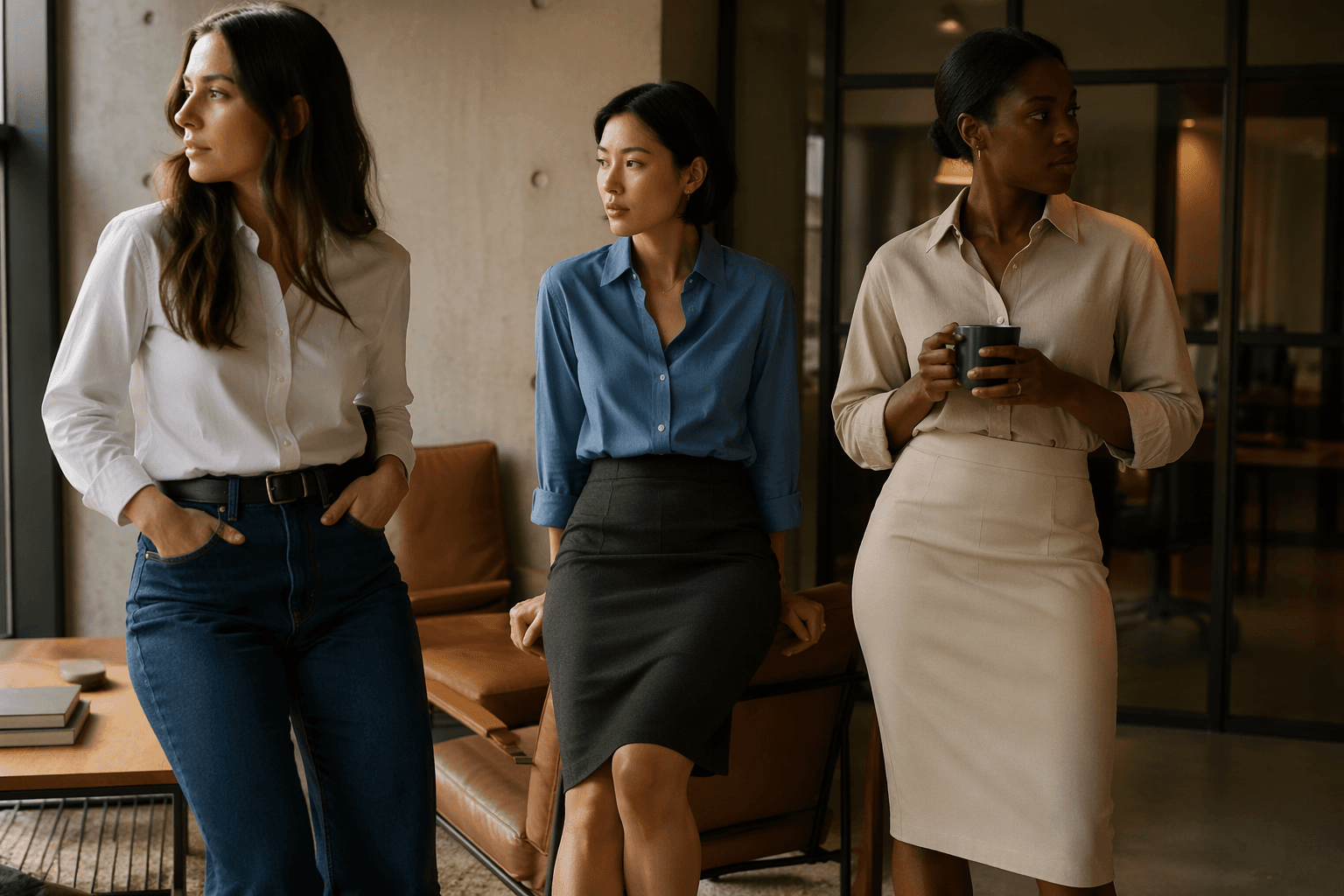
- a clean front that works over a blouse, sheath dress, or slim trouser
A good short-sleeve blazer should have:
Where it beats a cardigan
The cardigan still has a place, but it is the wrong answer when the office demands a little authority. In business-casual settings, especially on days filled with client meetings, presentations, or rooms where you need to look instantly put together, the cardigan can read too relaxed. It melts into the rest of the outfit, which is lovely for a creative studio day and less useful when you need your clothes to do some negotiating for you.
The short-sleeve blazer gives you shape at the shoulder and structure at the torso, so it sharpens even simple foundations like a sheath dress or a lightweight trouser-and-blouse pairing. Corporette’s long-running summer office logic is essentially this: figure out what keeps you professional while staying cool, and do not be afraid of pieces that solve both problems at once. A short-sleeve blazer is exactly that kind of piece.
Where it beats a full blazer
A traditional blazer still has a role when you need maximum formality or a longer sleeve that can carry you into colder conference rooms. But in hot-weather cities such as Orlando, Florida, or on days spent moving between temperature-controlled offices and humid streets, the full version often creates more discomfort than polish. That is where the short-sleeve cut earns its keep.
It is especially strong for the hours when summer work dress codes ask for polish but not ceremony. Think desk-to-dinner days, internal presentations, casual client lunches, or hybrid schedules where you want to look purposeful on camera without overheating in transit. The cropped sleeve keeps the silhouette tailored, while the reduced coverage makes the piece feel lighter and more adaptable than a full jacket.
How to wear it without losing the sharpness
The easiest way to style the short-sleeve blazer is to treat it as the finishing layer, not the star. Sumissura’s summer wardrobe framing, with its emphasis on lightweight blazers and breathable blouses, points in the right direction: let the underlayer stay airy, and let the jacket provide the architecture.
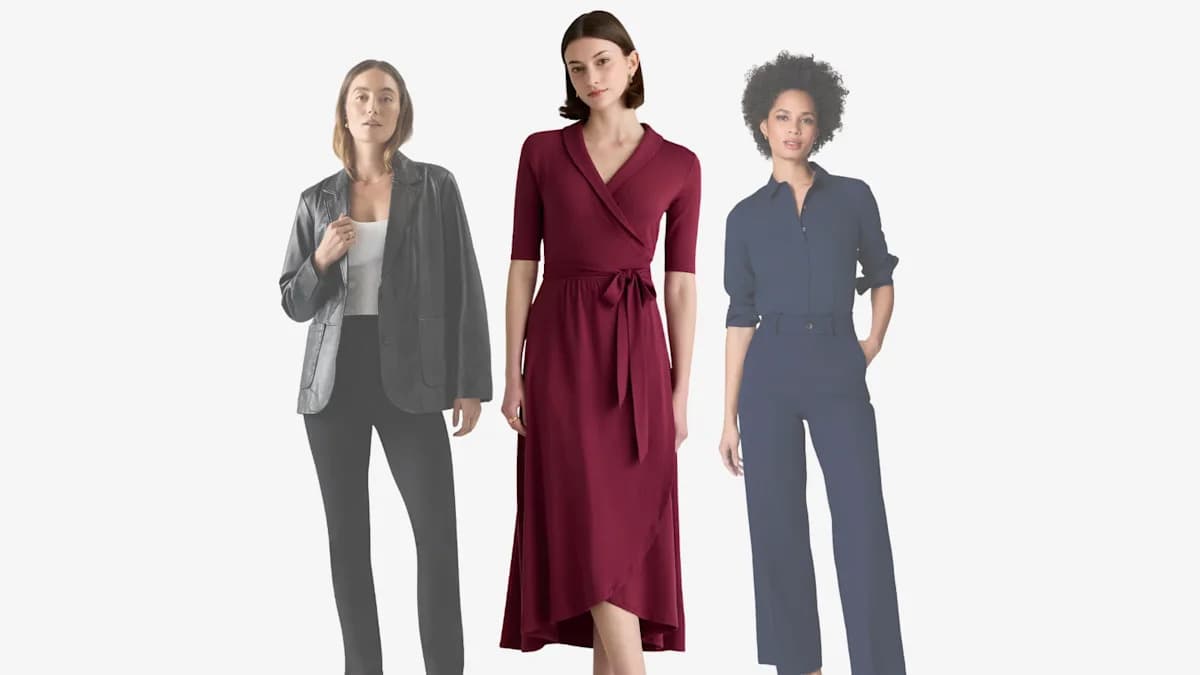
- a sheath dress with a short-sleeve blazer and low-heeled slingbacks for a clean office look
- lightweight trousers, a breathable blouse, and a short-sleeve blazer for meetings that need polish without weight
- a tonal outfit in linen or cotton, topped with a lightly structured blazer, for a softer but still disciplined read
Try these formulas:
The best outfits use contrast carefully. If the blazer is crisp, let the rest of the look stay fluid. If the blazer is relaxed, keep the base refined. That balance is what makes the style feel modern rather than costume-like.
The styling rules that keep it polished
The short-sleeve blazer works hardest when the rest of the outfit stays lean. Pair it with straight-leg or wide-leg trousers that skim, not cling. Choose fabrics that echo the jacket’s summer logic, not heavy denim or thick ponte that traps warmth and adds visual weight. If you want to wear it over a dress, a sheath silhouette is the cleanest partner because it preserves the vertical line that keeps the whole look polished.
Color matters just as much as cut. A pale blazer over a bright white blouse and navy trouser feels crisp and office-ready. A soft neutral layered over black can look more deliberate if the jacket has enough texture, especially in crepe or a light wool blend. What you want to avoid is too many dense layers at once, because summer officewear fails when every element insists on being heavy.
The point of the piece
The short-sleeve blazer is not interesting because it is novel. It is interesting because it answers a real problem with an elegant edit. As officewear continues its reimagined return and tailoring keeps moving toward lighter, more relaxed shapes, this is the kind of garment that makes business-casual dressing feel less like a compromise and more like a choice. It is the summer layer that keeps its head in the boardroom and its body out of the heat.
This article was produced by Prism’s automated news system from verified source data, official records, and press releases, then run through automated quality and moderation checks before publishing. The system is built and supervised by the people who set the standards it runs under. Read our full AI policy.
Did this article answer your question?