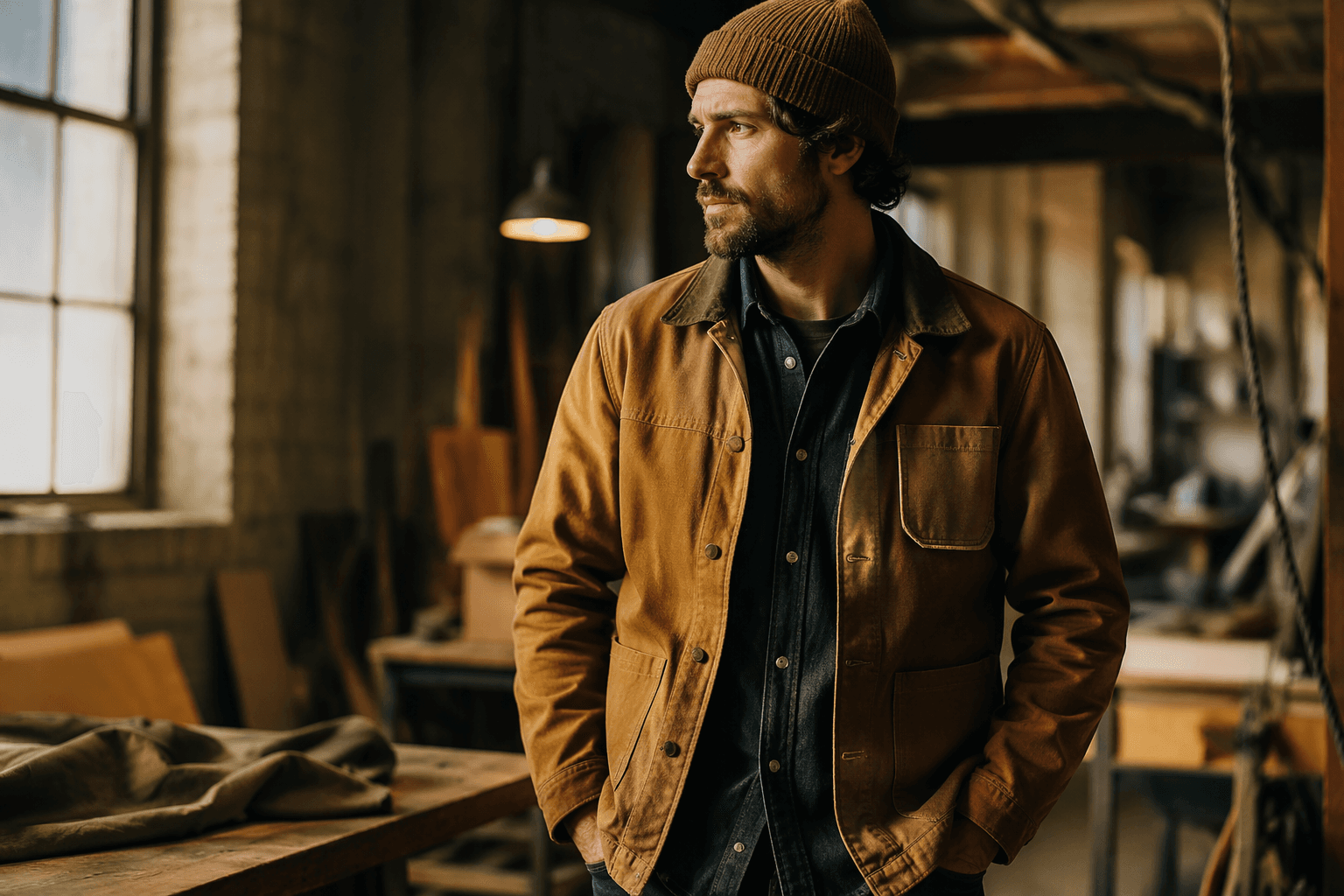
Stone Island’s SS '026 explores workwear in the California desert
Stone Island turns Mono Lake into a workwear lab, where heat-reactive nylon, waxed cotton, and sail-ready layers make utility look alive.

The desert is the point
Stone Island’s SS ’026 looks best when the fabric starts doing the talking. Set against the California desert and Mono Lake, the collection treats workwear and sailing references like a functional system, not a costume. Heat-reactive surfaces, waxed finishes, and lightweight nylon make the clothes feel built for glare, wind, dust, and the hard contrast between city streets and open terrain.
What makes the collection compelling is how little it relies on nostalgia. Stone Island is not just borrowing the silhouette language of utility, it is using textile behavior to give those silhouettes a job. The result is clothing that reads differently in beach light, desert light, and urban shadow, which is exactly why this chapter feels alive instead of over-styled.
Mono Lake gives the clothes their tension
The Mono Lake reference matters because it is not just scenic, it is loaded. The lake has supplied water to Los Angeles since 1941, and the state’s water board has been managing Mono Basin rights under public-trust rules since a 1994 hearing. That history gives the collection’s desert-city contrast a sharp edge: the clothes sit inside a landscape shaped by movement, extraction, and infrastructure, not just pretty backdrops.
Stone Island leans into that with a palette that mirrors the terrain. Blues, browns, burnt orange, and dusty pinks pull directly from the California landscape, but they also keep the workwear energy from drifting into pure tactical seriousness. The colors soften the technical read just enough to make the pieces feel wearable outside the desert, which is the whole trick.
The shoot stretches that idea across Southern California, using desert mountains, beachside settings, and the city’s varied terrain as a live test. That is where the collection clicks. Workwear only matters when you can picture it moving, and these clothes feel like they were made to travel from heat to wind to pavement without losing their shape.
The fabric stories are the real headline
Stone Island’s strongest move here is the way it turns fabric names into an argument for why technical design still matters. The collection pushes reflective and heat-reactive technology, a new wax fabric treatment process, and Denim Research updates that include an enzyme bleach-dyed piece and a heavy gauge Oxford nylon. That is the difference between a generic utility mood and actual product intelligence.
The lineup is dense, but the point is simple: the cloth does the styling for you. Among the fabrics and treatments in the mix are Light Compact Touch Poly-TC, Waxed Pigment Cotton Tela, Cotton Nylon Micro Ripstop, Cotton Chenille Degradé, Metal Lamina Ripstop, Heat Reactive Cotton Nylon Tela, and Quilted-TC. Each one brings a different surface language, from crisp and compact to textured, glossy, protective, or padded.
For the wearer, that translates into real-world benefits:
- Heat-reactive cloth gives the garment movement, so it does not sit dead in strong sun.
- Waxed finishes add weather resistance and a broken-in sheen that looks better with wear.
- Lightweight nylon keeps layers from turning heavy when temperatures climb.
- Ripstop and quilted structures give the clothes shape, durability, and a tougher read without bulk.
That is why the collection feels smarter than the usual “elevated utility” talk. The pieces are not just referencing workwear, they are behaving like gear.
Why Stone Island still owns technical workwear
Stone Island has been building this language since 1982, when Massimo Osti founded the brand around Tela Stella, a heavy wash, resin-printed military-grade canvas. The compass badge and the brand’s Joseph Conrad-inspired nautical roots give the whole story a maritime edge, which is why sailing and workwear still sit so naturally together here. From the beginning, the brand understood that fabric innovation could be the identity, not just the finish.
That origin story matters now because a lot of brands borrow workwear’s posture without earning it. Stone Island still feels credible because its clothes start with material science, not moodboards. When a brand has been treating cloth like research for decades, a collection like SS ’026 does not read as trend-chasing. It reads as the brand doing what it has always done, just in a different landscape.

And that landscape matters. The California desert gives Stone Island a new stage, but it also exposes the old truth of the brand: technical clothing only becomes interesting when it solves a visual problem and a practical one at the same time. The pieces need to look sharp in motion, survive weather, and hold their own in a city.
The campaign makes the case without overexplaining it
Stone Island calls the SS ’026 campaign “Community as a Form of Research,” and the cast makes that idea feel less like branding jargon and more like a real network. Paolo Maldini, Chito Vera, Garance Vallée, Shivas, Hans Ulrich Obrist, Joe James, Charlie Hunnam, Cha Seung-won, Feid, A. G. Cook, and YUVIE all fold into the story, each bringing a different kind of cultural temperature to the clothes.
The visual team is equally exacting. David Sims shot the campaign, Ferdinando Verderi handled creative direction, Max Pearmain styled it, and Heikki Kaski contributed behind-the-scenes imagery. That combination gives the collection a polished edge, but not a sterile one. It feels like a study group with taste, which is exactly what Stone Island needs to keep workwear from sliding into empty trend language.
What SS ’026 says about workwear now
Stone Island’s desert chapter makes a simple point: technical innovation still gives workwear editorial value when the fabric earns the headline. The collection is strongest where heat-reactive surfaces, waxed textures, lightweight nylon, and ripstop construction connect directly to the reality of the environment around them. That is why the Mono Lake setting lands so well, and why the brand’s sailing-to-workwear logic still feels sharp.
In a market full of utility cosplay, Stone Island keeps proving that the clothes get interesting when they solve for weather, movement, and surface at the same time. SS ’026 does not just look like workwear in the California desert. It behaves like it.
This article was produced by Prism’s automated news system from verified source data, official records, and press releases, then run through automated quality and moderation checks before publishing. The system is built and supervised by the people who set the standards it runs under. Read our full AI policy.
Did this article answer your question?